Socialist Hall of Fame
-
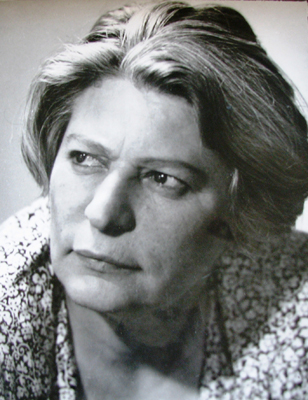
Ana Pauker was a key figure in Romanian communism, born in 1893 into a Jewish family. She played a pivotal role in postwar Romania’s political transformation, becoming the first woman foreign minister. Her legacy is complex, marked by agency and dependency within Stalinism, gender dynamics, and the Jewish question, leading to her eventual purging in…
-
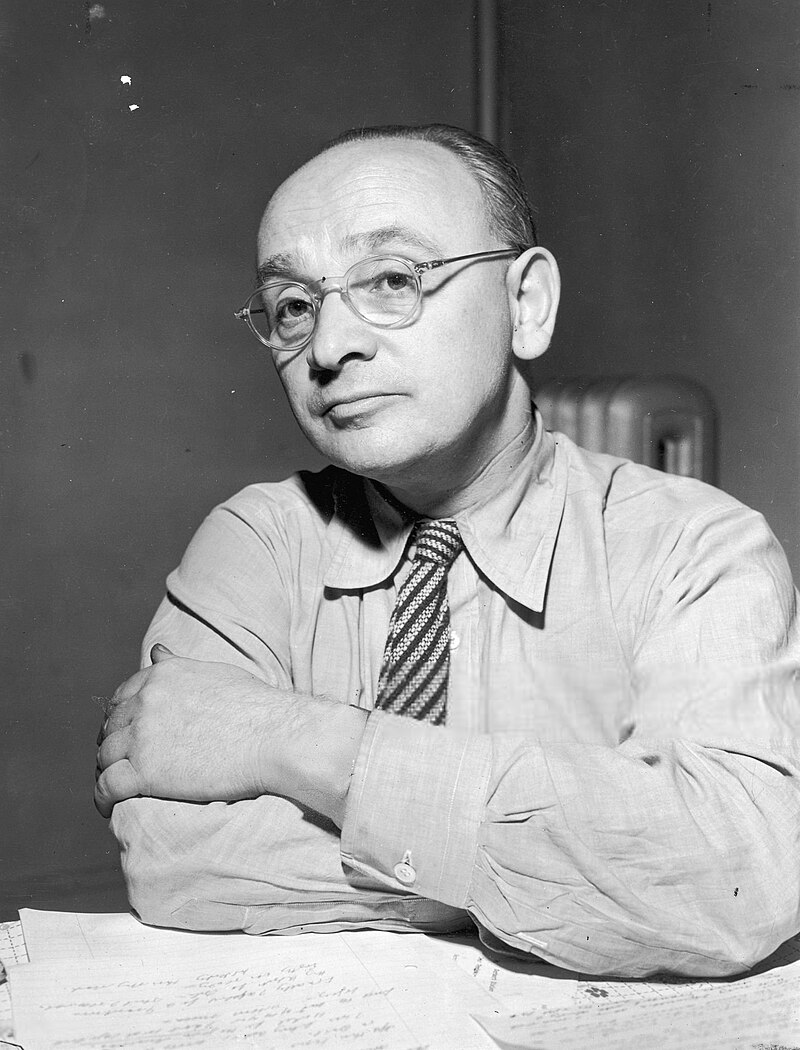
Gerhart Eisler (1897–1968), a German communist intellectual and operative, navigated the political landscape from Weimar Germany to the Cold War. Known for his influential role in the Comintern and later in East Germany, his life reflects the complexities of Marxism, illustrating the tensions between revolutionary ideals and bureaucratic realities.
-
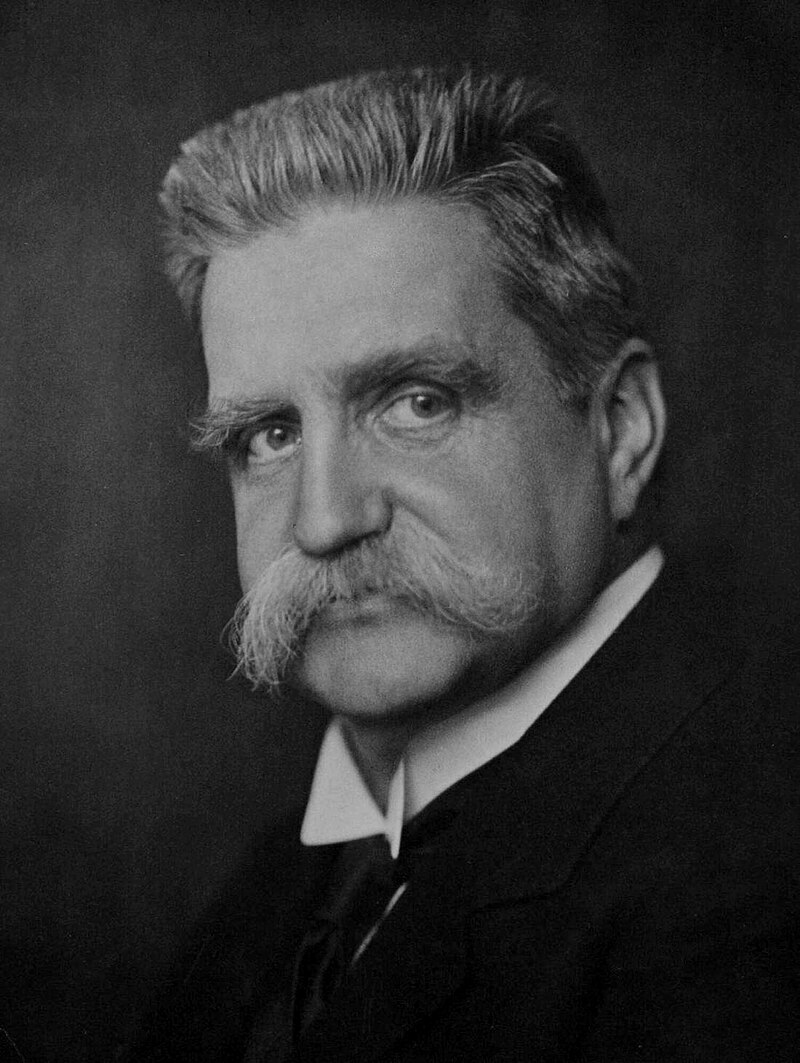
Karl Hjalmar Branting was a key figure in Swedish socialism, transforming Sweden into a social democracy as its first Social Democratic Prime Minister. Advocating for gradual reform instead of revolution, he implemented progressive policies and universal suffrage. His legacy as an architect of democratic socialism significantly influenced European political landscapes.
-
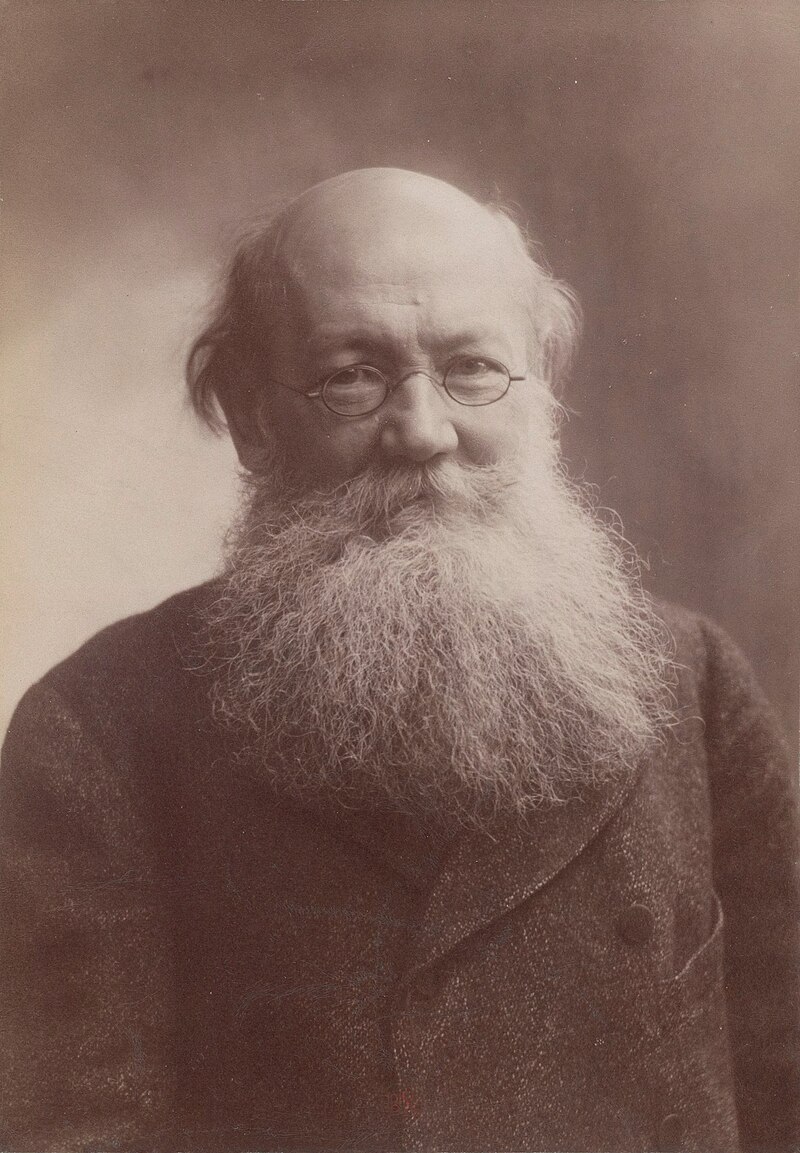
Prince Pyotr Kropotkin (1842–1921) was a significant revolutionary thinker and anarchist communist. A nobleman turned revolutionary, he synthesized Enlightenment thought and Darwinian science, advocating decentralized cooperation through works like Mutual Aid. After the 1917 Russian Revolution, he criticized Bolshevik centralization, leaving a legacy of ethical socialism and communalism.
-
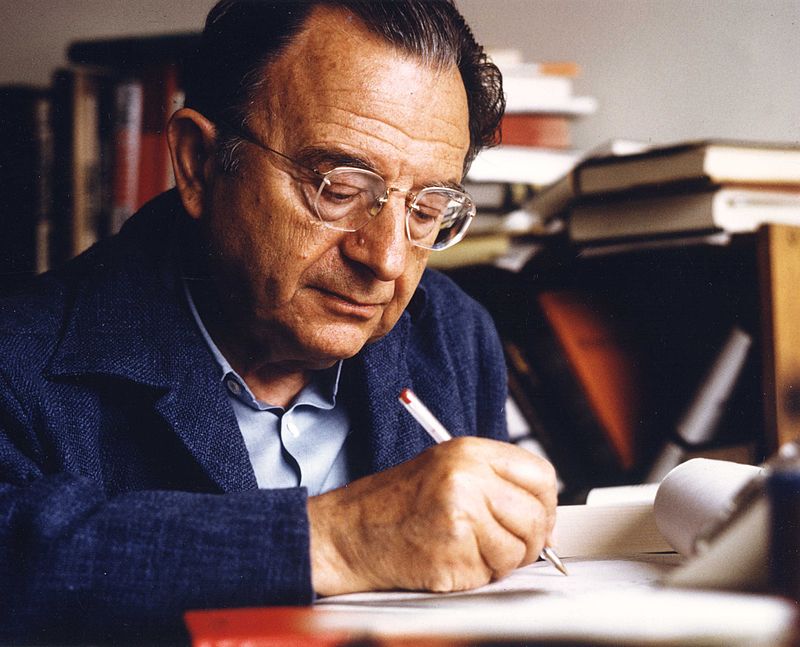
Erich Fromm was a German social psychologist and philosopher who shaped 20th-century thought by integrating psychology and Marxism. His work highlighted individual alienation in capitalism and advocated for humanistic socialism and ethics of love. Fromm’s influential writings explored freedom, love, and the social character, leaving a lasting impact across multiple disciplines.
-
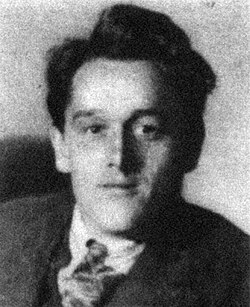
Willi Münzenberg (1889–1940) was a significant figure in early international communism, known for transforming propaganda into a mass persuasion tool. He organized efforts for the Communist International, blending media with ideology. His eventual disillusionment with Stalinism led to a political split and exile, culminating in his mysterious death. His legacy remains influential in political communication…
-
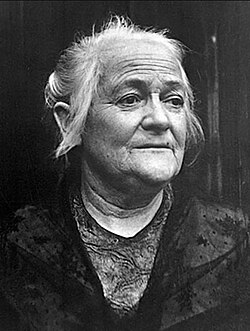
Klara Zetkin (1857–1933) was a revolutionary Marxist and feminist theorist, central to the socialist women’s movement. Advocating the link between class and gender oppression, she founded International Women’s Day and actively opposed war and fascism. Her legacy influences contemporary Marxist-feminist thought and gender-labor debates within socialism.
-
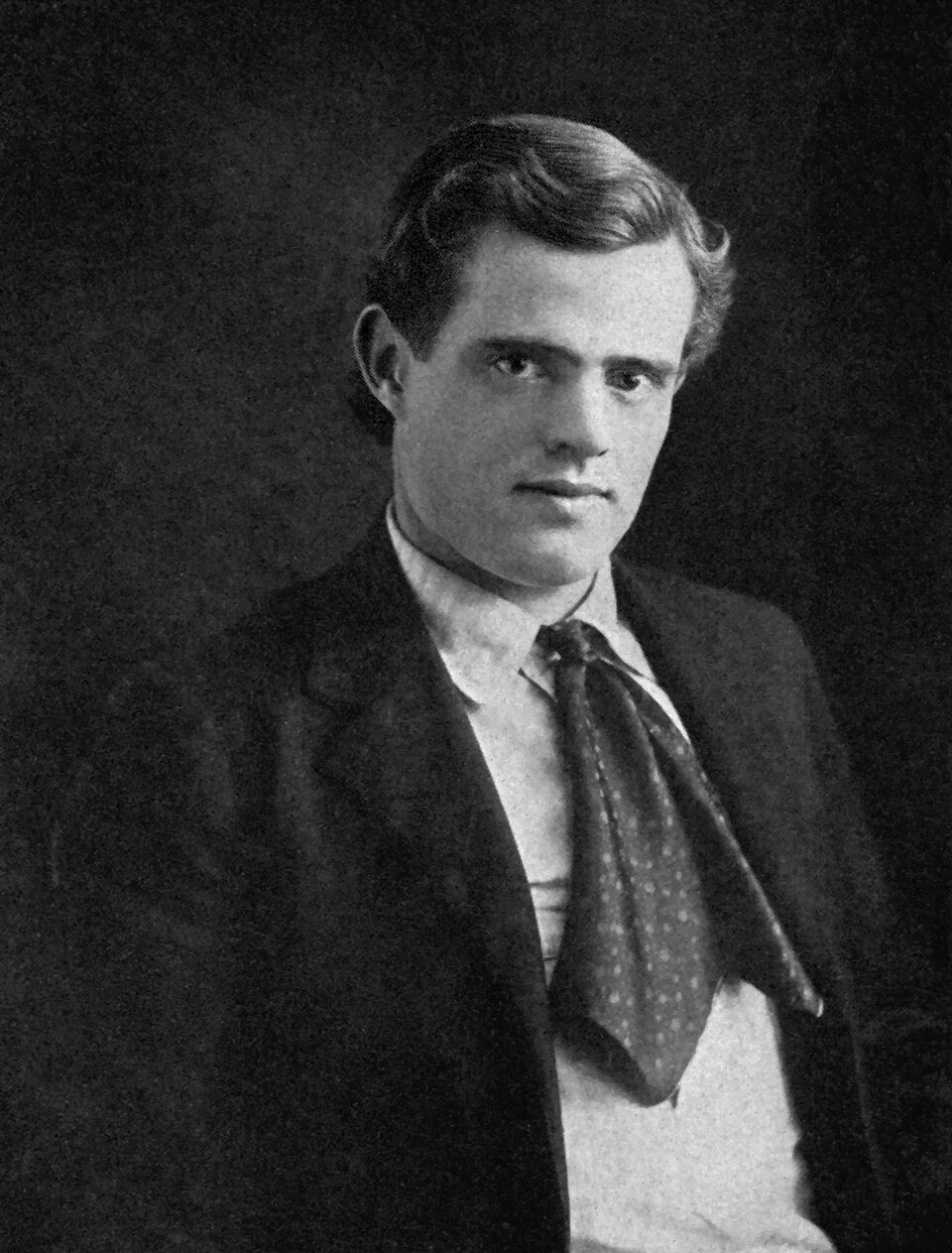
Jack London, a prominent American author of the early 20th century, is known for adventure novels like The Call of the Wild. His works reflect engagement with industrial capitalism and socialism, stemming from personal experiences with class struggle. London’s socialist convictions permeate his fiction, portraying the dehumanizing effects of capitalism while critiquing rugged individualism.
-
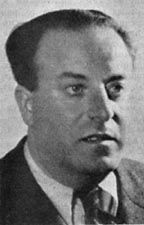
Ignace Reiss, born Nathan Poretsky in 1899, was a Bolshevik revolutionary and Soviet intelligence operative disillusioned by Stalin’s regime. Defecting in 1937, he denounced Stalinism as a betrayal of revolutionary ideals. His assassination shortly after exemplified the regime’s brutality against dissenters and marked him as a martyr for anti-Stalinists.
-
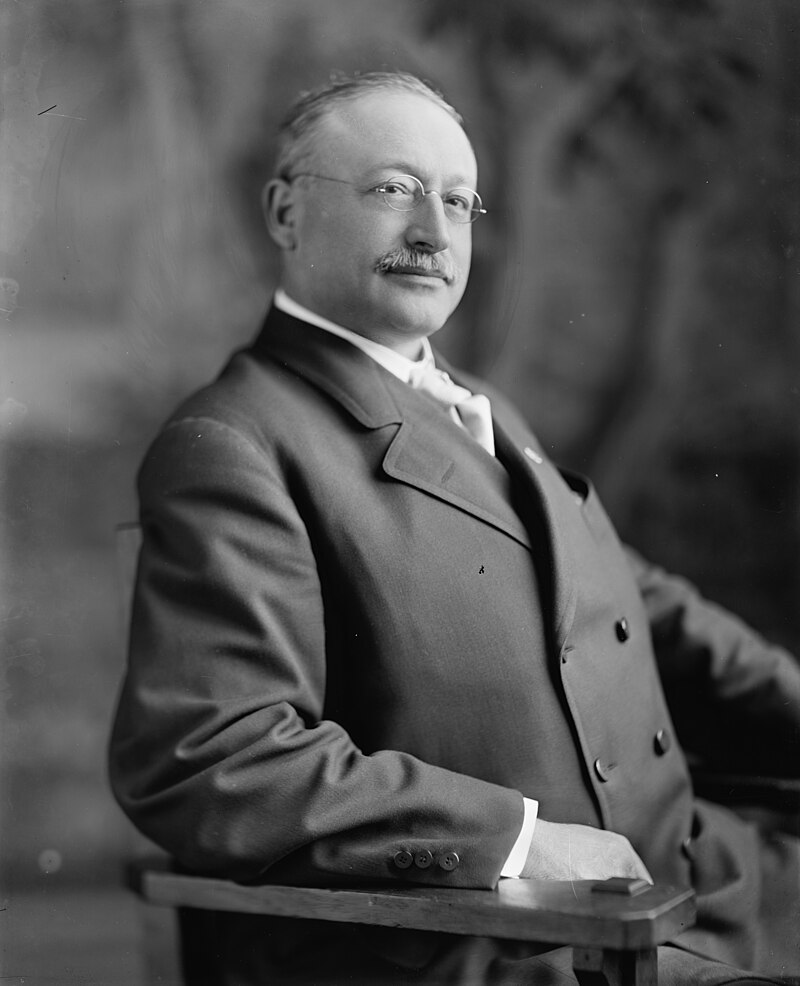
Victor Louis Berger (1860–1929) was a pivotal figure in American socialism, known for founding the Socialist Party of America in 1901 and being the first Socialist elected to Congress. His pragmatic approach to socialism emphasized reform over revolution. Berger’s legacy reflects debates between revolutionary and reformist socialism within American politics.
 Letters from Tomis