Socialist Hall of Fame
-
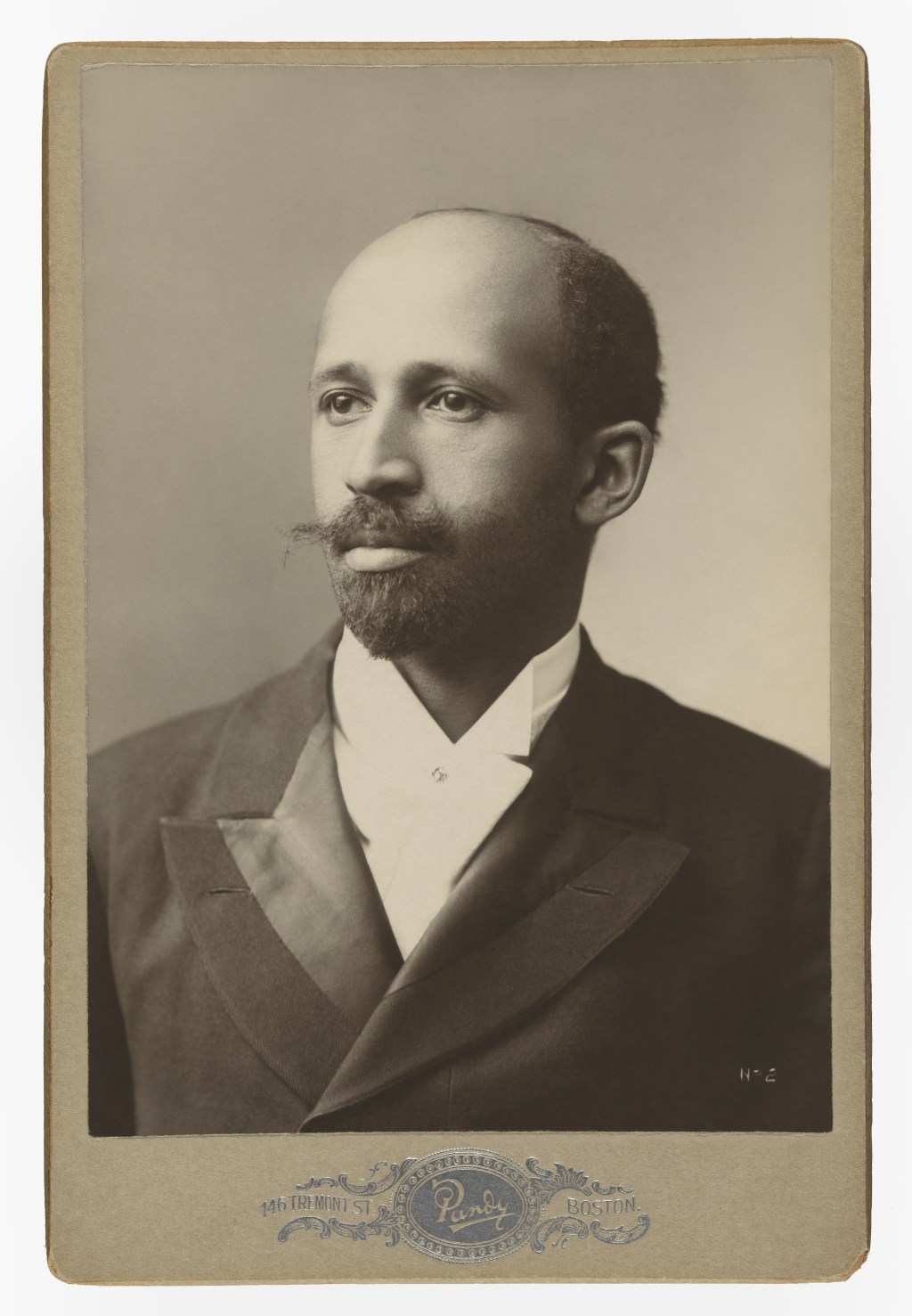
William Edward Burghardt Du Bois (1868-1963) was a prominent African American sociologist and activist. Educated at Fisk University and Harvard, he made significant contributions to historical and social scholarship, including the concept of “double consciousness.” A co-founder of the NAACP, he promoted civil rights and Pan-Africanism, later emigrating to Ghana.
-

Theodor W. Adorno was a significant German philosopher and critical theorist associated with the Frankfurt School. His work, including “Dialectic of Enlightenment,” critiques modern rationality and mass culture’s role in promoting consumerism. Exiled during the Nazi regime, he continued to influence sociology and aesthetics, leaving a lasting intellectual legacy after his death in 1969.
-

Richard D. Wolff, born in 1942, is a leading American economist known for his Marxist perspectives on economic inequality and capitalism critiques. An advocate for worker cooperatives and founder of Democracy at Work, he teaches at The New School and hosts Economic Update, addressing economic topics through a progressive lens. His influential writings emphasize democracy…
-
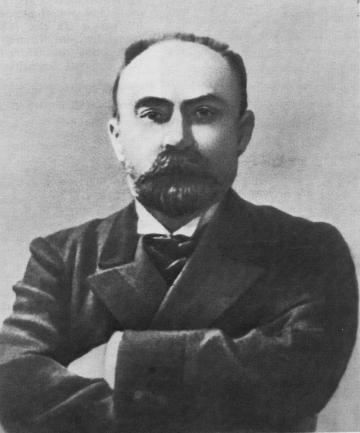
Georgi Plekhanov, born into a minor noble family in Russia, became a pivotal figure in the revolutionary movement, known as the “father of Russian Marxism.” As a writer and philosopher, he laid the theoretical groundwork for socialism in Russia, opposing populism and promoting proletarian revolution. He died in 1918, critiquing Bolshevik tactics.
-

Heinz Kapelle (1913-1941) was a German communist and anti-fascist activist symbolizing resistance against the Nazi regime. Born in a working-class family, his activism grew amidst the rise of fascism. Arrested for high treason, he was executed for his unwavering commitment to his ideals. Kapelle’s legacy inspires ongoing struggles for social justice.
-

Eugene V. Debs, born to French immigrant parents in 1855, became a pivotal labor leader and socialist. He co-founded the American Railway Union, led the Pullman Strike, and ran for president five times. His anti-war activism during World War I led to imprisonment. Debs’ legacy endures as a champion for workers’ rights and social justice.
-
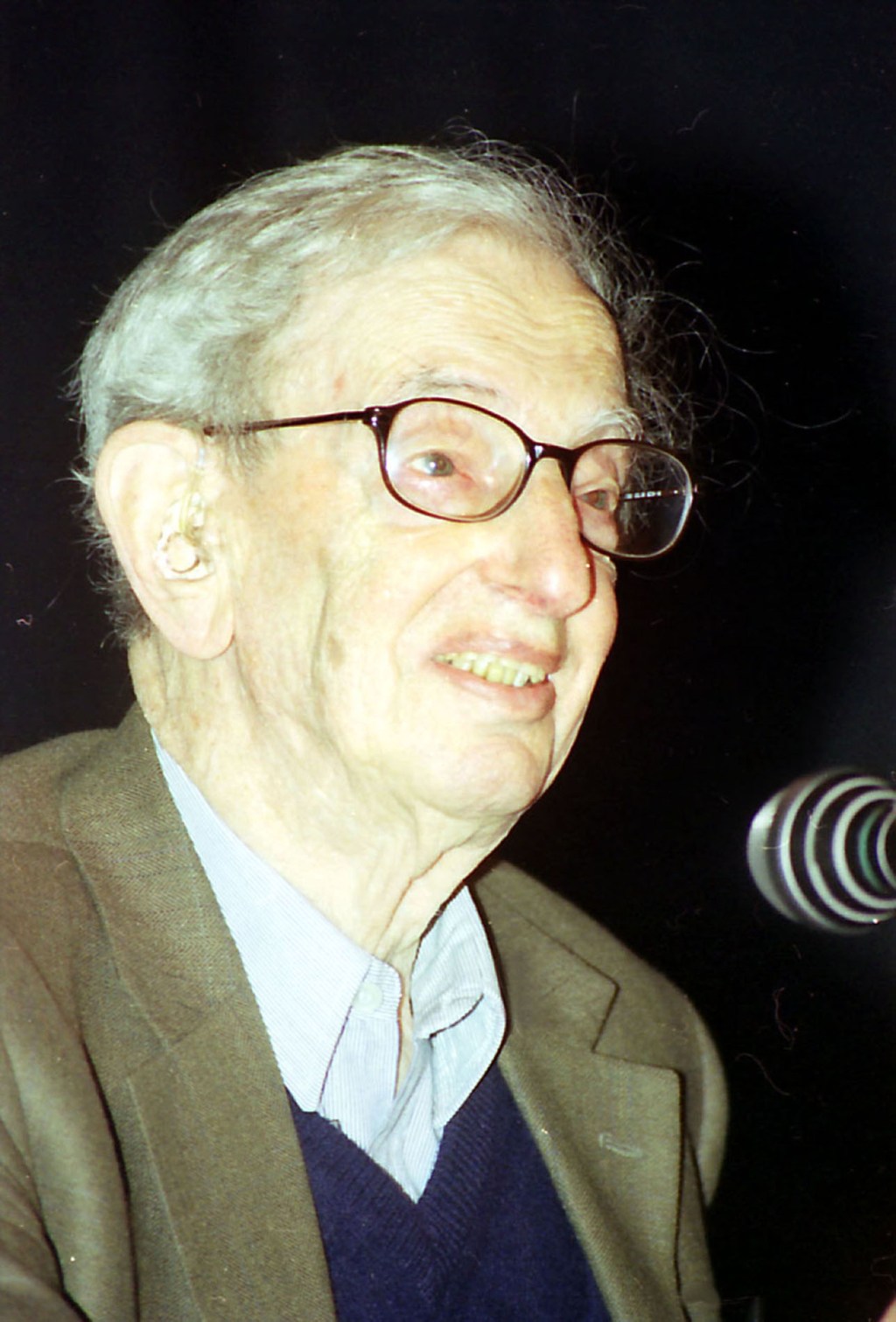
Eric Hobsbawm, a prominent historian born in Egypt, shaped by his experiences in Europe, had a significant academic career focused on social and economic history. A lifelong Marxist, he critiqued capitalism and imperialism while advocating for nuanced historical understanding. Hobsbawm authored influential works, leaving an enduring intellectual legacy upon his death in 2012.
-
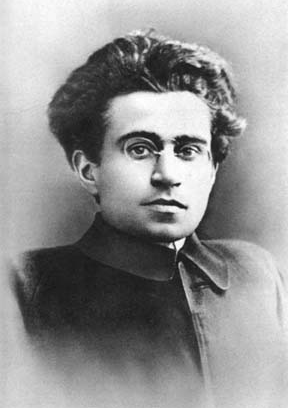
Antonio Gramsci (1891–1937) was an Italian Marxist philosopher known for his concept of cultural hegemony, significantly impacting political and cultural theory. Despite a challenging early life, he became a leading figure in the Italian Communist Party. His imprisonment led to influential writings, like the Prison Notebooks, shaping modern thought on power and resistance.
-

Palmiro Togliatti, born in 1893 in Italy, co-founded the Italian Communist Party in 1921 and became its leader while in exile after Mussolini’s rise. Returning in 1944, he influenced post-war Italy and promoted a democratic socialism approach. He passed away in 1964, leaving a significant political legacy in Europe.
-
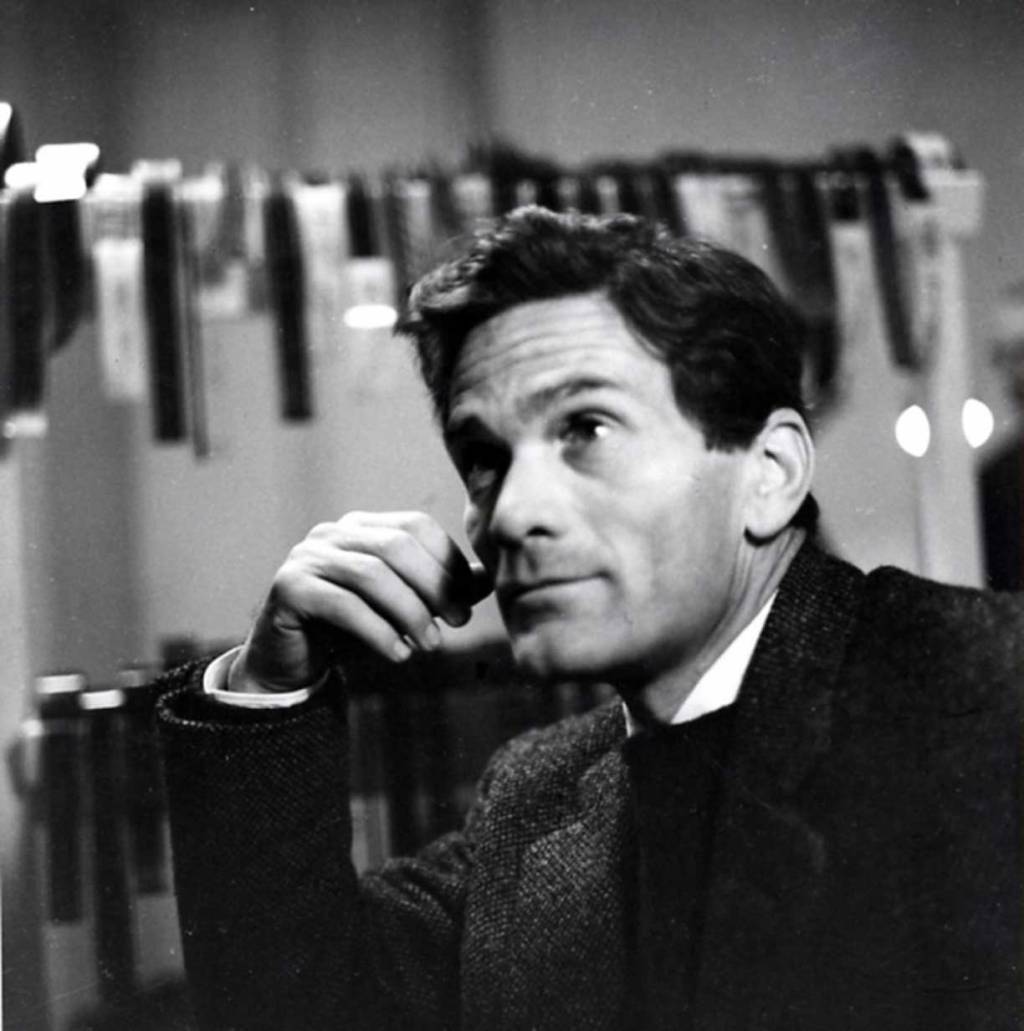
Pier Paolo Pasolini, born in 1922 in Bologna, was a prolific Italian writer and filmmaker known for his social realism and critiques of bourgeois values. His works, including poetry, novels, and films, explored marginalized communities and taboo subjects. Pasolini’s controversial death in 1975 elevated his legacy as a significant cultural figure influencing literature and cinema.

