Socialist Hall of Fame
-

Eugene V. Debs, born to French immigrant parents in 1855, became a pivotal labor leader and socialist. He co-founded the American Railway Union, led the Pullman Strike, and ran for president five times. His anti-war activism during World War I led to imprisonment. Debs’ legacy endures as a champion for workers’ rights and social justice.
-
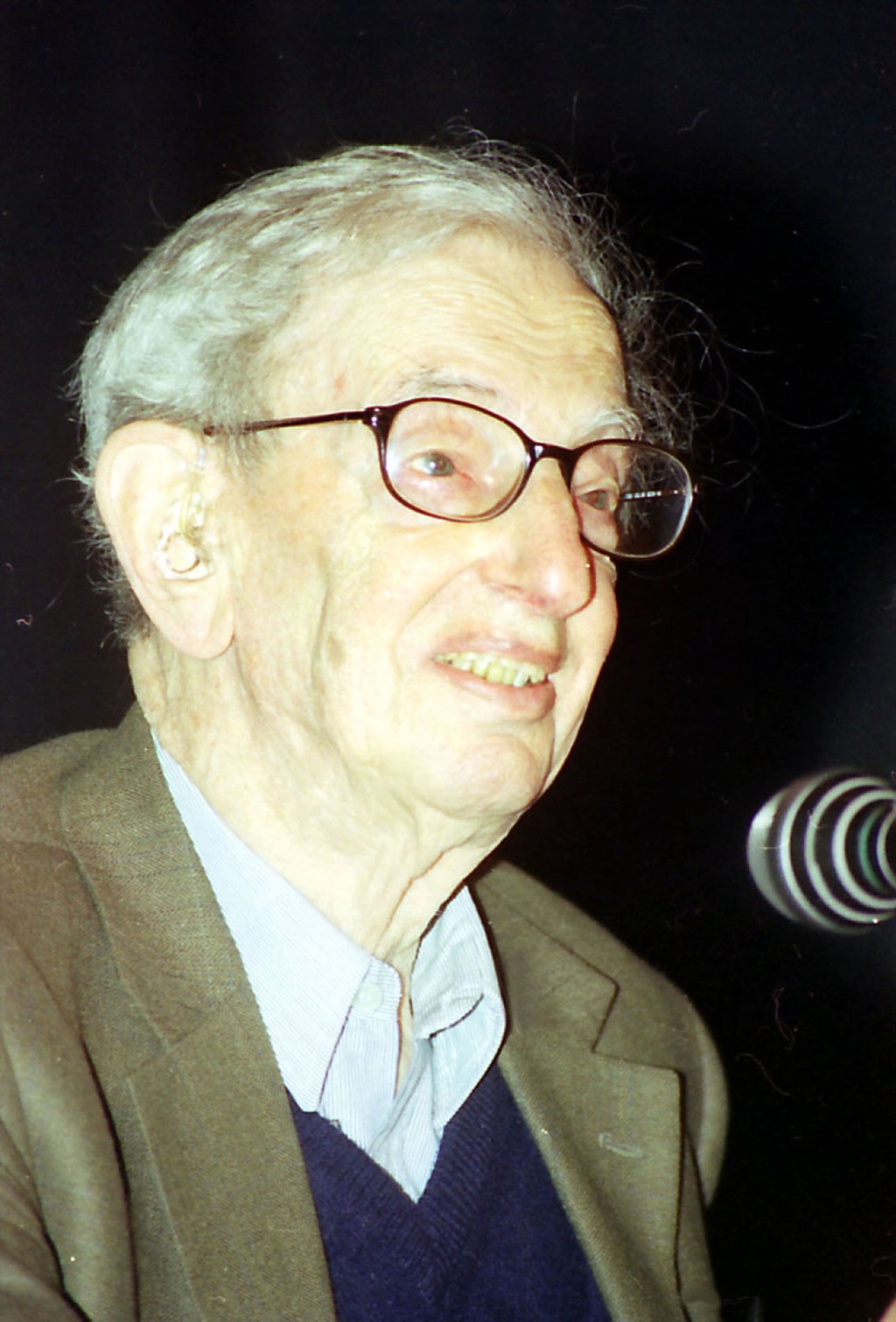
Eric Hobsbawm, a prominent historian born in Egypt, shaped by his experiences in Europe, had a significant academic career focused on social and economic history. A lifelong Marxist, he critiqued capitalism and imperialism while advocating for nuanced historical understanding. Hobsbawm authored influential works, leaving an enduring intellectual legacy upon his death in 2012.
-
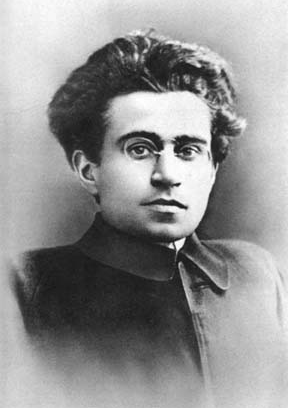
Antonio Gramsci (1891–1937) was an Italian Marxist philosopher known for his concept of cultural hegemony, significantly impacting political and cultural theory. Despite a challenging early life, he became a leading figure in the Italian Communist Party. His imprisonment led to influential writings, like the Prison Notebooks, shaping modern thought on power and resistance.
-

Palmiro Togliatti, born in 1893 in Italy, co-founded the Italian Communist Party in 1921 and became its leader while in exile after Mussolini’s rise. Returning in 1944, he influenced post-war Italy and promoted a democratic socialism approach. He passed away in 1964, leaving a significant political legacy in Europe.
-
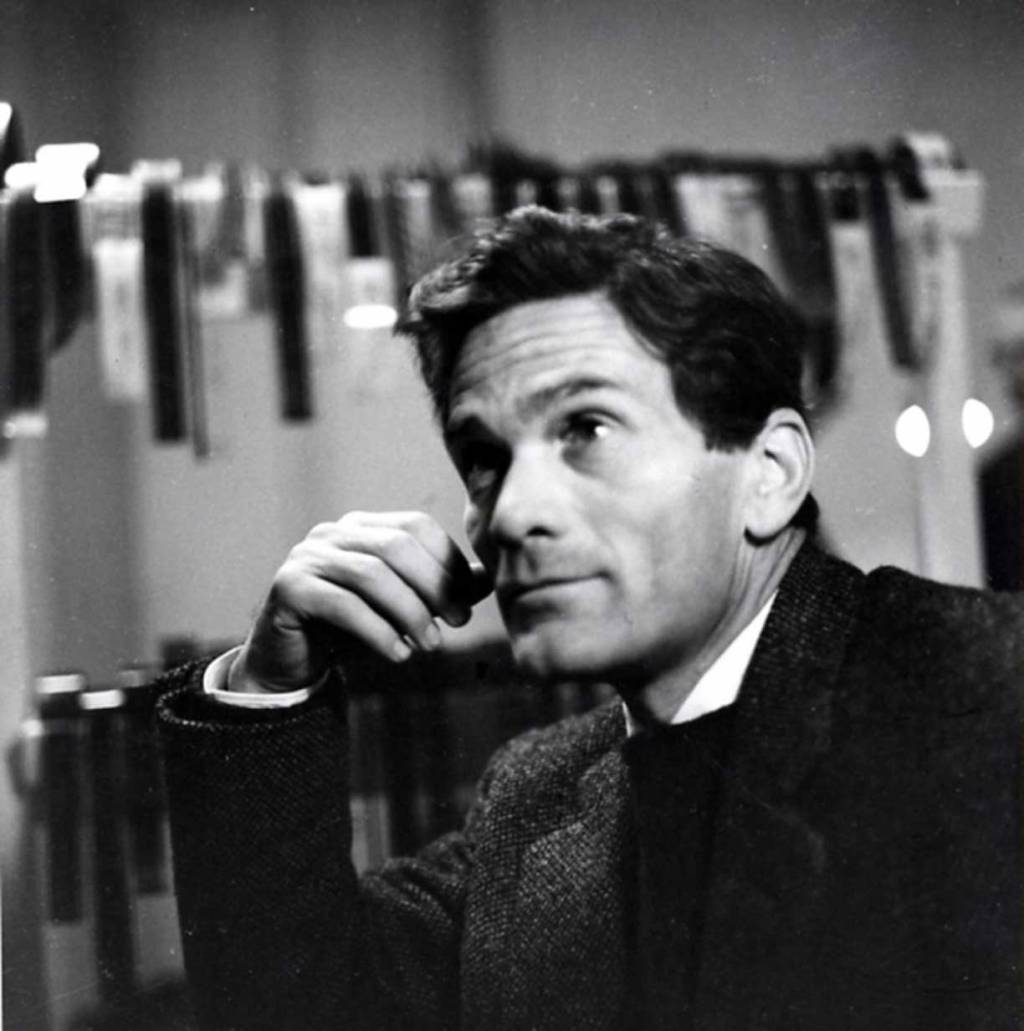
Pier Paolo Pasolini, born in 1922 in Bologna, was a prolific Italian writer and filmmaker known for his social realism and critiques of bourgeois values. His works, including poetry, novels, and films, explored marginalized communities and taboo subjects. Pasolini’s controversial death in 1975 elevated his legacy as a significant cultural figure influencing literature and cinema.
-

Ruth Wilson Gilmore, born in 1950 in New Haven, Connecticut, is a prominent academic and activist renowned for her work on carceral geography and the prison-industrial complex. A professor at CUNY, she co-founded multiple organizations advocating for prison abolition. Her influential scholarship examines incarceration’s spatial aspects and intersections with race and labor.
-
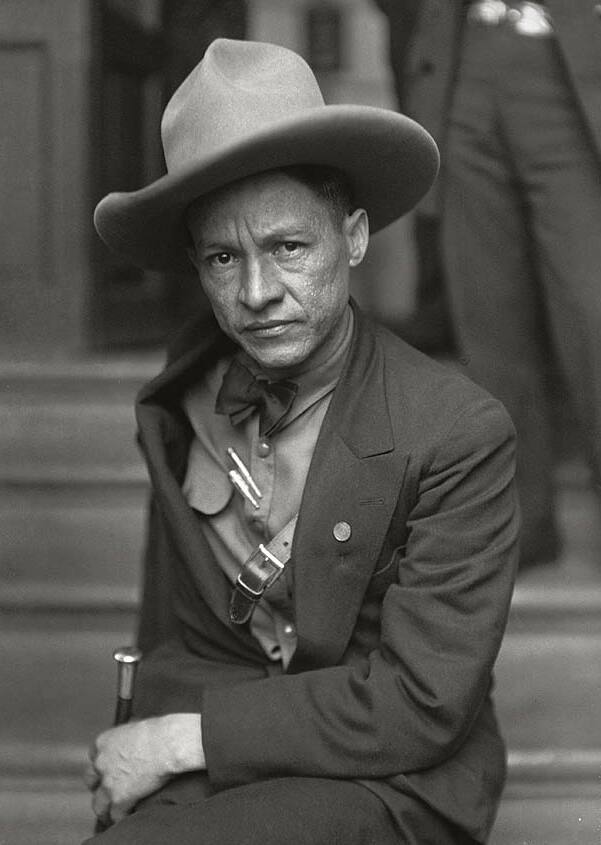
I reflect on their “Socialism’s Hall of Fame,” highlighting figures like Augusto Sandino, a revolutionary leader in Nicaragua. The post discusses Sandino’s early life, his fight against U.S. occupation, and his lasting legacy, urging readers to explore the historical impacts of imperialism on Central America through insightful resources like a Jacobin Radio podcast.
-

Luís Carlos Prestes, a Brazilian revolutionary and military leader, significantly impacted the fight for social justice. He led the Prestes Column in the 1920s, became a prominent figure in the Communist movement, and suffered imprisonment after a failed uprising against Getúlio Vargas. Prestes’ legacy endures in Brazil’s political landscape.
-
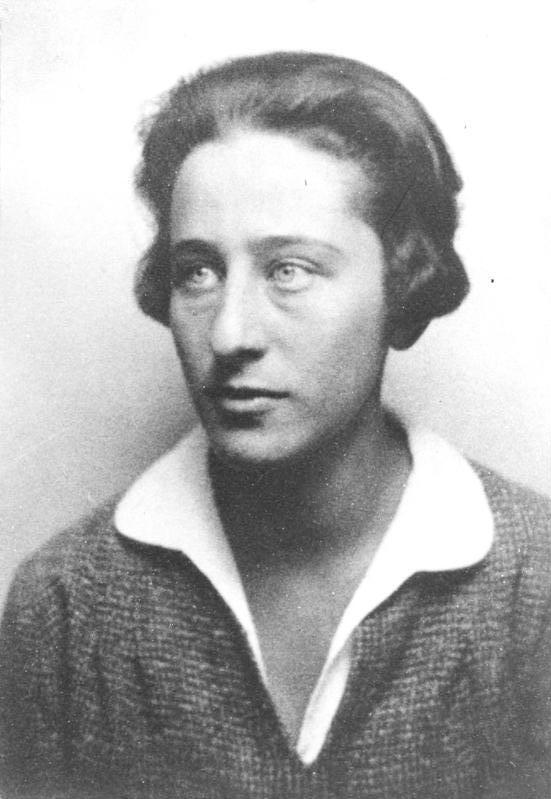
Olga Benário, born in 1908 in Munich, became a notable communist activist after joining the Communist Party of Germany. Her efforts in revolutionary movements led her to Brazil, where she worked alongside Luís Carlos Prestes. Captured and deported to Nazi Germany, she faced persecution and ultimately was executed in 1942. Her legacy symbolizes courage against…
-
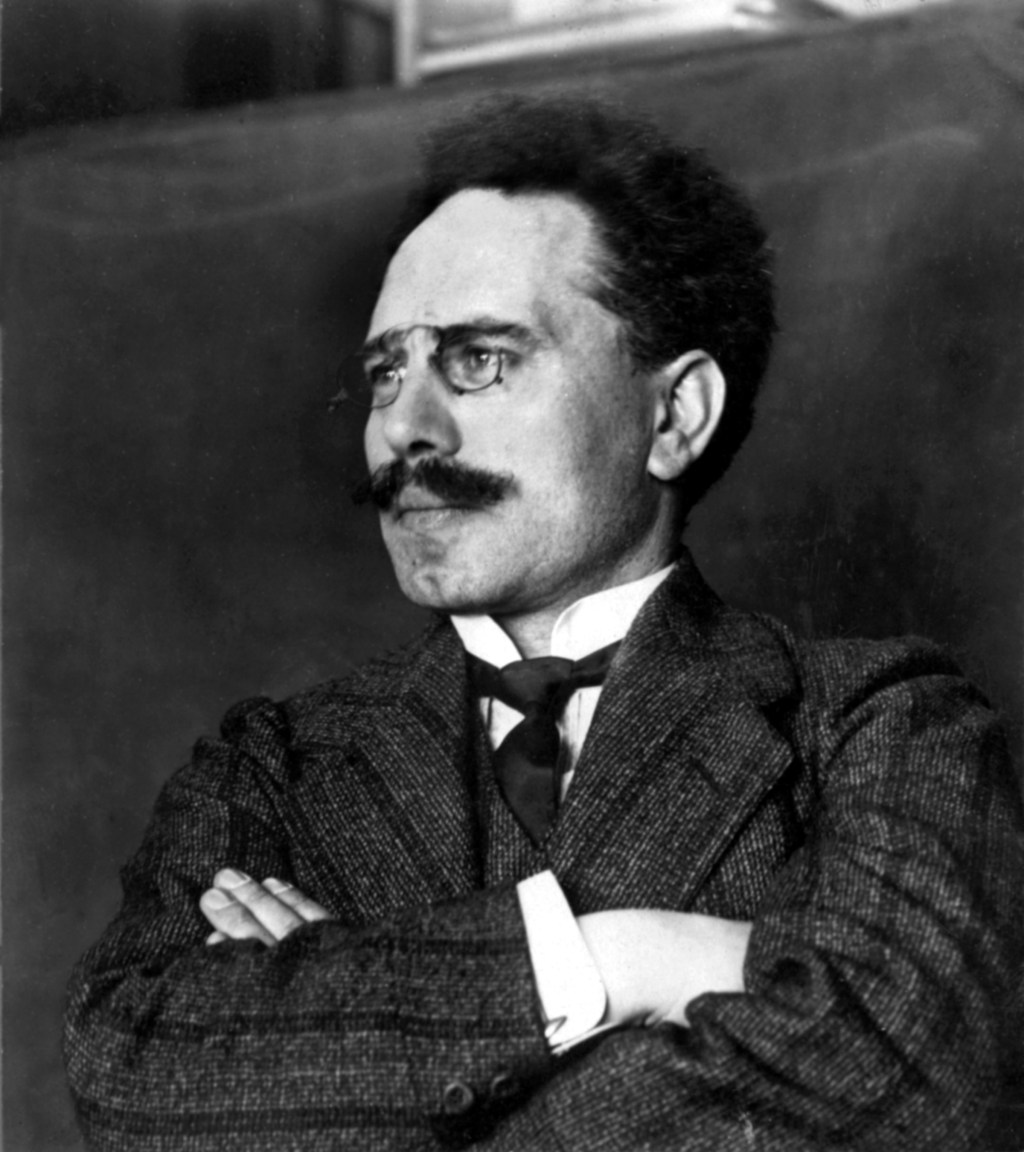
The text highlights the legacy of Karl Liebknecht and Rosa Luxemburg as symbols of socialist resistance against capitalism and militarism. Their contributions to political activism and critical theory have inspired future generations. Despite personal flaws, they embody the ongoing struggle for justice, equality, and workers’ rights, making them enduring figures in socialist history.
 Letters from Tomis