Philosophy
-
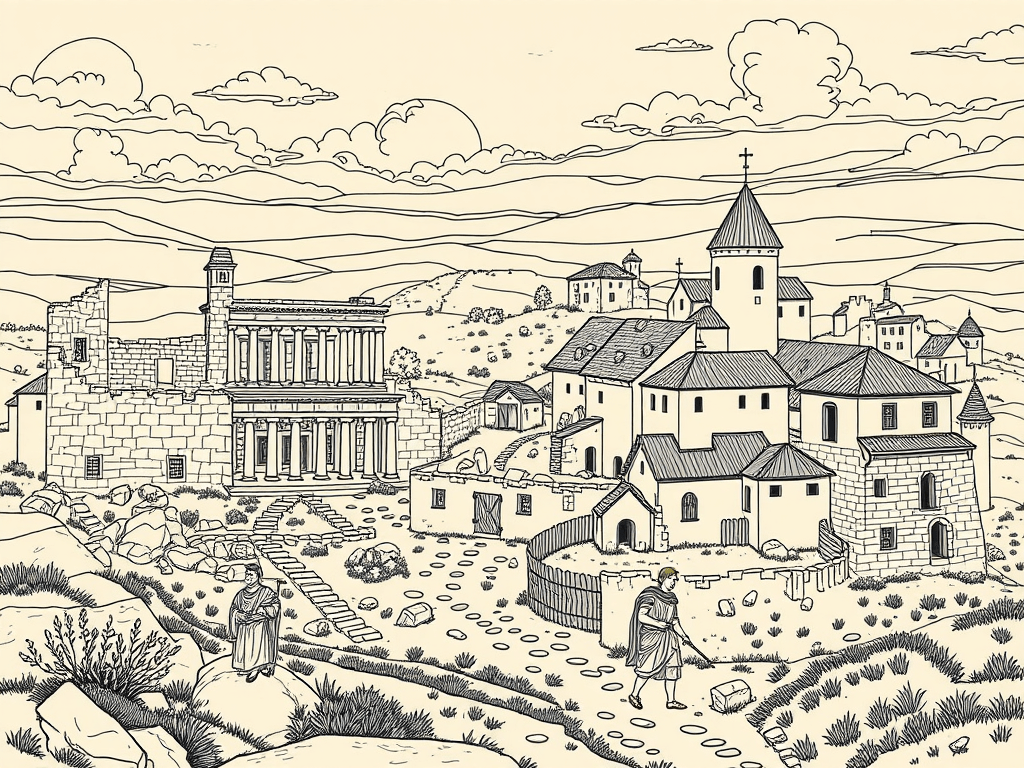
The “Dark Ages” is often viewed as a time of stagnation following the fall of Rome. However, this period involved significant transformations driven by economic and social restructuring, transitioning from slavery to feudalism. The Catholic Church played a key role in unifying fragmented Europe, highlighting the era’s complexity rather than mere darkness.
-

Louis Pierre Althusser, born in Algeria in 1918, was a prominent Marxist philosopher who reinterpreted Marxism through structuralism. His concepts of Ideological State Apparatuses and overdetermination reshaped Marxist thought amid Cold War disillusionment. Despite personal struggles and a controversial legacy, his theories continue to influence critical and cultural studies today.
-
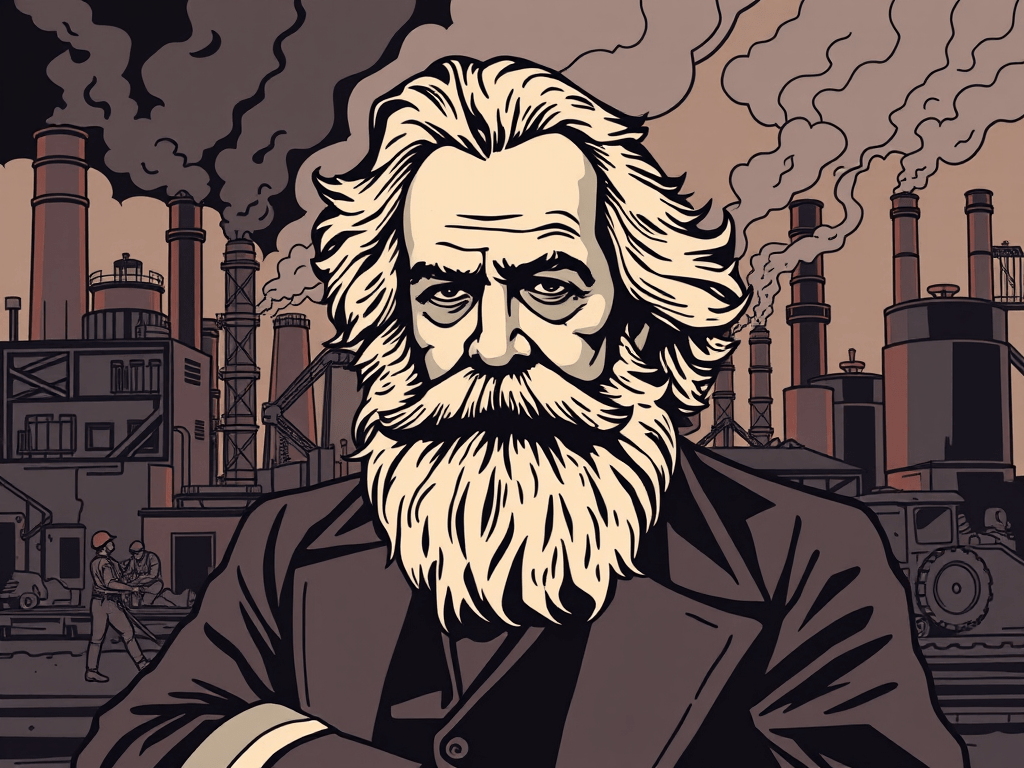
This reflection on historical materialism, inspired by What is Marxism by Sewell and Woods, explores class as a driving force in societal evolution. Marx’s view of class transcends economic status, focusing on relationships to production and the exploitation inherent in capitalism. It emphasizes the importance of class consciousness in revolutionary change and critiques contemporary misunderstandings…
-

The reflections explore humanity’s relationship with nature, emphasizing our similarities with other species while acknowledging our unique traits like language, art, and consciousness. The narrative critiques the arrogance of human superiority, illustrating how our capacity for creation and destruction defines us. Ultimately, it suggests that understanding our place within nature is crucial.
-

Slavoj Žižek’s Looking Awry presents Jacques Lacan’s theories through popular culture, making complex concepts accessible. With clarity and humor, Žižek analyzes films and media, enhancing understanding of psychoanalysis while engaging readers. The book celebrates the interplay of theory and culture, appealing to both scholars and newcomers. Highly recommended for its enriching insights.
-

This content reflects on Walter Benjamin, a pivotal figure in Marxist and critical theory. His works, engaging with art, culture, and modernity, illustrate the destructive impact of capitalism. Benjamin’s profound insights and tragic end underscore his enduring legacy in the humanities, influencing various fields and encouraging revolutionary thought.
-

The text explores the distinctions between determinism and fatalism. Determinism asserts that human actions are caused by preceding conditions, allowing for meaningful freedom, while fatalism posits that outcomes are preordained, rendering human efforts meaningless. Embracing determinism encourages responsibility and progress, while fatalism leads to passivity and despair.
-
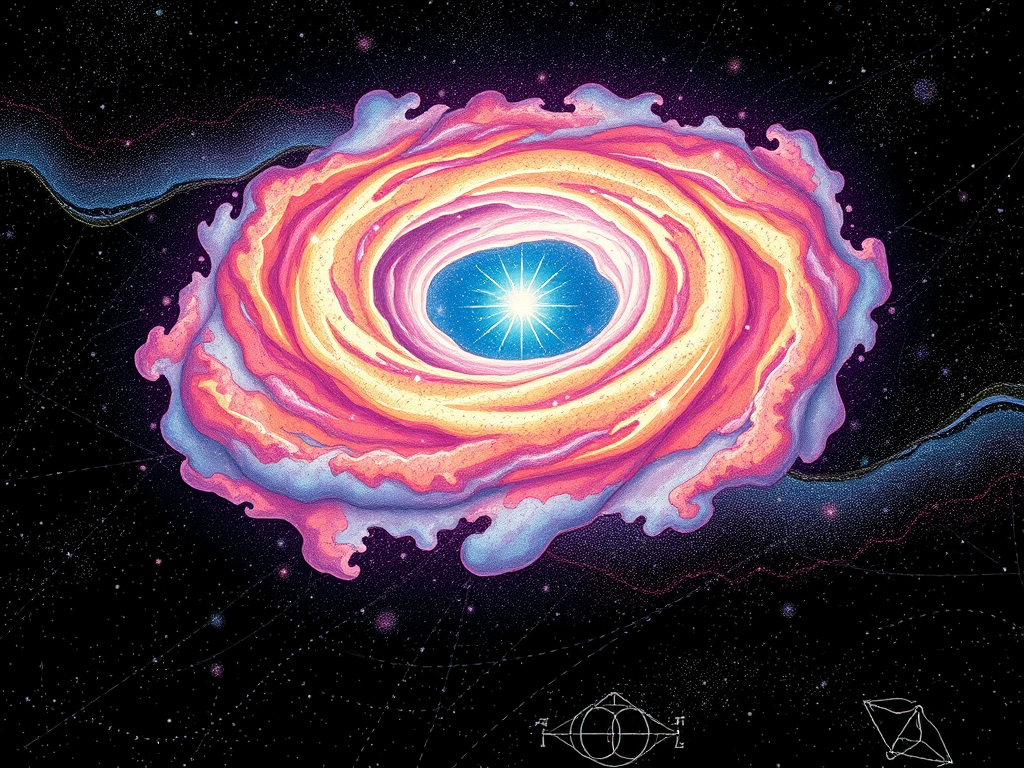
The inquiry into whether the universe had a beginning captivates theologians, philosophers, and scientists. While religion offers a divine explanation, science presents the Big Bang theory. Both perspectives reveal our ignorance and underscore the limits of human understanding. Embracing doubt fosters wisdom and humility in exploring existence’s mysteries.
-

Dialectical materialism, rooted in Marxist philosophy, interprets societal change through material contradictions within economic systems. While acknowledging its limitations and critiques, this framework remains relevant in addressing modern challenges like climate change and digital monopolies. Embracing its insights, without rigid dogma, is essential for understanding and navigating our rapidly evolving world.
-

Nature exemplifies a dialectical reality where conflict drives progress and evolution. Rather than a static harmony, it embodies perpetual clashes that shape life systems. These contradictions create order from disorder and highlight humanity’s exploitation of nature, culminating in a precarious balance that demands new resolutions through inevitable struggle.
 Letters from Tomis