Philosophy
-

Jacques Derrida was a prominent twentieth-century French philosopher known for his concept of “deconstruction.” Born in Algeria and educated in France, he challenged traditional philosophy by arguing that meaning is unstable. His influential works included “Of Grammatology” and “Writing and Difference,” significantly affecting multiple disciplines and postmodern thought. He passed away in 2004.
-

Georg Wilhelm Friedrich Hegel was a prominent German philosopher born in 1770, known for his contributions to German Idealism and absolute idealism. His works, including Phenomenology of Spirit and Science of Logic, significantly influenced Western philosophy, shaping areas like Marxism and existentialism. Hegel’s ideas continue to impact theology, political theory, and the sciences.
-

Gilles Deleuze was a notable French philosopher (1925–1995) renowned for his work in philosophy, literary criticism, and film theory. His significant contributions included reinterpretations of historical thinkers and collaboration with Félix Guattari on texts about capitalism and schizophrenia. Deleuze’s ideas on difference and multiplicity reshaped post-structuralist philosophy.
-
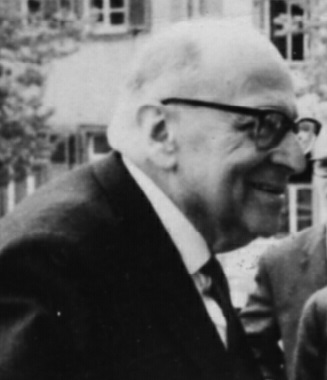
Max Horkheimer (1895–1973) was a prominent German philosopher and sociologist associated with the Frankfurt School. He critiqued modern capitalism and rationality, co-authoring the influential work “Dialectic of Enlightenment.” Exiled during Nazism, he returned after WWII, leaving a lasting impact on critical theory, cultural studies, and political philosophy.
-
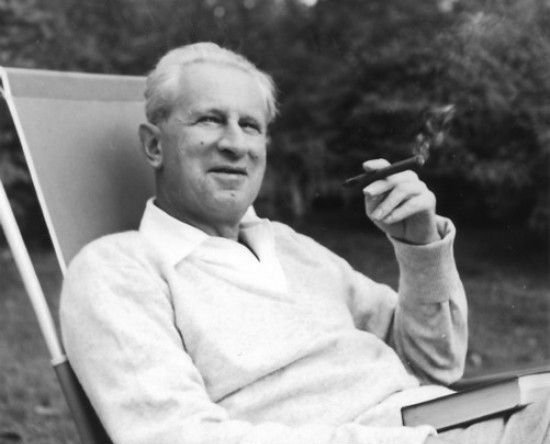
Herbert Marcuse, a German-American philosopher linked to the Frankfurt School, critiqued capitalist societies using Marxist and psychoanalytic theories. Influenced by Heidegger, he fled Nazism and gained fame in the 1960s with One-Dimensional Man, advocating for radical change. Marcuse’s work focused on ideological control, culture, and liberation until his death in 1979.
-

The concept of the “Body Without Organs” (BwO), developed by Deleuze and Guattari, challenges traditional psychoanalysis and metaphysical thought. It represents a body stripped of structured organization, embodying unregulated potential. The BwO visualizes desire as a creative force, advocating freedom from imposed roles, encouraging new connections and identities beyond rigid frameworks.
-

Frederic Jameson, born in 1934, is a prominent Marxist literary critic known for his theories on postmodernism and capitalism. He taught at various prestigious institutions, notably Duke University. His notable works include Postmodernism, or, The Cultural Logic of Late Capitalism and The Political Unconscious, analyzing the intersections of culture and economics.
-

Jacques Lacan, a French psychoanalyst, merged Freudian psychoanalysis with structural and post-structural ideas. His key concepts include the Imaginary, the Symbolic, and the Real, as well as the mirror stage and objet petit a. Lacan’s influence spans psychoanalysis, philosophy, and critical theory, continuing to inspire scholars and clinicians today.
-
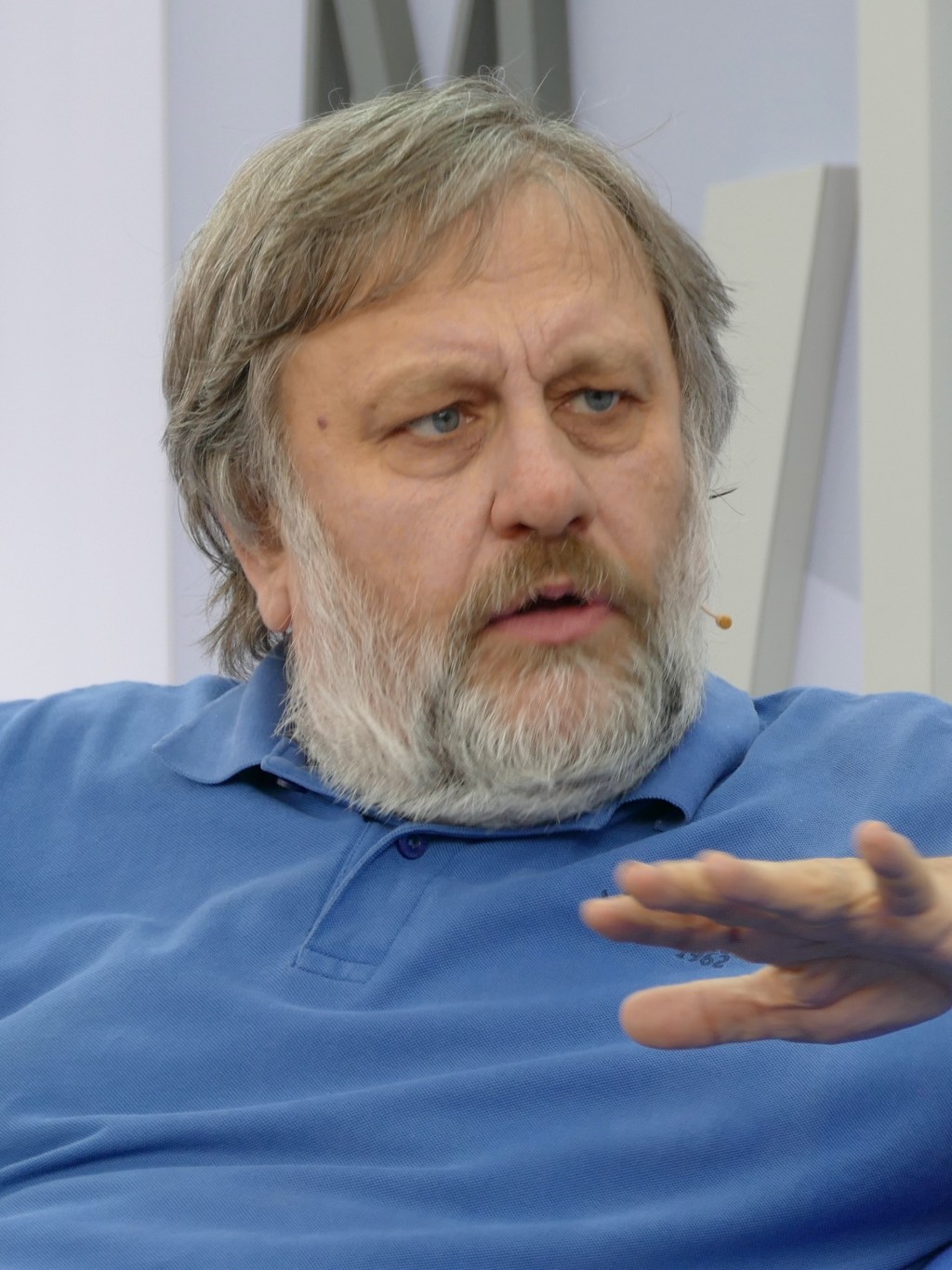
Slavoj Žižek, born in 1949, is a Slovenian philosopher and cultural critic known for his analyses of culture, politics, and psychoanalysis, merging Marxism with Lacanian theory. His works critique ideology and capitalism, with significant contributions to critical theory and political philosophy. He remains influential in academia and public discourse.
-

The German Ideology, co-authored by Karl Marx and Friedrich Engels, critiques idealist philosophy and introduces historical materialism. It argues that material conditions shape societal structures and consciousness. The text examines ideology as a tool for ruling classes, remains relevant for understanding power dynamics, and is essential for exploring Marxist thought and socialism.
 Letters from Tomis