Philosophy
-

Jacques Lacan’s psychoanalytic theory features three interdependent registers: the Imaginary, the Symbolic, and the Real, with the Real as the most complex. This summary explores Lacan’s evolving understanding of the Real throughout his career, examining its distinctions from the other orders, its role in human experience, and its implications for psychoanalysis.
-
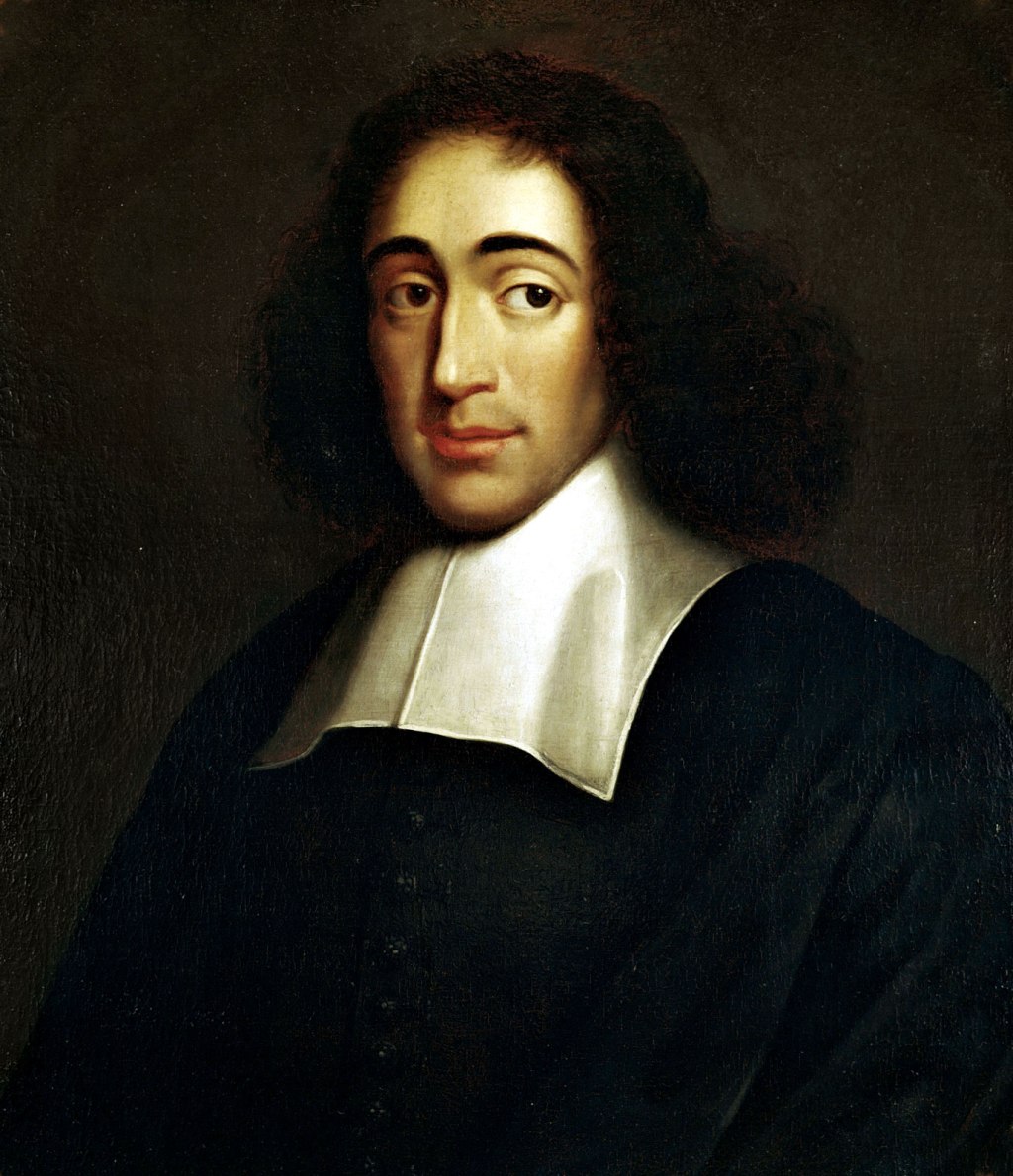
Baruch Spinoza (1632–1677) was a pivotal figure in Western philosophy, known for his radical rationalism and monistic metaphysics. Excommunicated from his Jewish community, he promoted a naturalistic view of religion, emphasizing the unity of God and Nature. Influencing modern thought, Spinoza’s ideas sparked debates on ethics, freedom, and political theory.
-
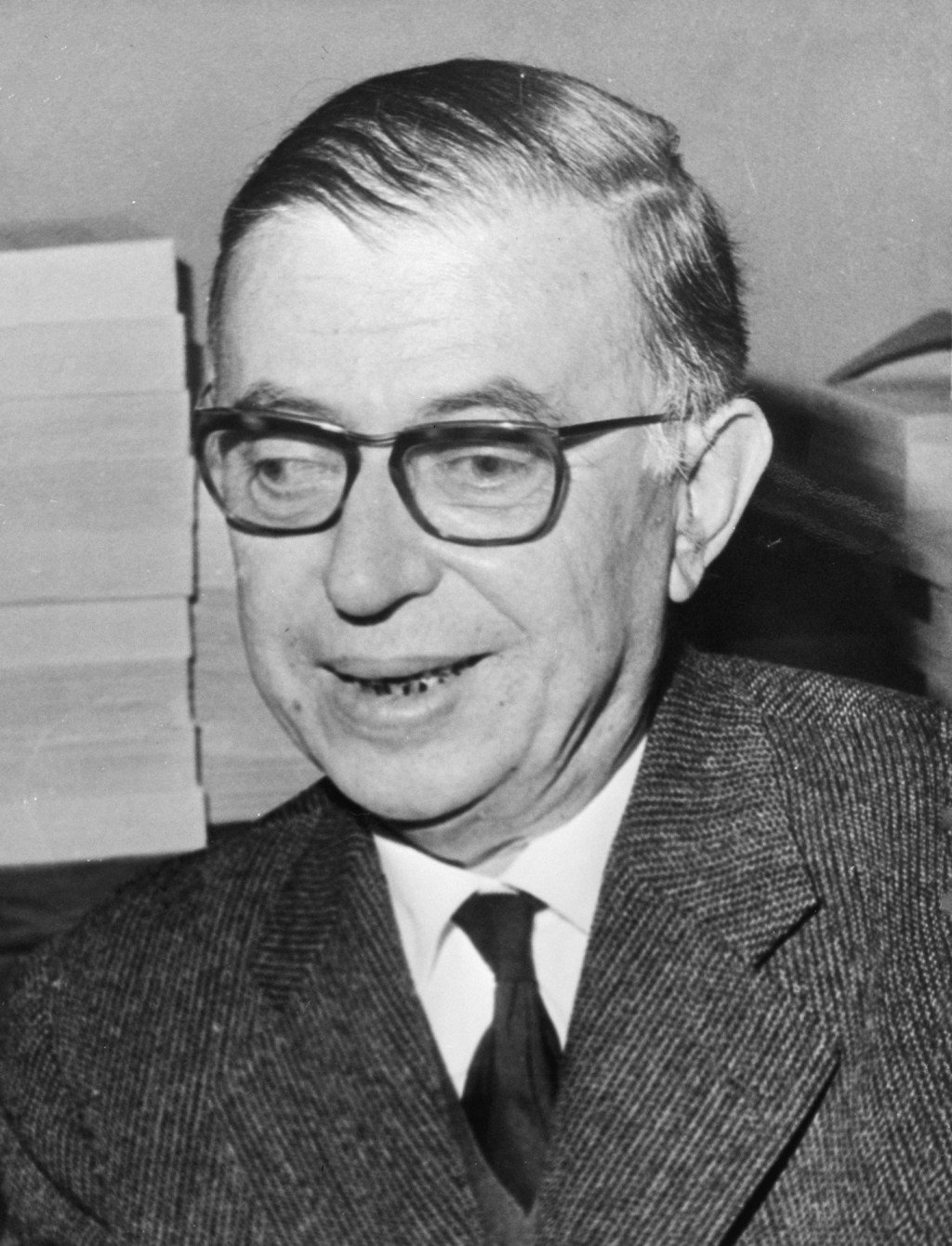
Jean-Paul Sartre (1905–1980) was a pivotal French existentialist philosopher whose works examined human freedom and responsibility in an indifferent universe. His book “Being and Nothingness” established foundational existentialist ideas. A prolific novelist and playwright, he also engaged in political activism and declined the Nobel Prize in Literature, emphasizing intellectual independence.
-
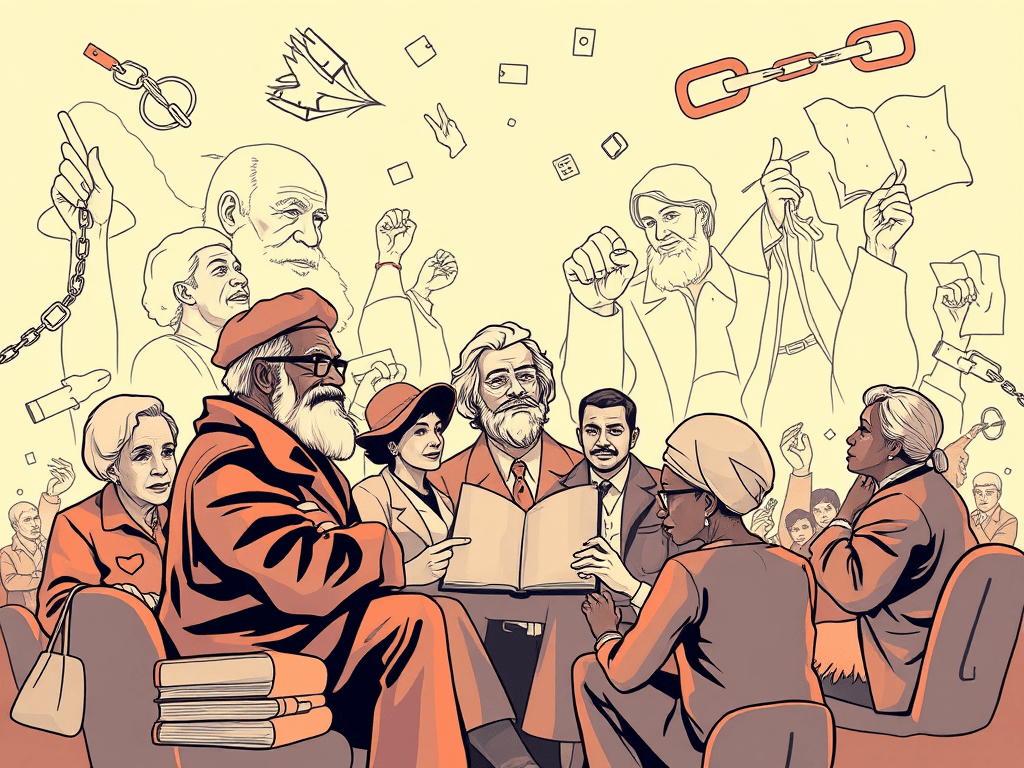
Marxist humanism emphasizes human freedom, drawing from early Marx’s ideas on alienation and emancipation. Emerging in the 1960s, it critiqued bureaucratic socialism, blending Marxism with Hegelian themes. The tradition addresses global issues like decolonization, ecology, and social justice, advocating for a socialism centered on human dignity and needs.
-
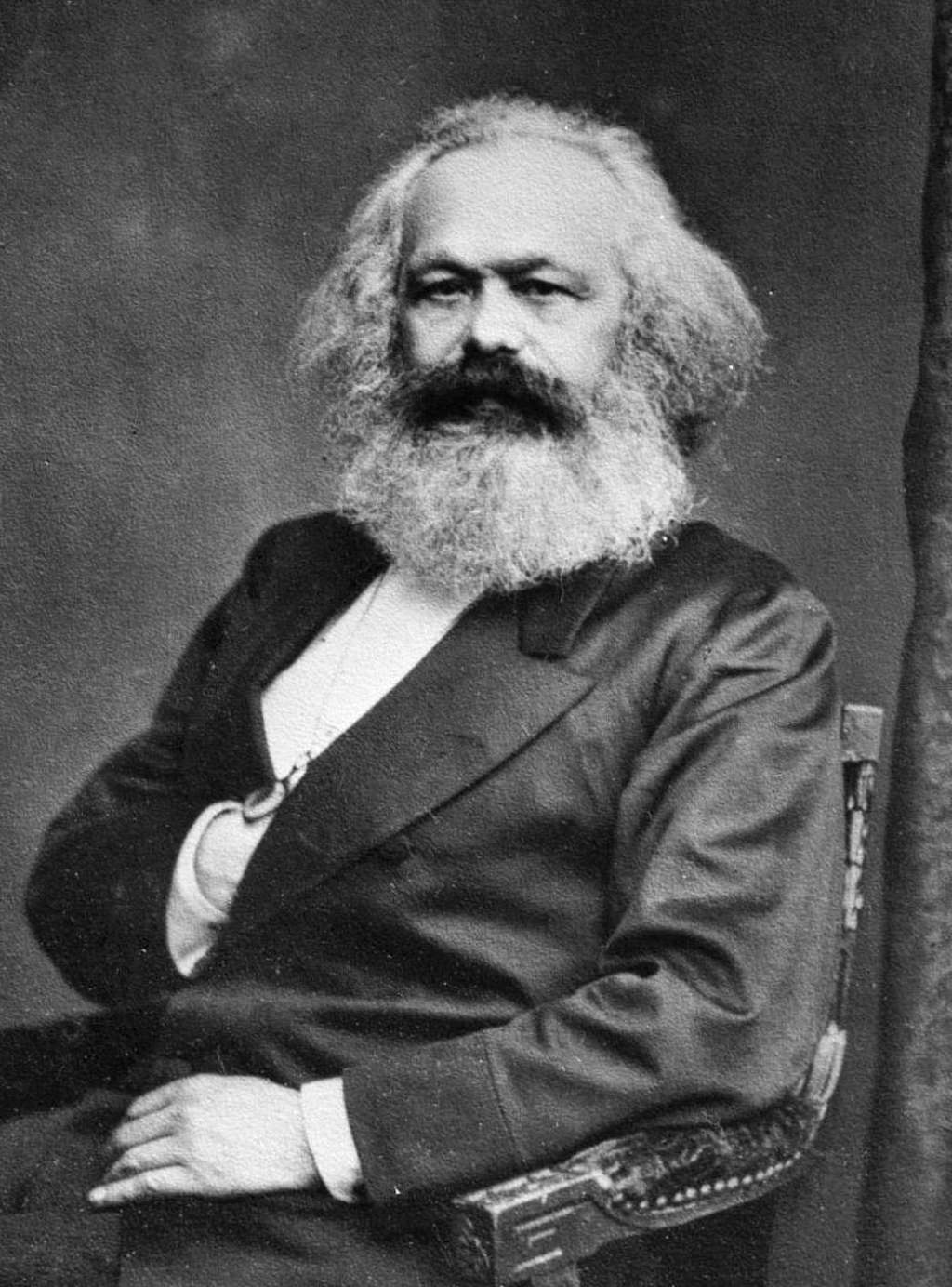
My Socialist Hall of Fame During this chaotic era of vile rhetoric and manipulative tactics from our so-called bourgeois leaders, I am invigorated by the opportunity to reflect on Socialists, Revolutionaries, Philosophers, Guerrilla Leaders, Partisans, and Critical Theory titans, champions, and martyrs who paved the way for us—my own audacious “Socialism’s Hall of Fame.” These…
-

Nancy Fraser, an influential American philosopher and critical theorist, specializes in political philosophy, feminist theory, and social criticism. Known for her dual framework of “redistribution and recognition,” Fraser critiques neoliberalism and capitalism’s effects on democracy. Her work addresses social justice, gender, race, and class, advocating for inclusive democratic deliberation.
-

Friedrich Engels’ The Origin of the Family, Private Property and the State remains vital in Marxist theory, analyzed in the 2020 Wellred Books edition. Rob Sewell’s introduction contextualizes Engels’ claims on the evolution of family, property, and state, especially regarding gender inequality. This edition enhances accessibility and relevance for contemporary discussions on social inequality.
-
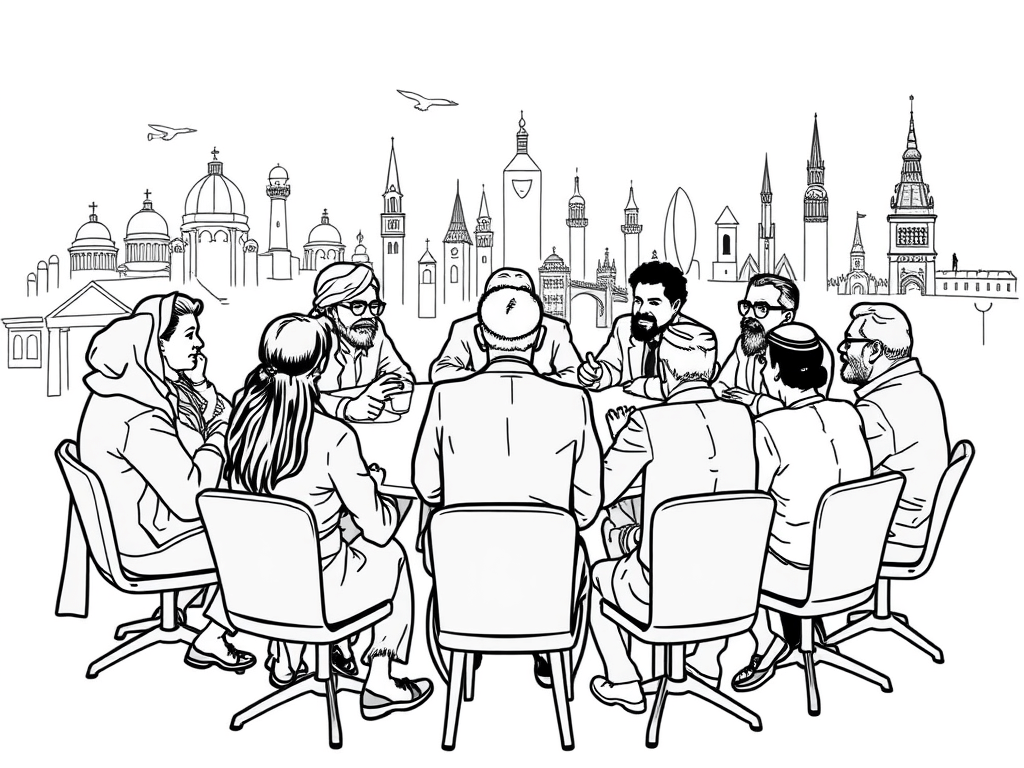
Between 2015 and 2025, Marxist philosophy revived globally, reshaping itself through dialogues with feminism, critical race theory, and ecological thought. Influential figures emerged in various regions, enriching traditional Marxism by addressing contemporary socio-economic and environmental issues. This evolution reflects Marxism’s adaptability in confronting modern challenges and diverse forms of oppression.
-

Marx’s theory of alienation, addressing workers’ estrangement under capitalism, remains relevant today. Contemporary theorists like Harvey, Fraser, and Žižek extend this concept to digital labor and ecological crises, emphasizing how modern capitalism deepens alienation through technological control and environmental degradation. Structural changes are essential for overcoming these pervasive estrangements.
-

The concept of commodity fetishism, as discussed by Marx, highlights how capitalism obscures social relations behind commodity production, attributing value to objects instead of labor. Contemporary Marxist theorists, like Žižek, Harvey, and Jameson, extend this analysis, particularly in the digital age, illustrating how digital commodities further mystify labor and social connections.
 Letters from Tomis