New York City
-

Robert A. Caro’s The Power Broker examines the life of Robert Moses and the nature of power in twentieth century America. Through extensive research, Caro reveals Moses’s manipulation of bureaucratic structures to evade democracy while perpetuating class and racial inequalities in urban development. The book raises critical questions about institutional authority and democratic accountability.
-
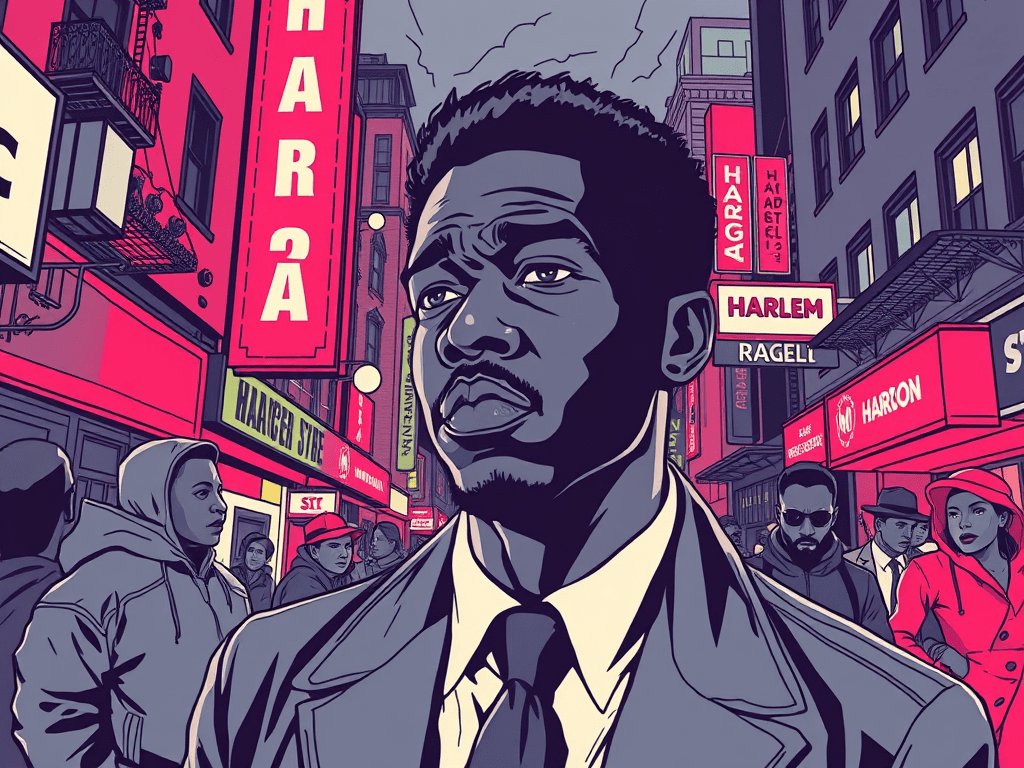
Cotton Comes to Harlem critiques racial capitalism, revealing how Black aspirations are commodified and exploited. Himes employs the detective genre to showcase the permanence of social contradictions linked to exploitation. Through a chaotic narrative, the novel emphasizes that change requires transforming economic systems rather than relying on superficial reforms.
-
Chester Himes’s The Crazy Kill presents Harlem not merely as a setting but as a politically charged environment shaped by exploitation and violence rooted in racial capitalism. The novel critiques traditional detective fiction by revealing systemic issues rather than restoring order, portraying violence as a product of societal constraints and illustrating the complexities of policing…

