Marxist Economics
-

The essay explores the evolving role of money in a future socialist society, building on Marxist theory. It argues that money, as a medium of exploitation under capitalism, would eventually wither away or transform in socialism, leading to direct social production and distribution. Initial transitional phases may involve labor vouchers, but these too would vanish…
-

Karl Marx’s economic theories emphasize class struggle as the driving force behind societal change and historical evolution. Central concepts include the labor theory of value, surplus value, and historical materialism, which illustrate the antagonistic relationship between the bourgeoisie and proletariat. This conflict reflects broader socio-economic dynamics, ultimately predicting a revolutionary transition towards socialism and communism.
-
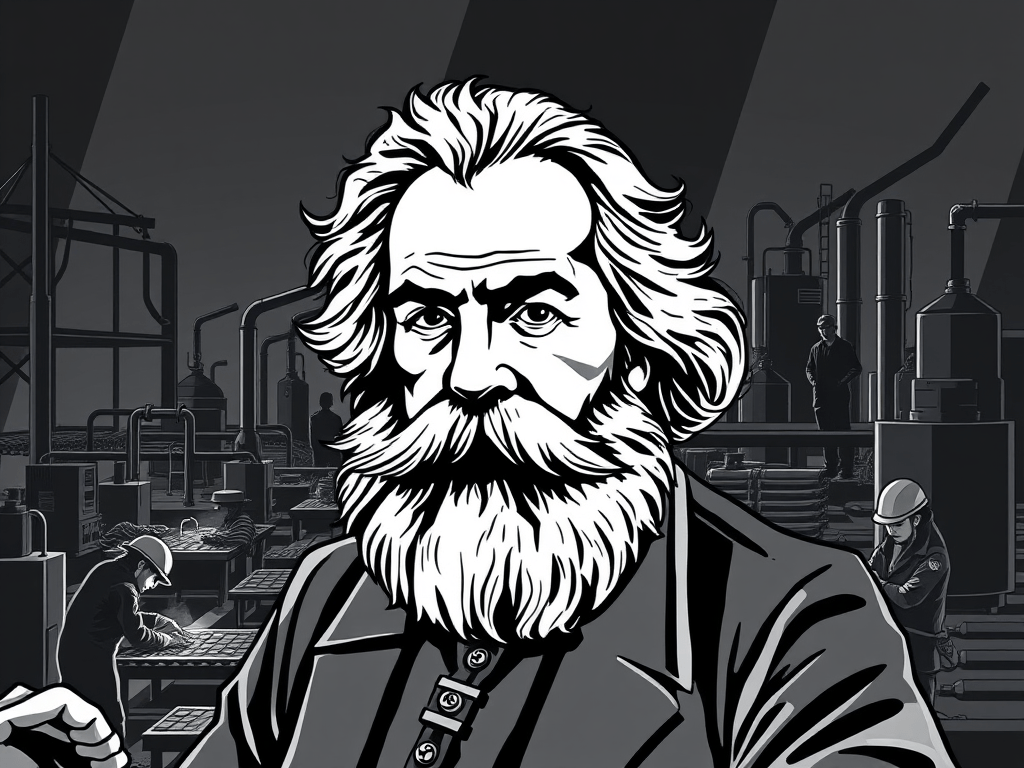
Marxist economic theory critiques capitalism by revealing systemic contradictions that lead to recurring crises. Central to this theory is surplus value, where workers’ labor generates profit for capitalists. The tendency of profit rates to fall exacerbates overproduction and underconsumption, creating inevitable economic downturns, indicating capitalism’s inherent instability and crisis-prone nature.
-
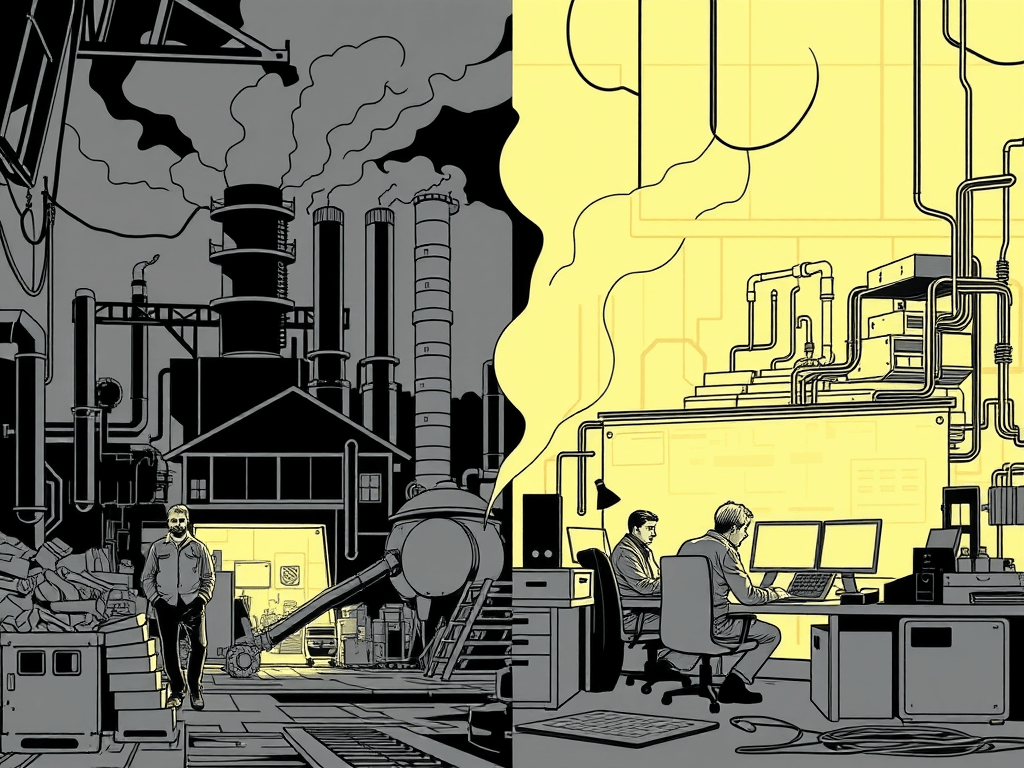
The content explores how capitalism distorts human labor into abstract value through Karl Marx’s labor theory of value. It differentiates between absolute and relative surplus value, highlighting methods of exploitation. Marx’s insights reveal value as socially constructed, influenced by class struggle rather than individual preference, challenging the foundations of capitalist society.
-
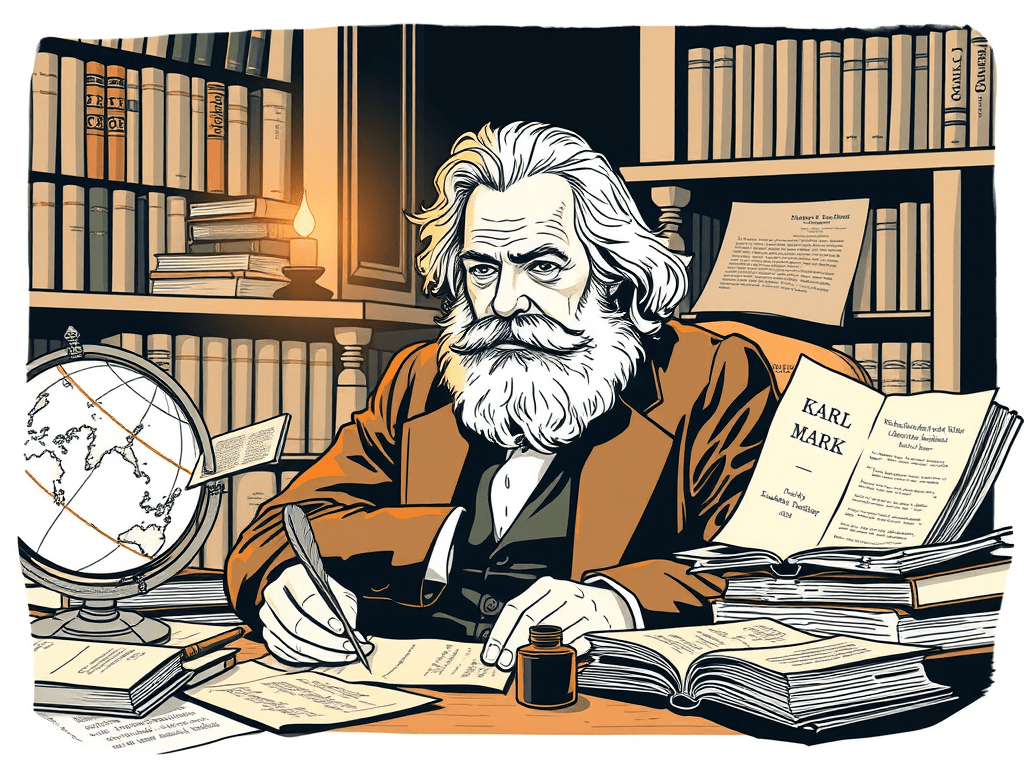
The text explores Marx’s theory of surplus value, asserting that profit under capitalism originates solely from labor. Marx critiques classical economics for failing to explain profit, emphasizing that surplus arises in production rather than circulation. By highlighting the exploitation of labor, he reveals how capital accumulates wealth through unpaid worker contributions.
-
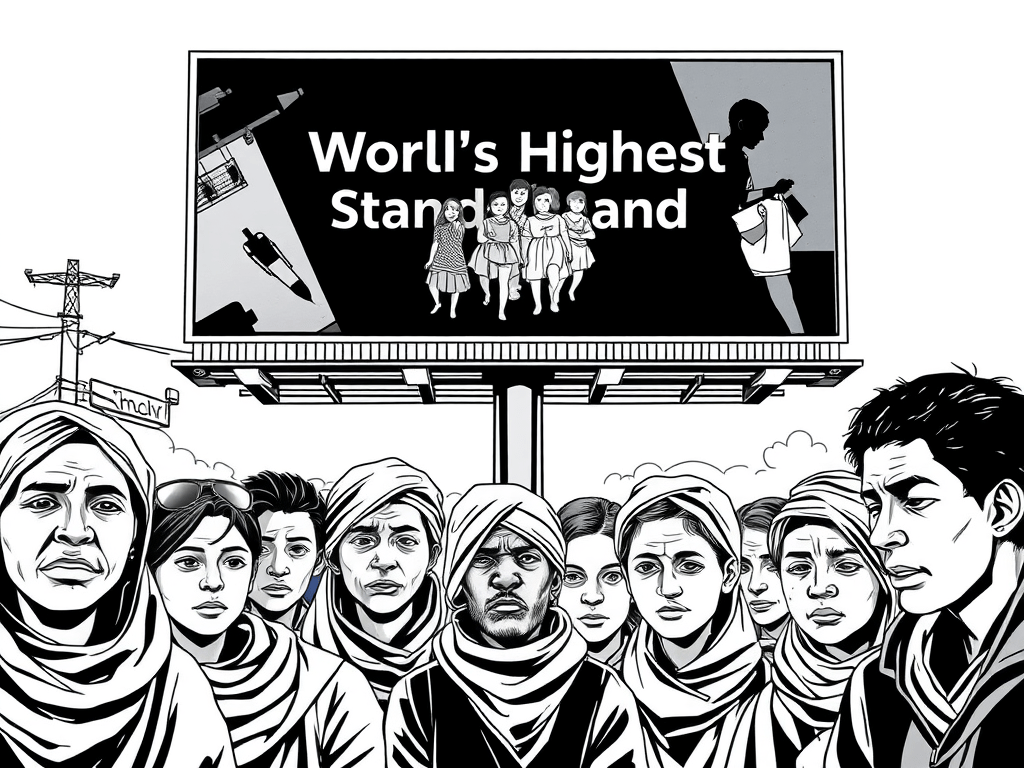
The concept of “under-consumption” highlights the paradox of poverty amidst abundance in capitalism, where overproduction leads to unsold goods while many lack means to purchase essentials. This systemic issue, rooted in class exploitation and wage suppression, consistently results in economic crises, revealing flaws in capitalist distribution, not consumer behavior.
-
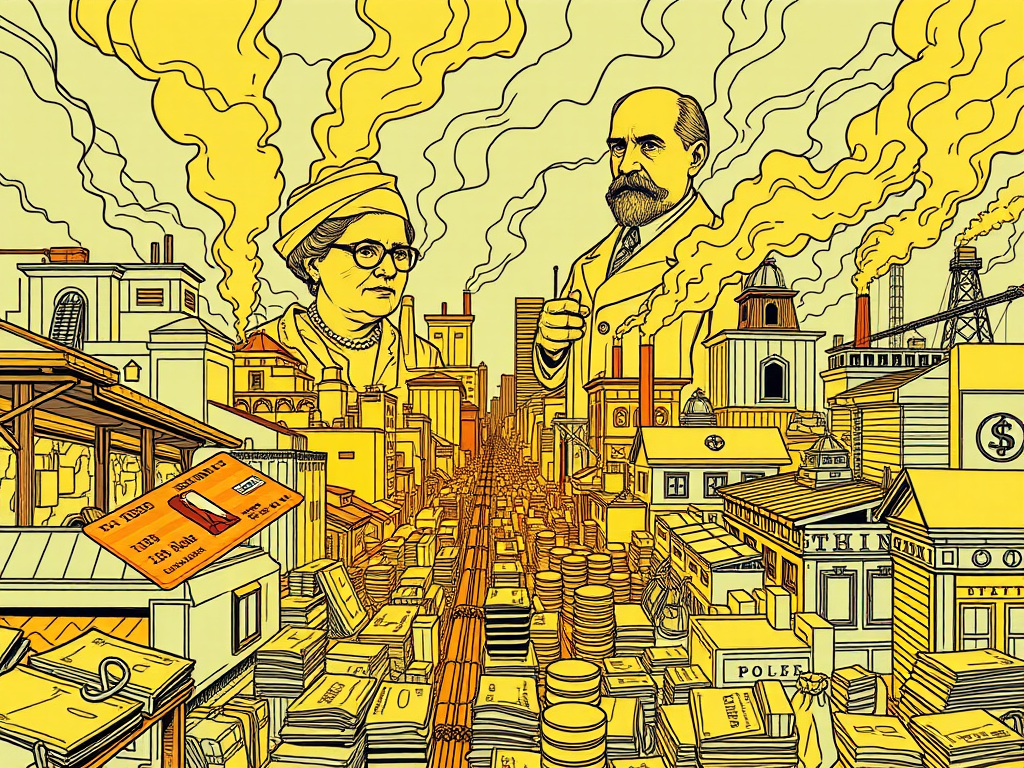
The content explores the dual nature of credit in capitalism, as both a lifeline and a noose. It critically examines how figures like Marx, Luxemburg, and Lenin understood credit as a mechanism allowing capitalism to expand and exploit, ultimately warning of inevitable crises due to unsustainable debt. The analysis highlights historical and contemporary global economic…
-

The article critiques capitalism’s taxation system through a Marxist lens, arguing it reflects class struggle, particularly benefiting the bourgeoisie at the expense of the working class. Marxists propose utilizing taxation as a tool for redistribution while advocating for deeper social change to abolish class divides. Taxation’s flaws highlight systemic inequalities in capitalist societies.
-
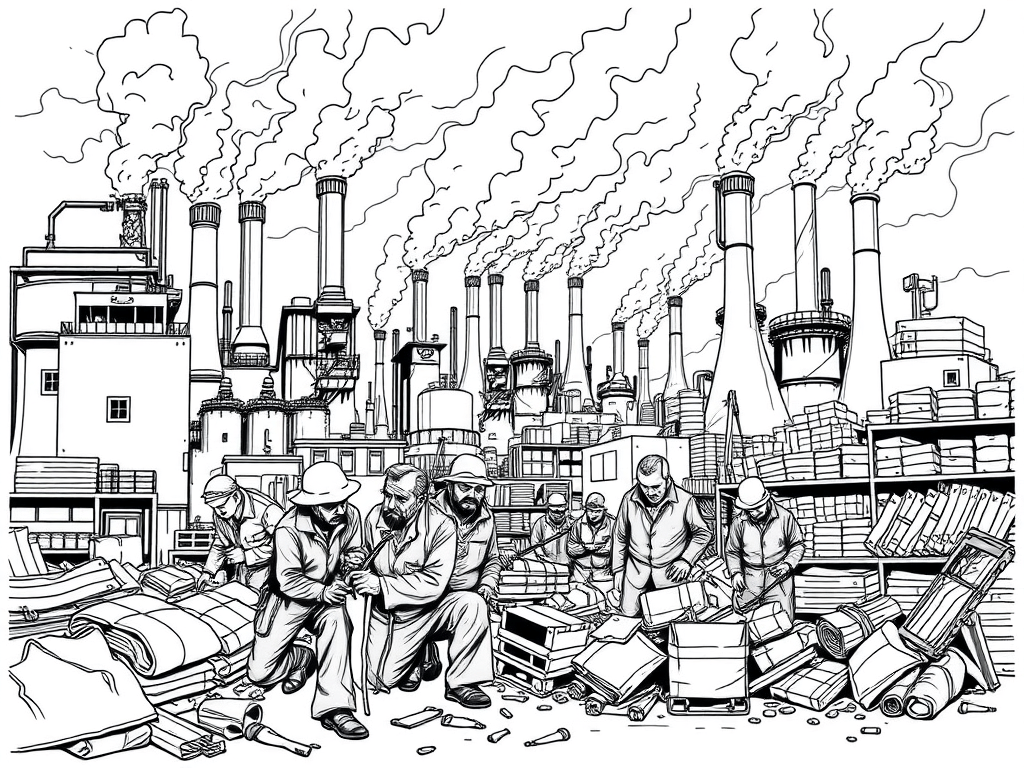
Karl Marx critiqued capitalism as an engine of crisis and exploitation, arguing that its accumulation logic leads to inequality and eventual collapse. While his insights on class struggles and cyclical crises are relevant, capitalism continues to adapt and survive, proving Marx’s predictions of inevitable ruin to be less definitive than he envisioned.
-

Money is a complex and misunderstood artifact, seen as a mere facilitator of trade yet deeply intertwined with alienation and exploitation. Marx critiques its role as a commodity that masks social relations and perpetuates inequality. Rather than a neutral tool, money embodies estrangement and fuels capitalist predation, necessitating a reevaluation of its societal status.
 Letters from Tomis