Marxist Economics
-
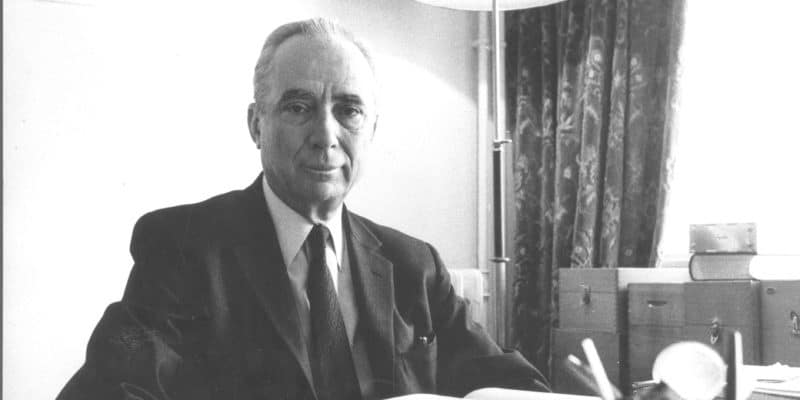
Arghiri Emmanuel (1911–2001) was a Greek political economist known for his theory of unequal exchange, which challenged traditional Marxist views on international trade and exploitation. He highlighted wage differentials as key drivers of global inequality, influencing debates on imperialism and globalization, while provoking controversy and critical discourse within Marxist circles.
-
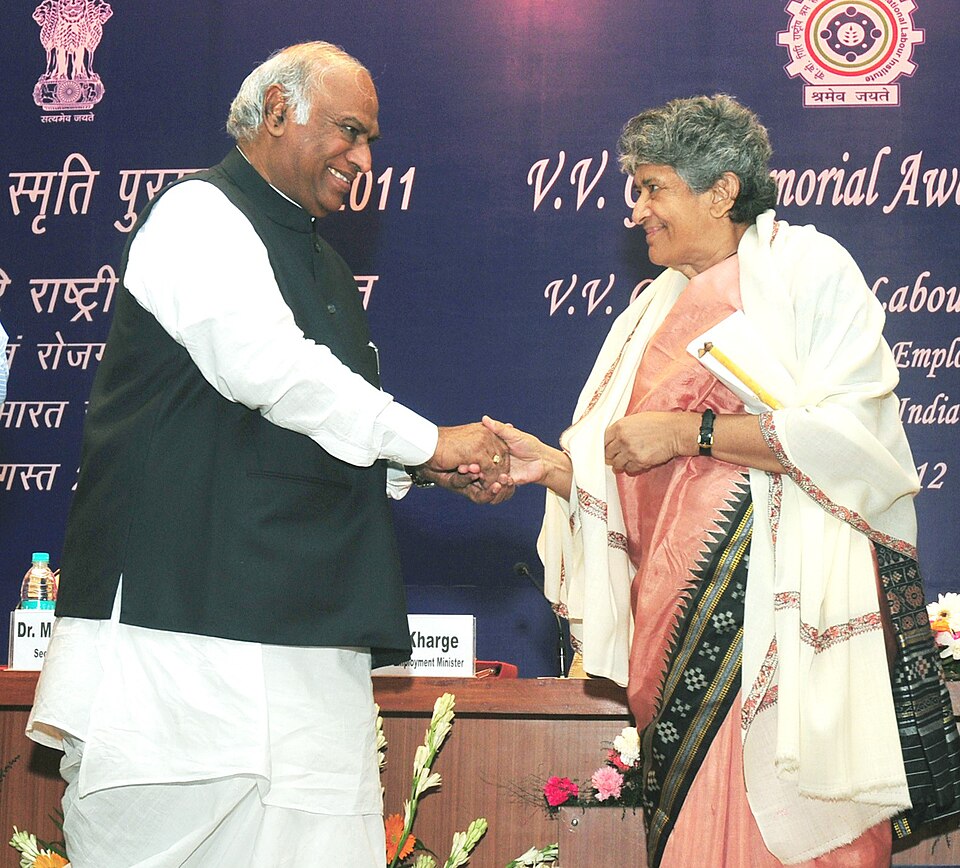
Utsa Patnaik, an influential Indian Marxist economist, has profoundly impacted agrarian studies, colonial political economy, and food security. With a focus on class structures and neoliberal policies, her critique of hunger emphasizes income inequality. Patnaik’s collaborative work on colonialism has reshaped discussions on global inequality, advocating for state intervention in welfare policies.
-
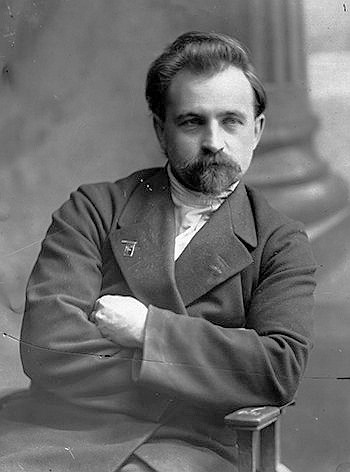
Yevgeny Preobrazhensky was a key figure in the Russian Revolution, known for his intellectual contributions to Marxist economics. As a Bolshevik, he theorized the complexities of socialist construction in Russia, focusing on “primitive socialist accumulation.” His political stance aligned with the Left Opposition, leading to his marginalization and execution during Stalin’s purges.
-

This essay theorizes entrepreneurship in a communist society, redefining it as collective innovation aimed at communal needs rather than profit. Following Marx’s critique of capitalism, the analysis highlights how entrepreneurship could transform into a collaborative process, emphasizing democratic participation, social welfare, and ecological sustainability, ultimately unleashing human creativity for the common good.
-
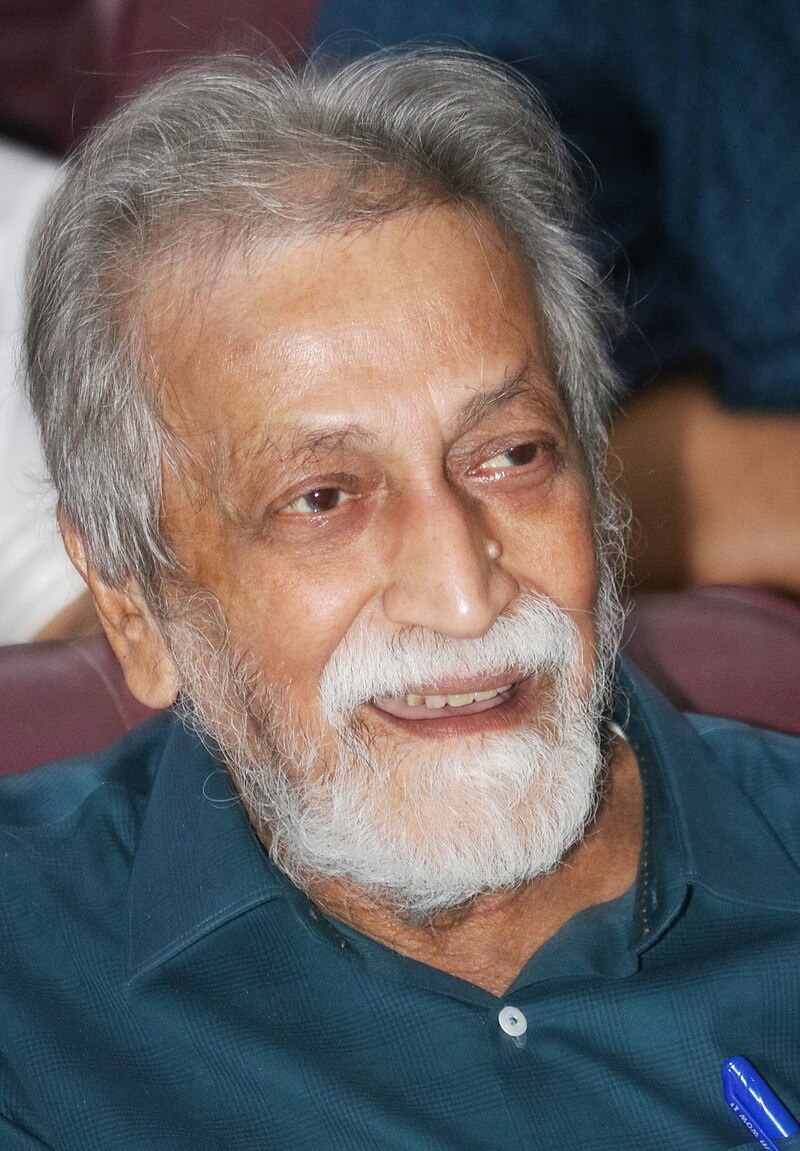
Prabhat Patnaik, a leading Marxist economist, has significantly contributed to political economy, critiquing neoliberal globalization and imperialism. Educated at Oxford, he shaped scholarship at Jawaharlal Nehru University. His work integrates classical Marxism and Keynesian economics, influencing public policy and left-wing movements globally. Patnaik advocates for a democratic, egalitarian future.
-

Leon Trotsky’s “Leon Trotsky Presents the Living Thoughts of Karl Marx” provides a dynamic introduction to Marxist thought, emphasizing historical materialism and the labor theory of value. Written in exile, Trotsky combines pedagogical and polemical tones, urging readers to view Marxism as a living method for social transformation rather than a static doctrine.
-

Marxist economic theory provides insights into value production and inflation within capitalism. It emphasizes labor’s role in generating value, critiques capitalist exploitation, and interprets inflation as a reflection of class struggle and distributional conflicts. The evolution of capitalism, globalization, and technological change challenge traditional value concepts, prompting ongoing debates within Marxist circles.
-

The lecture critiques finance as a central pillar of capitalism, extracting value rather than producing. It traces financial capital’s evolution, highlighting Marx, Engels, and Lenin’s analyses of its role in global exploitation and class struggle. To dismantle capitalism, it argues for abolishing finance, rejecting reform, and empowering workers through organized resistance.
-

This essay explores contemporary Marxist theory and its analytical framework on social class, power, and inequality in the U.S. It delves into class structures, reproduction, state power, global capitalism, and precarity, demonstrating how ideology sustains the class hierarchy. It highlights historical shifts since WWII, emphasizing the evolving dynamics of economic disparities and the persistent influence…
-

This essay examines how socialist policies shape healthcare systems, highlighting Cuba and Sweden as case studies. Both nations prioritize healthcare as a human right, ensuring universal access and equity. Key themes include comprehensive coverage, preventive care focus, and effective resource allocation. Their experiences demonstrate that socialist principles can lead to successful, equitable healthcare outcomes.

