Marxism
-

Perry Anderson is a significant Marxist historian and intellectual, known for shaping British Marxism through his role at New Left Review. His comparative works span political theory and global history, examining state formation and ideology. Anderson’s analysis offers critical insights into contemporary geopolitics and the evolution of Marxist thought, influencing multiple academic fields.
-
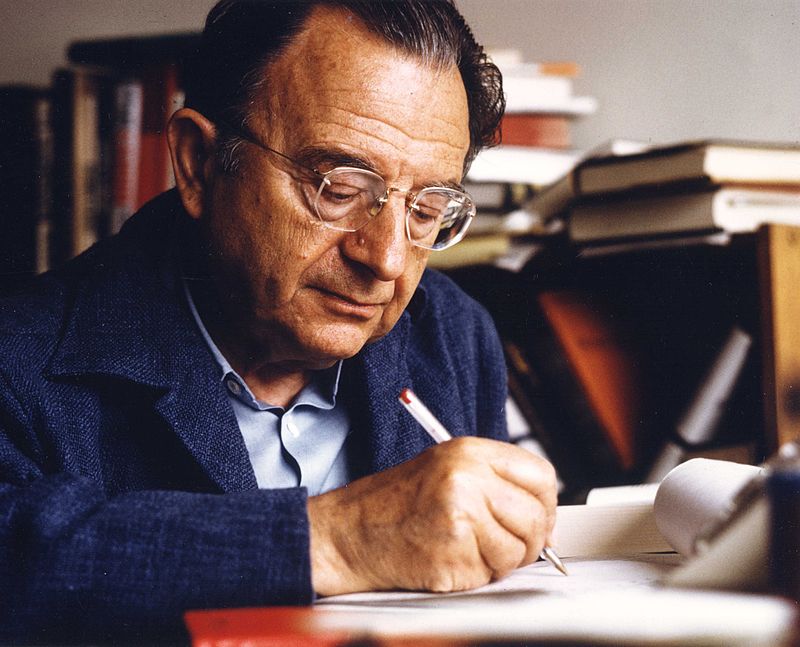
Book Review Fromm, Erich. The Sane Society. Holt Paperbacks, 1990. Erich Fromm’s The Sane Society (1955) remains one of the most incisive mid-century critiques of capitalist modernity, straddling psychoanalytic theory, social philosophy, and heterodox Marxism. Written at the height of America’s postwar boom, the book confronts what Fromm calls “the pathology of normalcy”—the fact that…
-
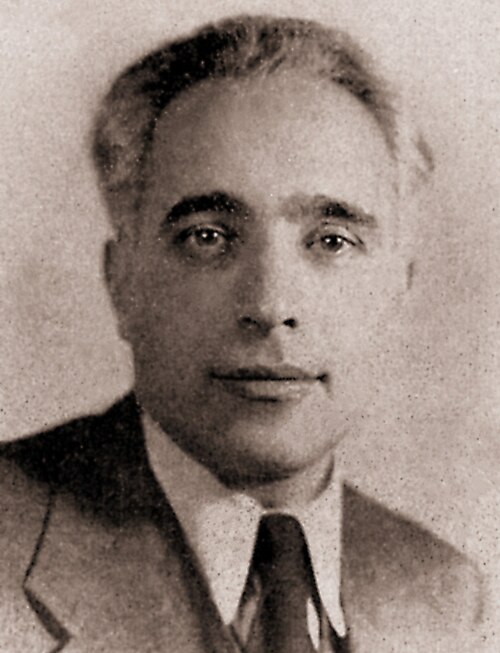
Albert Goldman was a significant figure in American radicalism, known for his advocacy of revolutionary Marxism and critique of Stalinism. His journey, from a Jewish immigrant to a prominent legal defender during the Minneapolis Sedition Trial, reflects the complexities of American leftist politics and the challenges of revolutionary continuity amid repression.
-

This essay theorizes entrepreneurship in a communist society, redefining it as collective innovation aimed at communal needs rather than profit. Following Marx’s critique of capitalism, the analysis highlights how entrepreneurship could transform into a collaborative process, emphasizing democratic participation, social welfare, and ecological sustainability, ultimately unleashing human creativity for the common good.
-
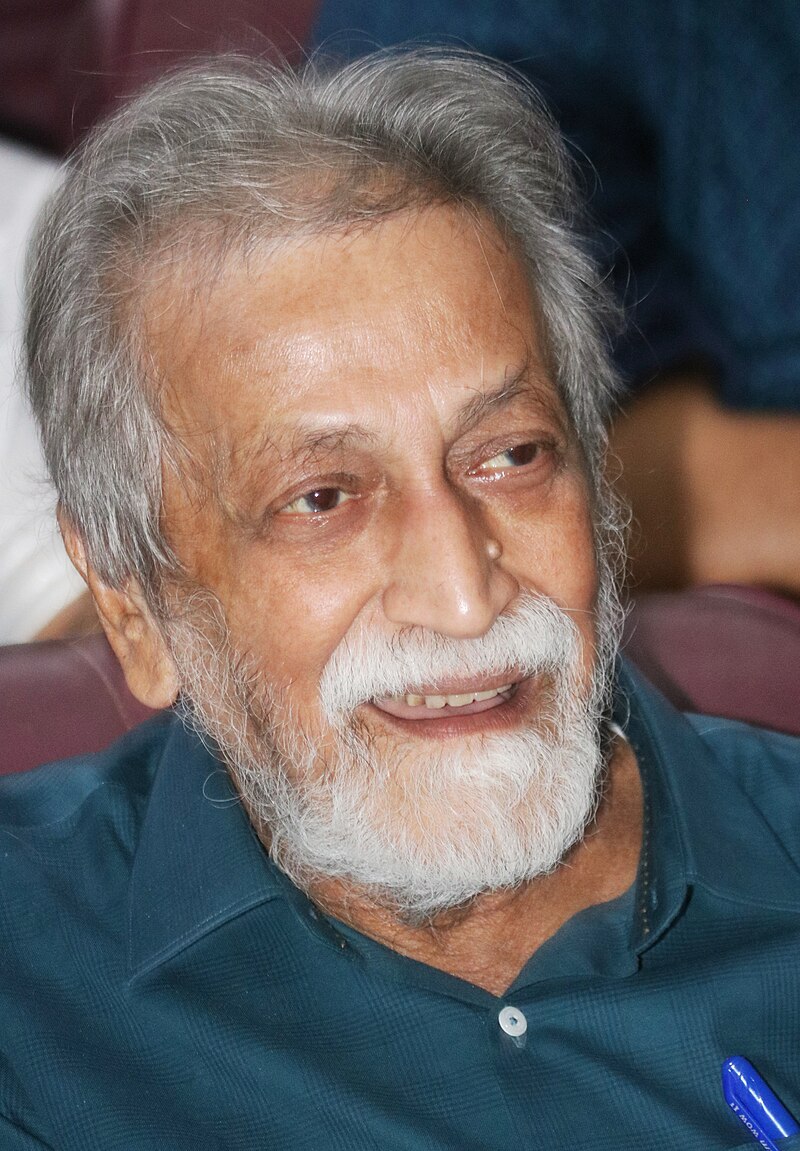
Prabhat Patnaik, a leading Marxist economist, has significantly contributed to political economy, critiquing neoliberal globalization and imperialism. Educated at Oxford, he shaped scholarship at Jawaharlal Nehru University. His work integrates classical Marxism and Keynesian economics, influencing public policy and left-wing movements globally. Patnaik advocates for a democratic, egalitarian future.
-

My Socialist Hall of Fame During this chaotic era of vile rhetoric and manipulative tactics from our so-called bourgeois leaders, I am invigorated by the opportunity to reflect on Socialists, Revolutionaries, Philosophers, Guerrilla Leaders, Partisans, and Critical Theory titans, champions, and martyrs who paved the way for us—my own audacious “Socialism’s Hall of Fame.” These…
-
In A Spectre, Haunting, China Miéville critically engages with The Communist Manifesto, viewing it as a vital text for contemporary radical thought. He employs rhetorical analysis and historical context, arguing for its relevance today. However, his work has limitations, such as superficial treatment of certain issues and a lack of clear post-capitalist proposals.
-

Gerald Allan Cohen (1941–2009) was a key political philosopher, known for reconciling Marxism with analytic philosophy. His works addressed historical materialism, justice, and egalitarianism, challenging libertarian and liberal theories. Cohen’s legacy influences contemporary debates on socialist justice, sustainability of inequality, and moral philosophy, emphasizing ethical commitment to equality.
-
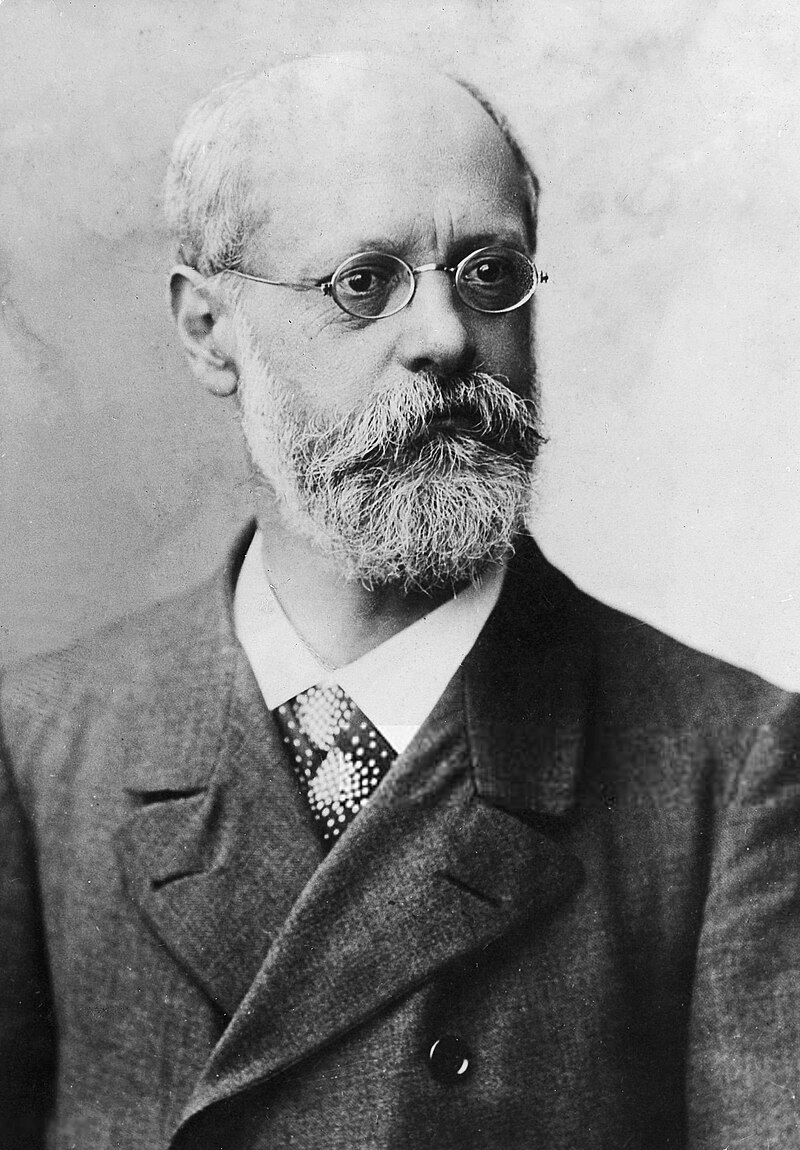
Karl Kautsky (1854–1938) was a pivotal figure in Second International Marxism, shaping orthodox Marxism during a transformative era. He engaged in debates about revolution and reform, criticized Bolshevik methods post-1917, and advocated for democratic socialism. His legacy reflects both the strengths and limitations of Marxist theory amid evolving socialist movements.
-
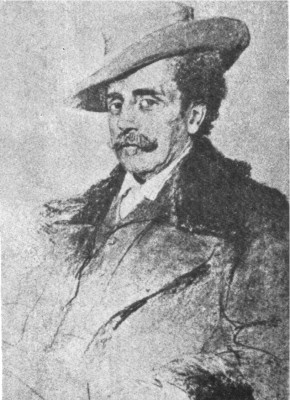
Antonio Labriola emerged as a pivotal figure in Italian Marxism, advocating for historical materialism as a critical method rather than a doctrine. His intellectual independence influenced both Benedetto Croce and Antonio Gramsci, emphasizing praxis and collective human activity. Labriola’s works reshaped socialism, linking theory with political education amid Italy’s socio-political turmoil.

