Marxism
-

The digital revolution profoundly alters global work, with automation and AI reshaping industries and labor relations. Through a pro-socialist lens, the essay highlights capitalism’s potential for exploitation versus socialism’s ability to empower workers. It advocates for using digital tools to create equitable economic conditions, reducing labor while promoting social ownership and democratic governance.
-

John Maclean (1879–1923) was a pivotal figure in early 20th-century British Marxism, advocating for revolutionary socialism in Scotland. A dedicated educator and anti-war activist, his efforts in organizing and promoting Marxist theory marked a significant contribution to the working-class movement. Maclean’s legacy continues to inspire socialist thought today.
-

Caio Dezorzi’s article critiques the UN’s MINUSTAH mission in Haiti, portraying it as an imperialist intervention that continues to undermine Haiti’s sovereignty since 1804. The analysis details political crises, foreign control, and the rise of gangs from 2015 to 2025, emphasizing the need for a revolutionary movement to combat imperialist exploitation.
-
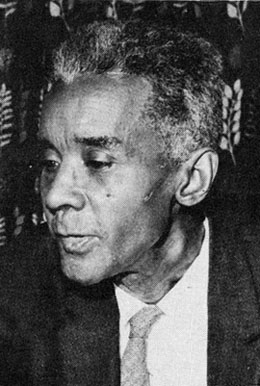
Cyril Lionel Robert James (1901–1989) was a Trinidadian Marxist historian and cultural critic, renowned for his work The Black Jacobins. Influencing post-colonial theory, he championed socialist democracy and black liberation. His contributions spanned politics, literature, and sports, establishing him as a pivotal figure in Marxist thought and anti-colonial movements.
-
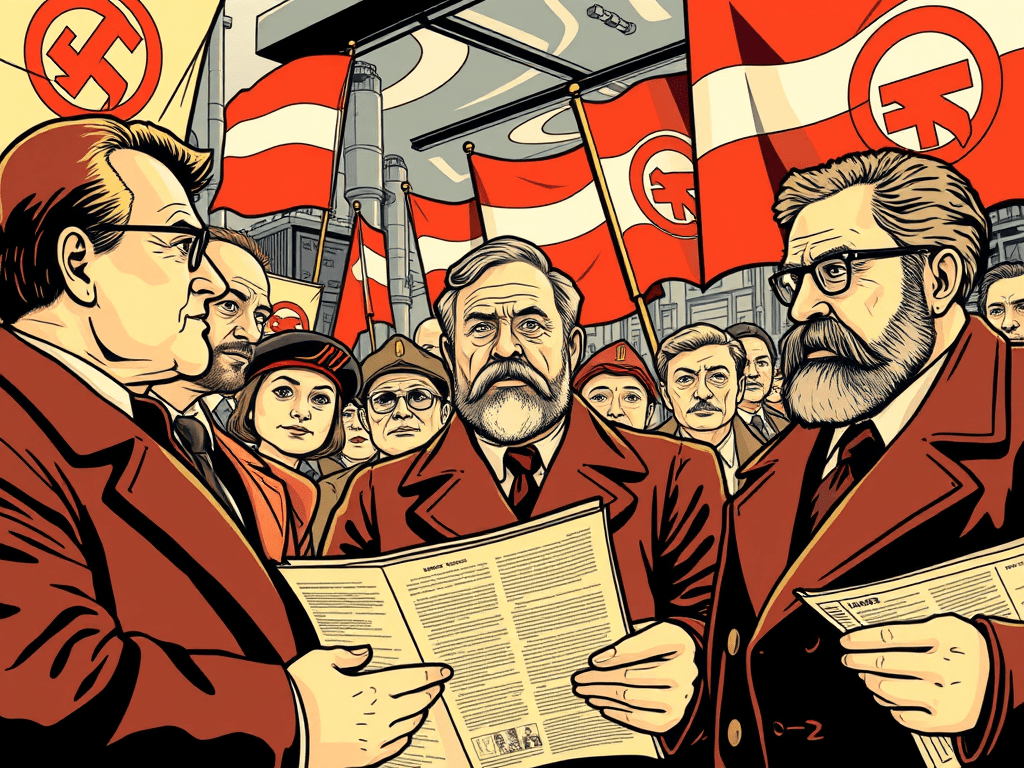
Austromarxism emerged in early 20th-century Austria, aiming to merge Marxism with nationalism and democratic principles. Key figures, such as Otto Bauer and Karl Renner, advocated for national autonomy and a gradual transition to socialism through democratic means. Despite significant theoretical contributions and the successful “Red Vienna” reforms, Austromarxism ultimately crumbled under fascism, leaving a complex…
-
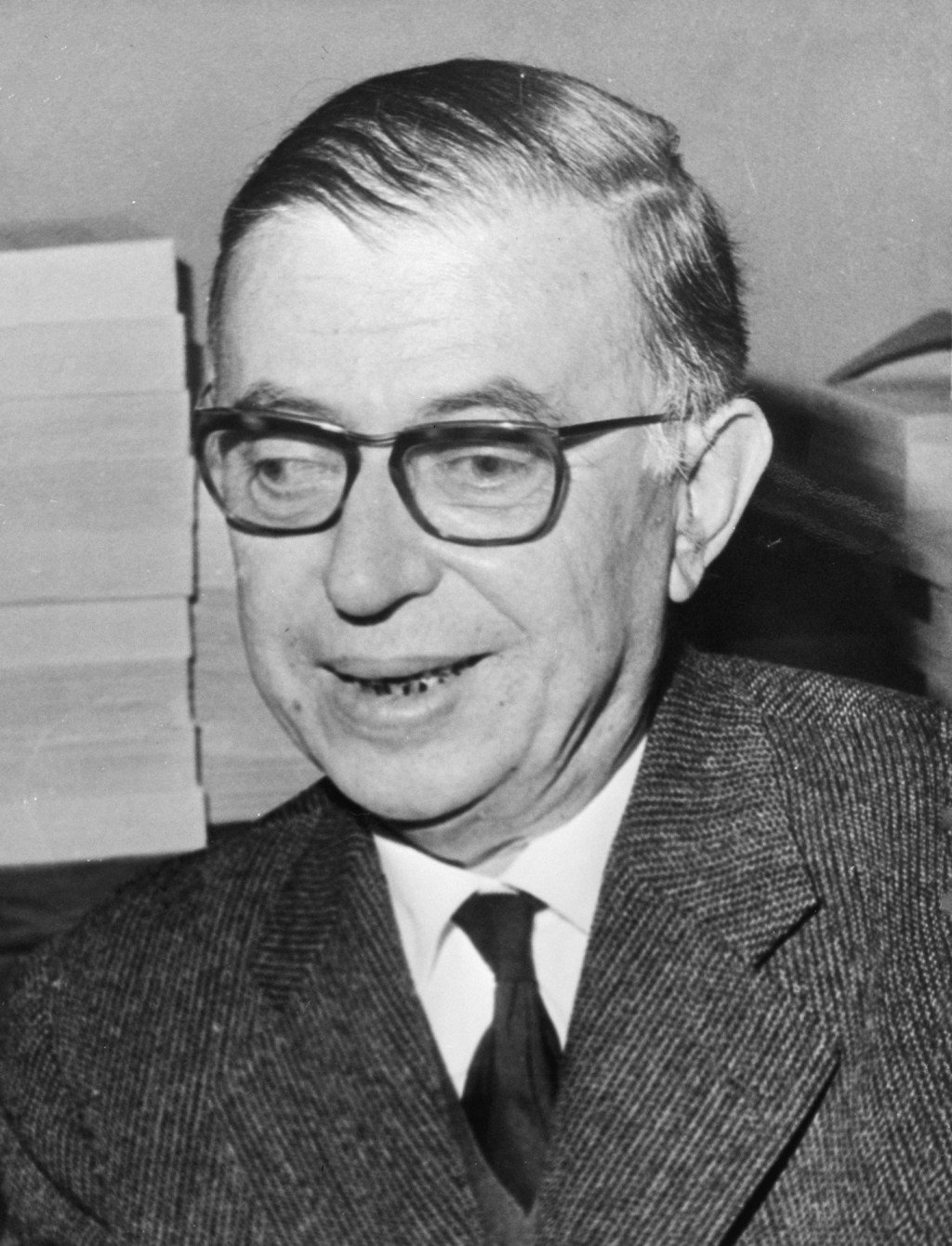
Jean-Paul Sartre (1905–1980) was a pivotal French existentialist philosopher whose works examined human freedom and responsibility in an indifferent universe. His book “Being and Nothingness” established foundational existentialist ideas. A prolific novelist and playwright, he also engaged in political activism and declined the Nobel Prize in Literature, emphasizing intellectual independence.
-
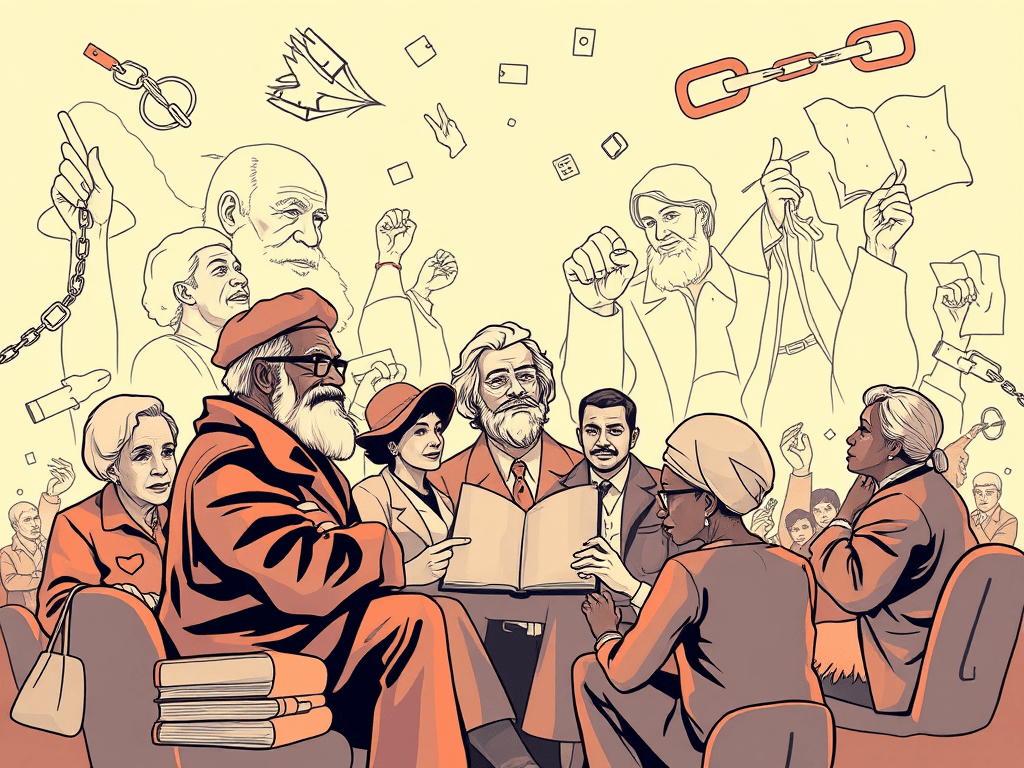
Marxist humanism emphasizes human freedom, drawing from early Marx’s ideas on alienation and emancipation. Emerging in the 1960s, it critiqued bureaucratic socialism, blending Marxism with Hegelian themes. The tradition addresses global issues like decolonization, ecology, and social justice, advocating for a socialism centered on human dignity and needs.
-

Council communism emerged in the early 20th century as a Marxist ideology advocating socialism through workers’ councils rather than centralized party rule. It critiques Leninism for its authoritarianism and argues for direct worker self-management. Although a mass movement subsided by the 1930s, its ideas continue to influence contemporary discussions on grassroots democracy and socialism.
-

Andreas Malm is a notable Swedish scholar, author, and associate professor whose work focuses on human ecology, environmental history, and political ecology. He examines the relationship between capitalism and climate change, advocating for radical climate activism. His influential writings include “Fossil Capital” and “How to Blow Up a Pipeline,” emphasizing ecological justice.
-

Nancy Fraser’s “Cannibal Capitalism” critiques contemporary capitalism, arguing it exploits democracy, care, and the environment. Through six chapters, it examines systemic racism, undervalued care work, and ecological crises, while proposing a socialist vision. Although it offers deep insights, its dense language may limit accessibility and practical solutions.
 Letters from Tomis