History
-

Fidel Castro, born on August 13, 1926, became a central figure in Cuba’s revolutionary movement against Batista’s regime. His rise to power began with the 1953 Moncada attack, leading to his governance and significant reforms. Castro’s leadership saw Cuba align with Soviet socialism amid Cold War tensions, facing criticism for human rights abuses while improving…
-

Council communism emerged in the early 20th century as a Marxist ideology advocating socialism through workers’ councils rather than centralized party rule. It critiques Leninism for its authoritarianism and argues for direct worker self-management. Although a mass movement subsided by the 1930s, its ideas continue to influence contemporary discussions on grassroots democracy and socialism.
-
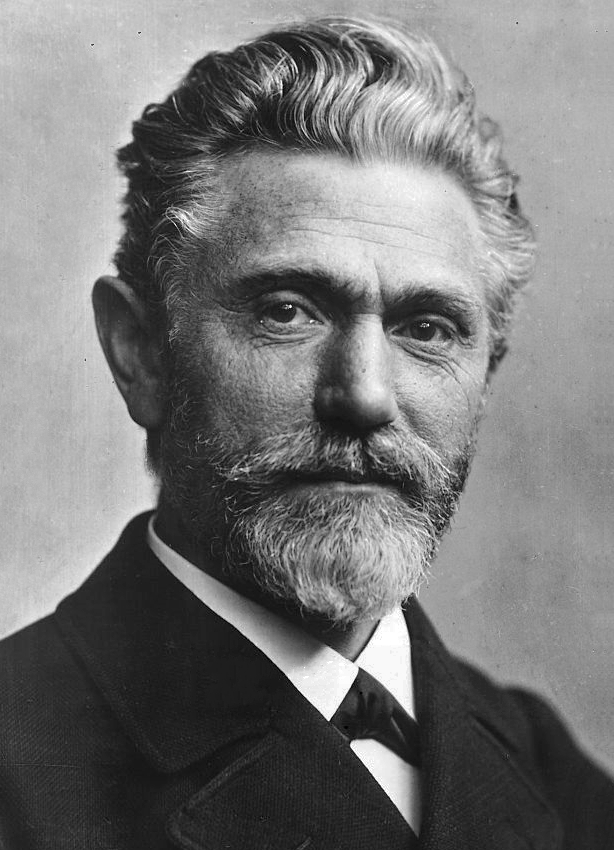
August Ferdinand Bebel (1840–1913) was a key figure in German socialism and co-founder of the Social Democratic Party of Germany (SPD). A committed Marxist, he advanced democratic socialism, advocating for gender equality in “Woman and Socialism.” Despite persecution, Bebel’s legacy endures as a catalyst for labor rights and social welfare initiatives.
-

Friedrich Engels was a key figure in developing Marxist theory, co-authoring The Communist Manifesto and collaborating with Karl Marx for four decades. His independent works, such as The Origin of the Family, contributed significantly to socialist thought, addressing class, state, and gender issues. Engels’s legacy includes his role in international socialism and dialectical materialism.
-

Victor Adler (1852–1918) was the founder and leader of the Austrian Social Democratic Workers’ Party. Initially a physician, he became involved in politics advocating universal suffrage and labor rights. His pragmatic socialism prioritized legislative reforms over revolutions. Adler’s legacy persisted through his son, Friedrich, a notable socialist leader.
-
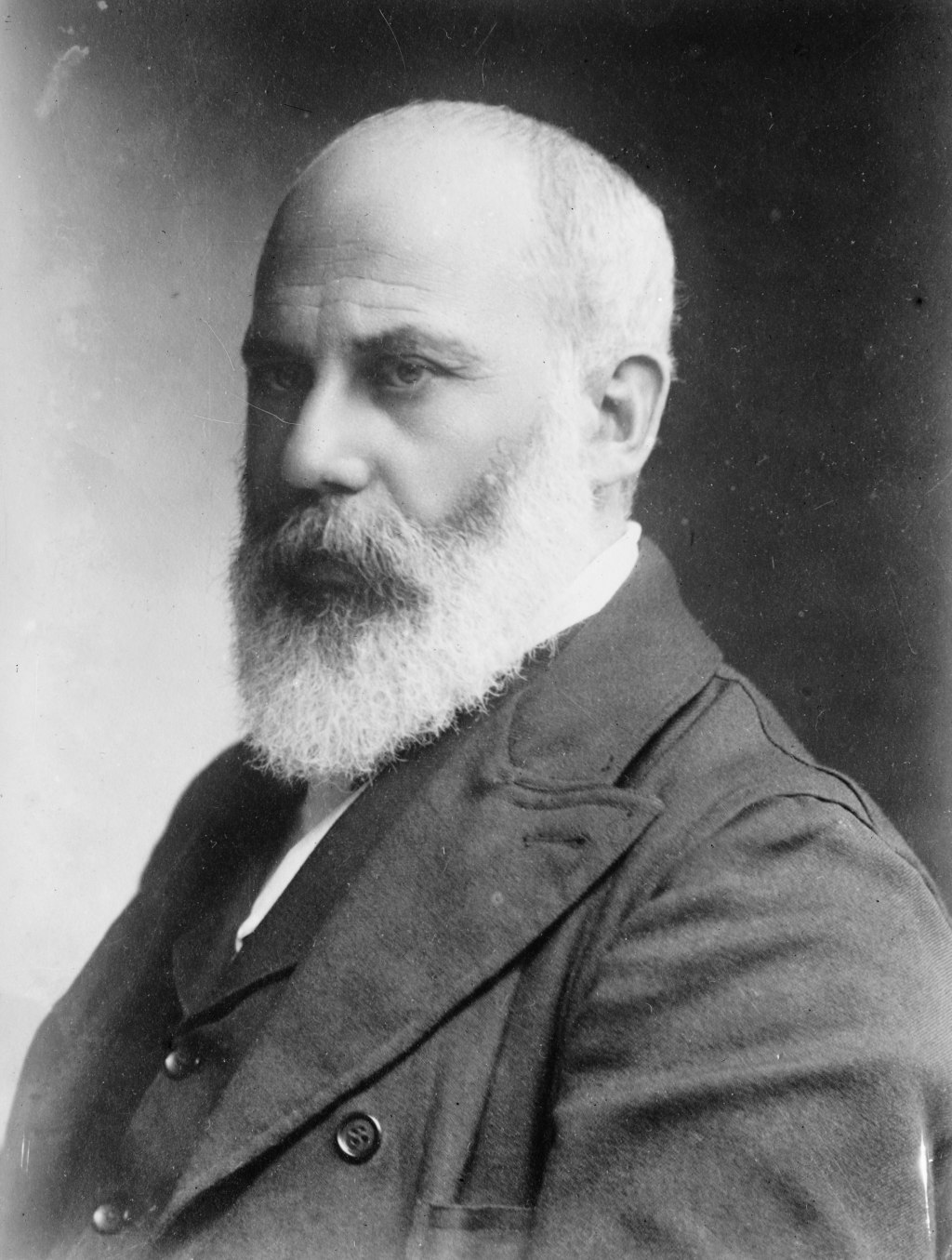
Daniel De Leon (1852–1914) was a significant American socialist theorist and labor organizer, known for developing De Leonism, which emphasized industrial unionism and political action. Educated in Europe, he contributed to socialist movements, founded the Socialist Trade and Labor Alliance, and influenced global socialist ideology. De Leon’s legacy continues to be relevant today.
-
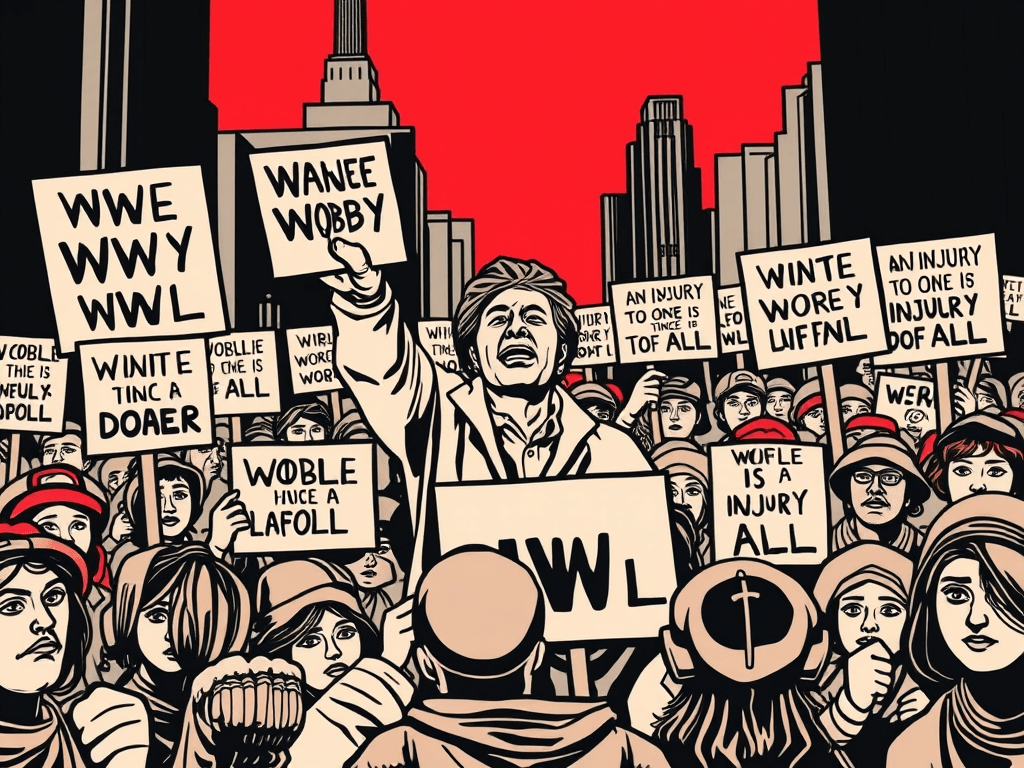
The Congress of Industrial Organizations (CIO) emerged as a powerful labor force between 1930 and 1945, largely due to the contributions of radical organizers and leftists, often disparaged yet pivotal in rallying unorganized workers. Their audacious tactics and commitment fostered significant gains in union representation amidst hostility from traditional labor leaders and the state.
-
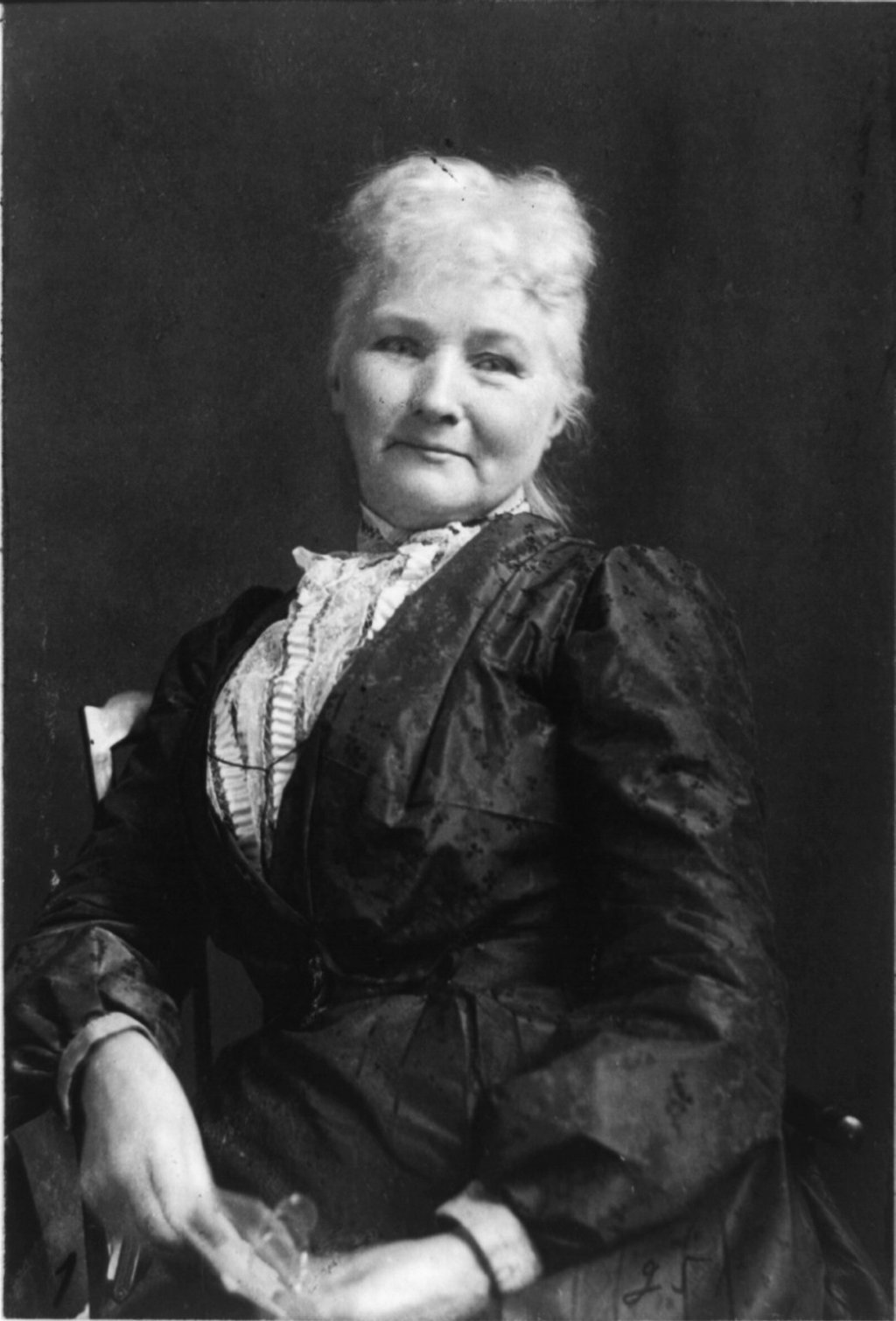
Mary Harris Jones, known as Mother Jones, was a pivotal American labor activist born in Ireland in 1837. She endured personal losses that fueled her advocacy for workers’ rights, focusing on labor struggles and child labor. Her fervent activism made her a prominent figure in labor history until her death in 1930, inspiring future movements.
-
The Industrial Workers of the World (IWW), founded in 1905, championed radical labor rights against the conservative American Federation of Labor. Known as “Wobblies,” they aimed to unite all workers under “One Big Union.” Despite severe repression, their cultural impact and legacy of revolutionary activism continue to inspire modern labor movements.
-
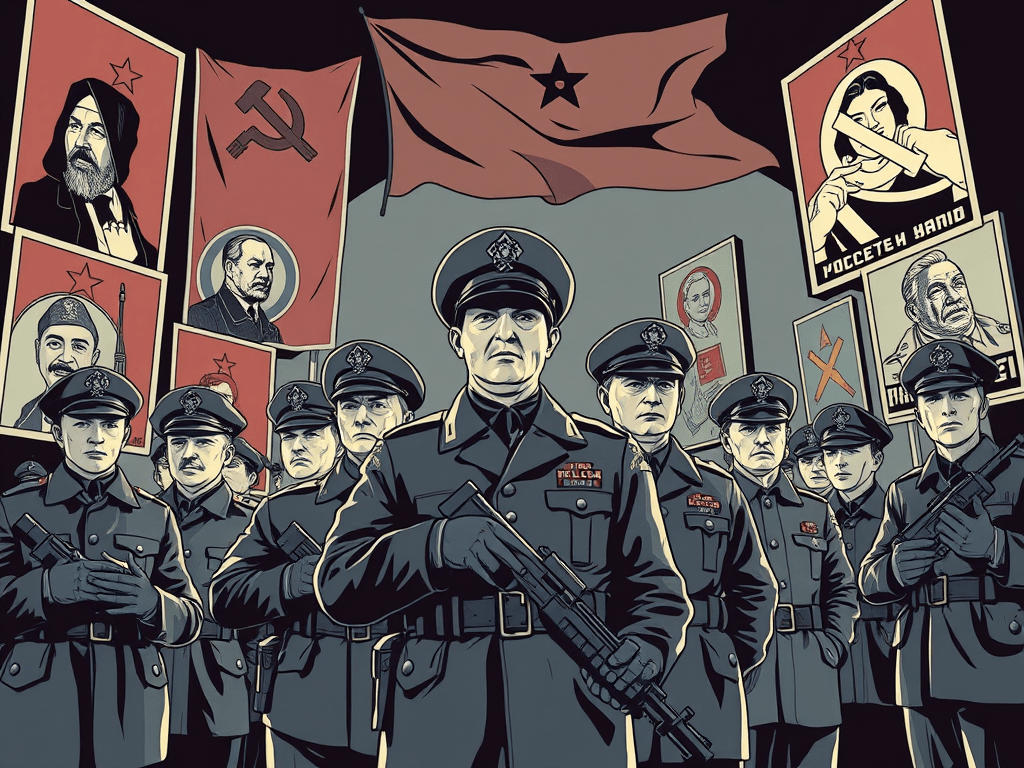
Between 1920 and 1940, Soviet law enforcement evolved significantly under Marxist-Leninist ideology, serving the Communist Party’s revolutionary goals. Institutions like the Cheka and NKVD enforced state security through extensive surveillance and brutal repression, targeting class enemies and dissenters. This ideological framework shaped a coercive policing system that instilled fear and compliance in society.
 Letters from Tomis