History
-
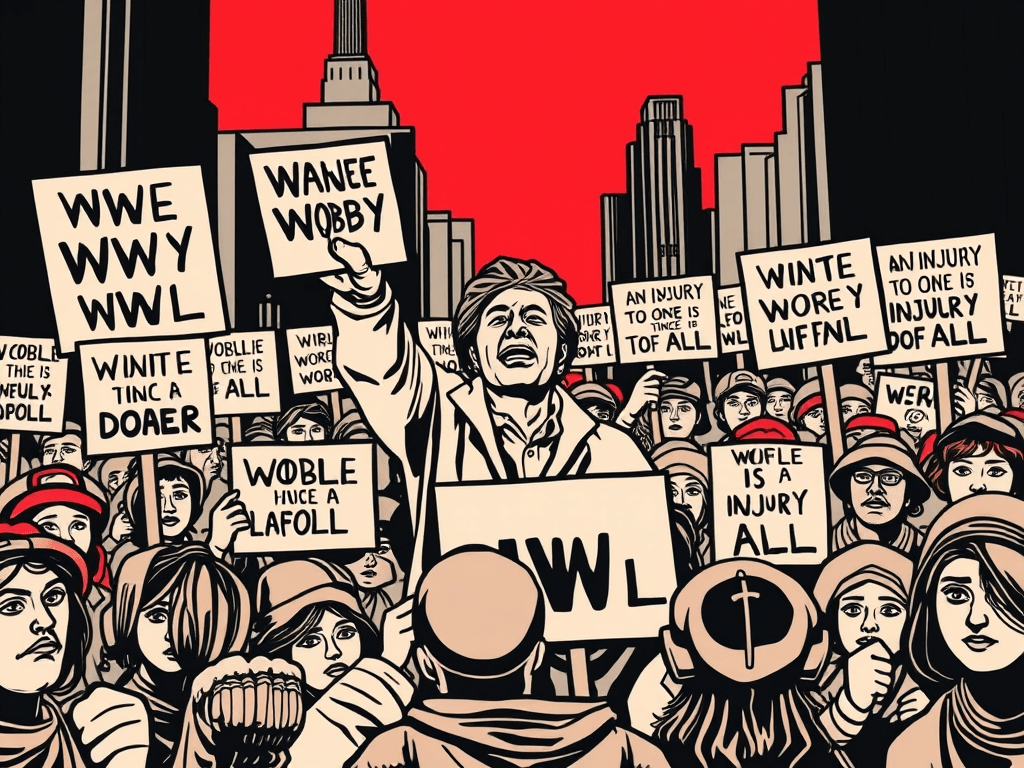
The Congress of Industrial Organizations (CIO) emerged as a powerful labor force between 1930 and 1945, largely due to the contributions of radical organizers and leftists, often disparaged yet pivotal in rallying unorganized workers. Their audacious tactics and commitment fostered significant gains in union representation amidst hostility from traditional labor leaders and the state.
-
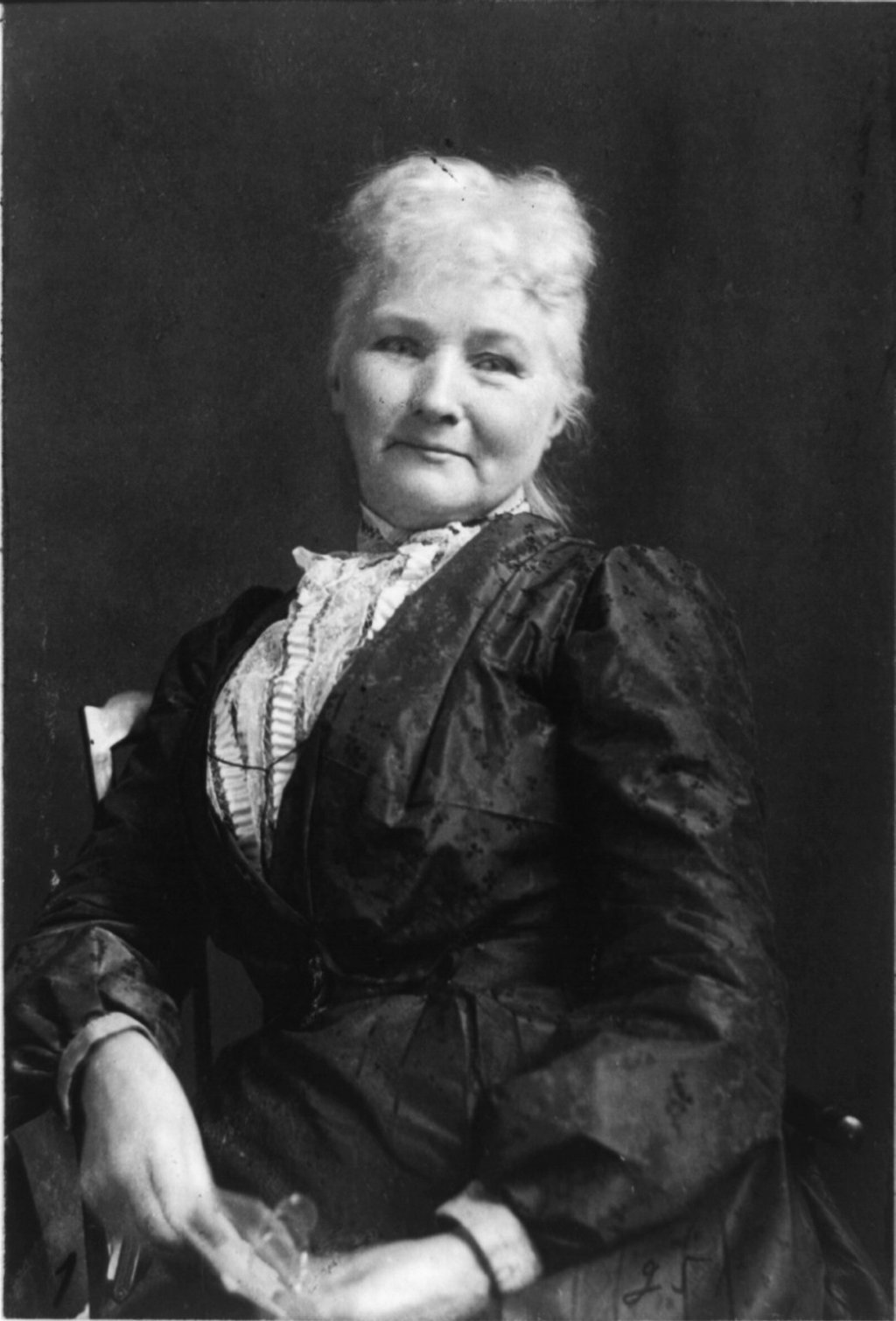
Mary Harris Jones, known as Mother Jones, was a pivotal American labor activist born in Ireland in 1837. She endured personal losses that fueled her advocacy for workers’ rights, focusing on labor struggles and child labor. Her fervent activism made her a prominent figure in labor history until her death in 1930, inspiring future movements.
-
The Industrial Workers of the World (IWW), founded in 1905, championed radical labor rights against the conservative American Federation of Labor. Known as “Wobblies,” they aimed to unite all workers under “One Big Union.” Despite severe repression, their cultural impact and legacy of revolutionary activism continue to inspire modern labor movements.
-
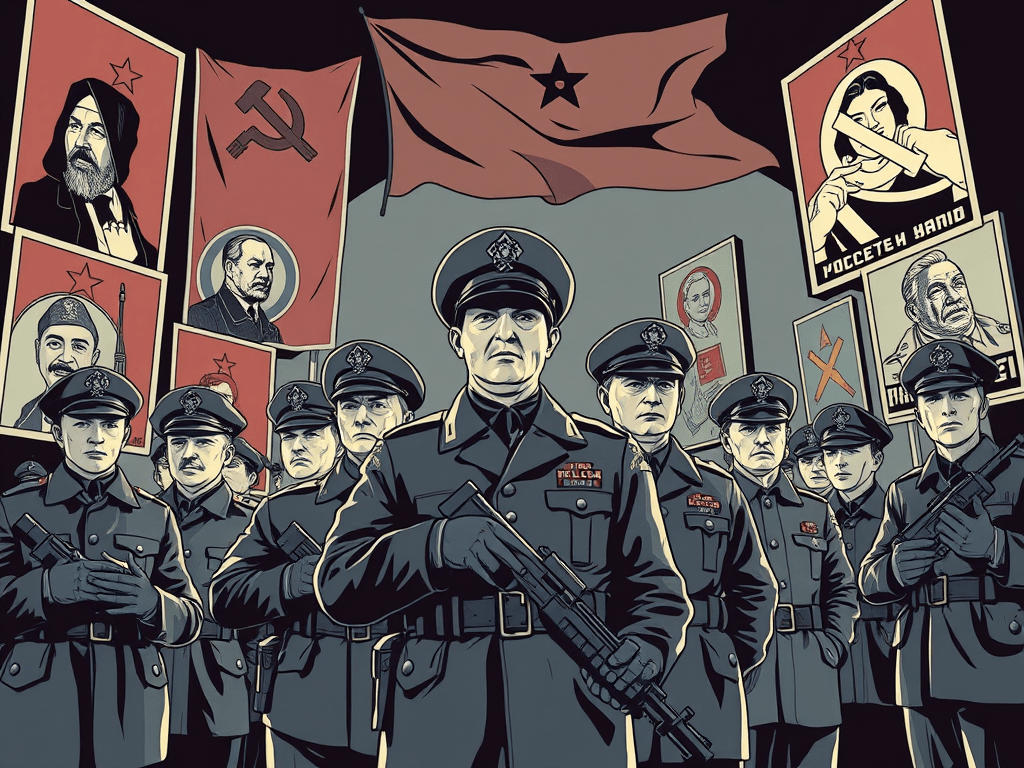
Between 1920 and 1940, Soviet law enforcement evolved significantly under Marxist-Leninist ideology, serving the Communist Party’s revolutionary goals. Institutions like the Cheka and NKVD enforced state security through extensive surveillance and brutal repression, targeting class enemies and dissenters. This ideological framework shaped a coercive policing system that instilled fear and compliance in society.
-

The evolution of psychology and psychiatry in the Soviet Union from the 1920s to the 1980s showcased a complex interplay of Marxist ideology and scientific inquiry. The fields experienced creative innovation amid ideological constraints, producing significant theories like Pavlov’s reflex theory and Vygotsky’s cultural-historical approach, which influenced global psychology despite periods of enforced conformity.
-

The evolution of psychotherapy began with Freud’s psychoanalysis, emphasizing the unconscious mind and inner conflicts. This tradition expanded through Jung’s collective unconscious and Lacan’s linguistic approach. Modern therapies, like CBT and humanistic methods, prioritize empirical evidence and structured techniques, focusing on present issues, symptom relief, and client empowerment.
-
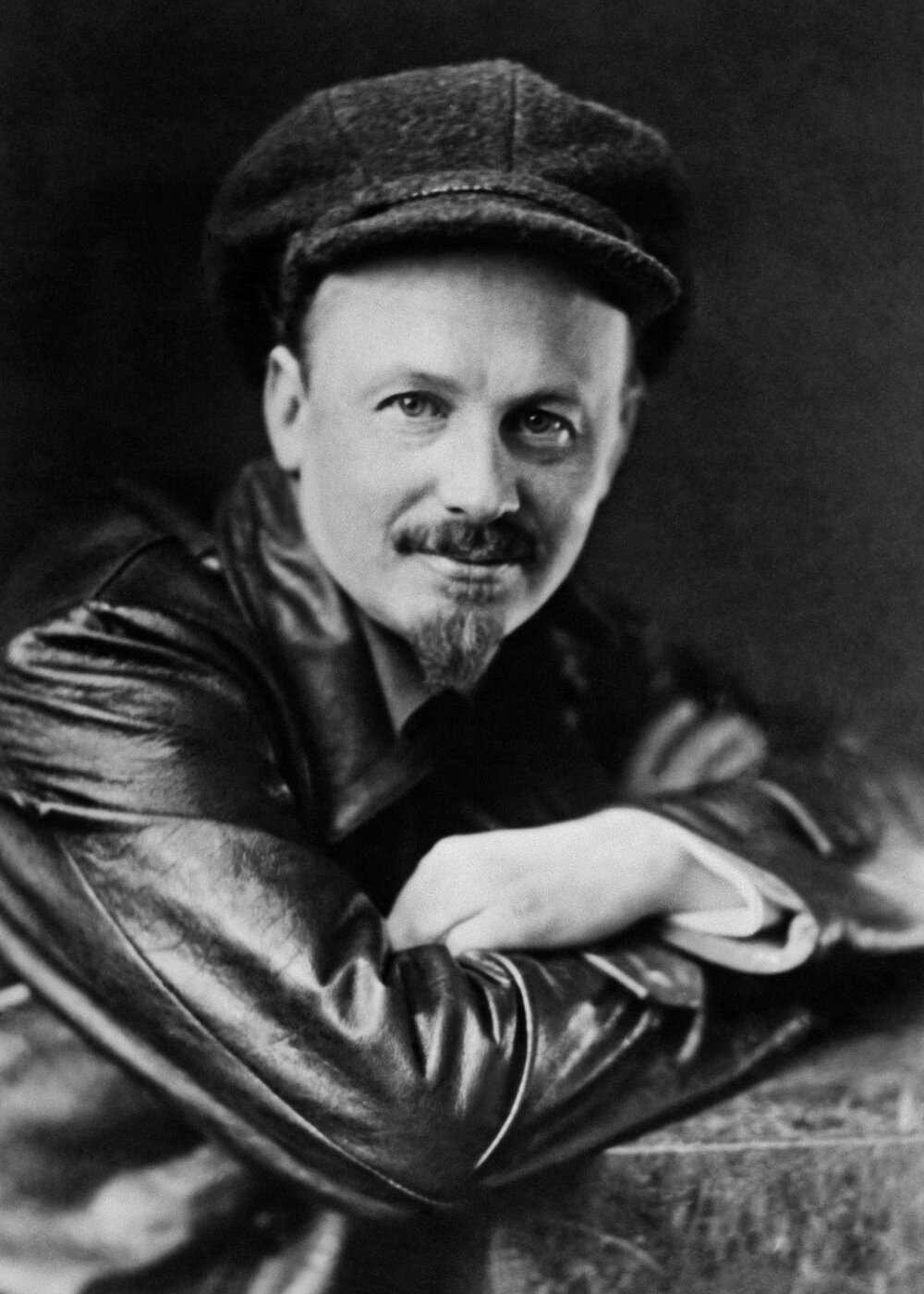
Nikolai Bukharin (1888–1938) was a leading Bolshevik revolutionary, Marxist theorist, and Soviet politician. Initially influential during the October Revolution and supporter of the New Economic Policy, he fell out of favor with Stalin, leading to his arrest and execution during the Great Purge. His legacy endures in Marxist studies.
-

The “History of the Communist Party of the Soviet Union (Bolsheviks): Short Course,” overseen by Stalin, offers a biased, simplified narrative of Bolshevik history. While it serves as a doctrinal tool that shaped Soviet ideology and political thought, it lacks academic rigor and distorts historical facts to reinforce Stalin’s regime.
-
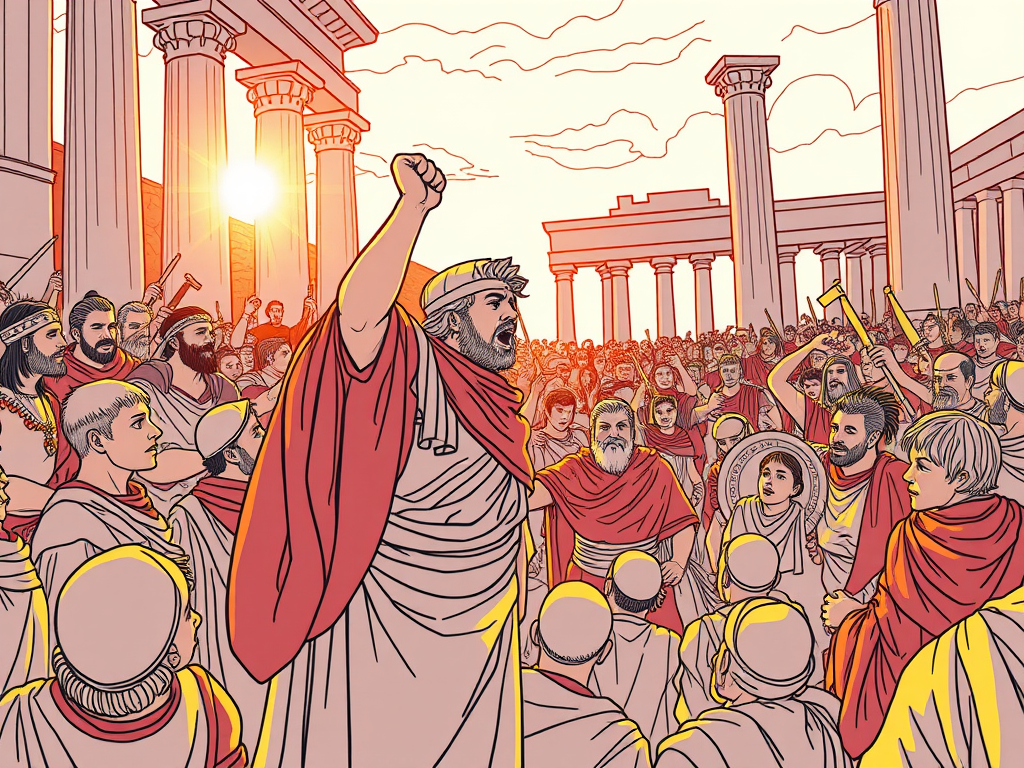
The Roman Republic (509–27 BC) experienced significant social revolutions, characterized by struggles for political equality among classes, notably the plebeians. Key events included the struggle of the orders, Gracchan reforms, the Social War, and slave revolts, which ultimately culminated in the transition to an imperial power structure under Augustus.
-
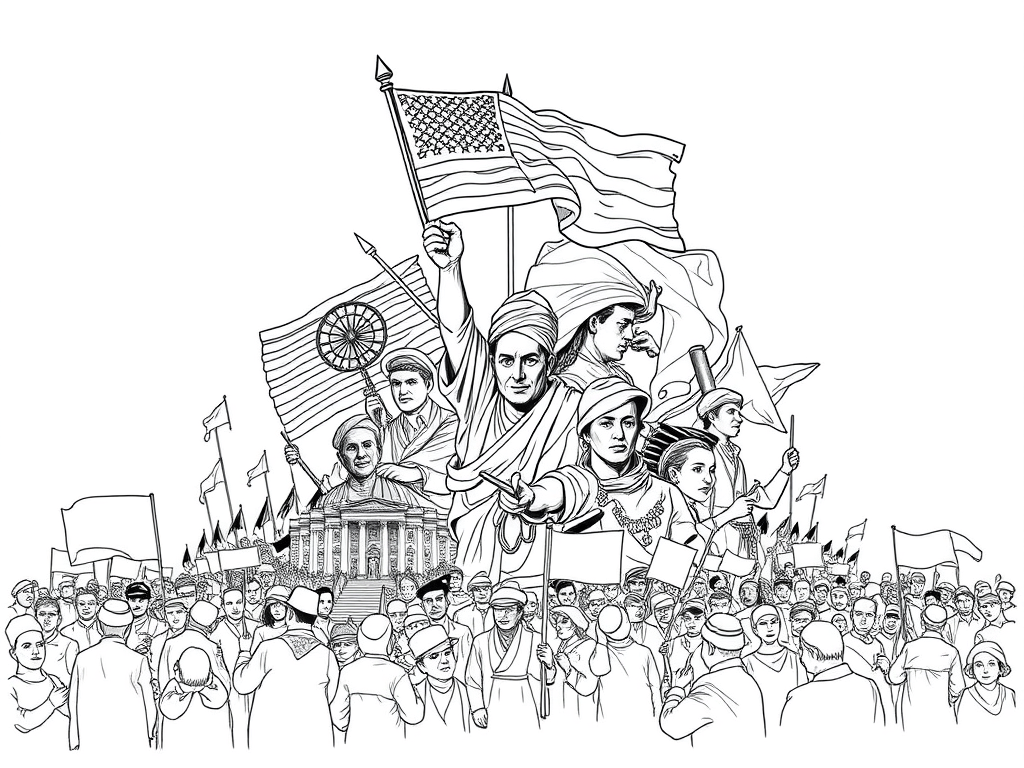
This lecture addresses the significance of social revolutions throughout history, highlighting their causes, key examples, and impacts. It defines social revolutions as rapid societal transformations driven by dissatisfaction and mass mobilization. Key examples include the English, American, French, and Russian revolutions, illustrating diverse paths and consequences across centuries.
 Letters from Tomis