History
-
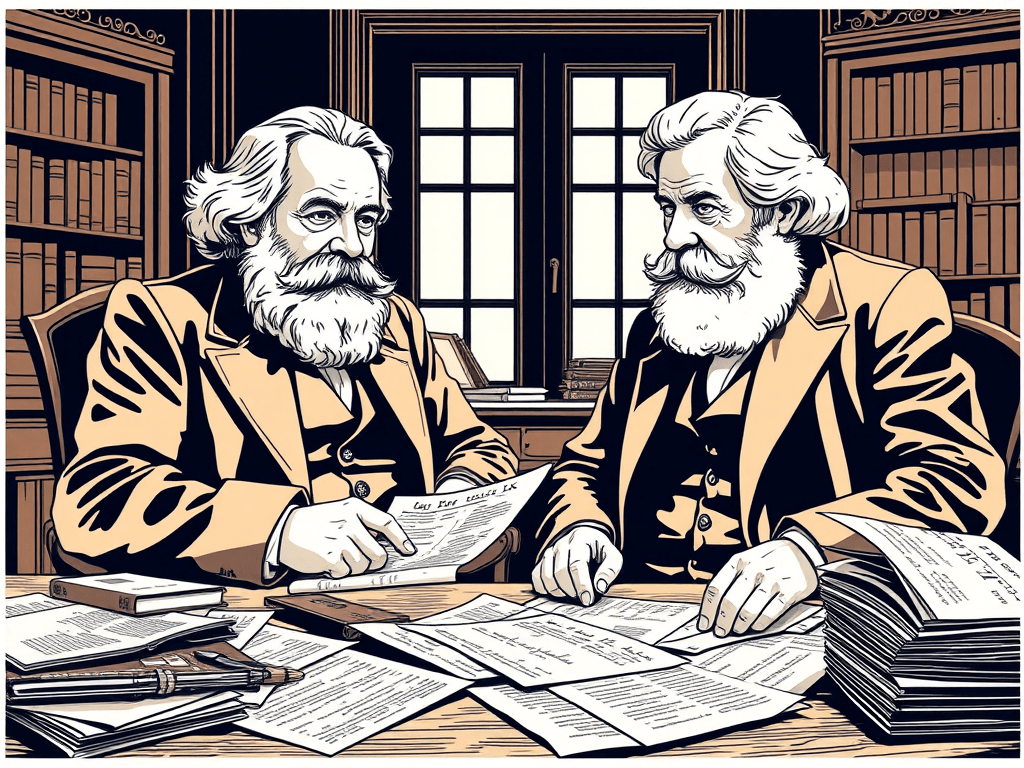
“The Civil War in the United States,” edited by Andrew Zimmerman, is a foundational Marxist analysis by Marx and Engels of the American Civil War, emphasizing class struggle. It offers insights into the war’s implications for international working-class movements and cautions against sectarianism, advocating for solidarity and concrete analysis amid bourgeois-democratic struggles.
-

Cedric James Robinson (1940–2016) was a pivotal political theorist and scholar whose work transformed the study of race, capitalism, and political thought. Notable for developing Black Marxism and the Black Radical Tradition, his contributions challenged Eurocentric narratives, emphasizing African cultural epistemologies and the intertwined nature of racial and economic oppression.
-

Howard Zinn, born in 1922 to immigrant parents, became a prominent historian and activist after experiencing poverty and injustice. He taught at Spelman College and Boston University, focusing on civil rights and antiwar movements. His influential book, A People’s History of the United States, reshaped historical perspectives, emphasizing marginalized voices. Zinn’s legacy endures through ongoing…
-
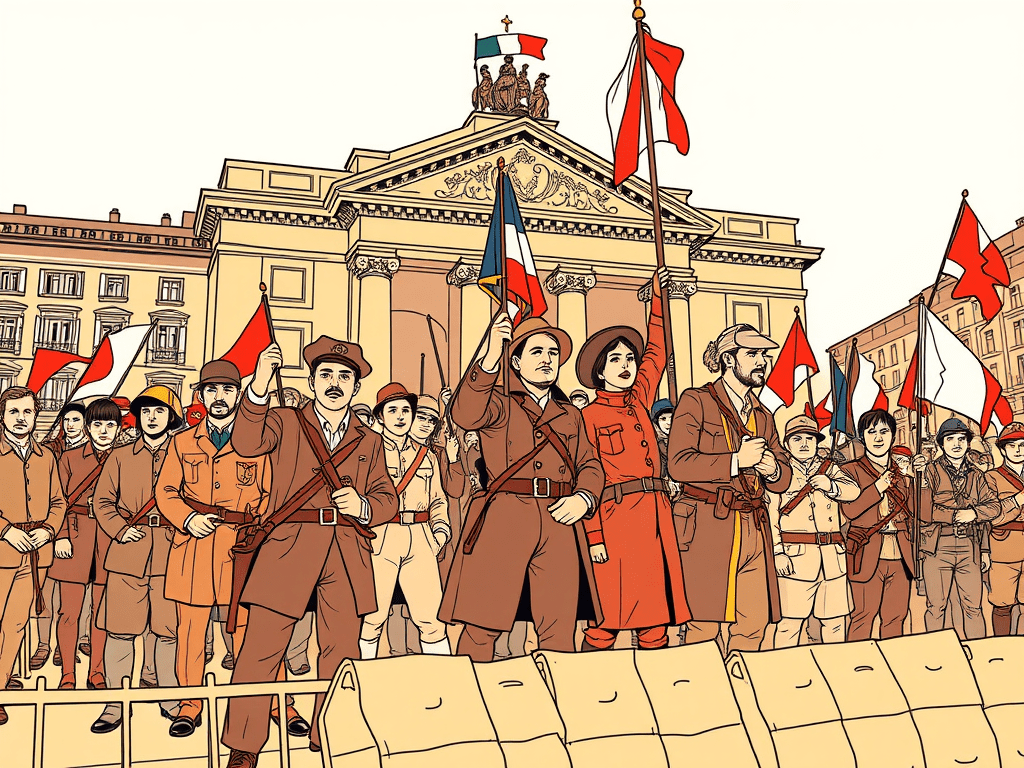
The Paris Commune of 1871 was a pivotal workers’ uprising that resulted in a revolutionary government led by laborers and radicals. Lasting only two months, it implemented radical reforms like council democracy and social welfare. Although brutally suppressed, its legacy continues to inspire socialist movements, illustrating the potential for proletarian self-governance and revolutionary action.
-
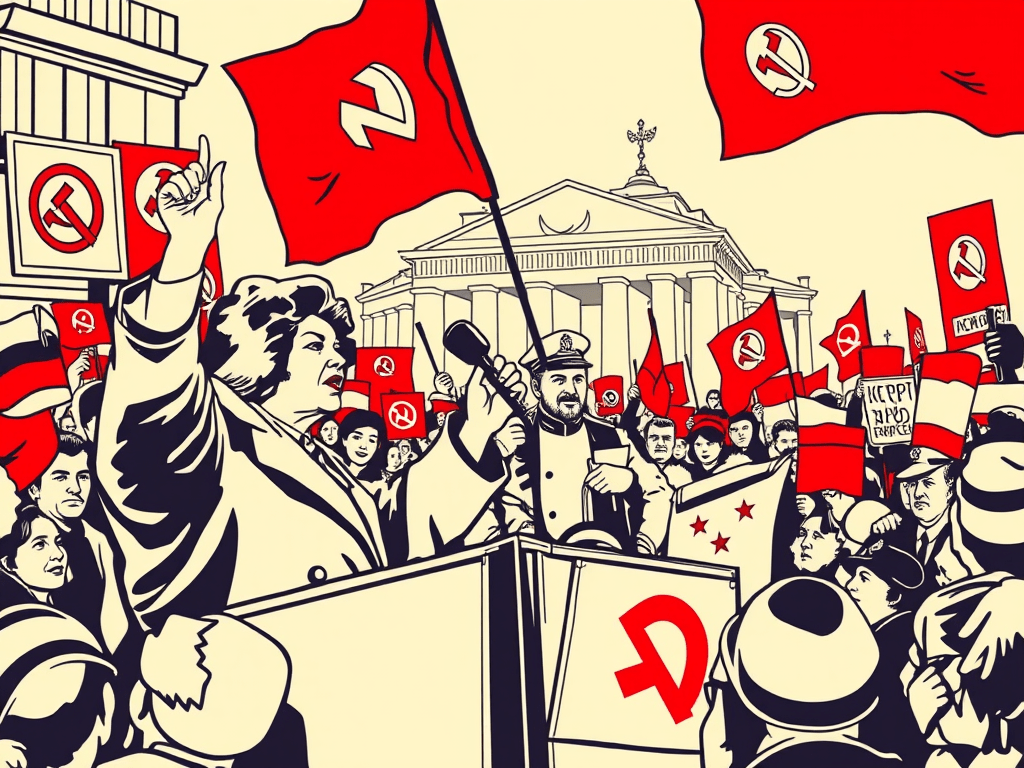
The German Communist Party (KPD) was founded in 1918, evolving through revolutionary turmoil and ideological shifts, primarily influenced by Luxemburgism and Marxism-Leninism. It ultimately faced repression under the Nazis and later transformed into the Socialist Unity Party in East Germany, while being banned in West Germany. The KPD’s complex legacy reflects its commitment to socialism,…
-

Josip Broz Tito (1892–1980) was a pivotal figure in 20th-century socialism, renowned for leading Partisan resistance during WWII and founding socialist Yugoslavia. His legacy includes promoting workers’ self-management, advocating cultural pluralism, and establishing the Non-Aligned Movement, embodying a non-dogmatic approach to socialism that emphasized independence and international solidarity.
-
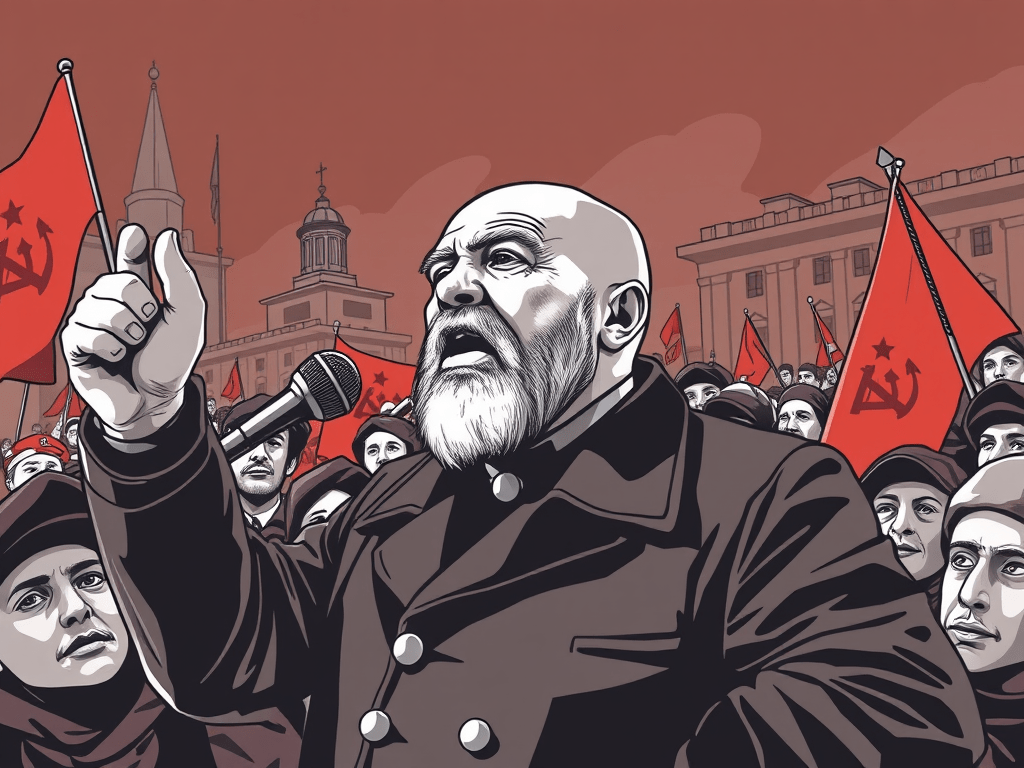
Vladimir Lenin’s State and Revolution is a pivotal Marxist text that critiques reformist approaches and emphasizes the necessity of a proletarian state to dismantle bourgeois power. Written in 1917, it combines theoretical rigor and revolutionary strategy, offering insights for contemporary struggles against inequality and capitalist frameworks, retaining its significance over time.
-

Frederick Douglass, born into slavery in Maryland, escaped in 1838 and became a prominent abolitionist. He authored influential autobiographies, advocated for women’s rights, and supported Reconstruction efforts. Recognized for his eloquent speeches and writings, Douglass’s legacy endures in civil rights movements, emphasizing racial, gender, and economic justice. He died in 1895.
-

Howard Zinn’s A People’s History of the United States presents a counter-narrative to traditional historical accounts, emphasizing the voices of marginalized groups as the true protagonists. Through a Marxist lens, Zinn critiques established ideologies and advocates for historical consciousness, framing history as an arena of ongoing class struggle and resistance.
-

César Chávez (1927–1993), co-founder of the United Farm Workers (UFW), revolutionized labor and civil rights for migrant farmworkers in America. His early experiences with poverty and discrimination fueled his activism. Chávez’s nonviolent methods, influenced by notable leaders, emphasized collective power, social justice, and dignity, leaving a lasting legacy on workers’ rights.
 Letters from Tomis