History
-
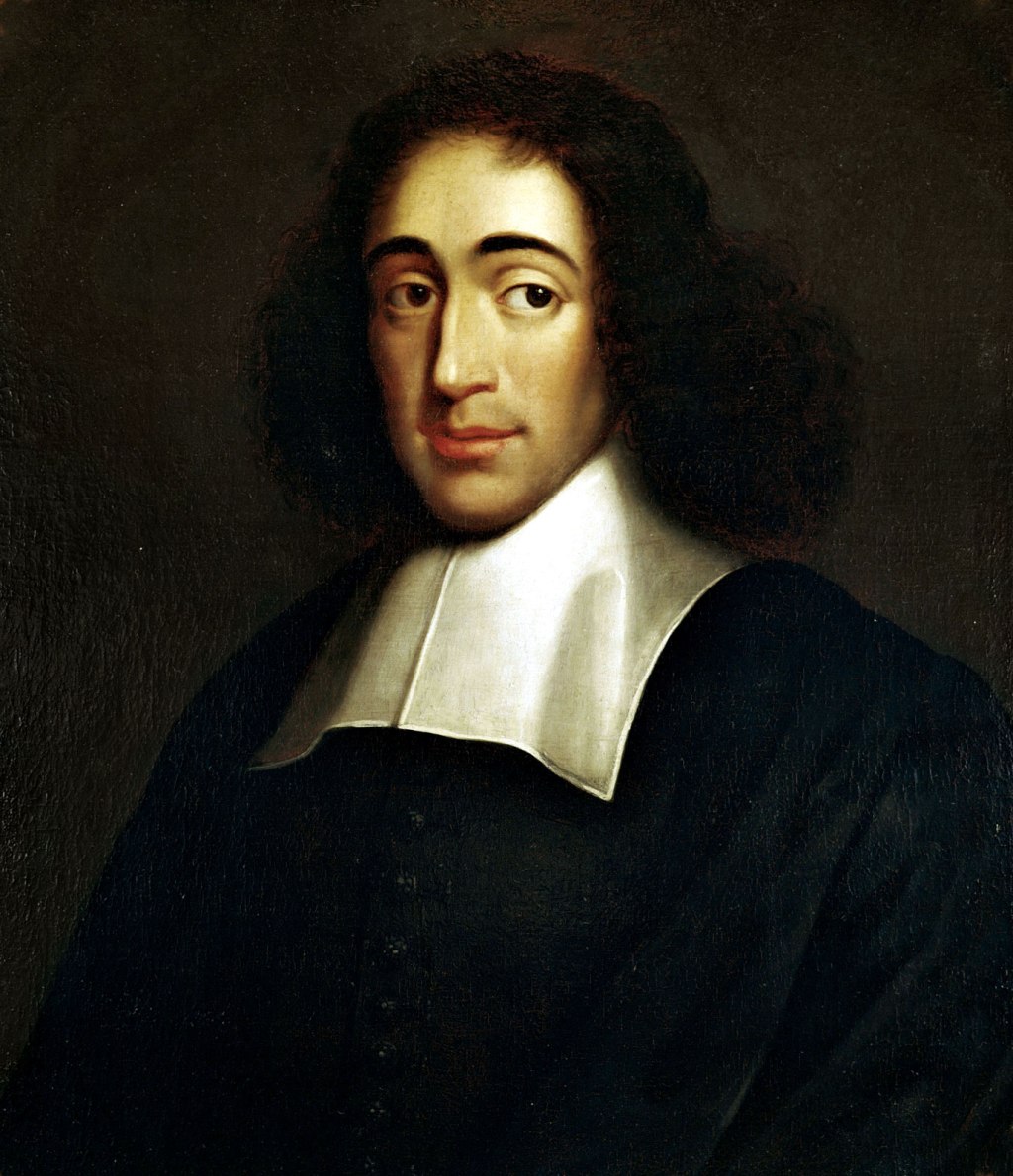
Baruch Spinoza (1632–1677) was a pivotal figure in Western philosophy, known for his radical rationalism and monistic metaphysics. Excommunicated from his Jewish community, he promoted a naturalistic view of religion, emphasizing the unity of God and Nature. Influencing modern thought, Spinoza’s ideas sparked debates on ethics, freedom, and political theory.
-

Alan Woods’s “Bolshevism: The Road to Revolution” provides a comprehensive Marxist analysis of the Bolshevik Party’s origins and evolution. The book highlights the ideological and strategic foundations of Bolshevism, distinguishing it from Stalinism, and emphasizes the significance of theory in revolutionary practice. This work serves as an essential resource for understanding socialist movements.
-

Christian Rakovsky (1873–1941) was a key Marxist revolutionary and diplomat influential in the Bolshevik movement. He advocated for socialist internationalism and played significant roles in Ukraine and as Soviet ambassador to France. Ultimately, his opposition to Stalinist policies led to his expulsion from the Communist Party and execution during the Great Purge.
-
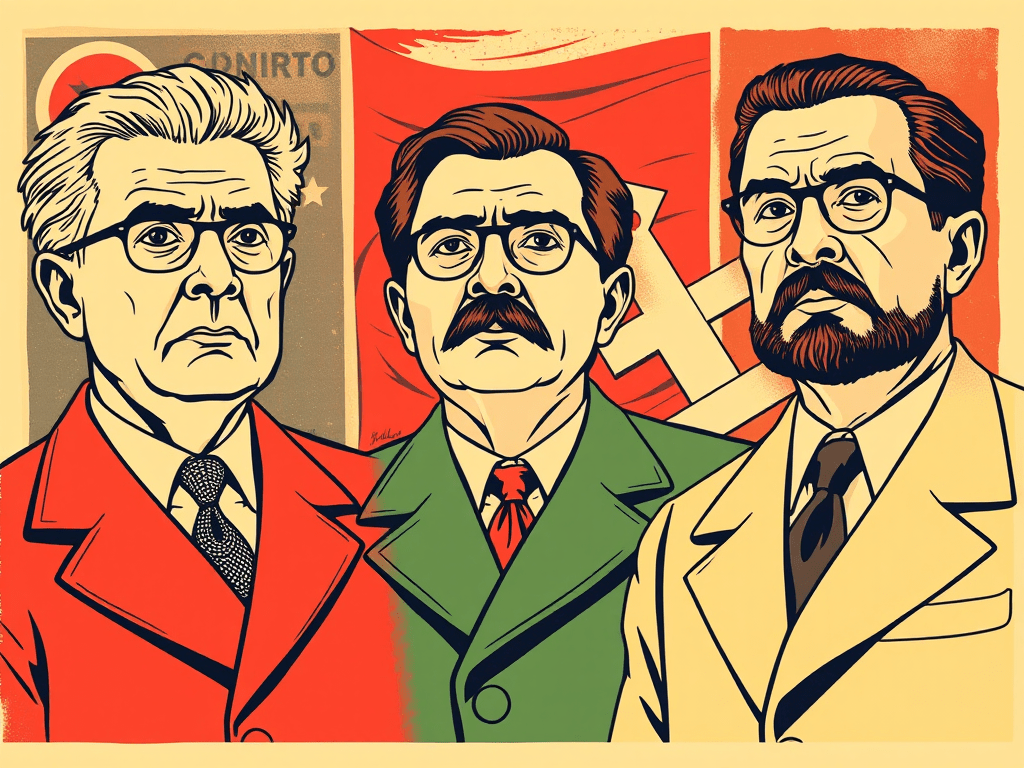
The Italian Communist Party (PCI), established in 1921, evolved from a revolutionary group to a significant democratic socialist force before dissolving in 1991. Key leaders like Gramsci and Berlinguer shaped its ideology, balancing Stalinist influences with democratic reforms. Its dissolution marked a pivotal transition in European politics, reflecting broader historical changes.
-

Adolph Joffe (1883-1927) was a key figure in early Soviet history, transitioning from Menshevism to Bolshevism. He contributed significantly as a diplomat, representing Soviet interests in Germany and China, while opposing Stalin’s rising power. His commitment to revolutionary ideals ultimately led to his marginalization and suicide, highlighting the regime’s internal conflicts.
-

John Maclean (1879–1923) was a pivotal figure in early 20th-century British Marxism, advocating for revolutionary socialism in Scotland. A dedicated educator and anti-war activist, his efforts in organizing and promoting Marxist theory marked a significant contribution to the working-class movement. Maclean’s legacy continues to inspire socialist thought today.
-

Caio Dezorzi’s article critiques the UN’s MINUSTAH mission in Haiti, portraying it as an imperialist intervention that continues to undermine Haiti’s sovereignty since 1804. The analysis details political crises, foreign control, and the rise of gangs from 2015 to 2025, emphasizing the need for a revolutionary movement to combat imperialist exploitation.
-
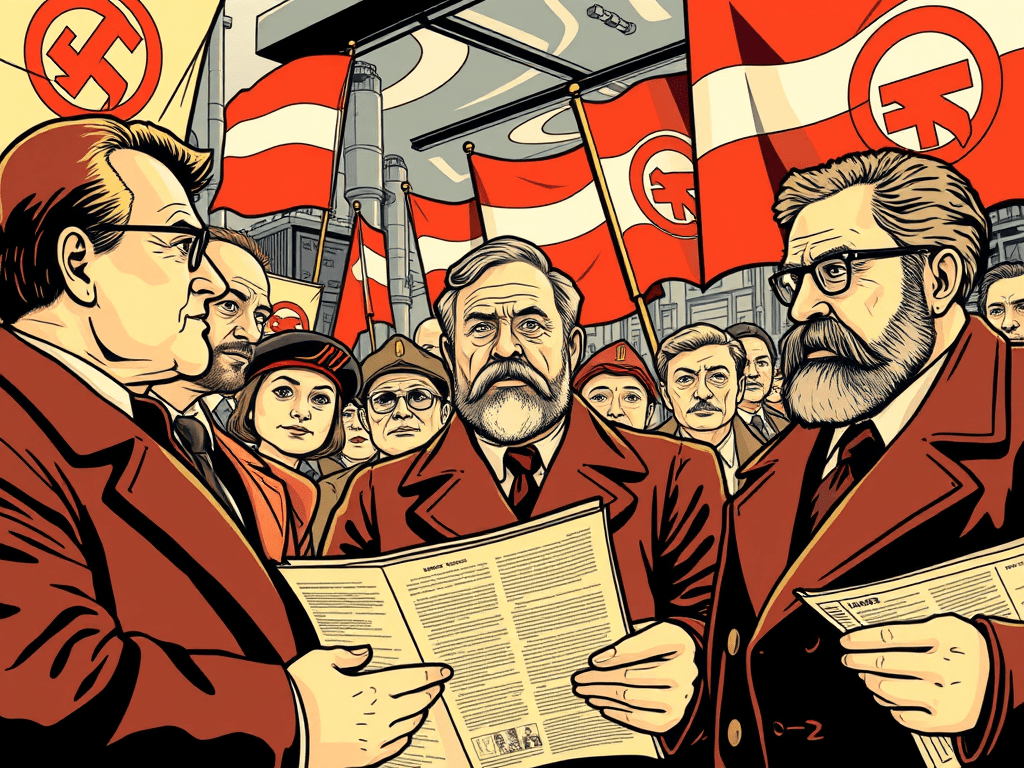
Austromarxism emerged in early 20th-century Austria, aiming to merge Marxism with nationalism and democratic principles. Key figures, such as Otto Bauer and Karl Renner, advocated for national autonomy and a gradual transition to socialism through democratic means. Despite significant theoretical contributions and the successful “Red Vienna” reforms, Austromarxism ultimately crumbled under fascism, leaving a complex…
-
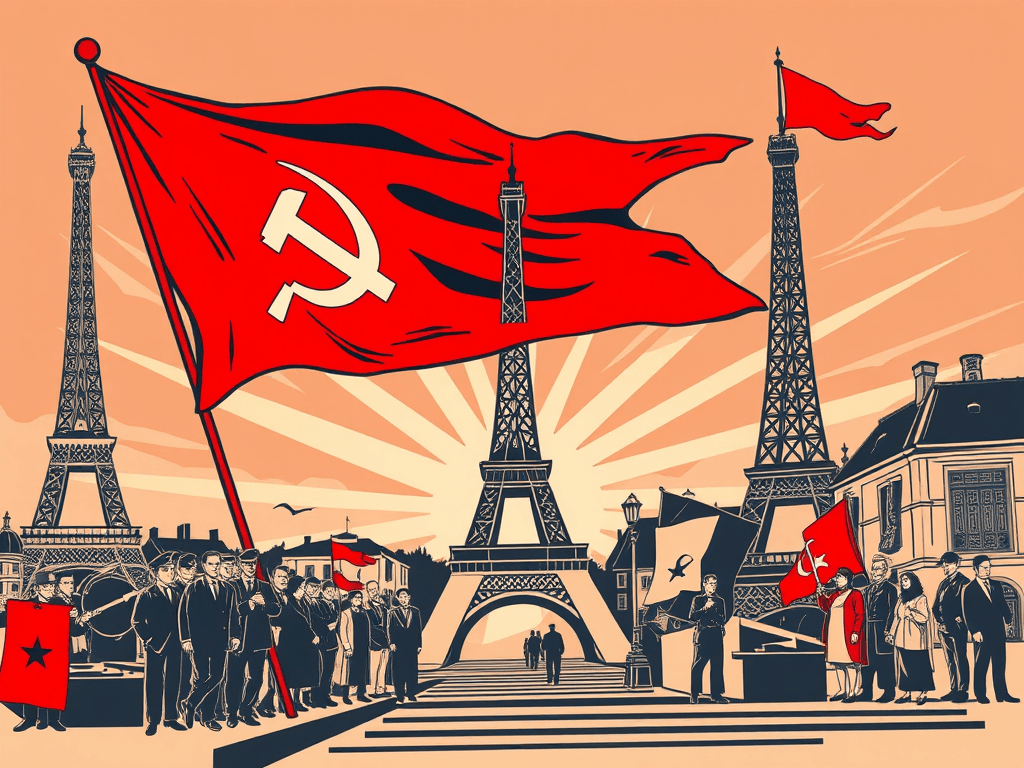
The French Communist Party (PCF), founded in 1920, emerged from a split in socialism, gaining significant influence in 20th-century France. It opposed fascism, contributed to labor rights, and played a pivotal role in the French Resistance during WWII. However, alignment with the Soviet Union and economic shifts diminished its power, but it remains active advocating…
-
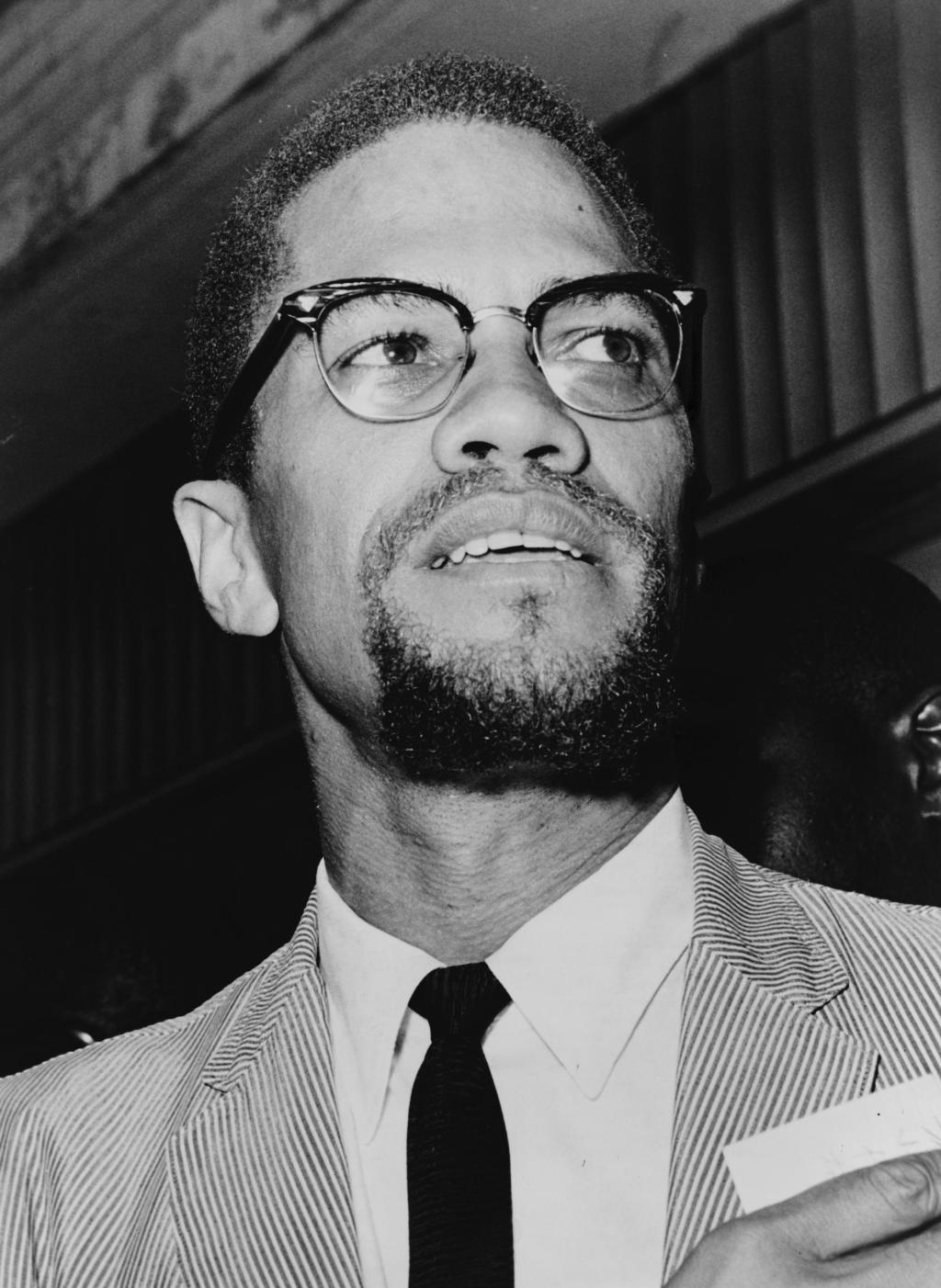
Malcolm X, born Malcolm Little in 1925, experienced profound early challenges, influencing his understanding of systemic racism. After prison, he became a prominent leader of the Nation of Islam, advocating for Black empowerment. His later years focused on international human rights, socialism, and revolutionary change. He was assassinated in 1965, leaving a lasting legacy.
 Letters from Tomis