History
-
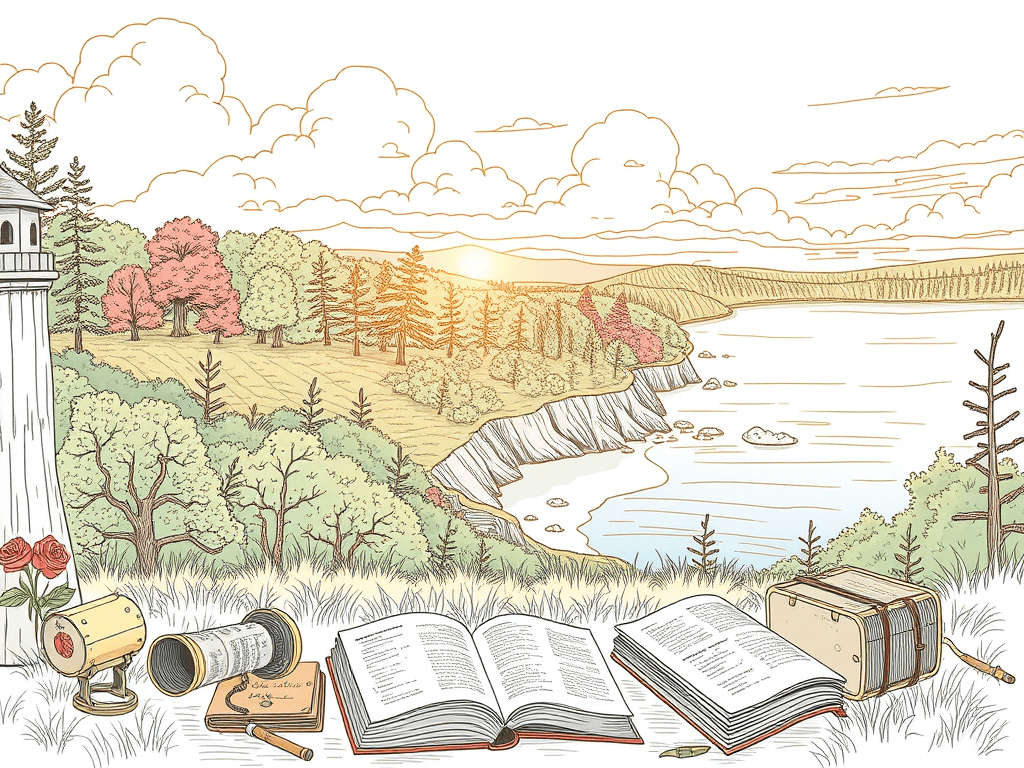
Ben Shattuck’s The History of Sound: Stories is a collection of twelve interconnected tales set in New England, exploring themes of memory, loss, and identity across three centuries. Utilizing a unique couplet structure, the narratives intertwine personal and historical artifacts, creating a layered exploration of how the past shapes present realities.
-
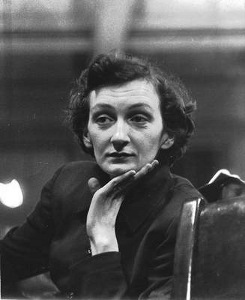
Anne McCarty Braden (1924–2006) evolved from a segregationist upbringing to become a prominent white ally in the civil rights movement. Her activism, sparked by the Turner case, emphasized the structural nature of racism and the necessity of anti-capitalist transformation, creating a lasting legacy of interracial solidarity and dissent against oppression.
-
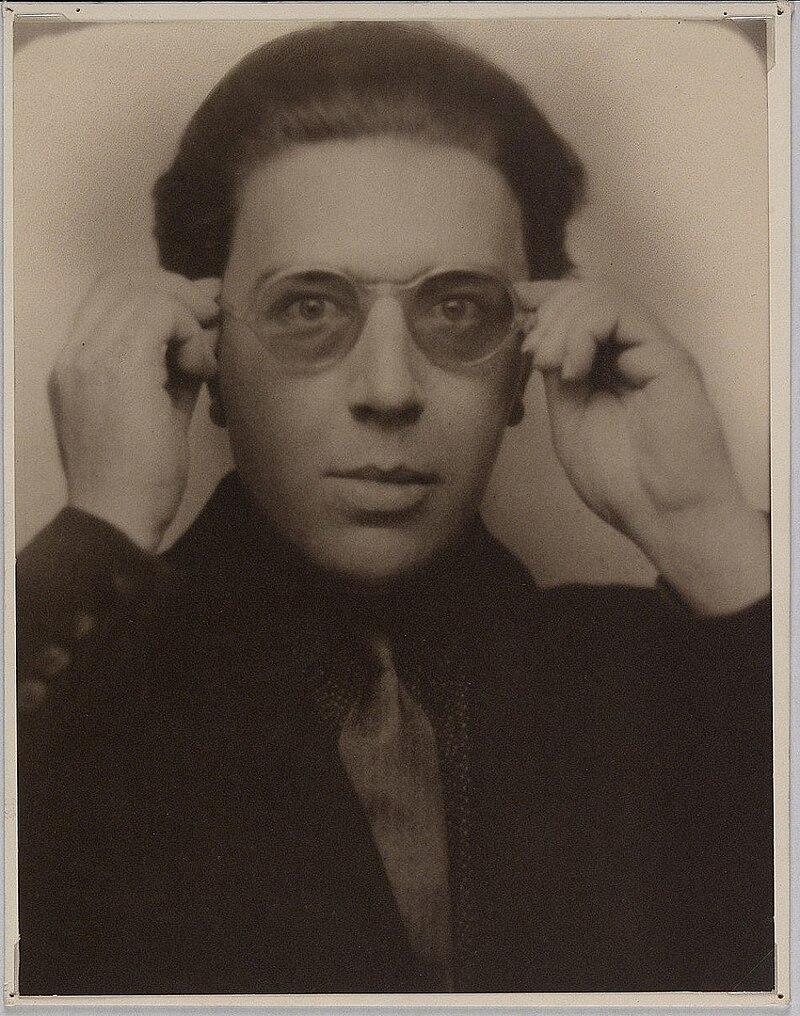
André Breton, born in 1896, was a key figure in Surrealism, blending literary and political pursuits. Initially influenced by Symbolist writers and psychiatry, Breton’s Dada involvement led to automatic writing, defining Surrealism in 1924. His complex relationship with Marxism aimed to connect art and revolution, impacting 20th-century cultural history significantly.
-

James Davidson’s “Courtesans and Fishcakes” explores Athenian social life through a lens of consumption, emphasizing class relations and material production. By focusing on food, sex, and political discourse, Davidson reveals how pleasures are intertwined with labor exploitation in a slave-based economy, prompting a Marxist critique of cultural practices and underlying socio-economic frameworks.
-
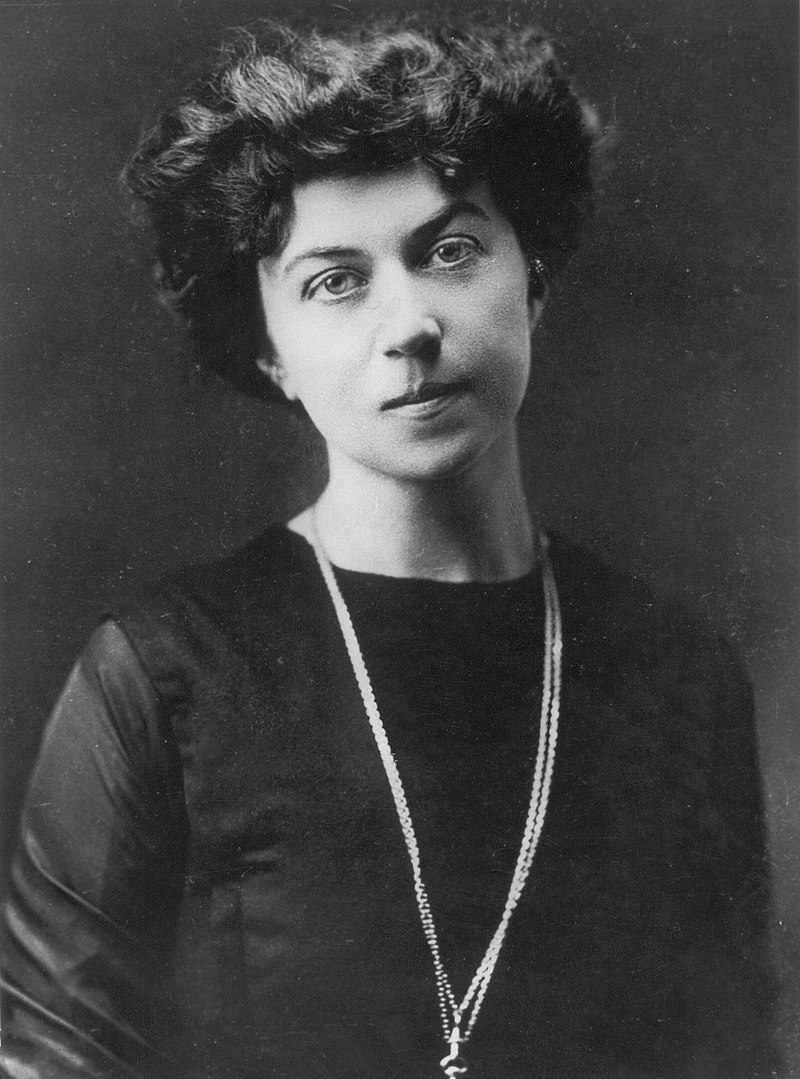
Alexandra Kollontai (1872–1952), a prominent socialist and the first female minister in history, challenged gender oppression under capitalism through Marxist ideology. A key figure in the Bolshevik Revolution, she advocated for women’s rights and social reforms, later criticizing bureaucratic centralization. Despite her marginalization, her feminist theories continue to influence contemporary thought.
-
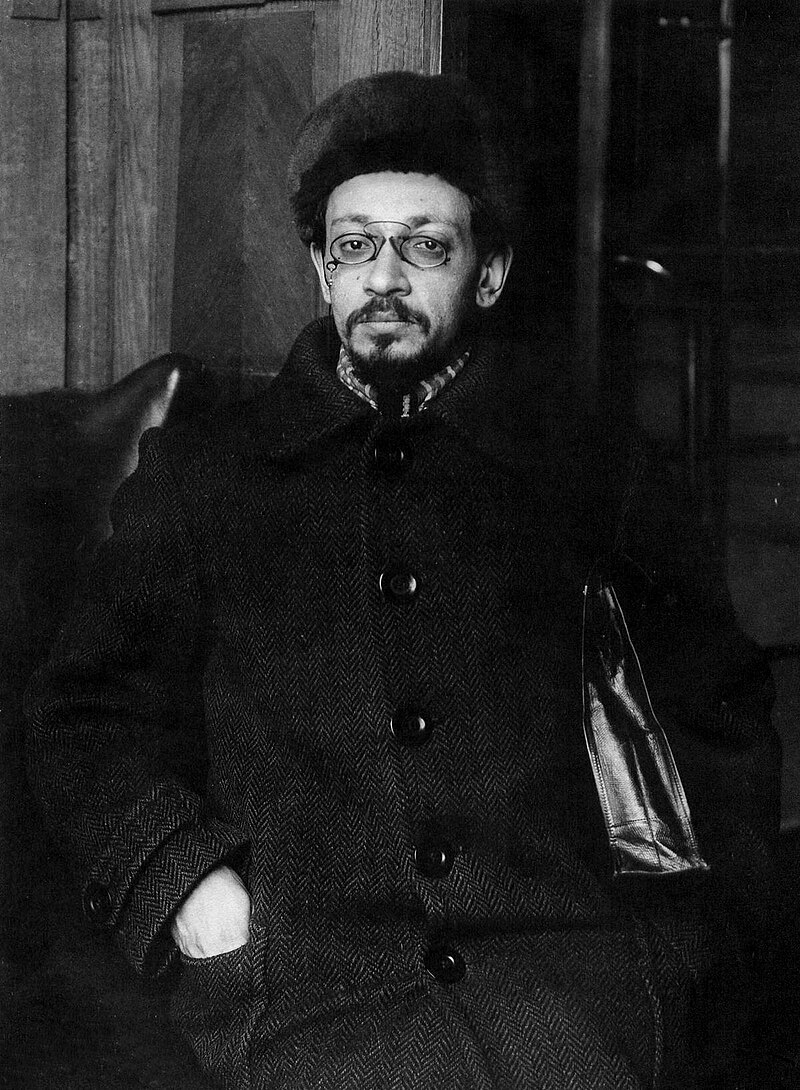
Yakov Sverdlov (1885–1919) was a key figure in the Russian Revolution, known for his organizational skills within the Bolshevik party. As the first head of the Soviet state, he played an essential role in consolidating power and developing the party-state structure. His early death curtailed a potentially significant political legacy.
-

My Socialist Hall of Fame During this chaotic era of vile rhetoric and manipulative tactics from our so-called bourgeois leaders, I am invigorated by the opportunity to reflect on Socialists, Revolutionaries, Philosophers, Guerrilla Leaders, Partisans, and Critical Theory titans, champions, and martyrs who paved the way for us—my own audacious “Socialism’s Hall of Fame.” These…
-

Upton Sinclair (1878–1968) was a prominent American novelist and social activist known for his work, particularly The Jungle, which exposed industrial capitalism’s social injustices. His literary career, marked by nearly 100 books, demonstrated his commitment to socialism and social reform, profoundly influencing American public opinion on labor and class issues during the early 20th century.
-

My Socialist Hall of Fame During this chaotic era of vile rhetoric and manipulative tactics from our so-called bourgeois leaders, I am invigorated by the opportunity to reflect on Socialists, Revolutionaries, Philosophers, Guerrilla Leaders, Partisans, and Critical Theory titans, champions, and martyrs who paved the way for us—my own audacious “Socialism’s Hall of Fame.” These…
-

Pierre-Joseph Proudhon, a foundational figure in radical thought, was the first self-identified anarchist, known for his critique of capitalism and advocacy of mutualism. His works challenged traditional notions of property and authority, influencing 19th-century socialism and inspiring later anarchists. Proudhon’s legacy continues to provoke discussion on liberty and justice.
 Letters from Tomis