History
-
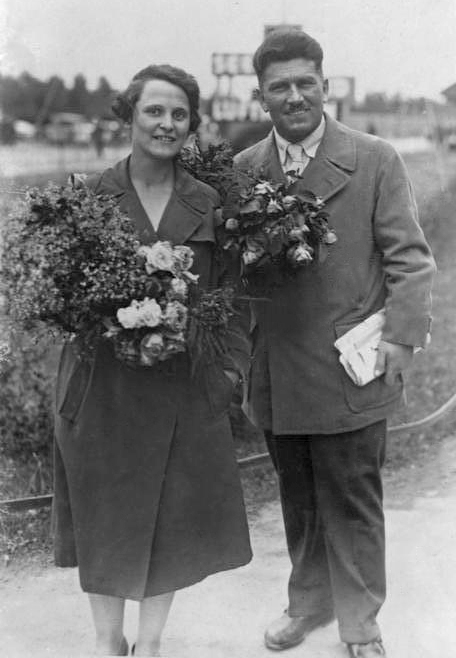
Max Hoelz was a key figure in the revolutionary movements of Weimar Germany, known for his militant approach rather than formal party ideology. His life journey from working-class poverty to leading armed uprisings in a chaotic political landscape highlights the tensions between revolutionary action, mass politics, and state repression, illustrating the complex dynamics of class…
-
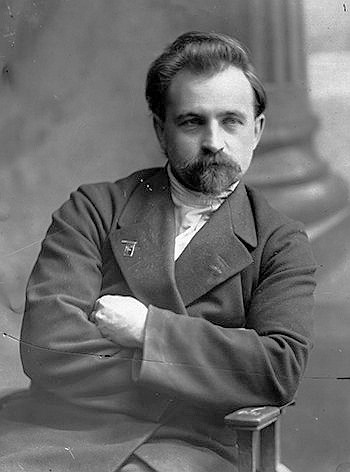
Yevgeny Preobrazhensky was a key figure in the Russian Revolution, known for his intellectual contributions to Marxist economics. As a Bolshevik, he theorized the complexities of socialist construction in Russia, focusing on “primitive socialist accumulation.” His political stance aligned with the Left Opposition, leading to his marginalization and execution during Stalin’s purges.
-
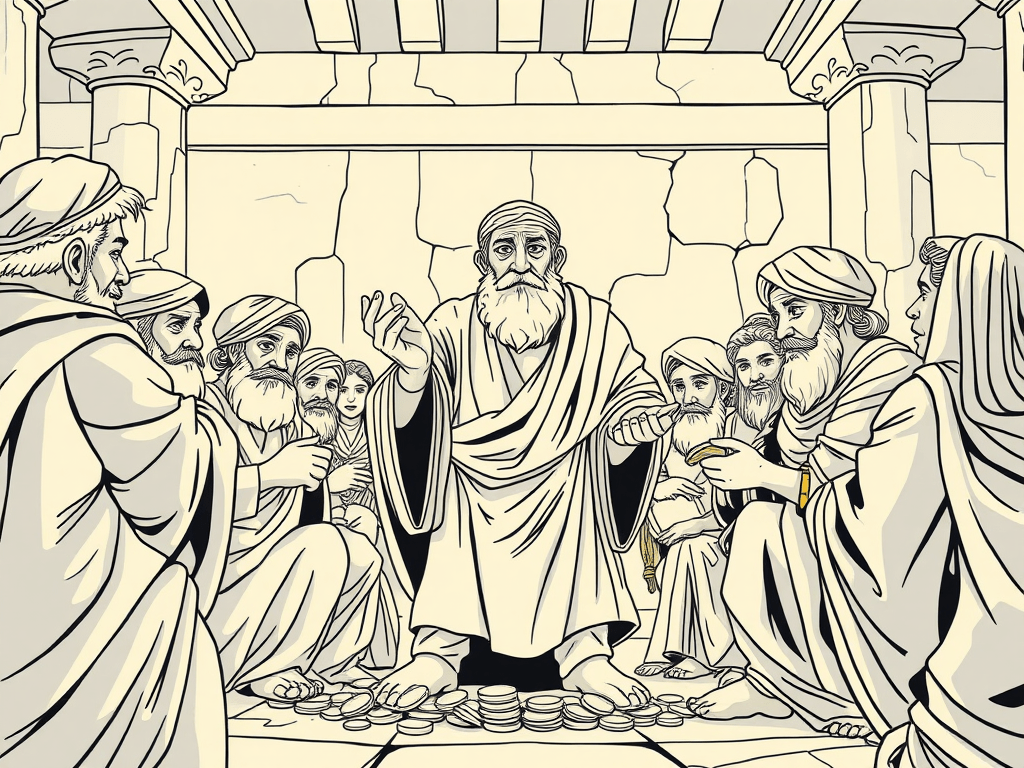
Aristophanes’s “Wealth” critiques social inequality through the character of Ploutos, illustrating how wealth distribution is morally flawed rather than a critique of ownership. The play highlights the paradox of poverty as a necessary discipline for labor while framing solutions within a conservative, reformist ideology that seeks comfort for the middle class rather than systemic change.
-
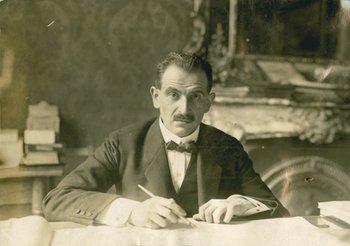
Otto Bauer was a pivotal Marxist theorist in early 20th-century Europe, known for integrating revolutionary Marxism with democratic practice amid the Habsburg Empire’s crises. His work on nationalism and socialism sought to address multiethnic complexities. Despite significant contributions, his reformist strategies faced challenges, culminating in the decline of Austrian socialism post-1934.
-
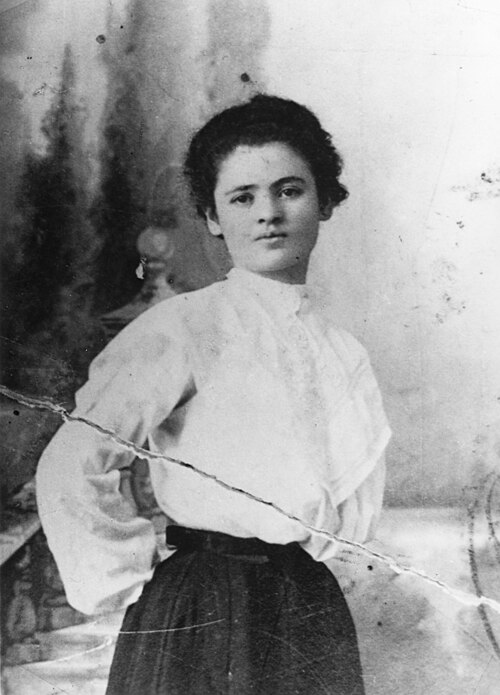
Clara Lemlich (1886–1982) was a Jewish immigrant garment worker whose militant socialism and feminist labor activism helped ignite the 1909 “Uprising of the 20,000.” A rank-and-file organizer, she fused workplace struggle, women’s emancipation, and community activism into a lifelong commitment to working-class power.
-
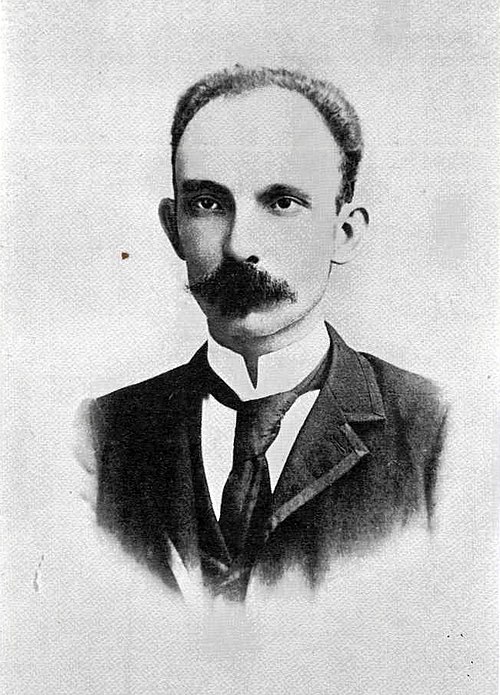
José Martí was a prominent Cuban poet and political thinker whose work profoundly influenced anti-imperialism and nationalism in the Americas. Born in 1853, his writings advocated for independence, racial equality, and civic virtue. Martí’s legacy is significant in shaping Latin American identity and revolutionary thought, emphasizing justice and resistance against oppression.
-
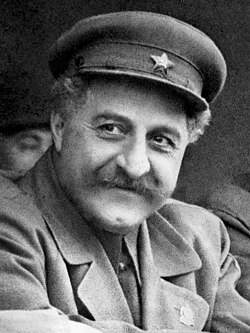
Sergo Ordzhonikidze, a prominent Bolshevik figure during the Stalin era, transitioned from revolutionary to key economic administrator, notably as People’s Commissar of Heavy Industry. His integration of the Caucasus into Soviet governance and eventual coerced death in 1937 illustrate the perilous nature of Stalin’s regime, marking him as both a modernizer and a victim of…
-

Alan Woods’ “Ireland: Republicanism and Revolution” examines Irish republicanism through a Marxist lens, arguing that its historical struggles intertwine with class dynamics rather than merely national identity. Woods emphasizes the need for working-class politics in any reunification efforts, critiquing past compromises that stabilized capitalist order while grappling with the complex nature of republicanism’s varied traditions.
-
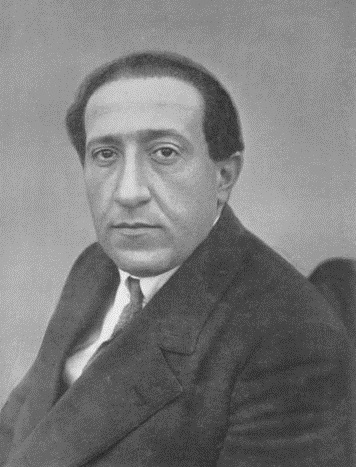
József Pogány was a Hungarian communist revolutionary and journalist active during WWII and the Hungarian Soviet Republic of 1919. His career reflected the challenges faced by revolutionary intellectuals amid political turmoil. After exile from Hungary, he engaged with the Comintern but was ultimately arrested and executed during Stalin’s Great Purge in 1938.
-
Ian W. Toll’s “Twilight of the Gods” concludes his Pacific War trilogy, exploring the final phase of the conflict from mid-1944 to 1945. The book intricately weaves operational history with high command decisions, emphasizing the complexities of American and Japanese military strategies. Toll highlights institutional dynamics, moral dilemmas, and the profound human costs of war,…

