Germany
-

Rob Sewell’s “Germany: From Revolution to Counter-Revolution” offers a concise, politically engaged retelling of the German revolutionary period, emphasizing leadership and mass agency. While it lacks original archival research and simplifies complex narratives, it effectively serves as an accessible pedagogical tool for revolutionary students and activists, stimulating critical reflection on historical events.
-

Gerhart Eisler (1897–1968), a German communist intellectual and operative, navigated the political landscape from Weimar Germany to the Cold War. Known for his influential role in the Comintern and later in East Germany, his life reflects the complexities of Marxism, illustrating the tensions between revolutionary ideals and bureaucratic realities.
-

Erich Fromm was a German social psychologist and philosopher who shaped 20th-century thought by integrating psychology and Marxism. His work highlighted individual alienation in capitalism and advocated for humanistic socialism and ethics of love. Fromm’s influential writings explored freedom, love, and the social character, leaving a lasting impact across multiple disciplines.
-
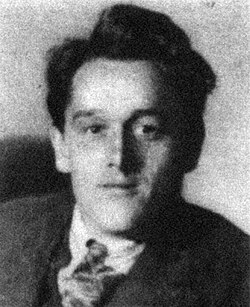
Willi Münzenberg (1889–1940) was a significant figure in early international communism, known for transforming propaganda into a mass persuasion tool. He organized efforts for the Communist International, blending media with ideology. His eventual disillusionment with Stalinism led to a political split and exile, culminating in his mysterious death. His legacy remains influential in political communication…
-
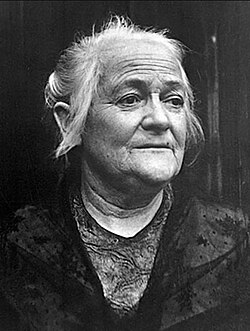
Klara Zetkin (1857–1933) was a revolutionary Marxist and feminist theorist, central to the socialist women’s movement. Advocating the link between class and gender oppression, she founded International Women’s Day and actively opposed war and fascism. Her legacy influences contemporary Marxist-feminist thought and gender-labor debates within socialism.
-
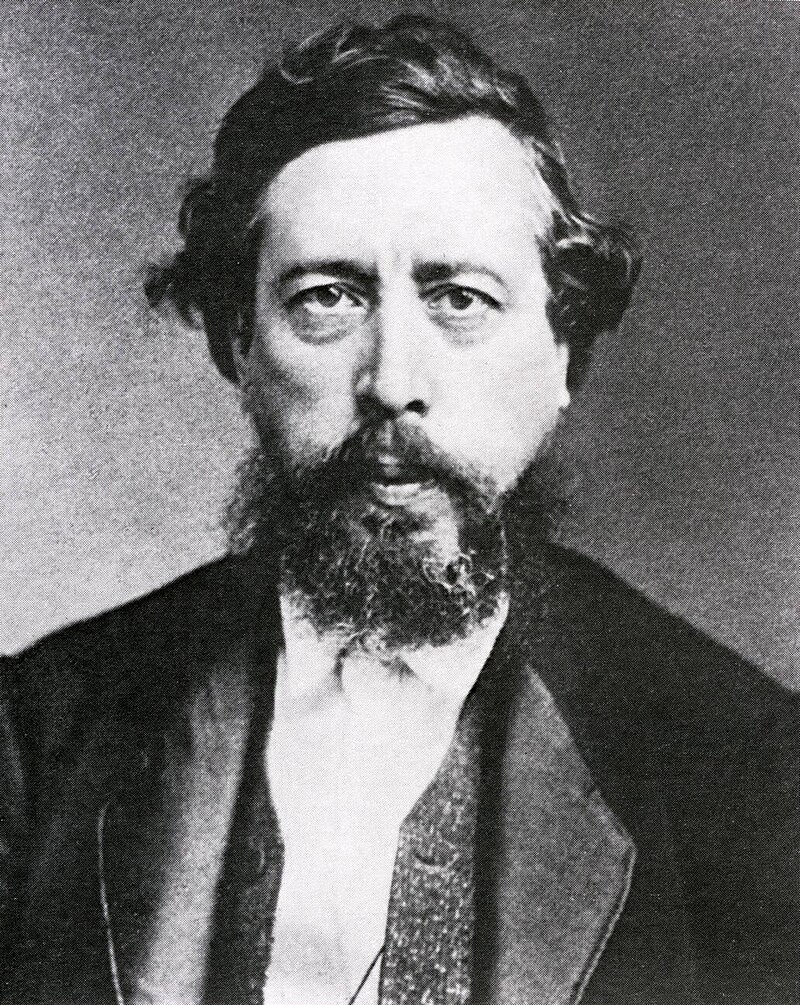
Wilhelm Liebknecht, born in 1826, faced early tragedies but pursued education and radical democratic thought. He became a key figure in the German labor movement and co-founded the Social Democratic Workers’ Party. He navigated political repression, advocating Marxist principles while opposing revisionism. Liebknecht’s legacy is pivotal in German social democracy.
-

Bryan Magee’s The Philosophy of Schopenhauer is a comprehensive and clear study of Schopenhauer’s thought, emphasizing his influence on Western philosophy. Magee adeptly contextualizes Schopenhauer’s ideas while making complex concepts accessible. The work’s interdisciplinary relevance and critical engagement with Schopenhauer’s limitations make it an essential read for scholars and students alike.
-
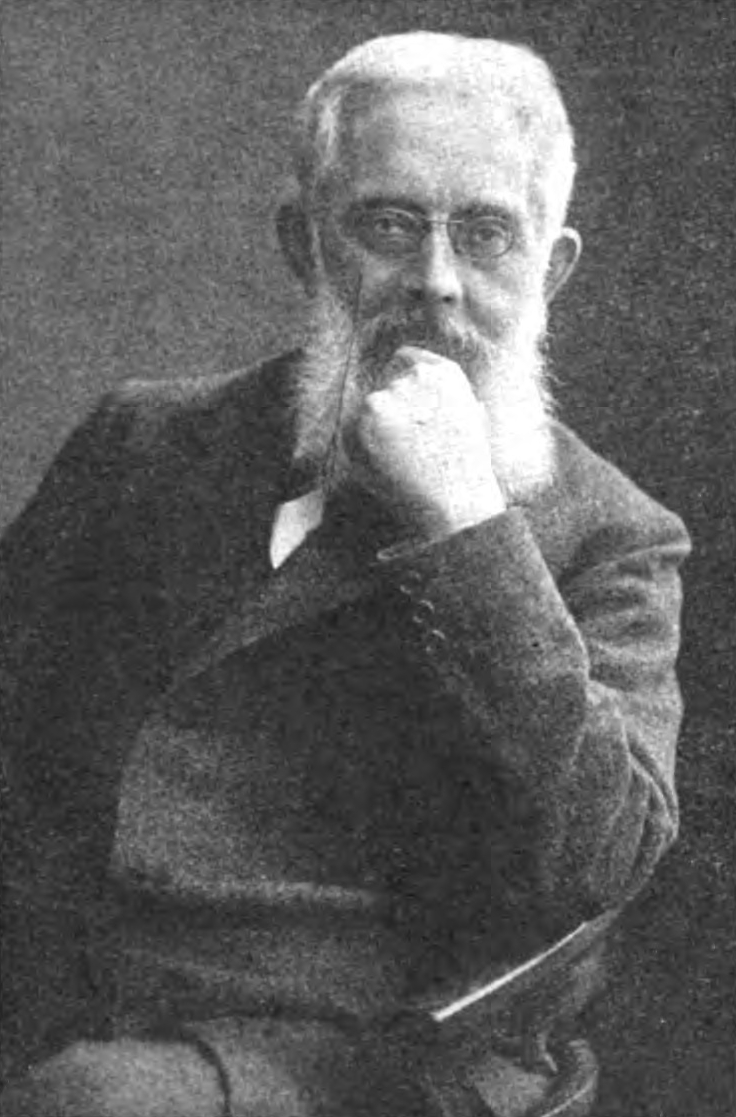
Franz Mehring (1846–1919) was a crucial figure in German Marxism, serving as historian, journalist, and political activist. His works, including a biography of Marx, highlight class struggle and critique bourgeois historiography. A founding member of the KPD, he embodied the tensions within socialism and left a lasting legacy in historical and literary criticism.
-

Ruth Fischer was a pivotal figure in the early European communist movement and a leader of the German Communist Party during the Weimar Republic. Her contributions reflected the tensions within revolutionary Marxism. After her expulsion from the KPD, she became an anti-Stalinist critic, publishing significant works. Fischer’s legacy illustrates the complexities of 20th-century revolutionary politics.
-

The German Communist Party (KPD) was founded in 1918, evolving through revolutionary turmoil and ideological shifts, primarily influenced by Luxemburgism and Marxism-Leninism. It ultimately faced repression under the Nazis and later transformed into the Socialist Unity Party in East Germany, while being banned in West Germany. The KPD’s complex legacy reflects its commitment to socialism,…
 Letters from Tomis