Communism
-
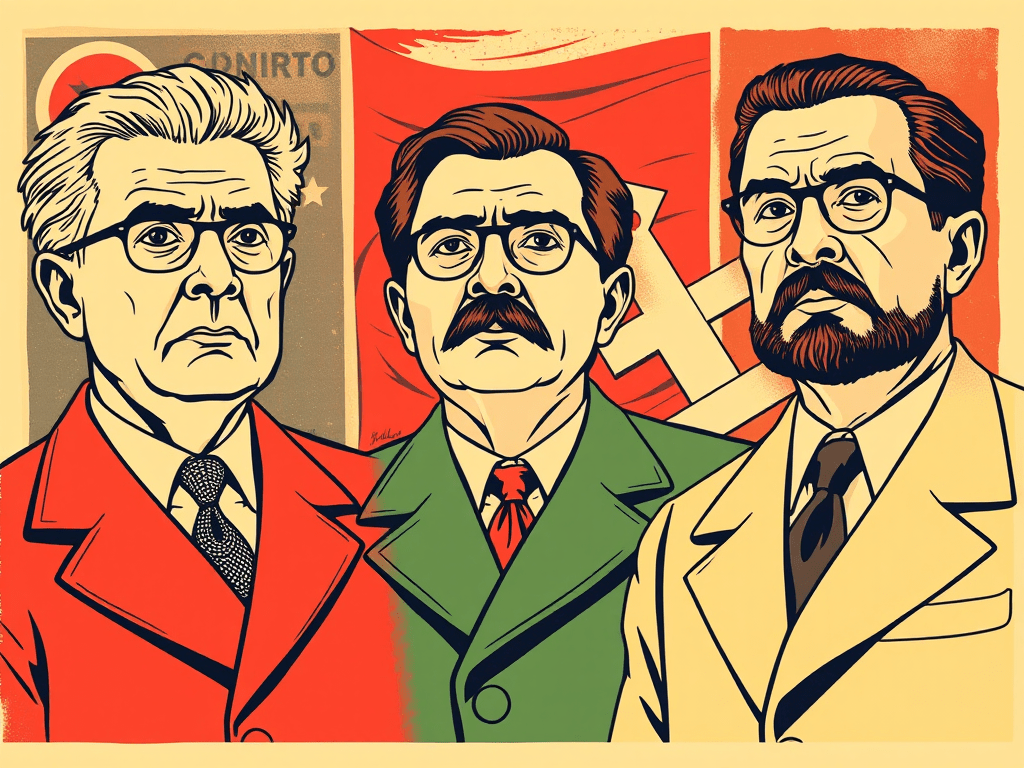
The Italian Communist Party (PCI), established in 1921, evolved from a revolutionary group to a significant democratic socialist force before dissolving in 1991. Key leaders like Gramsci and Berlinguer shaped its ideology, balancing Stalinist influences with democratic reforms. Its dissolution marked a pivotal transition in European politics, reflecting broader historical changes.
-
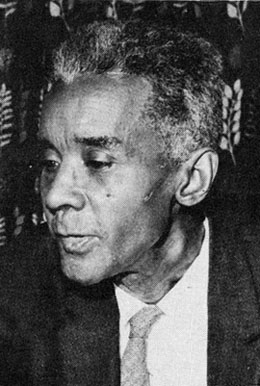
Cyril Lionel Robert James (1901–1989) was a Trinidadian Marxist historian and cultural critic, renowned for his work The Black Jacobins. Influencing post-colonial theory, he championed socialist democracy and black liberation. His contributions spanned politics, literature, and sports, establishing him as a pivotal figure in Marxist thought and anti-colonial movements.
-
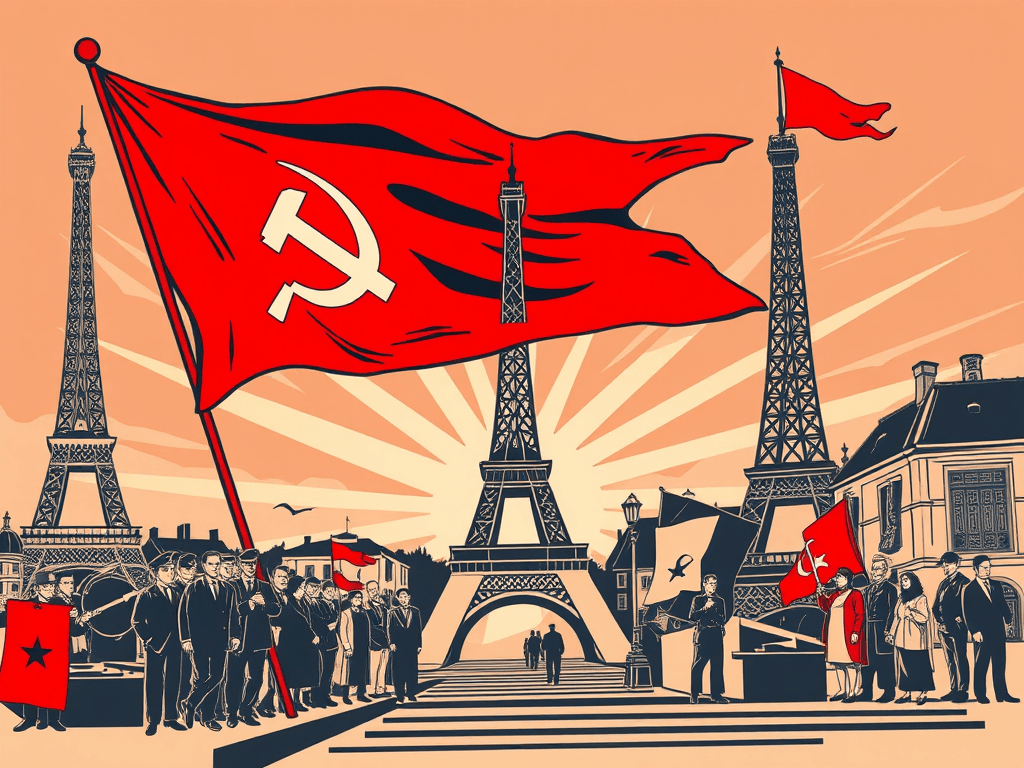
The French Communist Party (PCF), founded in 1920, emerged from a split in socialism, gaining significant influence in 20th-century France. It opposed fascism, contributed to labor rights, and played a pivotal role in the French Resistance during WWII. However, alignment with the Soviet Union and economic shifts diminished its power, but it remains active advocating…
-

The text discusses the political essence of financial capital, emphasizing its role in perpetuating capitalism and imperialism. It highlights key insights from Marx, Engels, and Lenin, illustrating how finance acts as a weapon for the bourgeoisie and fuels global inequality. The conclusion advocates for revolutionary action to dismantle finance capital’s oppressive structures.
-

The lecture analyzes China’s transition from a socialist economy to capitalism, emphasizing the rise of a newly proletarian class amidst capitalist inequalities and ecological challenges. The Chinese Communist Party, now resembling a bourgeois entity, faces potential revolutionary upheaval as tensions mount, with predictions of significant social and political crises ahead.
-
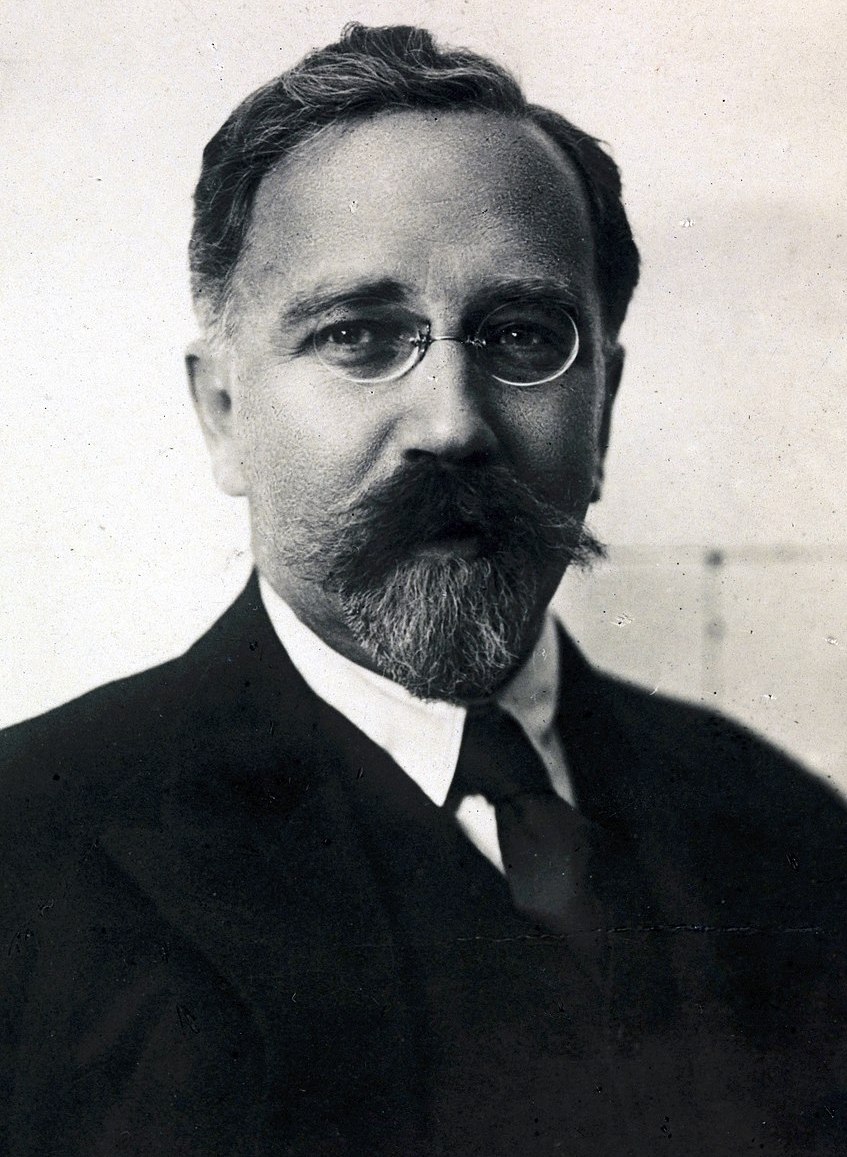
Lev Kamenev was a key Bolshevik revolutionary and early Soviet leader, closely associated with Lenin. He opposed the October Revolution’s timing but played significant roles in Soviet governance and policy. Ultimately critical of Stalin, he joined the United Opposition, was purged, and executed during the Great Purge, highlighting the tragic fate of early Bolsheviks.
-

The content analyzes China’s economic transformation from the late 1970s to the early 2000s, focusing on capitalist restoration under bureaucratic leadership. Key themes include the role of the Communist Party in this transition, the decline of worker rights, and the emergence of capitalism, culminating in China’s integration into the global capitalist system by 2001.
-
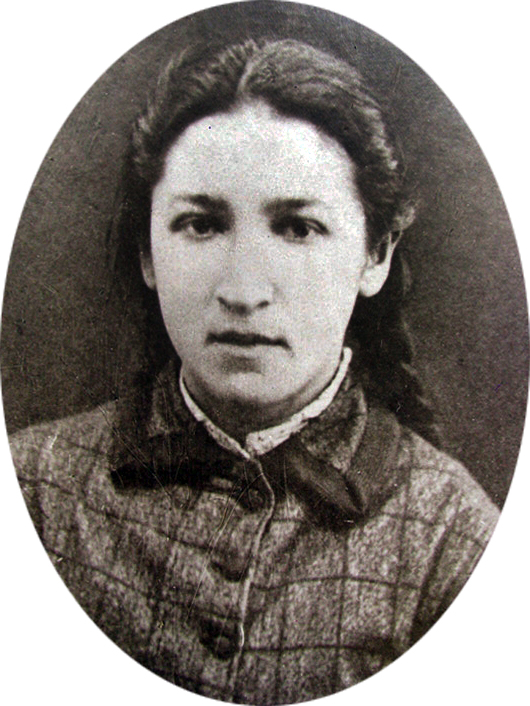
Vera Ivanovna Zasulich was a prominent Russian revolutionary and Marxist theorist, known for her 1878 assassination attempt on General Trepov. Initially influenced by populism, she became a key figure in introducing Marxist ideas in Russia, co-founding the Emancipation of Labor Group. Her later years saw a departure from active politics, especially post-1917 Revolution.
-
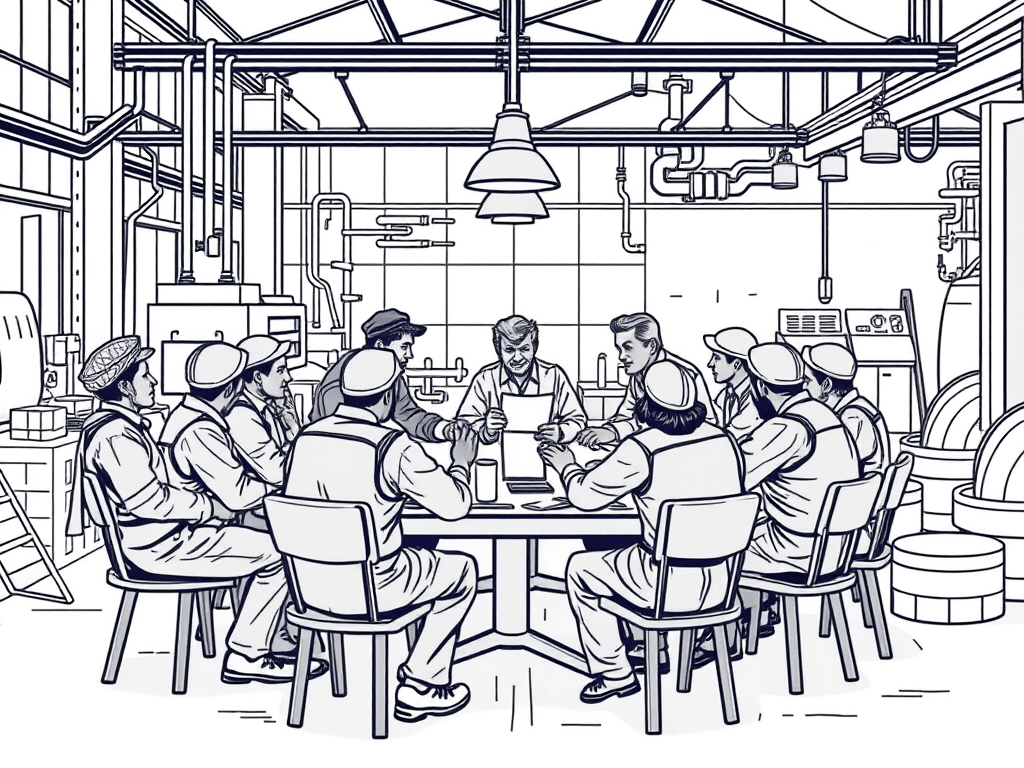
Council communism emerged in the early 20th century as a Marxist ideology advocating socialism through workers’ councils rather than centralized party rule. It critiques Leninism for its authoritarianism and argues for direct worker self-management. Although a mass movement subsided by the 1930s, its ideas continue to influence contemporary discussions on grassroots democracy and socialism.
-
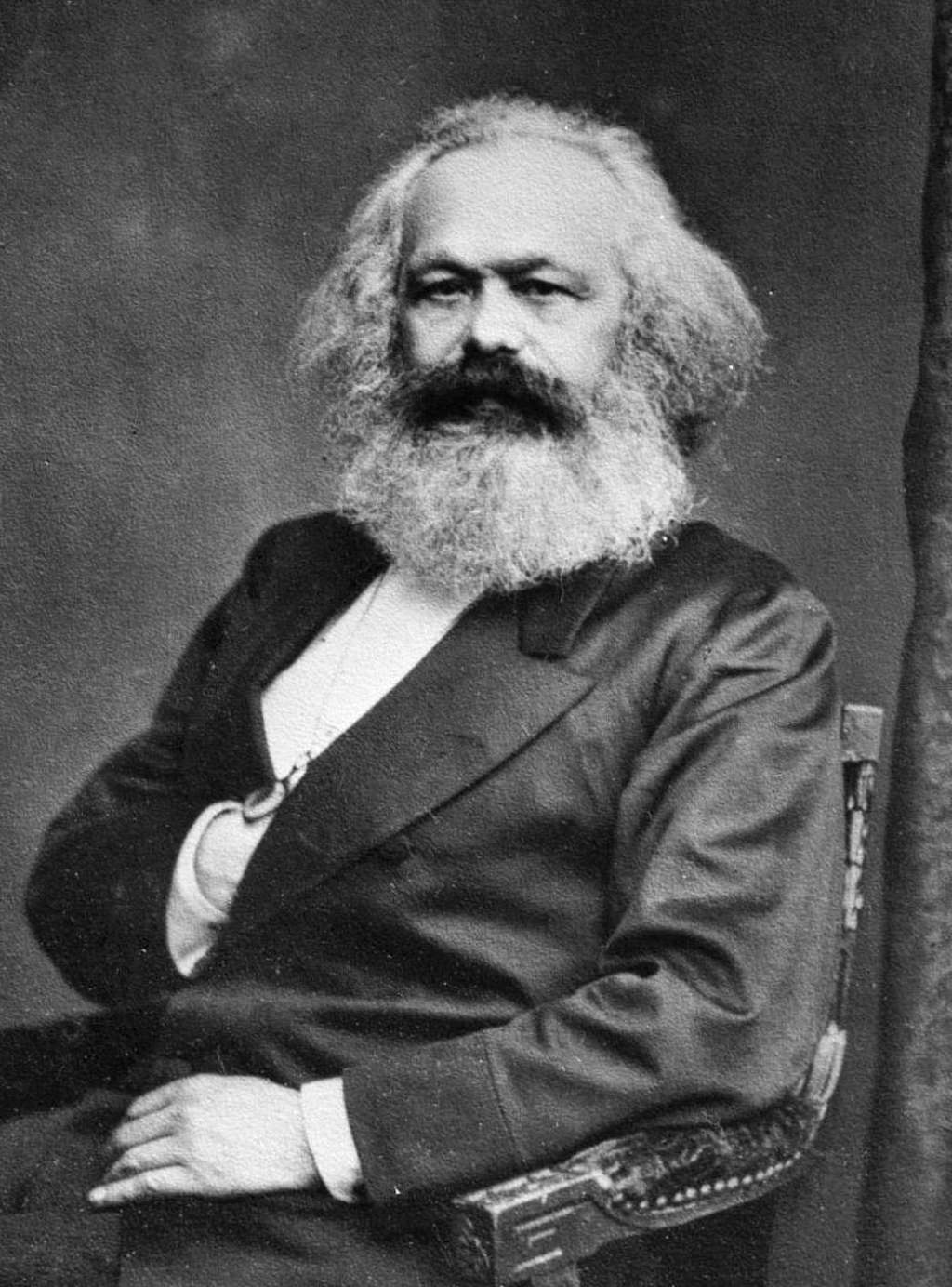
My Socialist Hall of Fame During this chaotic era of vile rhetoric and manipulative tactics from our so-called bourgeois leaders, I am invigorated by the opportunity to reflect on Socialists, Revolutionaries, Philosophers, Guerrilla Leaders, Partisans, and Critical Theory titans, champions, and martyrs who paved the way for us—my own audacious “Socialism’s Hall of Fame.” These…
 Letters from Tomis