Communism
-

Council communism emerged in the early 20th century as a Marxist ideology advocating socialism through workers’ councils rather than centralized party rule. It critiques Leninism for its authoritarianism and argues for direct worker self-management. Although a mass movement subsided by the 1930s, its ideas continue to influence contemporary discussions on grassroots democracy and socialism.
-
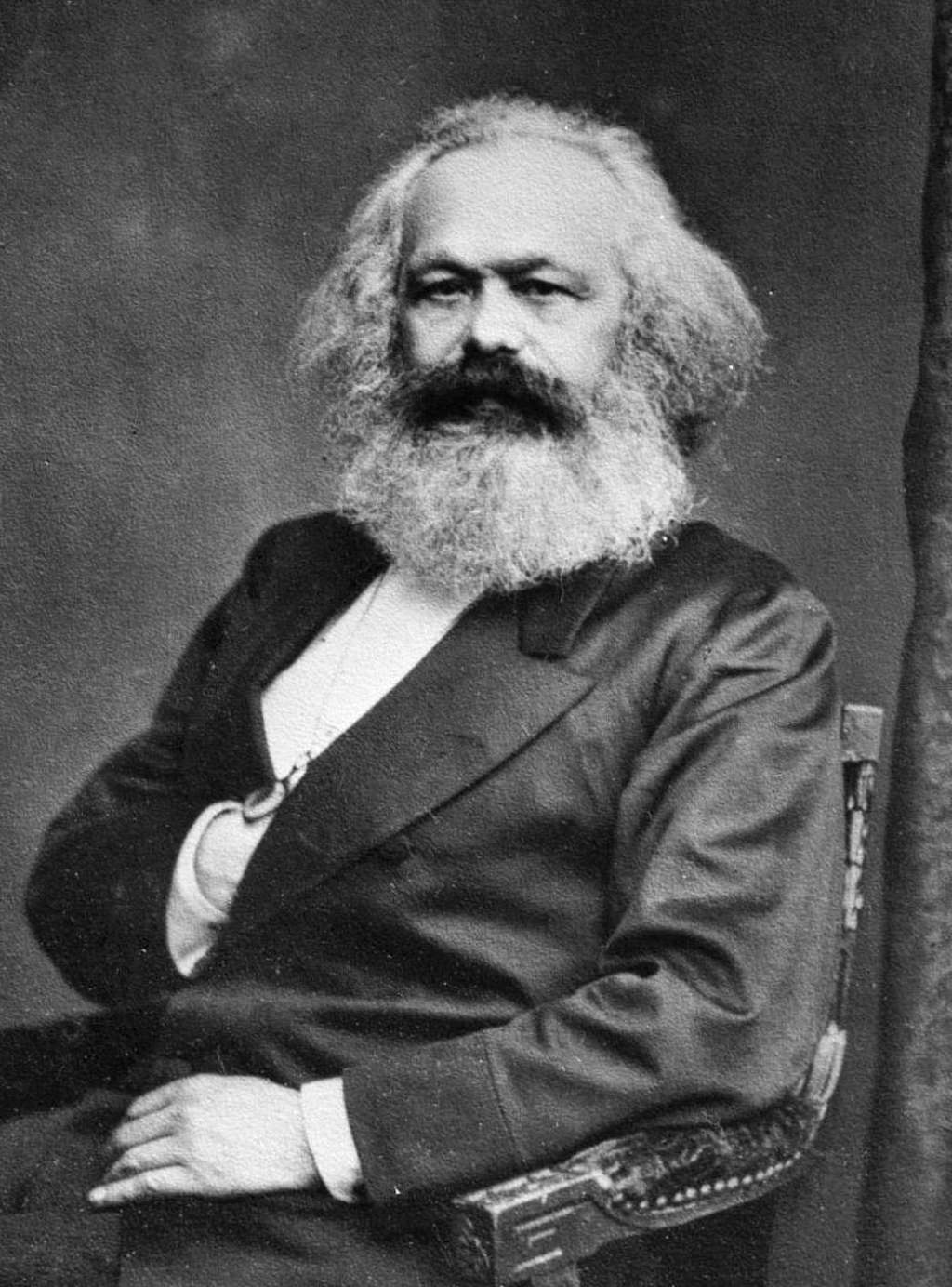
My Socialist Hall of Fame During this chaotic era of vile rhetoric and manipulative tactics from our so-called bourgeois leaders, I am invigorated by the opportunity to reflect on Socialists, Revolutionaries, Philosophers, Guerrilla Leaders, Partisans, and Critical Theory titans, champions, and martyrs who paved the way for us—my own audacious “Socialism’s Hall of Fame.” These…
-

Friedrich Engels’ The Origin of the Family, Private Property and the State remains vital in Marxist theory, analyzed in the 2020 Wellred Books edition. Rob Sewell’s introduction contextualizes Engels’ claims on the evolution of family, property, and state, especially regarding gender inequality. This edition enhances accessibility and relevance for contemporary discussions on social inequality.
-
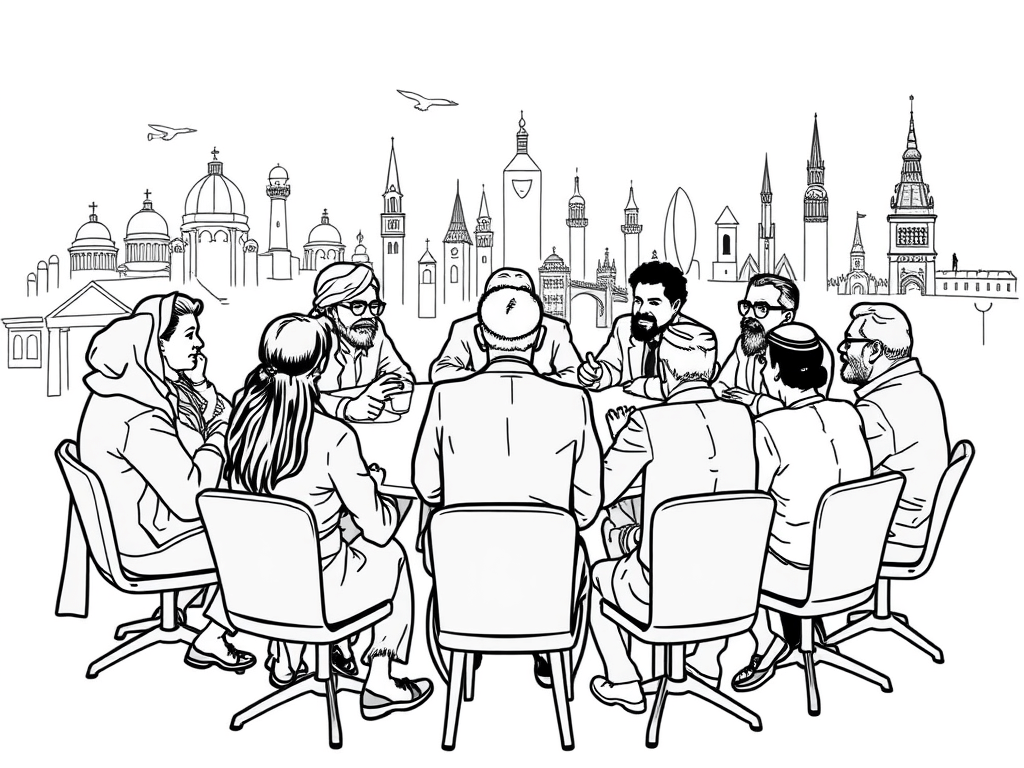
Between 2015 and 2025, Marxist philosophy revived globally, reshaping itself through dialogues with feminism, critical race theory, and ecological thought. Influential figures emerged in various regions, enriching traditional Marxism by addressing contemporary socio-economic and environmental issues. This evolution reflects Marxism’s adaptability in confronting modern challenges and diverse forms of oppression.
-

Friedrich Engels was a key figure in developing Marxist theory, co-authoring The Communist Manifesto and collaborating with Karl Marx for four decades. His independent works, such as The Origin of the Family, contributed significantly to socialist thought, addressing class, state, and gender issues. Engels’s legacy includes his role in international socialism and dialectical materialism.
-
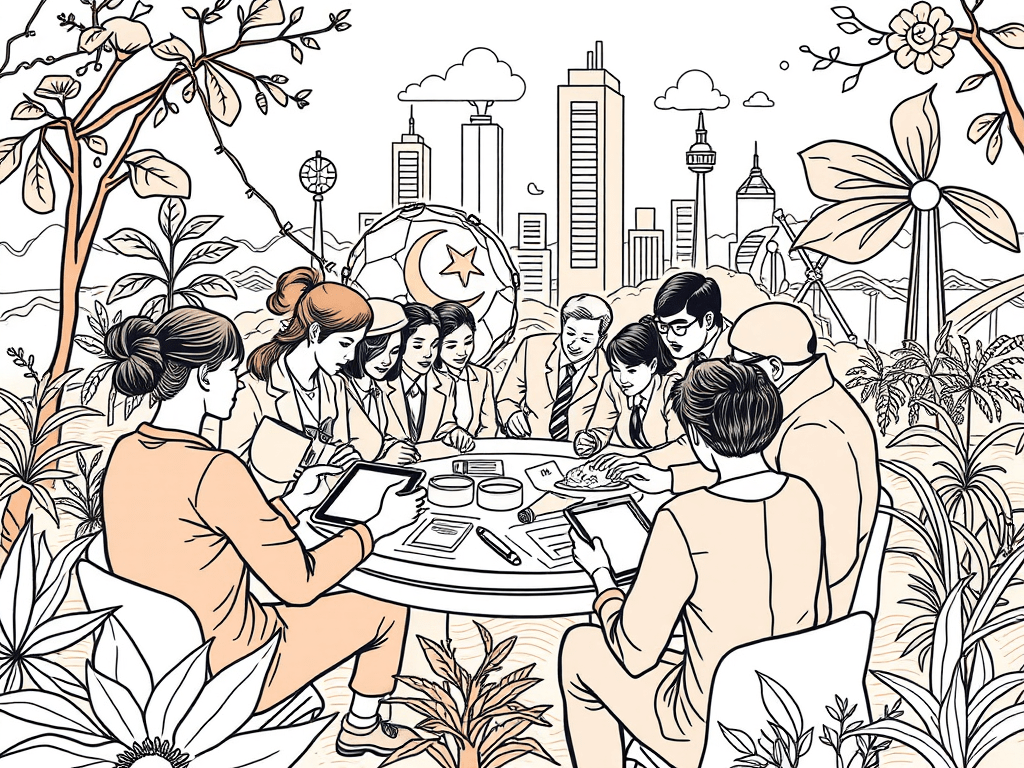
Contemporary Marxist theorists envision a democratic, participatory socialist planned economy focused on human needs rather than profit. With technology facilitating coordination without markets, resources are allocated through collective decision-making, emphasizing ecological sustainability and social welfare. This approach fosters empowerment, equality, and genuine democracy, seeking to reshape society for a more just future.
-

Leon Trotsky’s The Revolution Betrayed critiques the Soviet Union’s deviation from revolutionary ideals under Stalin. Published in 1937 and reissued in 2015, it analyzes the rise of bureaucracy and predicts the USSR’s collapse due to systemic issues. Trotsky’s insights on democracy and governance remain relevant for contemporary discourse in political and economic contexts.
-

The essay explores the evolving role of money in a future socialist society, building on Marxist theory. It argues that money, as a medium of exploitation under capitalism, would eventually wither away or transform in socialism, leading to direct social production and distribution. Initial transitional phases may involve labor vouchers, but these too would vanish…
-
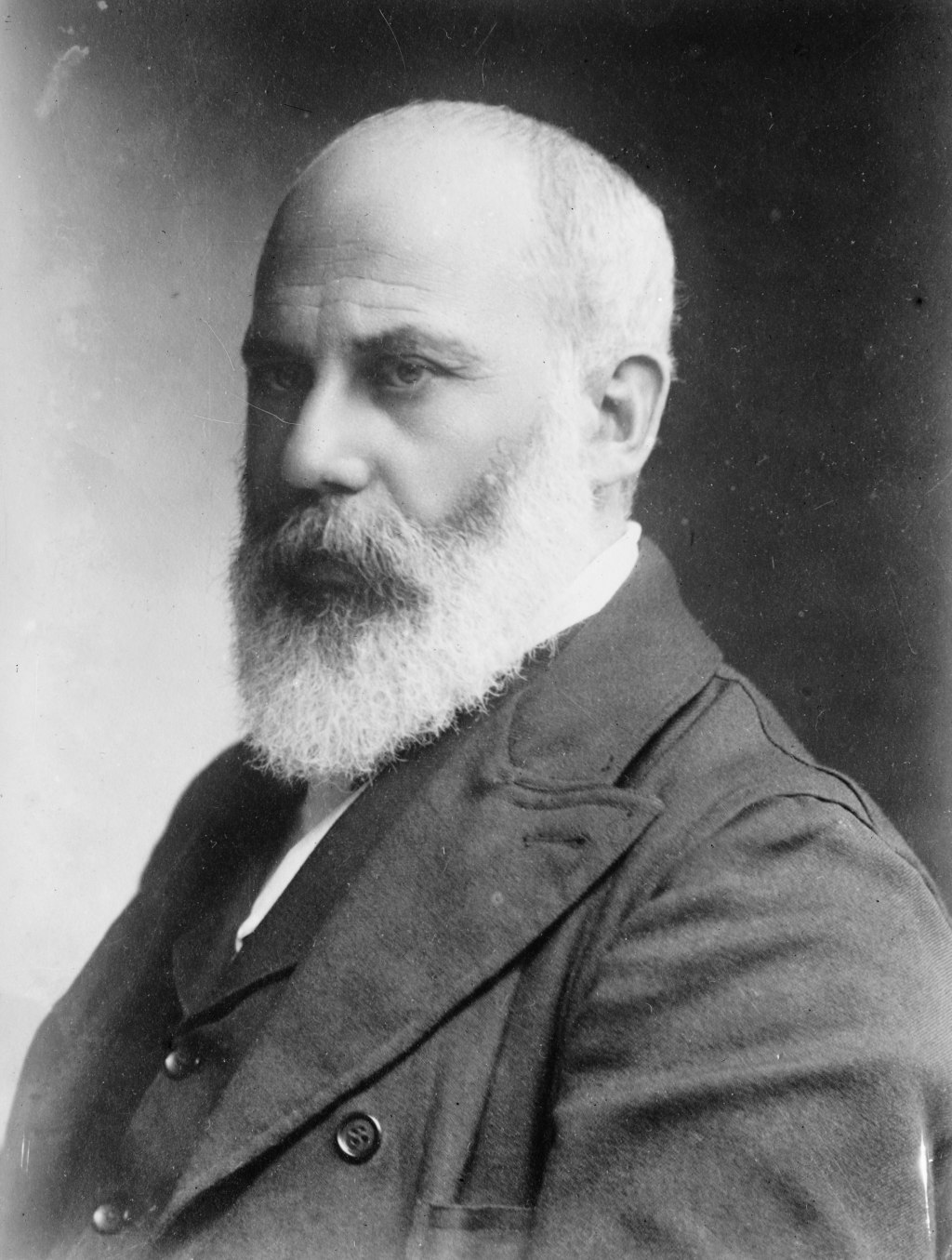
Daniel De Leon (1852–1914) was a significant American socialist theorist and labor organizer, known for developing De Leonism, which emphasized industrial unionism and political action. Educated in Europe, he contributed to socialist movements, founded the Socialist Trade and Labor Alliance, and influenced global socialist ideology. De Leon’s legacy continues to be relevant today.
-
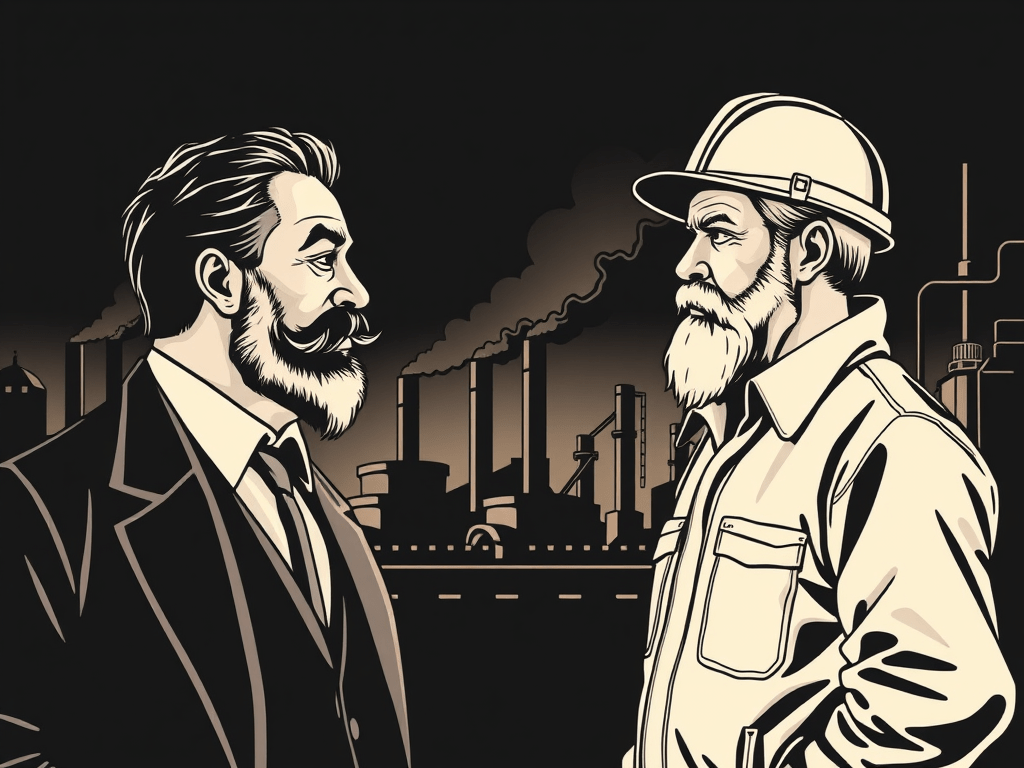
Karl Marx’s economic theories emphasize class struggle as the driving force behind societal change and historical evolution. Central concepts include the labor theory of value, surplus value, and historical materialism, which illustrate the antagonistic relationship between the bourgeoisie and proletariat. This conflict reflects broader socio-economic dynamics, ultimately predicting a revolutionary transition towards socialism and communism.
 Letters from Tomis