Communism
-
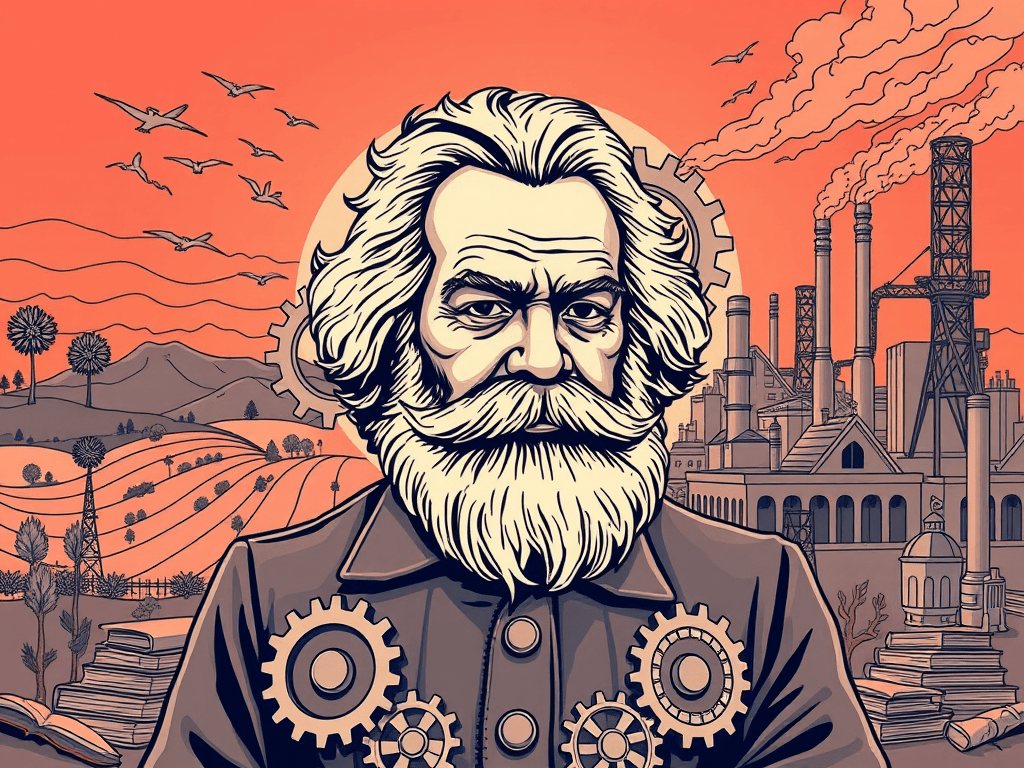
Karl Marx offers a historical materialist perspective on human consciousness, emphasizing that it is shaped by material conditions rather than existing independently. Consciousness evolves through class struggles, reflecting economic realities. As societies transform, so do ideologies, showcasing a dialectical process where contradictions propel social progress and change in consciousness.
-

Karl Marx’s Value, Price, and Profit is a foundational work on Marxist economic theory, presented as a speech in 1865. It critiques capitalism, explains exploitation through surplus value, and empowers the working class. Its accessible style and blend of theory with practical calls for action make it relevant for contemporary struggles for economic justice and…
-
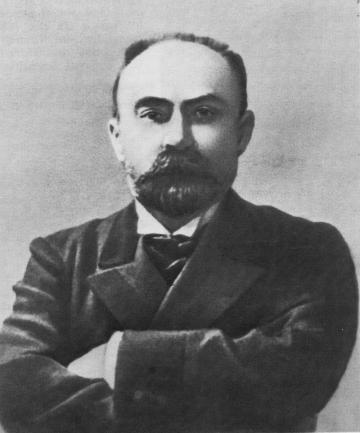
Georgi Plekhanov, born into a minor noble family in Russia, became a pivotal figure in the revolutionary movement, known as the “father of Russian Marxism.” As a writer and philosopher, he laid the theoretical groundwork for socialism in Russia, opposing populism and promoting proletarian revolution. He died in 1918, critiquing Bolshevik tactics.
-

Heinz Kapelle (1913-1941) was a German communist and anti-fascist activist symbolizing resistance against the Nazi regime. Born in a working-class family, his activism grew amidst the rise of fascism. Arrested for high treason, he was executed for his unwavering commitment to his ideals. Kapelle’s legacy inspires ongoing struggles for social justice.
-
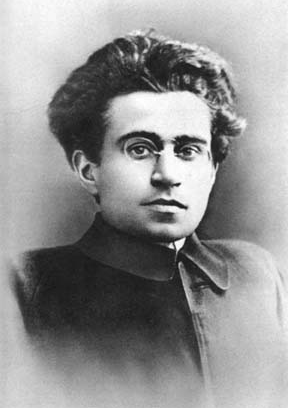
Antonio Gramsci (1891–1937) was an Italian Marxist philosopher known for his concept of cultural hegemony, significantly impacting political and cultural theory. Despite a challenging early life, he became a leading figure in the Italian Communist Party. His imprisonment led to influential writings, like the Prison Notebooks, shaping modern thought on power and resistance.
-

Palmiro Togliatti, born in 1893 in Italy, co-founded the Italian Communist Party in 1921 and became its leader while in exile after Mussolini’s rise. Returning in 1944, he influenced post-war Italy and promoted a democratic socialism approach. He passed away in 1964, leaving a significant political legacy in Europe.
-
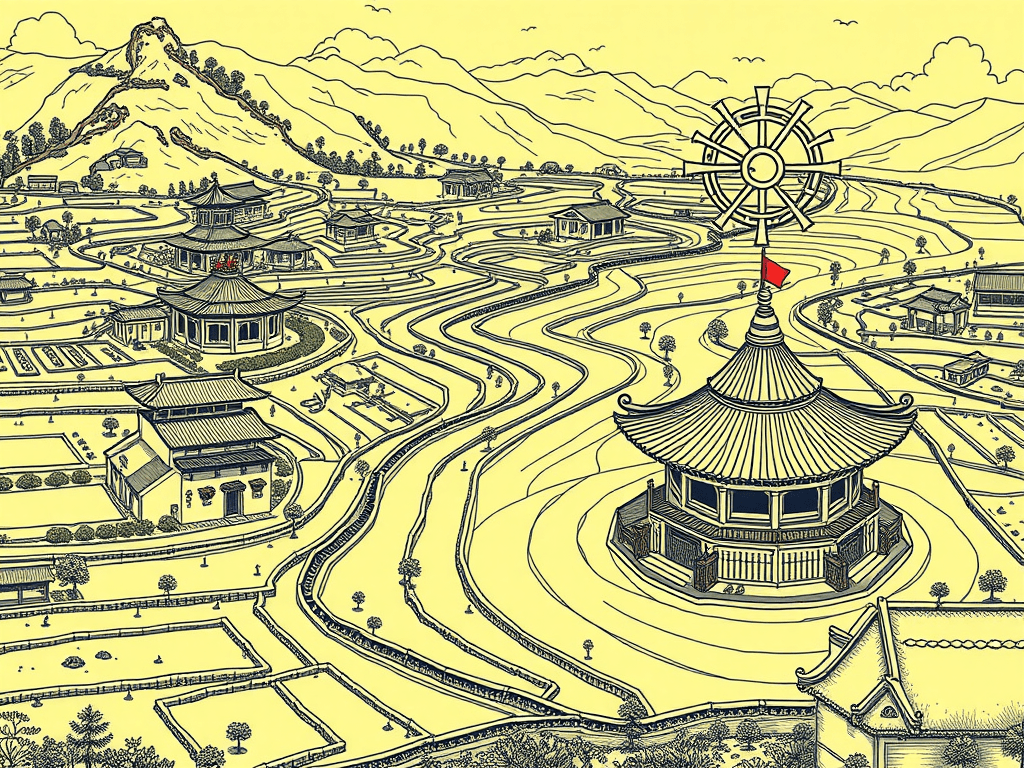
I reflect on Karl Marx’s concept of the Asiatic mode of production (AMP) after reading What is Marxism. Unlike feudal and capitalist systems, the AMP features centralized state control and lacks dynamic class struggles, rendering it a marginal idea in Marx’s work. The critique of contemporary authoritarianism, however, reinvigorates its relevance today.
-

Luís Carlos Prestes, a Brazilian revolutionary and military leader, significantly impacted the fight for social justice. He led the Prestes Column in the 1920s, became a prominent figure in the Communist movement, and suffered imprisonment after a failed uprising against Getúlio Vargas. Prestes’ legacy endures in Brazil’s political landscape.
-
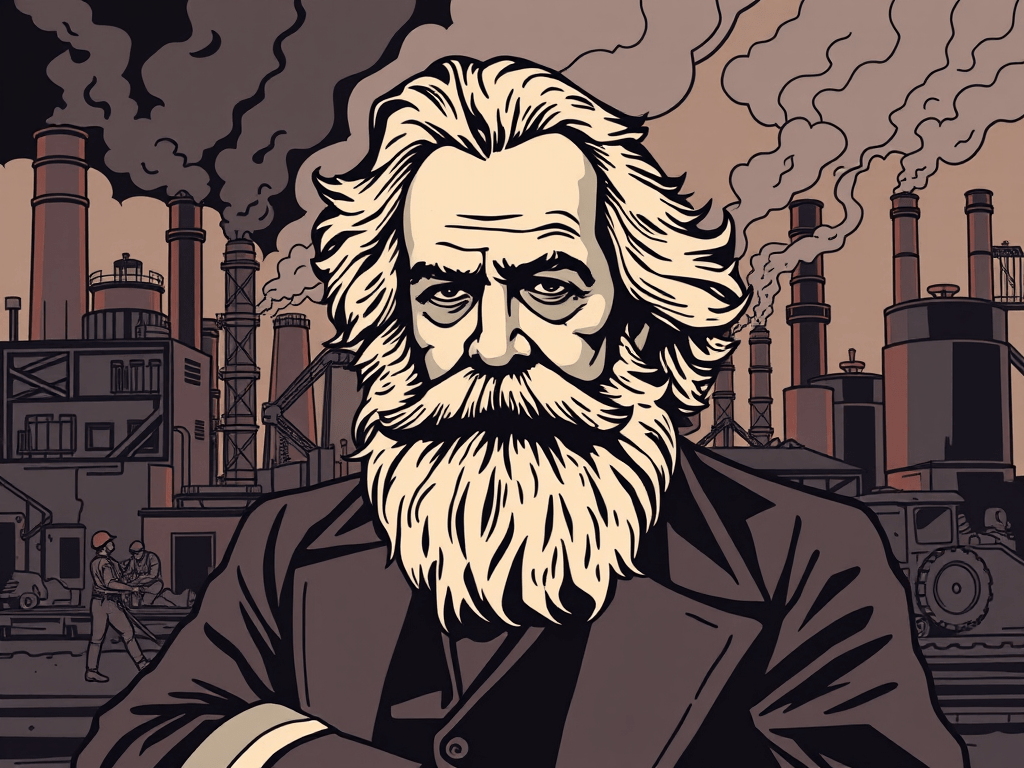
This reflection on historical materialism, inspired by What is Marxism by Sewell and Woods, explores class as a driving force in societal evolution. Marx’s view of class transcends economic status, focusing on relationships to production and the exploitation inherent in capitalism. It emphasizes the importance of class consciousness in revolutionary change and critiques contemporary misunderstandings…
-
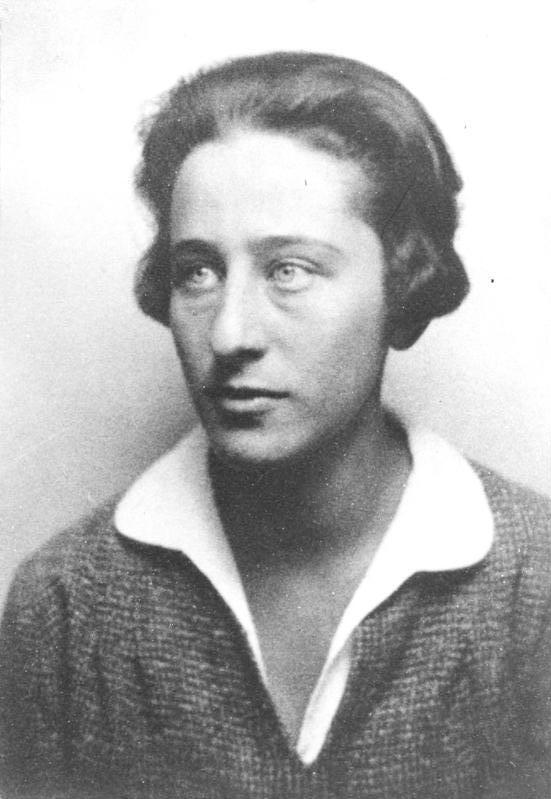
Olga Benário, born in 1908 in Munich, became a notable communist activist after joining the Communist Party of Germany. Her efforts in revolutionary movements led her to Brazil, where she worked alongside Luís Carlos Prestes. Captured and deported to Nazi Germany, she faced persecution and ultimately was executed in 1942. Her legacy symbolizes courage against…
 Letters from Tomis