Book Review
-

Dee Brown’s landmark work, Bury My Heart at Wounded Knee, details the dispossession and destruction of Native American nations during 19th-century U.S. expansion. Through Indigenous perspectives, it challenges traditional narratives of American history. Despite its limitations in addressing complex tribal dynamics, the book remains essential for understanding Indigenous resistance and U.S. colonial violence.
-

Book Review Enrigue, Álvaro. You Dream of Empires. Translated by Natasha Wimmer, Riverhead Books, 2024. Álvaro Enrigue’s You Dream of Empires ambitiously sets out to reconstruct the final days of the Aztec empire through a postmodern lens, merging surrealist humor with historical fiction. Yet for all its stylistic flair and intellectual posturing, the novel ultimately…
-
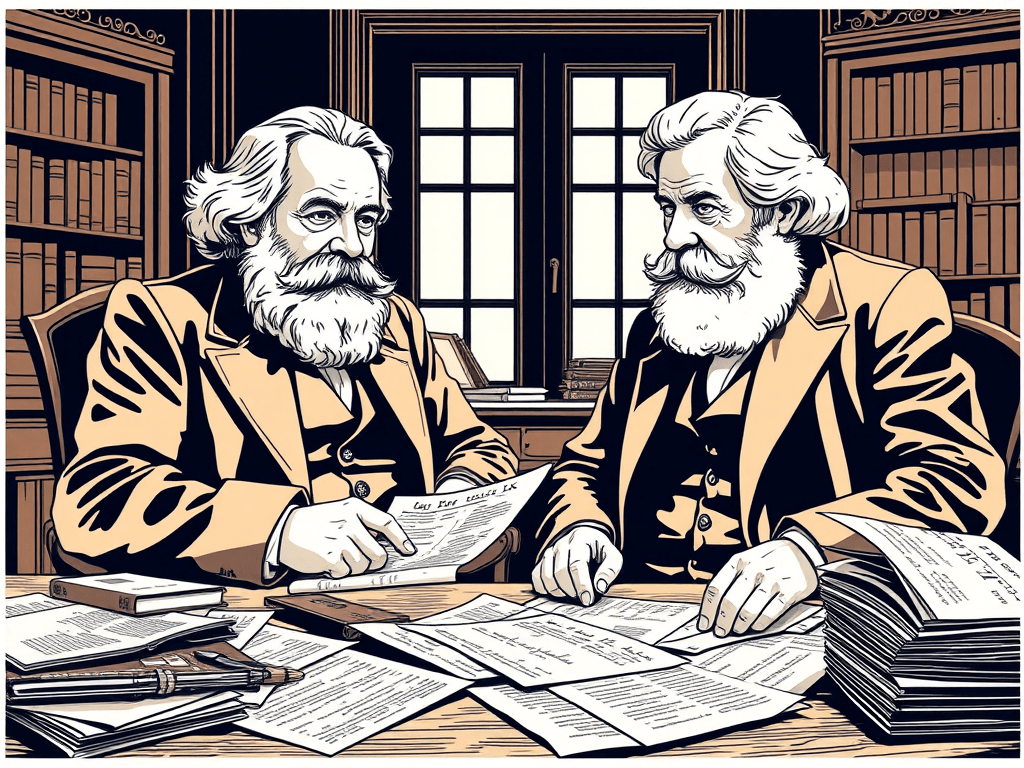
“The Civil War in the United States,” edited by Andrew Zimmerman, is a foundational Marxist analysis by Marx and Engels of the American Civil War, emphasizing class struggle. It offers insights into the war’s implications for international working-class movements and cautions against sectarianism, advocating for solidarity and concrete analysis amid bourgeois-democratic struggles.
-
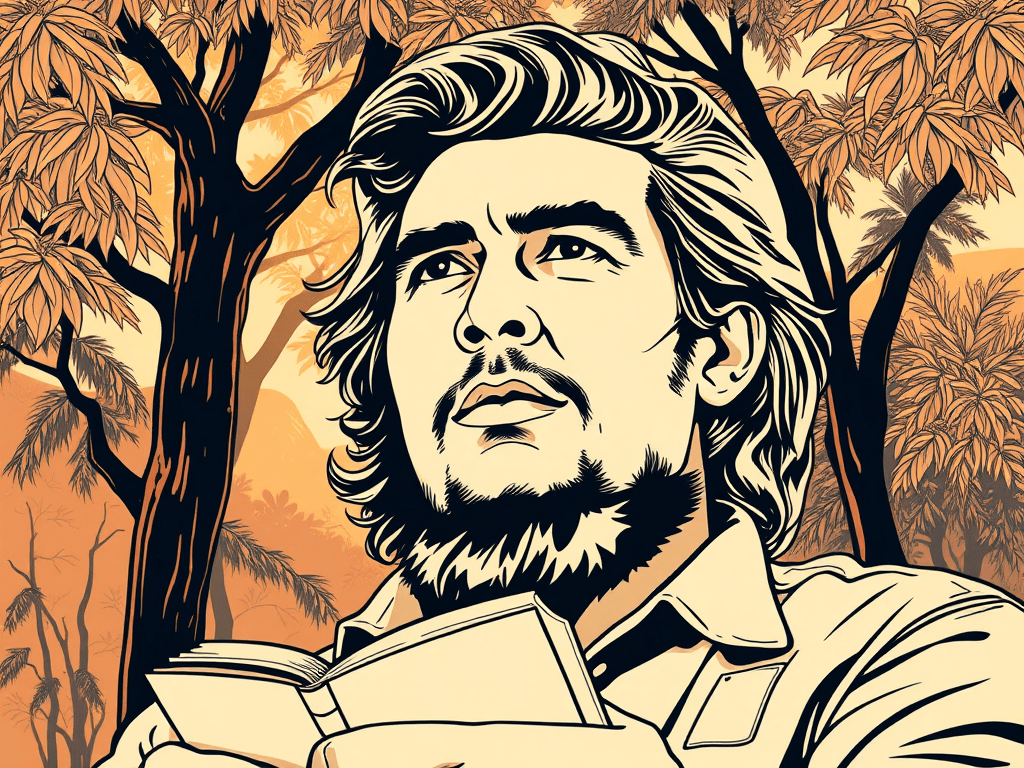
Ernesto Guevara’s “Socialism and Man in Cuba” is a pivotal essay that articulates a humanist vision of revolutionary socialism. It emphasizes moral transformation, collective commitment, and the concept of the “new man,” advocating for a socialism rooted in ethical engagement rather than materialism. Guevara’s insights remain relevant today, inspiring ongoing social justice and socialist movements.
-
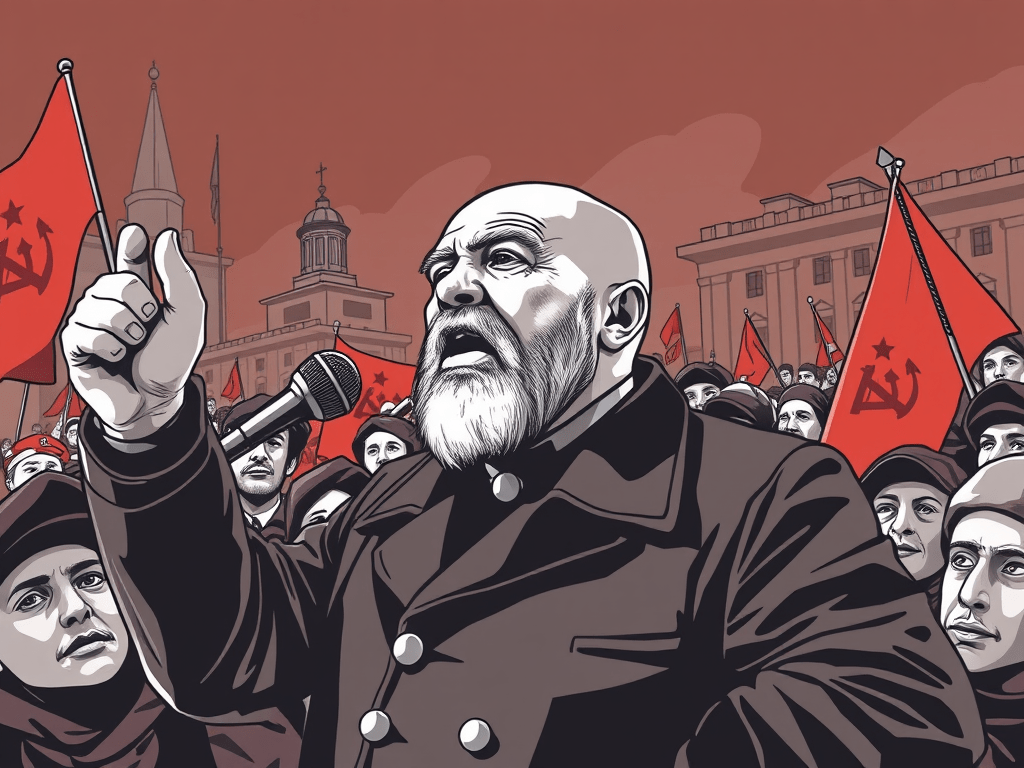
Vladimir Lenin’s State and Revolution is a pivotal Marxist text that critiques reformist approaches and emphasizes the necessity of a proletarian state to dismantle bourgeois power. Written in 1917, it combines theoretical rigor and revolutionary strategy, offering insights for contemporary struggles against inequality and capitalist frameworks, retaining its significance over time.
-

“Notes from an Island” by Tove Jansson and Tuulikki Pietilä is a minimalist blend of prose and illustrations capturing their life on Klovharun, Finland. The work reflects on solitude, artistry, and nature while maintaining emotional reserve. Its fragmentary style may challenge readers expecting narrative depth, particularly regarding intimacy and broader contexts.
-

Howard Zinn’s A People’s History of the United States presents a counter-narrative to traditional historical accounts, emphasizing the voices of marginalized groups as the true protagonists. Through a Marxist lens, Zinn critiques established ideologies and advocates for historical consciousness, framing history as an arena of ongoing class struggle and resistance.
-

Slavoj Žižek’s The Sublime Object of Ideology (1989) integrates Lacanian psychoanalysis, Hegelian idealism, and Marxist theory, challenging conventional ideology critiques. It revitalizes Marxist thought by emphasizing structure over false consciousness and critiques postmodernism. Although dense, the work reshapes ideology understanding, influencing critical theory and political discourse post-Cold War.
-

Fidel Castro’s “Revolution and the Road to Peace in Colombia” analyzes Colombia’s armed conflict through a revolutionary lens, emphasizing historical inequalities and U.S. imperialism. Advocating for peace negotiations alongside armed struggle, Castro critiques U.S. diplomacy and stresses the need for social reforms. His reflections provide valuable insights for understanding Latin American revolutionary movements.
-

Alan Woods’s “Bolshevism: The Road to Revolution” provides a comprehensive Marxist analysis of the Bolshevik Party’s origins and evolution. The book highlights the ideological and strategic foundations of Bolshevism, distinguishing it from Stalinism, and emphasizes the significance of theory in revolutionary practice. This work serves as an essential resource for understanding socialist movements.
 Letters from Tomis