-

Fred Hampton was a pivotal leader of the Black Panther Party, advocating for Black liberation and anti-capitalist solidarity. His assassination at 21 by the U.S. government highlighted the threat he posed to systemic injustice. Hampton’s legacy inspires contemporary movements, emphasizing grassroots organizing and cross-racial coalition building against oppression.
-

This essay explores contemporary Marxist theory and its analytical framework on social class, power, and inequality in the U.S. It delves into class structures, reproduction, state power, global capitalism, and precarity, demonstrating how ideology sustains the class hierarchy. It highlights historical shifts since WWII, emphasizing the evolving dynamics of economic disparities and the persistent influence…
-
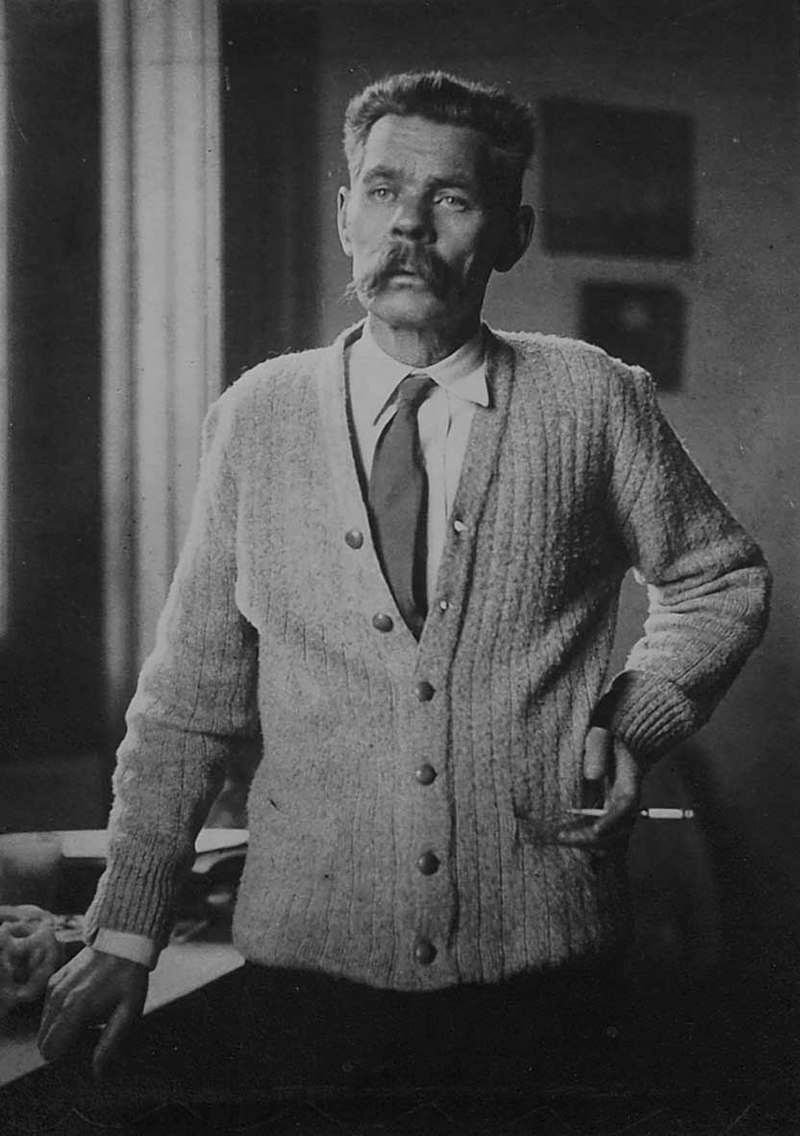
Maxim Gorky (1868–1936) was a pivotal Russian writer whose experiences of poverty shaped his literary themes focused on the working class. A supporter of the Bolshevik Revolution, he later criticized its authoritarianism, leading to self-imposed exile. His legacy endures through his works that explore revolutionary ideals and individual freedoms.
-
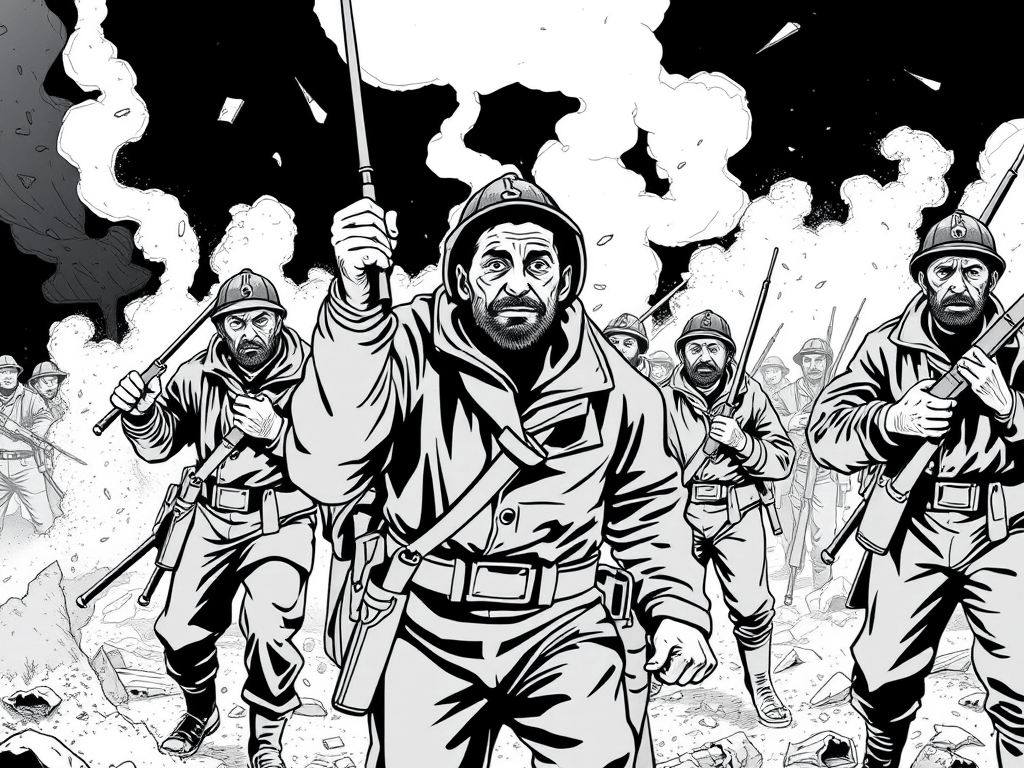
The Ludlow Massacre of April 1914 was a violent clash between striking coal miners, seeking basic rights, and armed capitalist forces, symbolizing stark class struggle. Analyzing this event through a Marxist lens reveals systemic labor exploitation and the intertwining of state power with capitalist interests, illustrating ongoing themes of class conflict relevant today.
-

James Connolly (1868–1916) was a key figure in the Irish socialist movement, blending Marxism with Irish republicanism. Born into poverty, he became a labor leader and strategist. His leadership in the 1916 Easter Rising marked his martyrdom, inspiring future movements for justice and linking national liberation with social transformation.
-

This essay explores the role of public education in socialist contexts, emphasizing its foundational principles of universal access, social equality, and ideological instruction. Through case studies of the USSR, China, Cuba, and Vietnam, it highlights successes in literacy and education equity while acknowledging challenges of political indoctrination and inherent systemic issues in socialist education models.
-
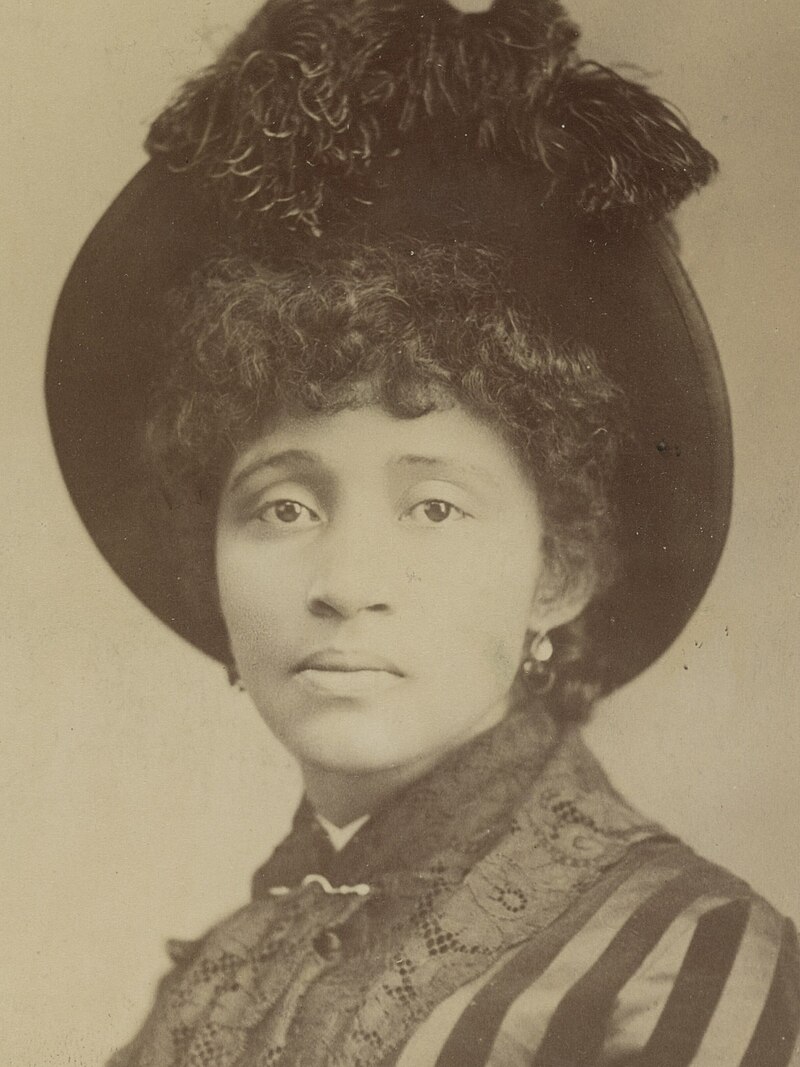
Lucy Parsons (circa 1851 – 1942) was a notable American anarchist and labor activist known for her advocacy of workers’ rights and social justice. Her life was marked by her interracial marriage, involvement in the anarchist movement, and public support for labor rights. Parsons’ legacy continues to inspire modern social justice movements.
-
The Haymarket Riots of 1886 in Chicago were a pivotal clash between labor protesters advocating for an eight-hour workday and state authorities, culminating in violence and unjust trials that condemned radical labor leaders as martyrs. This event catalyzed international worker solidarity, ultimately influencing labor movements and revolutionary consciousness globally.
-

Marcel Cachin (1869–1958) was a significant figure in French socialism and communism, instrumental in founding the French Communist Party. His life reflected the evolution of leftist movements in Europe post-World War I. Recognized for his commitment to internationalism and working-class struggles, Cachin’s legacy reveals both idealism and challenges within Communist politics.
-
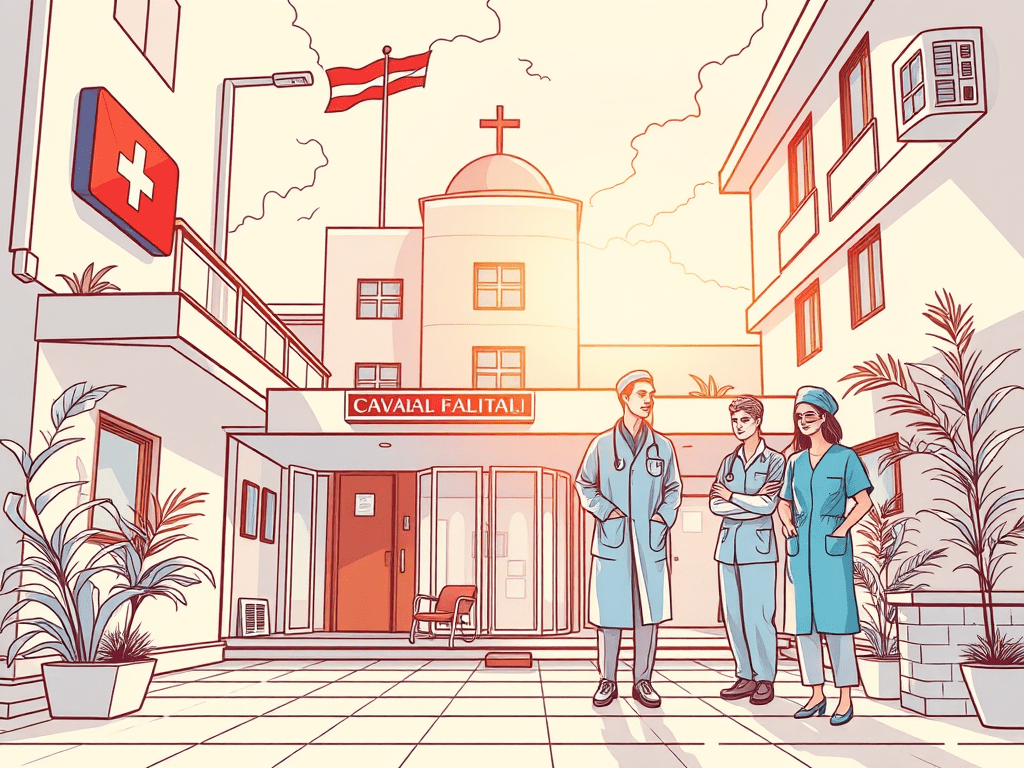
This essay examines how socialist policies shape healthcare systems, highlighting Cuba and Sweden as case studies. Both nations prioritize healthcare as a human right, ensuring universal access and equity. Key themes include comprehensive coverage, preventive care focus, and effective resource allocation. Their experiences demonstrate that socialist principles can lead to successful, equitable healthcare outcomes.
-
Subscribe
Subscribed
Already have a WordPress.com account? Log in now.
 Letters from Tomis