-
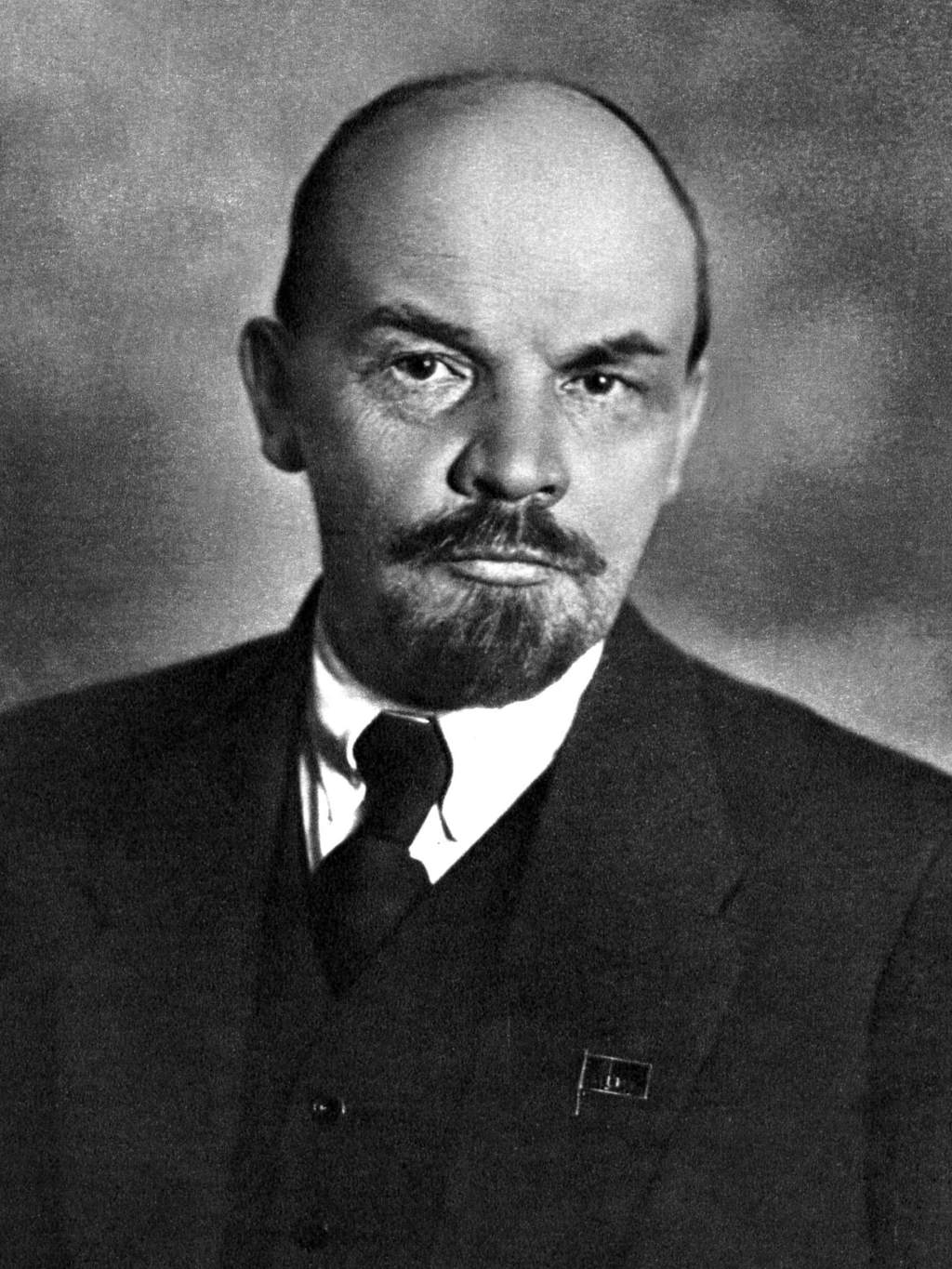
Vladimir Lenin’s “Left-Wing Communism: An Infantile Disorder” critiques sectarianism and ultraleftism within revolutionary movements post-October Revolution. It emphasizes the necessity for tactical flexibility, engagement with existing institutions, and a dialectical relationship between the party and the masses. The work remains relevant for contemporary revolutionary practice and promotes disciplined, organized engagement in the struggle against capitalism.
-

Erich Fromm was a German social psychologist and philosopher who shaped 20th-century thought by integrating psychology and Marxism. His work highlighted individual alienation in capitalism and advocated for humanistic socialism and ethics of love. Fromm’s influential writings explored freedom, love, and the social character, leaving a lasting impact across multiple disciplines.
-
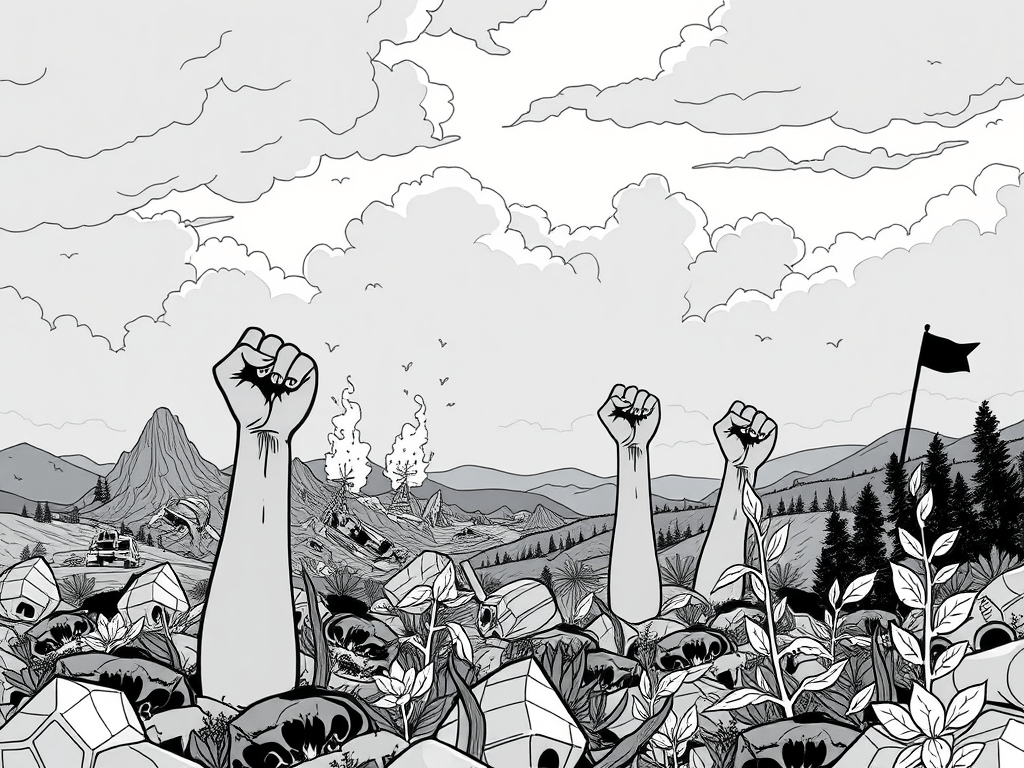
Wen Stephenson’s collection examines the intersection of ecological breakdown and revolutionary politics, rejecting optimism for a more robust “resolve.” The essays critique climate crises as outcomes of capitalism, emphasizing organization and solidarity. While addressing limits in organizational strategies and labor transitions, the work serves as a vital intervention in U.S. climate discourse.
-
Willi Münzenberg (1889–1940) was a significant figure in early international communism, known for transforming propaganda into a mass persuasion tool. He organized efforts for the Communist International, blending media with ideology. His eventual disillusionment with Stalinism led to a political split and exile, culminating in his mysterious death. His legacy remains influential in political communication…
-
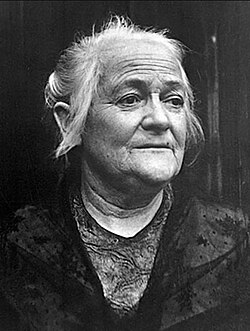
Klara Zetkin (1857–1933) was a revolutionary Marxist and feminist theorist, central to the socialist women’s movement. Advocating the link between class and gender oppression, she founded International Women’s Day and actively opposed war and fascism. Her legacy influences contemporary Marxist-feminist thought and gender-labor debates within socialism.
-
In Women of Trachis, Sophocles exposes the intertwined oppressions of patriarchy and class. Deianeira’s doomed devotion, Herakles’ violent labors, and Iole’s enforced silence reveal a society sustained by domination. Through a Marxist lens, the tragedy becomes a mirror of alienated labor, gendered suffering, and the contradictions of a slaveholding order.
-
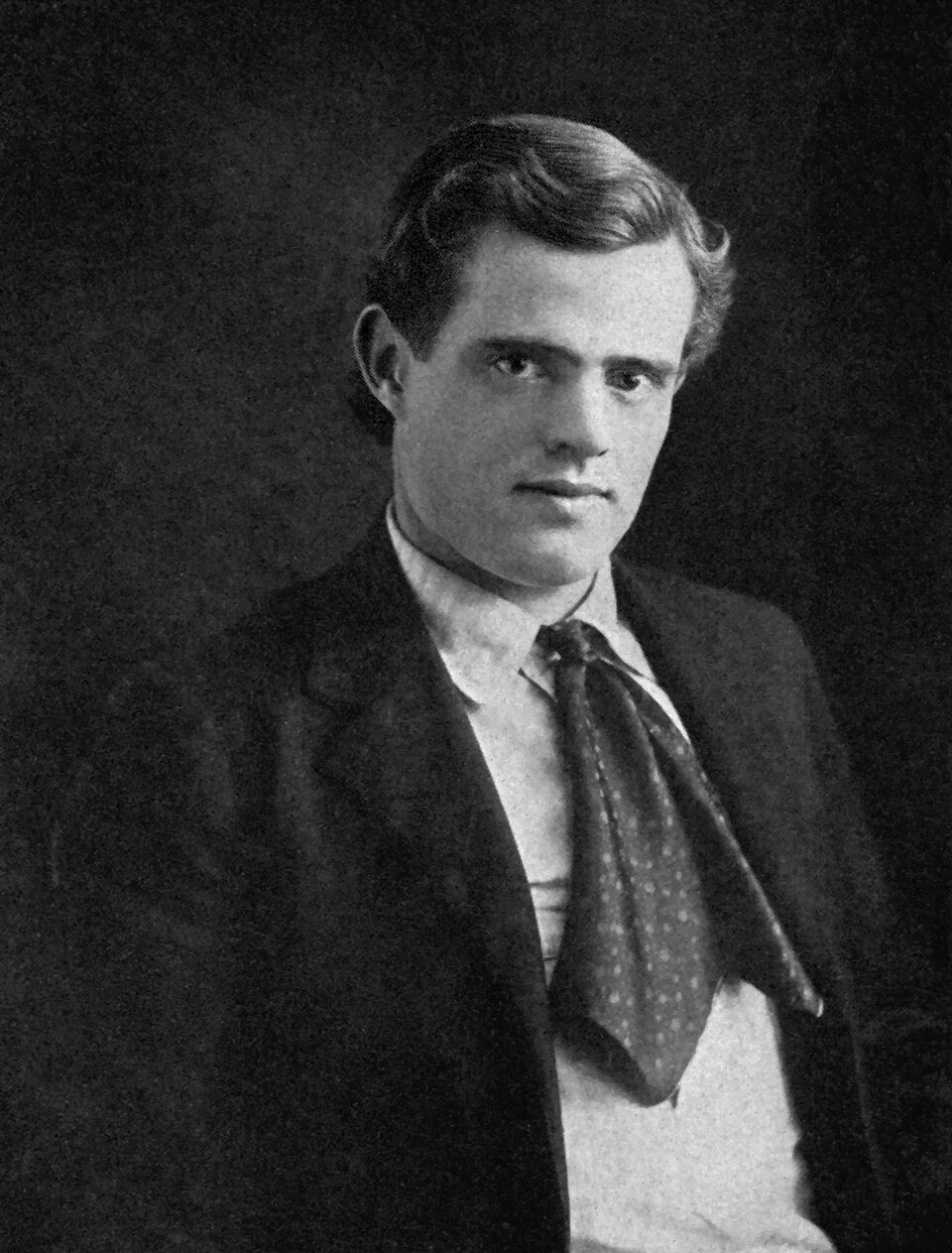
Jack London, a prominent American author of the early 20th century, is known for adventure novels like The Call of the Wild. His works reflect engagement with industrial capitalism and socialism, stemming from personal experiences with class struggle. London’s socialist convictions permeate his fiction, portraying the dehumanizing effects of capitalism while critiquing rugged individualism.
-
Erich Fromm’s The Art of Loving reframes love as an art requiring knowledge and practice rather than a mere emotion. It explores defining elements of love and critiques the commodification of relationships in capitalist societies. Despite its limitations regarding gender and contemporary forms of love, it remains a pivotal work linking personal and social transformation.
-

Sebastian Smee’s Paris in Ruins explores the cultural history of post-Franco-Prussian War Paris, highlighting the interplay of art, politics, and memory. While emphasizing aesthetic dimensions, it occasionally overlooks structural political factors and ordinary Parisians’ perspectives. The book illuminates how destruction informs cultural identity and collective memory, offering valuable insights for scholars and general readers alike.
-
Ignace Reiss, born Nathan Poretsky in 1899, was a Bolshevik revolutionary and Soviet intelligence operative disillusioned by Stalin’s regime. Defecting in 1937, he denounced Stalinism as a betrayal of revolutionary ideals. His assassination shortly after exemplified the regime’s brutality against dissenters and marked him as a martyr for anti-Stalinists.
-
Subscribe
Subscribed
Already have a WordPress.com account? Log in now.
 Letters from Tomis