-

Eric Hobsbawm’s The Age of Extremes: The Short Twentieth Century, 1914–1991 offers an incisive analysis of the tumultuous century, dividing it into three epochs: the Age of Catastrophe, the Golden Age, and the Crisis Decades. Hobsbawm integrates politics, culture, and economics, providing a global perspective and warnings about neoliberalism’s rise. It is a crucial read…
-

The emergence of humankind is rooted in the interplay of biology, environment, and material culture, rather than divine intervention. Early tool-making marked a shift from mere adaptation to transformation, fostering social bonds, language, and culture. As accidental architects, humans must responsibly wield their creations, reflecting both ingenuity and caution in shaping existence.
-
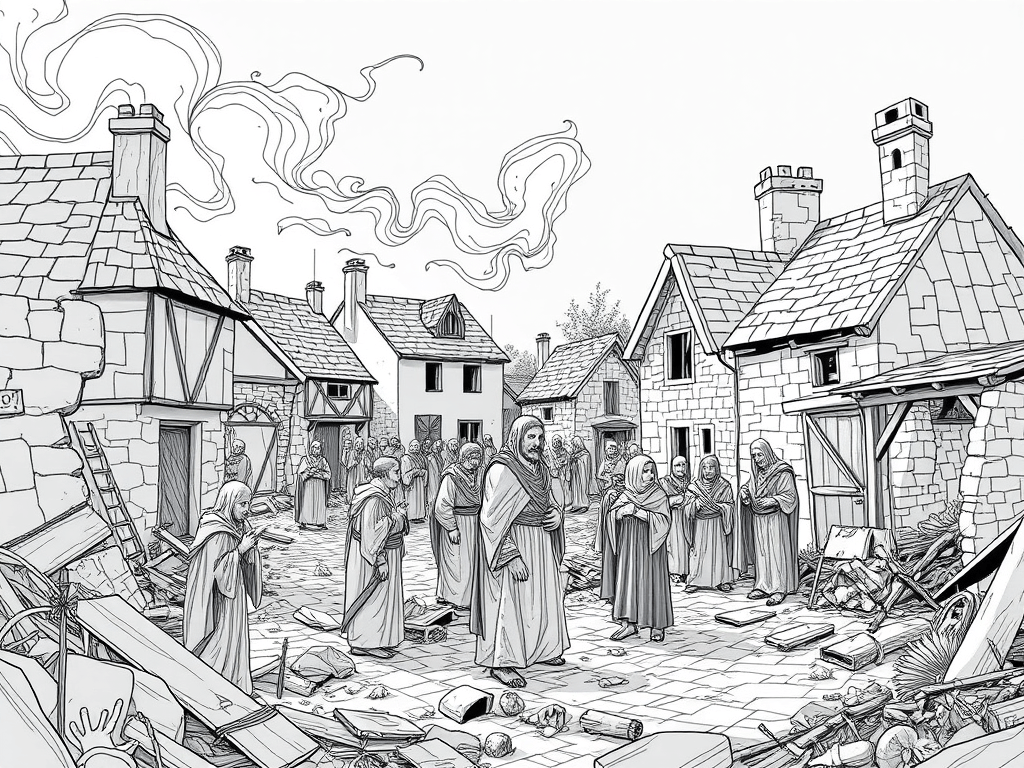
The Black Death of the 14th century exposed the weaknesses of feudal society, acting as a catalyst for its decline rather than a mere natural disaster. The plague caused significant labor shortages, prompting peasants to demand better conditions. This upheaval ultimately laid the groundwork for the emergence of capitalism, marking a pivotal historical transition.
-
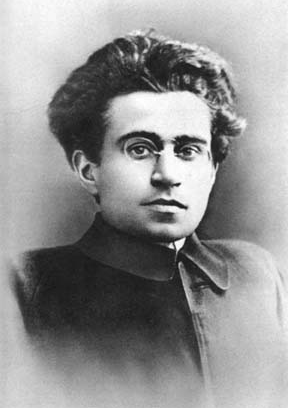
Antonio Gramsci (1891–1937) was an Italian Marxist philosopher known for his concept of cultural hegemony, significantly impacting political and cultural theory. Despite a challenging early life, he became a leading figure in the Italian Communist Party. His imprisonment led to influential writings, like the Prison Notebooks, shaping modern thought on power and resistance.
-

The peasantry’s struggle against feudal landlords was marked by toil, sacrifice, and a yearning for dignity, hindered by economic inertia, ideological conditioning, and fragmentation. Their isolation and dependence made sustained rebellion difficult, while shifting societal forces diminished their relevance, yet their legacy paved the way for future revolutions and continues to resonate with resilience.
-

Charles Duhigg’s “Supercommunicators” presents engaging stories and practical communication skills but often feels superficial and overgeneralized. While it offers relatable anecdotes and accessible advice, it lacks depth, particularly regarding cross-cultural dialogue. Ultimately, the book serves as a light introduction to communication, but may not satisfy readers seeking profound insights.
-
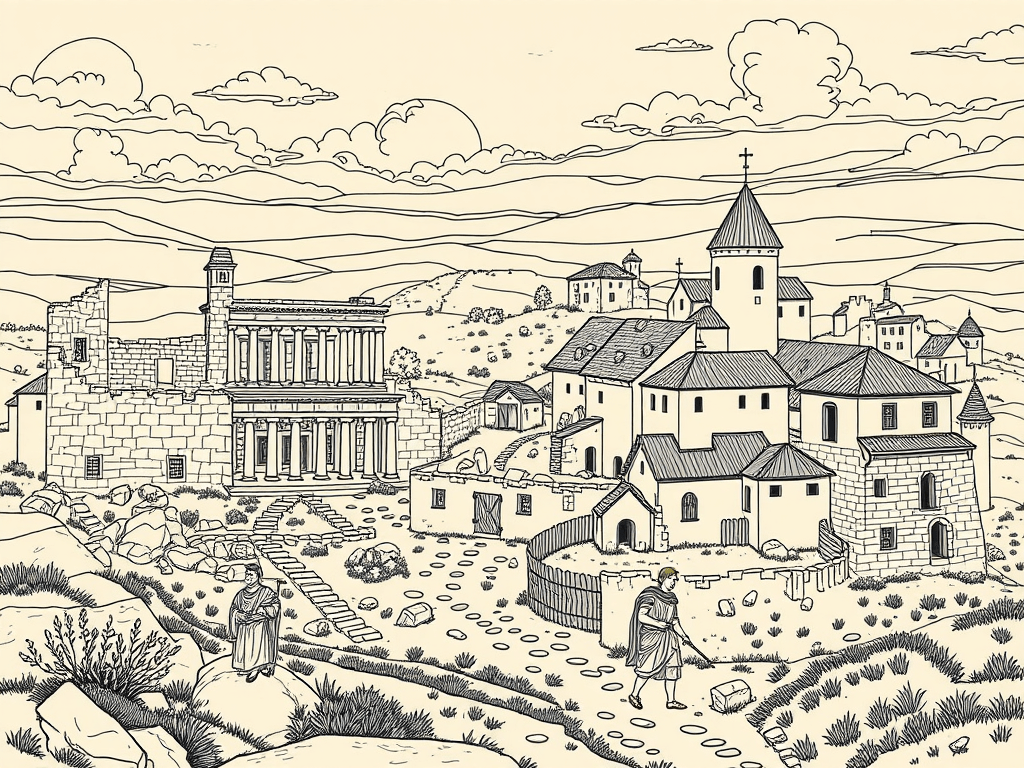
The “Dark Ages” is often viewed as a time of stagnation following the fall of Rome. However, this period involved significant transformations driven by economic and social restructuring, transitioning from slavery to feudalism. The Catholic Church played a key role in unifying fragmented Europe, highlighting the era’s complexity rather than mere darkness.
-

Louis Pierre Althusser, born in Algeria in 1918, was a prominent Marxist philosopher who reinterpreted Marxism through structuralism. His concepts of Ideological State Apparatuses and overdetermination reshaped Marxist thought amid Cold War disillusionment. Despite personal struggles and a controversial legacy, his theories continue to influence critical and cultural studies today.
-

The evolution of human civilization, intertwined with the institution of slavery, reflects a complex relationship between progress and exploitation. While slave societies contributed significantly to economic and cultural achievements, they did so at a severe human cost. Recognizing this paradox compels a moral obligation to strive for a future devoid of exploitation.
-

Palmiro Togliatti, born in 1893 in Italy, co-founded the Italian Communist Party in 1921 and became its leader while in exile after Mussolini’s rise. Returning in 1944, he influenced post-war Italy and promoted a democratic socialism approach. He passed away in 1964, leaving a significant political legacy in Europe.
-
Subscribe
Subscribed
Already have a WordPress.com account? Log in now.
 Letters from Tomis