-

Rosa Luxemburg’s “Reform or Revolution” critiques Eduard Bernstein’s revisionist socialism, arguing that social revolution is essential for achieving socialism, as reforms alone cannot address capitalism’s inherent contradictions. She emphasizes class struggle and warns against the dangers of reformism, asserting that only a proletarian revolution can fundamentally transform society and abolish exploitation.
-

Karl Marx’s theory of labor-power and wages is often misunderstood, obscured by capitalism’s need to mask economic realities. He distinguishes labor-power from labor, highlighting how workers are paid only for reproducing their capacity to work, not for the true value produced. This system leads to surplus value extraction and worker exploitation. Marx argues for the…
-
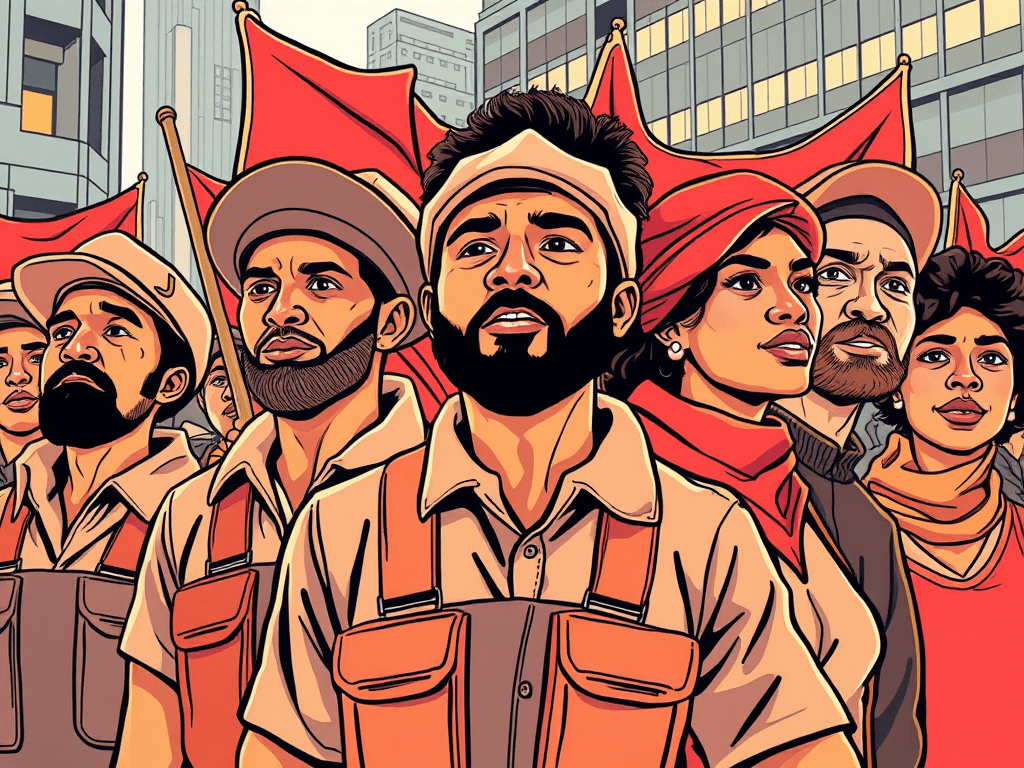
The true essence of Marxism lies in class consciousness rather than violence. It emphasizes organized collective action and awareness of exploitation, leading to a rational societal transformation. Though historical revolutions involved violence, Marxism fundamentally seeks dignity and the reconfiguration of society by empowering the working class to recognize its value and solidarity.
-
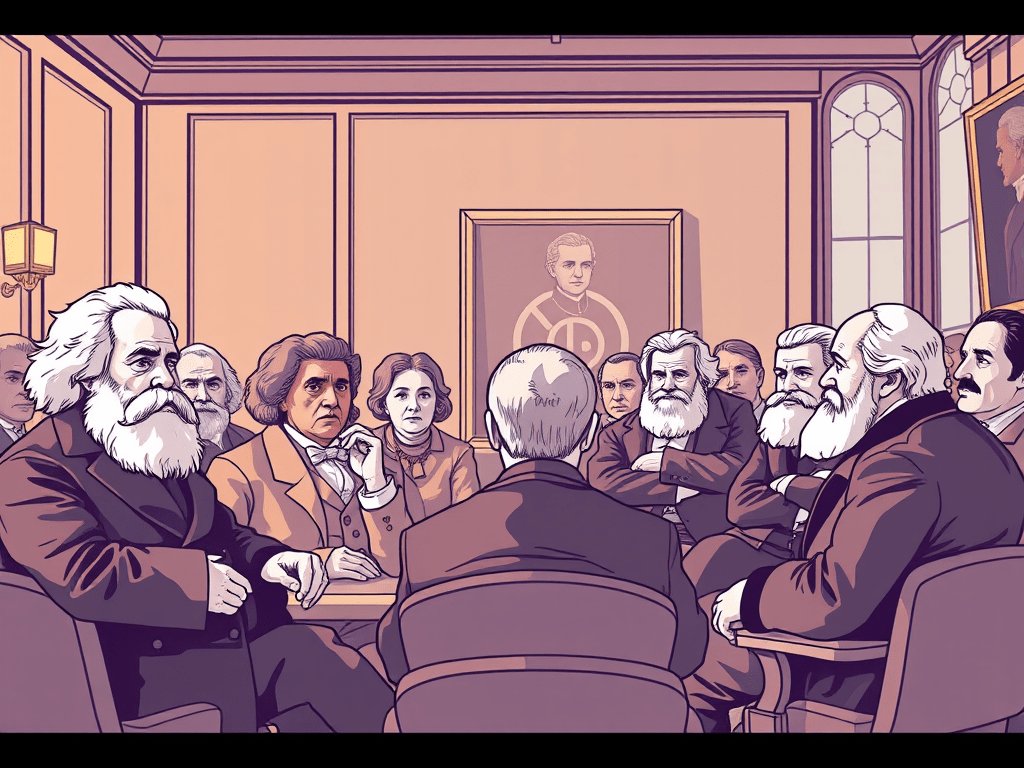
This lecture explores the origins of the socialist movement, focusing on its historical context following the Industrial Revolution. It examines key figures, ideological diversity, and the role of the First International, highlighting its impact on labor movements, class struggles, and shaping modern socialist ideologies, while addressing internal conflicts and legacy.
-

Richard Ford’s “Let Me Be Frank With You” is a profound exploration of aging and human fragility through the life of Frank Bascombe. Set in post-Hurricane Sandy New Jersey, the four interconnected novellas balance dry humor and deep introspection, offering an intimate portrait of Frank as he contemplates his existence with clarity and emotional depth.
-

Jacques Lacan, a French psychoanalyst, merged Freudian psychoanalysis with structural and post-structural ideas. His key concepts include the Imaginary, the Symbolic, and the Real, as well as the mirror stage and objet petit a. Lacan’s influence spans psychoanalysis, philosophy, and critical theory, continuing to inspire scholars and clinicians today.
-
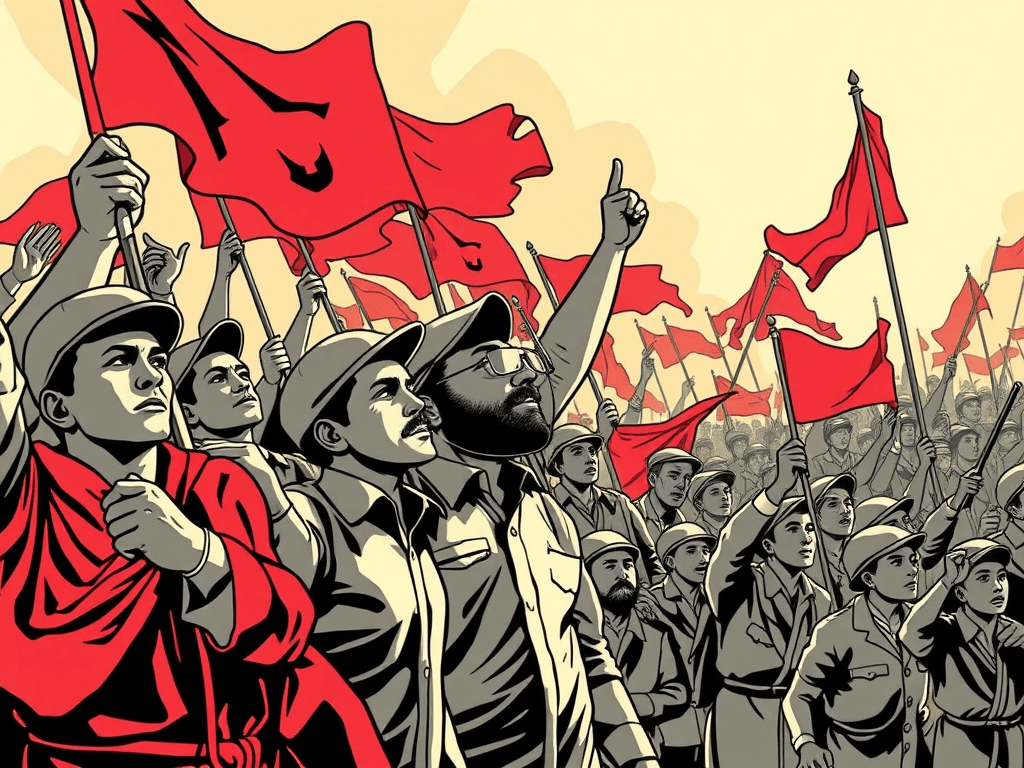
Ted Grant’s Programme of the International presents a foundational framework for revolutionary socialist strategy, emphasizing a clear, practical approach to class struggle. Rejecting opportunism, Grant advocates for democratic workers’ control and critiques capitalism’s impact on consciousness. His insights into socialist movements and internationalism resonate today, inspiring new generations committed to combating exploitation and oppression.
-
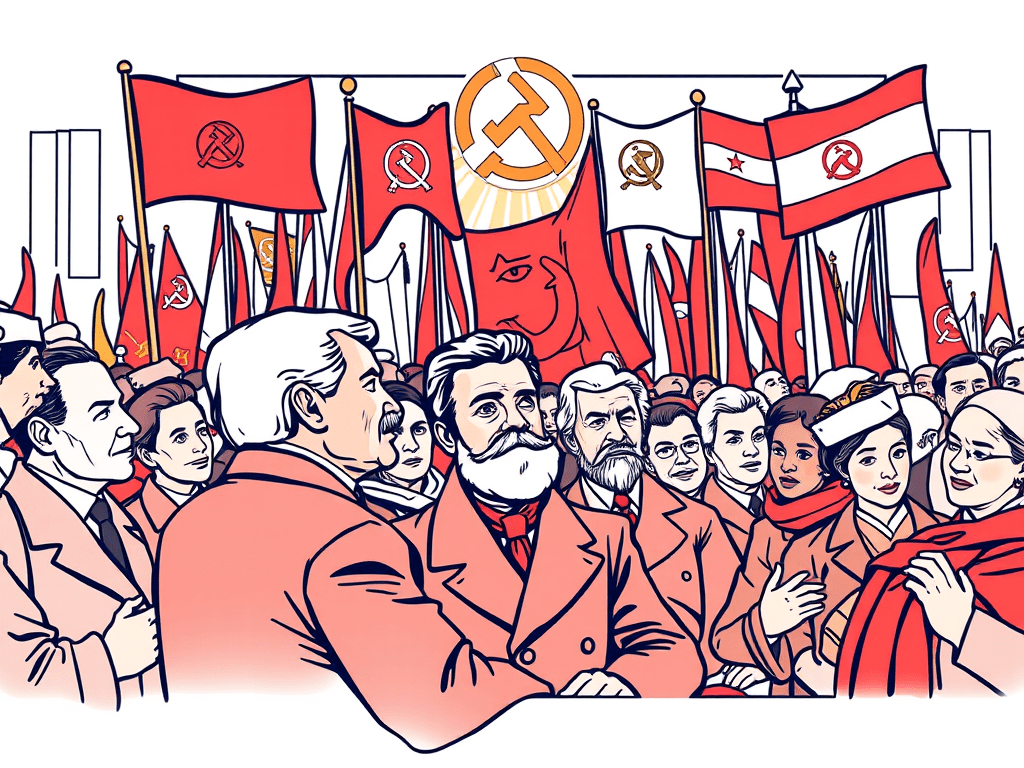
The Second International (1889–1916) coordinated socialist and labor movements globally, advocating for workers’ rights and international solidarity. Key achievements included promoting the eight-hour workday and women’s rights. However, ideological conflicts and the support for World War I led to its decline, giving rise to successor organizations like the Comintern and Socialist International.
-

Žižek’s How to Read Lacan provides an engaging introduction to Jacques Lacan’s psychoanalytic theory. Through witty and clear explanations, Žižek makes complex ideas accessible, using pop culture examples. He connects Lacan’s theories to broader philosophical contexts, challenging misconceptions and emphasizing their relevance. The book is recommended for both newcomers and those familiar with Lacanian thought.
-

The text critiques the utility theory of value, arguing it diverts attention from the exploitative nature of capitalism by attributing worth to individual preference rather than labor. In contrast, the Marxist labor theory emphasizes value as determined by socially necessary labor time, revealing capitalism as a system that extracts wealth, not generates it.
-
Subscribe
Subscribed
Already have a WordPress.com account? Log in now.
 Letters from Tomis