-

Marx’s theory of alienation, addressing workers’ estrangement under capitalism, remains relevant today. Contemporary theorists like Harvey, Fraser, and Žižek extend this concept to digital labor and ecological crises, emphasizing how modern capitalism deepens alienation through technological control and environmental degradation. Structural changes are essential for overcoming these pervasive estrangements.
-

Friedrich Engels was a key figure in developing Marxist theory, co-authoring The Communist Manifesto and collaborating with Karl Marx for four decades. His independent works, such as The Origin of the Family, contributed significantly to socialist thought, addressing class, state, and gender issues. Engels’s legacy includes his role in international socialism and dialectical materialism.
-

The concept of commodity fetishism, as discussed by Marx, highlights how capitalism obscures social relations behind commodity production, attributing value to objects instead of labor. Contemporary Marxist theorists, like Žižek, Harvey, and Jameson, extend this analysis, particularly in the digital age, illustrating how digital commodities further mystify labor and social connections.
-

Contemporary Marxist theorists envision a democratic, participatory socialist planned economy focused on human needs rather than profit. With technology facilitating coordination without markets, resources are allocated through collective decision-making, emphasizing ecological sustainability and social welfare. This approach fosters empowerment, equality, and genuine democracy, seeking to reshape society for a more just future.
-

Leon Trotsky’s The Revolution Betrayed critiques the Soviet Union’s deviation from revolutionary ideals under Stalin. Published in 1937 and reissued in 2015, it analyzes the rise of bureaucracy and predicts the USSR’s collapse due to systemic issues. Trotsky’s insights on democracy and governance remain relevant for contemporary discourse in political and economic contexts.
-

Victor Adler (1852–1918) was the founder and leader of the Austrian Social Democratic Workers’ Party. Initially a physician, he became involved in politics advocating universal suffrage and labor rights. His pragmatic socialism prioritized legislative reforms over revolutions. Adler’s legacy persisted through his son, Friedrich, a notable socialist leader.
-

The essay explores the evolving role of money in a future socialist society, building on Marxist theory. It argues that money, as a medium of exploitation under capitalism, would eventually wither away or transform in socialism, leading to direct social production and distribution. Initial transitional phases may involve labor vouchers, but these too would vanish…
-
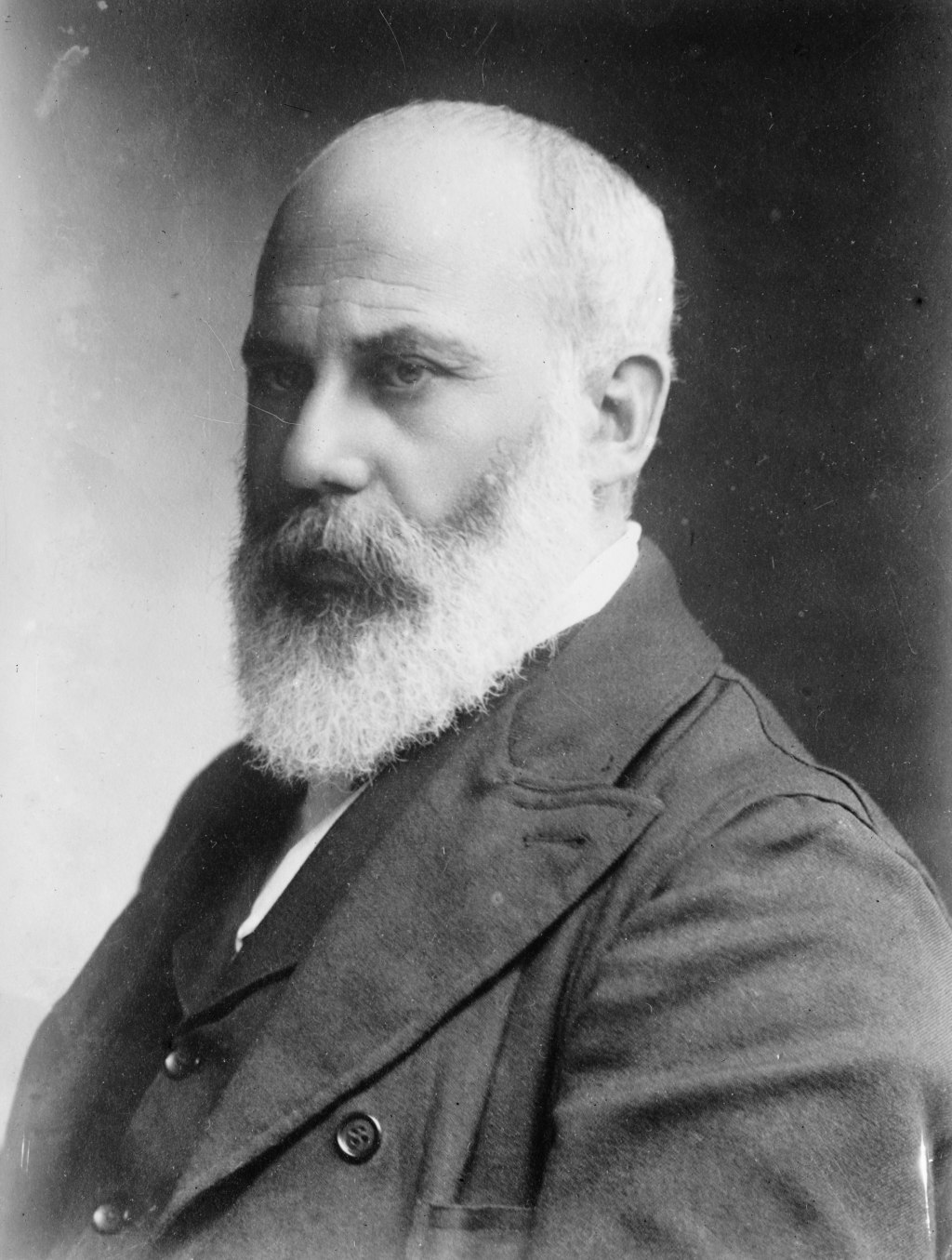
Daniel De Leon (1852–1914) was a significant American socialist theorist and labor organizer, known for developing De Leonism, which emphasized industrial unionism and political action. Educated in Europe, he contributed to socialist movements, founded the Socialist Trade and Labor Alliance, and influenced global socialist ideology. De Leon’s legacy continues to be relevant today.
-

Karl Marx’s economic theories emphasize class struggle as the driving force behind societal change and historical evolution. Central concepts include the labor theory of value, surplus value, and historical materialism, which illustrate the antagonistic relationship between the bourgeoisie and proletariat. This conflict reflects broader socio-economic dynamics, ultimately predicting a revolutionary transition towards socialism and communism.
-
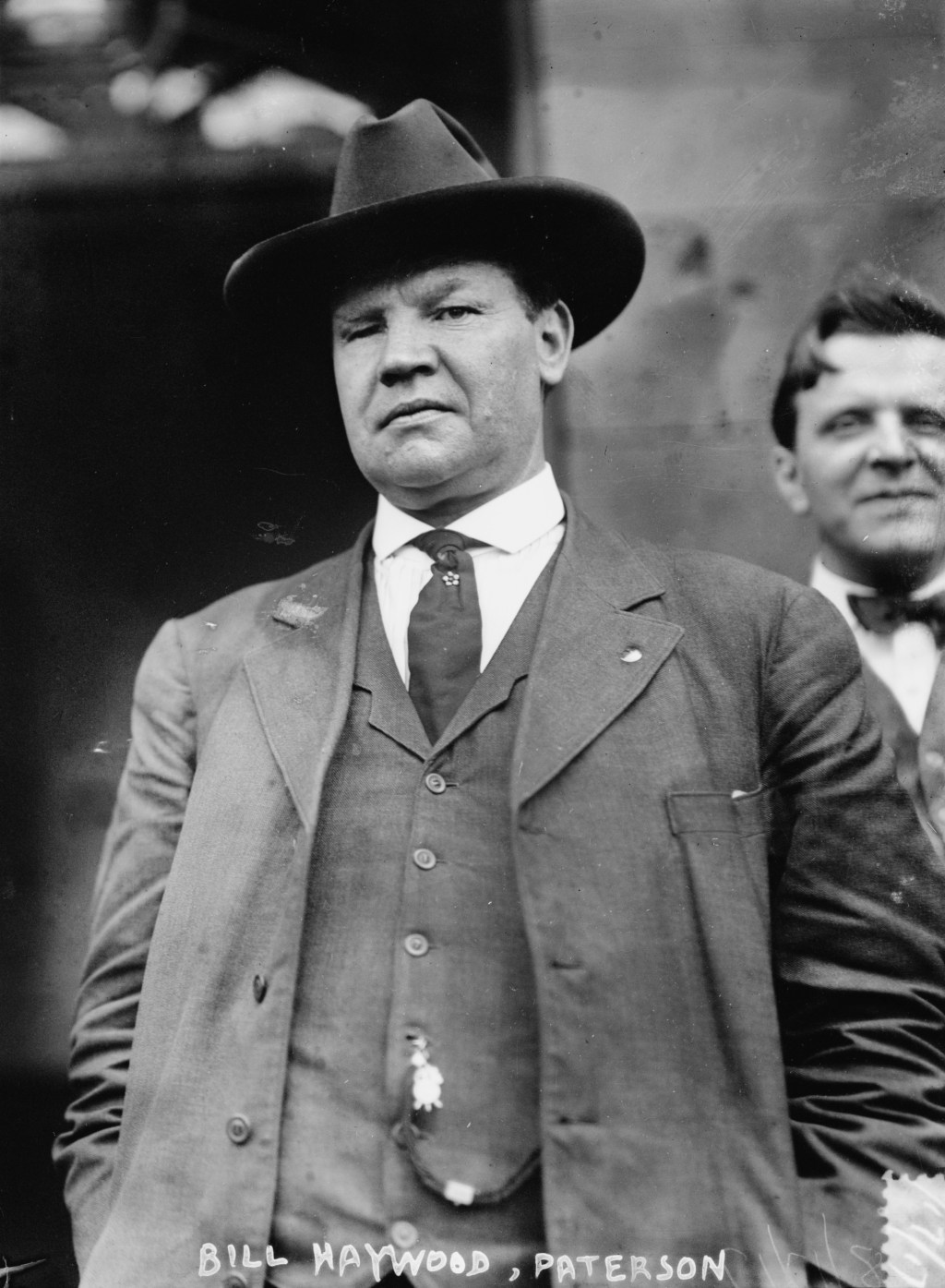
William Dudley Haywood, known as “Big Bill,” was a pivotal figure in American labor history. His advocacy for workers’ rights led to the founding of the Industrial Workers of the World (IWW). Haywood faced legal challenges due to his militant stance and eventually sought exile in Soviet Russia, where he continued to support labor movements…
-
Subscribe
Subscribed
Already have a WordPress.com account? Log in now.
 Letters from Tomis