-
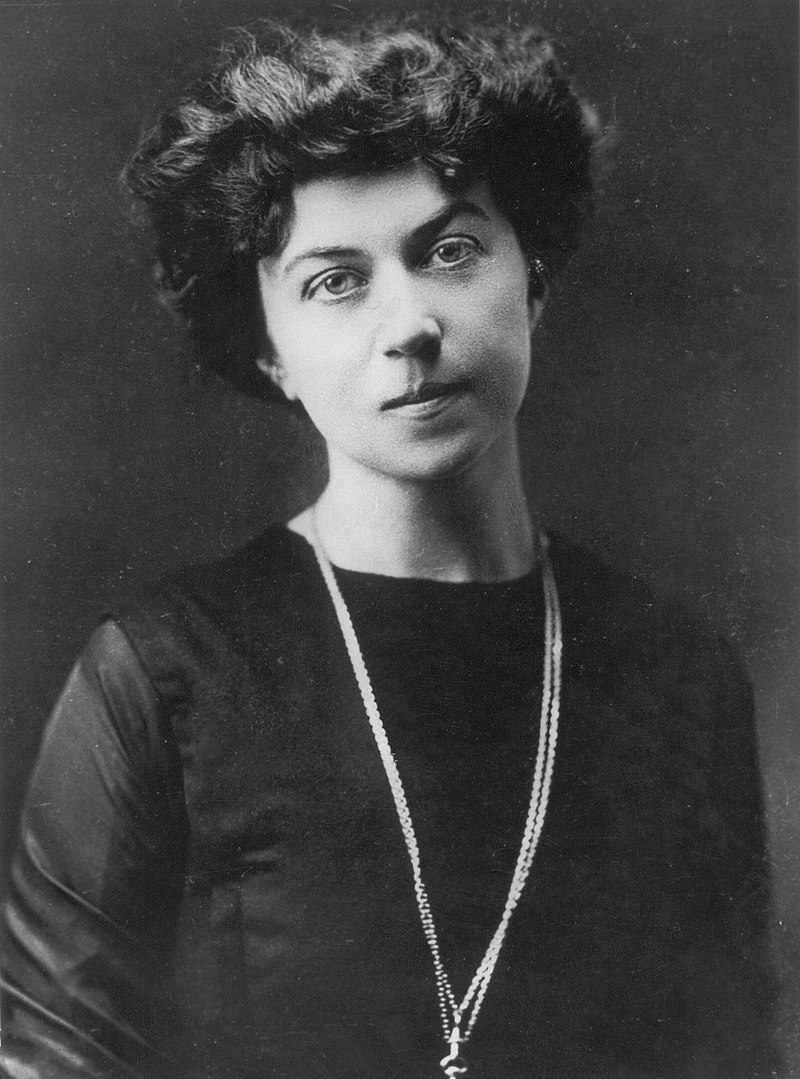
Alexandra Kollontai (1872–1952), a prominent socialist and the first female minister in history, challenged gender oppression under capitalism through Marxist ideology. A key figure in the Bolshevik Revolution, she advocated for women’s rights and social reforms, later criticizing bureaucratic centralization. Despite her marginalization, her feminist theories continue to influence contemporary thought.
-
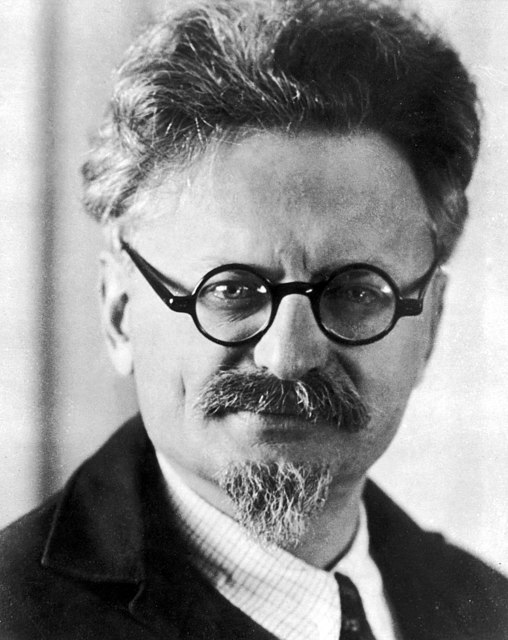
Leon Trotsky’s Marxism in Our Time (1939) reasserts the relevance of Marxist theory amidst global crises. Trotsky defends Marxism against claims of obsolescence, arguing it remains vital for understanding capitalist contradictions and fighting bureaucracy. His analysis underscores the necessity of revolutionary action and internationalism, making it crucial for contemporary struggles against oppression.
-
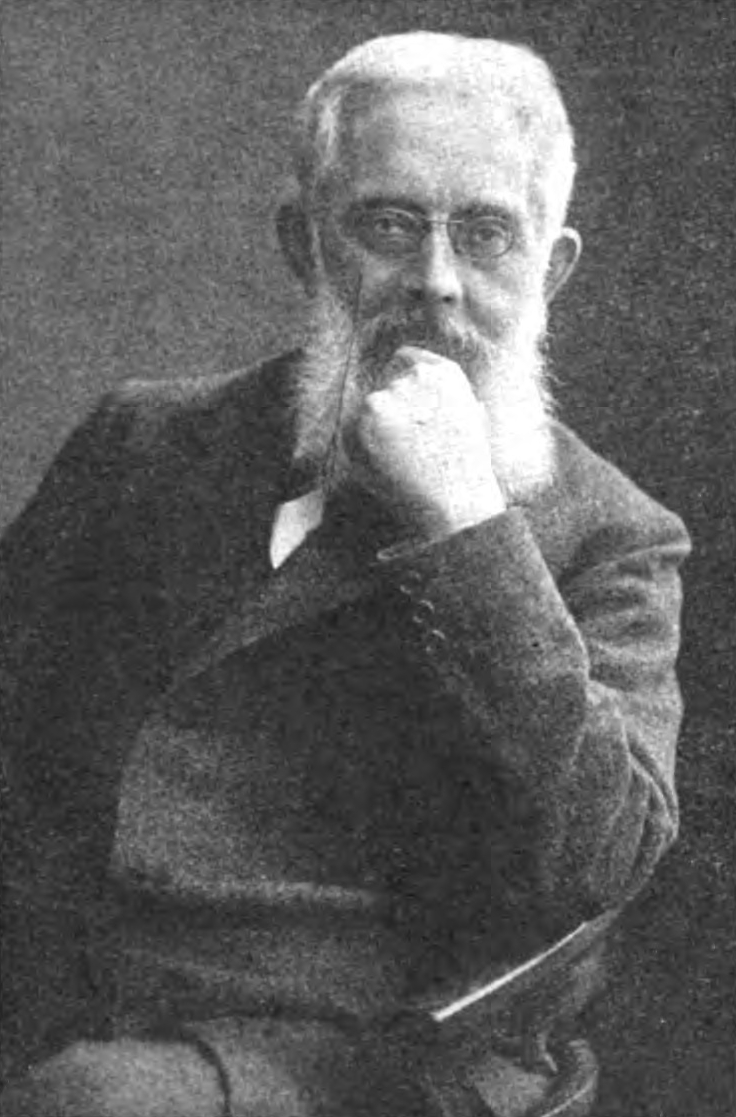
Franz Mehring (1846–1919) was a crucial figure in German Marxism, serving as historian, journalist, and political activist. His works, including a biography of Marx, highlight class struggle and critique bourgeois historiography. A founding member of the KPD, he embodied the tensions within socialism and left a lasting legacy in historical and literary criticism.
-

Samuel Beckett’s “Waiting for Godot,” published by Grove Press in 1954, exemplifies the “Theatre of the Absurd.” Its minimalist structure and circular dialogue challenge conventional interpretations, reflecting existential and political themes. The edition highlights Beckett’s linguistic precision and openness, rewarding deep study, yet its ambiguity can frustrate those seeking clearer meanings.
-

Stuart Hall (1932–2014) was a pivotal cultural theorist and founding figure in British Cultural Studies. His work explored media, race, identity, and political ideology, significantly shaping debates in cultural studies and critical race theory. Hall’s influence endures through his critical analyses of identity, power, and representation.
-
Leon Trotsky’s “In Defence of Marxism” is a critical examination of revolutionary methods amidst inner-party disputes within the Socialist Workers Party. Written in 1939-40, it emphasizes dialectical materialism, party strategy, and class analysis, providing a framework for defending the USSR while contesting Stalinism. The book’s insights on party democracy and polemic reinforce its relevance for…
-
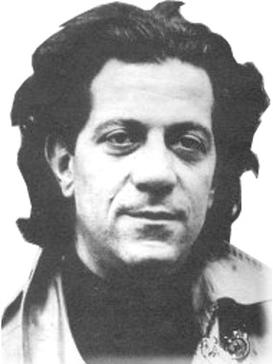
Nicos Poulantzas was a Greek Marxist theorist whose work focused on the state, political power, and class structure. Influenced by various intellectual traditions, he developed a structuralist theory of the capitalist state, later evolving to a strategic-relational approach. Poulantzas engaged with politics through Eurocommunism, leaving a lasting impact on Marxist political theory before his untimely…
-

The Torrents of Spring by Turgenev explores themes of belatedness and self-betrayal through middle-aged Dmitry Sanin, who reflects on his ill-fated love life. The novella examines moral collapse under erotic influence, while addressing class and national identities, culminating in a poignant study of memory and the complexities of adult obligation.
-
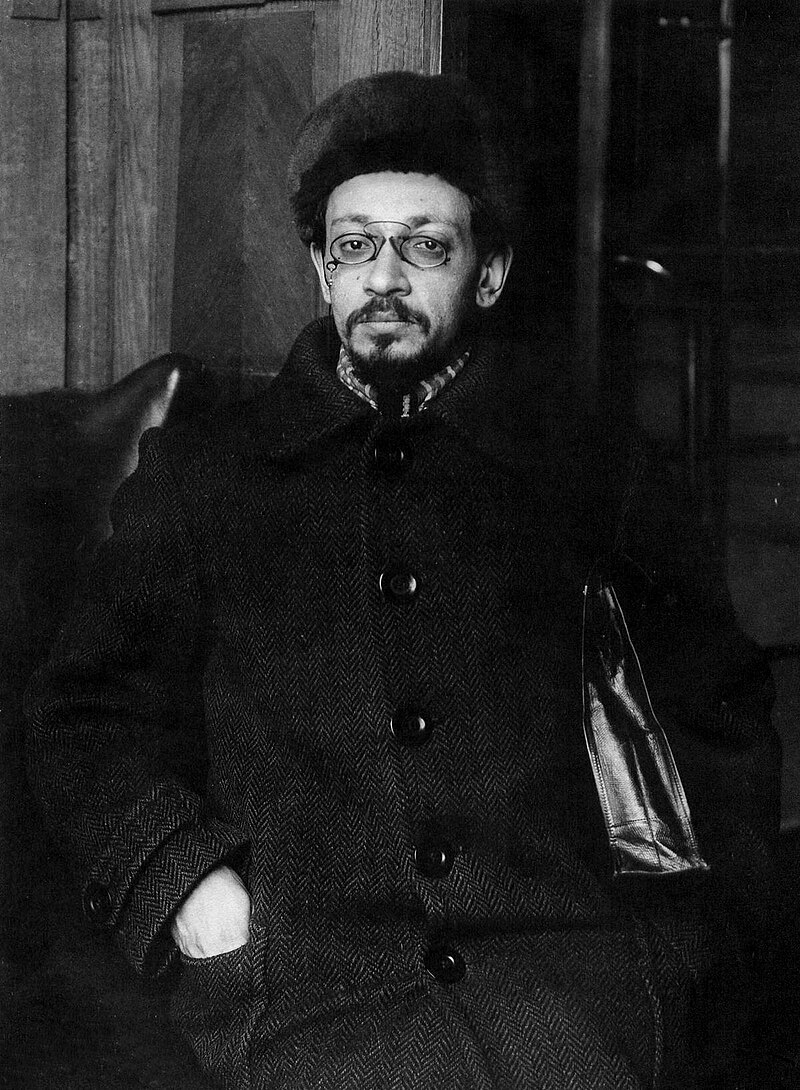
Yakov Sverdlov (1885–1919) was a key figure in the Russian Revolution, known for his organizational skills within the Bolshevik party. As the first head of the Soviet state, he played an essential role in consolidating power and developing the party-state structure. His early death curtailed a potentially significant political legacy.
-

Leon Trotsky’s “Leon Trotsky Presents the Living Thoughts of Karl Marx” provides a dynamic introduction to Marxist thought, emphasizing historical materialism and the labor theory of value. Written in exile, Trotsky combines pedagogical and polemical tones, urging readers to view Marxism as a living method for social transformation rather than a static doctrine.
-
Subscribe
Subscribed
Already have a WordPress.com account? Log in now.
 Letters from Tomis