-

John Bellamy Foster, born in 1953, is a prominent sociologist with a focus on Marxist theory and ecological sociology. He serves as a professor at the University of Oregon and editor of Monthly Review. His research explores monopoly capitalism, ecological crisis, and ecosocialism, earning him notable awards for his impactful scholarship.
-

Ben Shattuck’s The History of Sound: Stories is a collection of twelve interconnected tales set in New England, exploring themes of memory, loss, and identity across three centuries. Utilizing a unique couplet structure, the narratives intertwine personal and historical artifacts, creating a layered exploration of how the past shapes present realities.
-
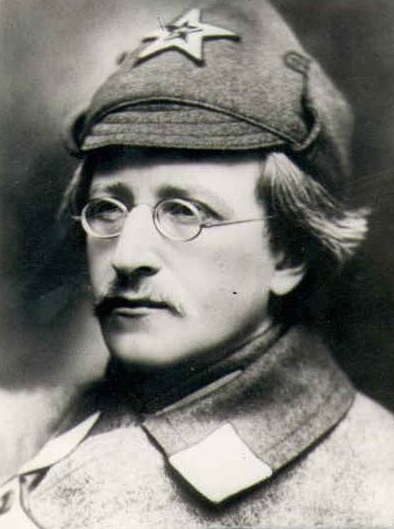
Vladimir Antonov-Ovseenko was a key figure in the early Soviet era, transitioning from soldier and Bolshevik organizer to diplomat and prosecutor. His roles included command in the Russian Civil War and serving as Consul General during the Spanish Civil War. He faced execution during Stalin’s purges but was posthumously rehabilitated.
-

Ted Grant’s “Russia: From Revolution to Counter-Revolution” provides a comprehensive analysis of the Soviet Revolution, Stalinism, and its aftermath. Through a Trotskyist lens, he critiques bureaucratic distortions while acknowledging the revolution’s social achievements. Despite its strengths in historical breadth and clarity, the book is limited by its focus on political over social dimensions and selective…
-
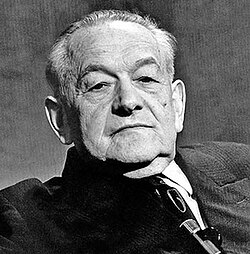
Leopold Trepper (1904–1982) was a key figure in 20th-century espionage and Soviet intelligence. As the leader of the “Red Orchestra,” he established a significant anti-Nazi network. After being captured by the Gestapo, he escaped and later faced suspicion in the USSR. His memoir, “The Great Game,” encapsulates his legacy.
-

Aristotle’s Poetics is a cornerstone of literary theory exploring tragedy and aesthetics, yet it reflects the ideological biases of ancient Athenian society. From a Marxist view, it reinforces class hierarchies and serves conservative functions in art, necessitating historical materialist reinterpretation to understand underlying socio-economic conditions influencing artistic production.
-

Anne McCarty Braden (1924–2006) evolved from a segregationist upbringing to become a prominent white ally in the civil rights movement. Her activism, sparked by the Turner case, emphasized the structural nature of racism and the necessity of anti-capitalist transformation, creating a lasting legacy of interracial solidarity and dissent against oppression.
-
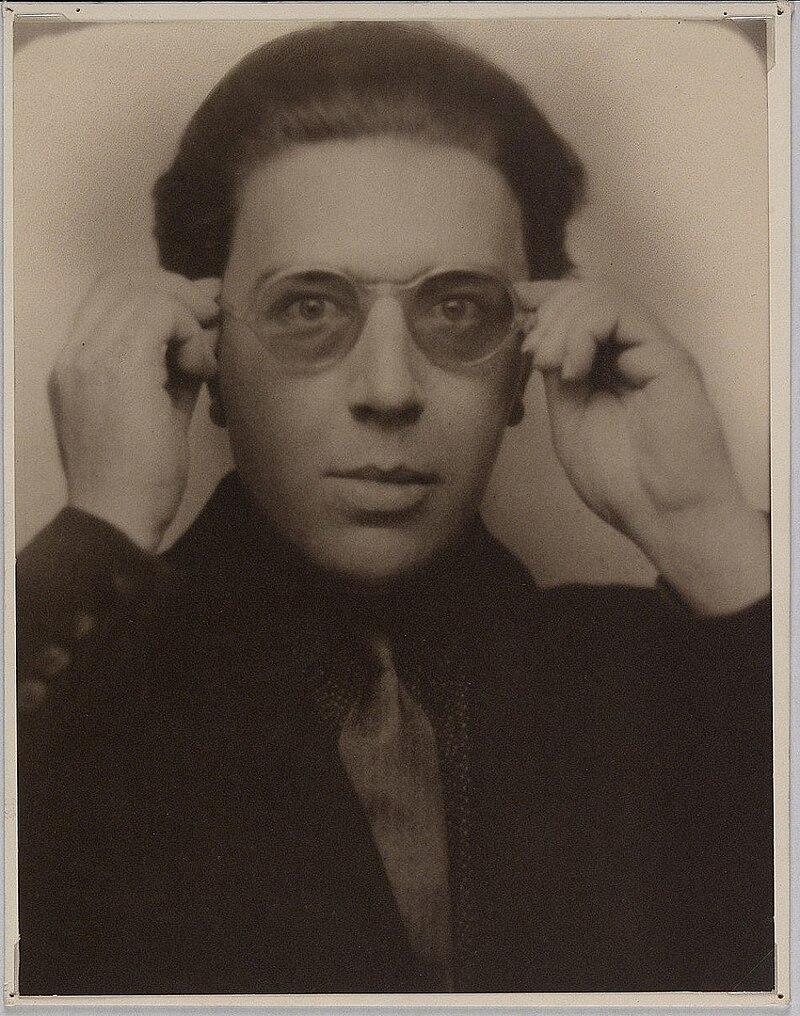
André Breton’s Nadja, a key Surrealist work, intertwines memoir and novel, exploring themes of alienation, desire, and bourgeois rationalism through the character of Nadja. Mark Polizzotti’s translation preserves the text’s complexity, highlighting its paradoxes. The narrative critiques capitalist culture while exposing gendered contradictions in artistic liberation, making it vital for Marxist discourse.
-
André Breton, born in 1896, was a key figure in Surrealism, blending literary and political pursuits. Initially influenced by Symbolist writers and psychiatry, Breton’s Dada involvement led to automatic writing, defining Surrealism in 1924. His complex relationship with Marxism aimed to connect art and revolution, impacting 20th-century cultural history significantly.
-

James Davidson’s “Courtesans and Fishcakes” explores Athenian social life through a lens of consumption, emphasizing class relations and material production. By focusing on food, sex, and political discourse, Davidson reveals how pleasures are intertwined with labor exploitation in a slave-based economy, prompting a Marxist critique of cultural practices and underlying socio-economic frameworks.
-
Subscribe
Subscribed
Already have a WordPress.com account? Log in now.
 Letters from Tomis