-

By Any Means Necessary, published by Pathfinder Press, is a powerful collection of Malcolm X’s writings that highlight his critique of racism and imperialism. It captures his political evolution towards a broader, anti-imperialist perspective. This volume serves as an essential text for understanding Black radicalism and ongoing struggles for social justice worldwide.
-

My Socialist Hall of Fame During this chaotic era of vile rhetoric and manipulative tactics from our so-called bourgeois leaders, I am invigorated by the opportunity to reflect on Socialists, Revolutionaries, Philosophers, Guerrilla Leaders, Partisans, and Critical Theory titans, champions, and martyrs who paved the way for us—my own audacious “Socialism’s Hall of Fame.” These
-

Publius Papinius Statius’s Achilleid, an unfinished first-century Latin epic, offers a unique portrayal of Achilles that blends humor, irony, and themes of gender fluidity. Through vivid episodes of his youth and complex maternal dynamics, the work challenges traditional heroism. Despite its incomplete status, it presents rich insights into identity and societal expectations.
-

Andreas Malm is a notable Swedish scholar, author, and associate professor whose work focuses on human ecology, environmental history, and political ecology. He examines the relationship between capitalism and climate change, advocating for radical climate activism. His influential writings include “Fossil Capital” and “How to Blow Up a Pipeline,” emphasizing ecological justice.
-

Nancy Fraser’s “Cannibal Capitalism” critiques contemporary capitalism, arguing it exploits democracy, care, and the environment. Through six chapters, it examines systemic racism, undervalued care work, and ecological crises, while proposing a socialist vision. Although it offers deep insights, its dense language may limit accessibility and practical solutions.
-

Nancy Fraser, an influential American philosopher and critical theorist, specializes in political philosophy, feminist theory, and social criticism. Known for her dual framework of “redistribution and recognition,” Fraser critiques neoliberalism and capitalism’s effects on democracy. Her work addresses social justice, gender, race, and class, advocating for inclusive democratic deliberation.
-

Friedrich Engels’ The Origin of the Family, Private Property and the State remains vital in Marxist theory, analyzed in the 2020 Wellred Books edition. Rob Sewell’s introduction contextualizes Engels’ claims on the evolution of family, property, and state, especially regarding gender inequality. This edition enhances accessibility and relevance for contemporary discussions on social inequality.
-
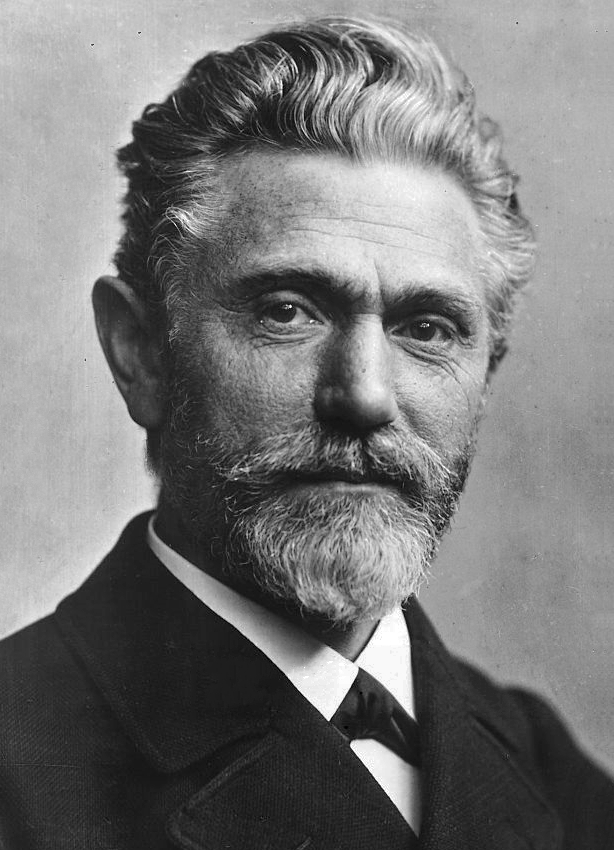
August Ferdinand Bebel (1840–1913) was a key figure in German socialism and co-founder of the Social Democratic Party of Germany (SPD). A committed Marxist, he advanced democratic socialism, advocating for gender equality in “Woman and Socialism.” Despite persecution, Bebel’s legacy endures as a catalyst for labor rights and social welfare initiatives.
-

Between 2015 and 2025, Marxist philosophy revived globally, reshaping itself through dialogues with feminism, critical race theory, and ecological thought. Influential figures emerged in various regions, enriching traditional Marxism by addressing contemporary socio-economic and environmental issues. This evolution reflects Marxism’s adaptability in confronting modern challenges and diverse forms of oppression.
-

Béla Kun (1886–1938) was a key Hungarian communist leader, known for establishing the Hungarian Soviet Republic in 1919. Influenced by the Russian Revolution, he implemented radical reforms but faced significant opposition, leading to the state’s collapse. After fleeing, he was executed during Stalin’s purges, leaving a controversial legacy of communism and repression.
-
Subscribe
Subscribed
Already have a WordPress.com account? Log in now.
 Letters from Tomis