-

Lecture Short lecture based on Fred Weston’s article: https://marxist.com/new-chinese-translation-of-china-from-permanent-revolution-to-counter-revolution-available-now.htm Lecture Overview Today’s lecture explores Fred Weston’s Marxist analysis of China’s political and economic transformation from a revolutionary workers’ state to a capitalist imperialist power. This text serves as a preface to the Chinese translation of China: From Permanent Revolution to Counter-Revolution, and offers a panoramic
-
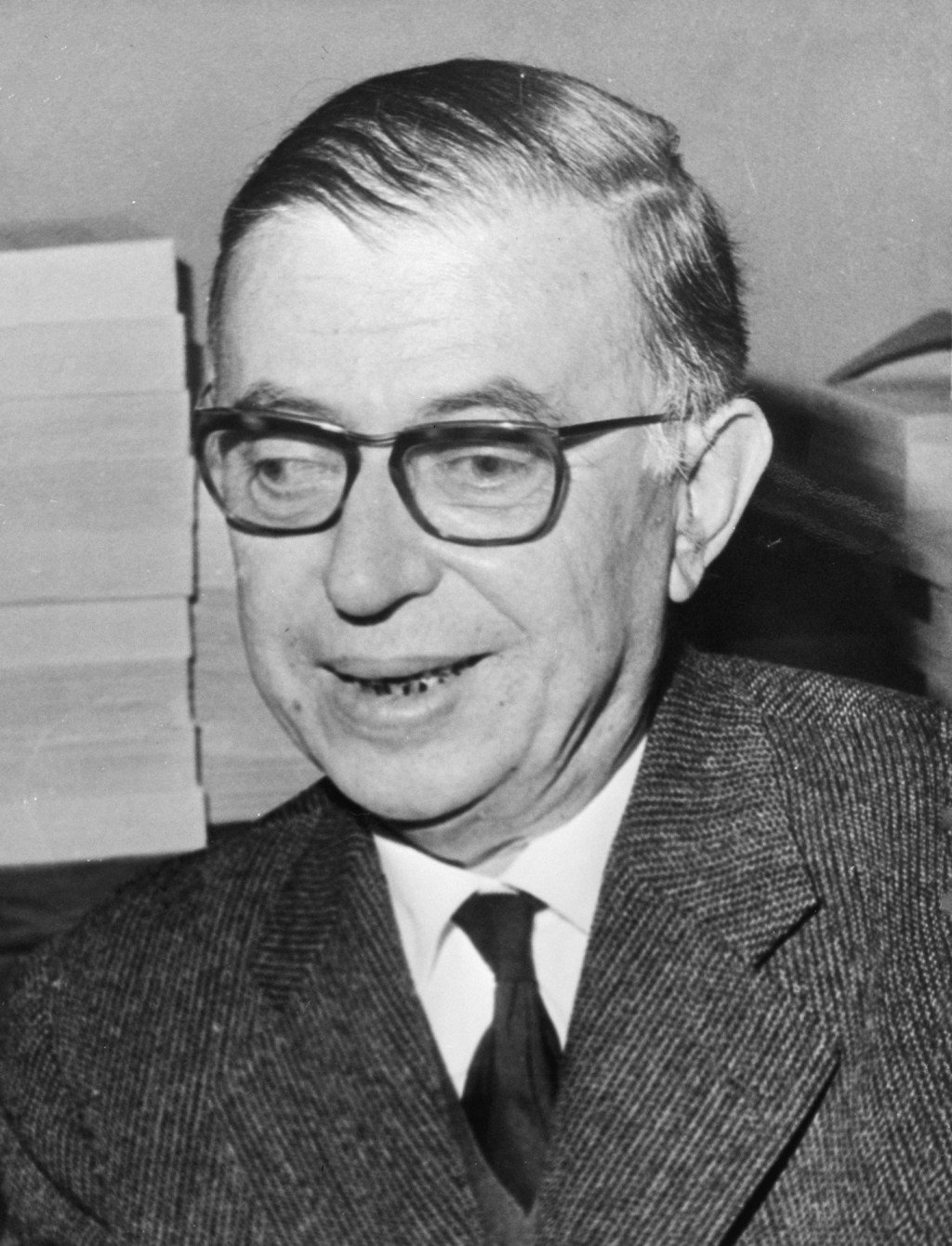
Jean-Paul Sartre (1905–1980) was a pivotal French existentialist philosopher whose works examined human freedom and responsibility in an indifferent universe. His book “Being and Nothingness” established foundational existentialist ideas. A prolific novelist and playwright, he also engaged in political activism and declined the Nobel Prize in Literature, emphasizing intellectual independence.
-

Samantha Harvey’s The Western Wind is a historical fiction novel set in 1491, unfolding in reverse over four days. It explores themes of memory, confession, and truth through the unreliable narration of parish priest John Reve. While praised for its lyricism and structure, some criticize its historical inaccuracies.
-

Ulrike Meinhof, a German journalist and co-founder of the Red Army Faction, evolved from a respected intellectual to a revolutionary militant. Her radicalization, driven by disillusionment with traditional protest, led to violence justified by Marxist ideology. Arrested in 1972, Meinhof’s death in 1976 remains controversial, symbolizing state repression and revolutionary tragedy.
-
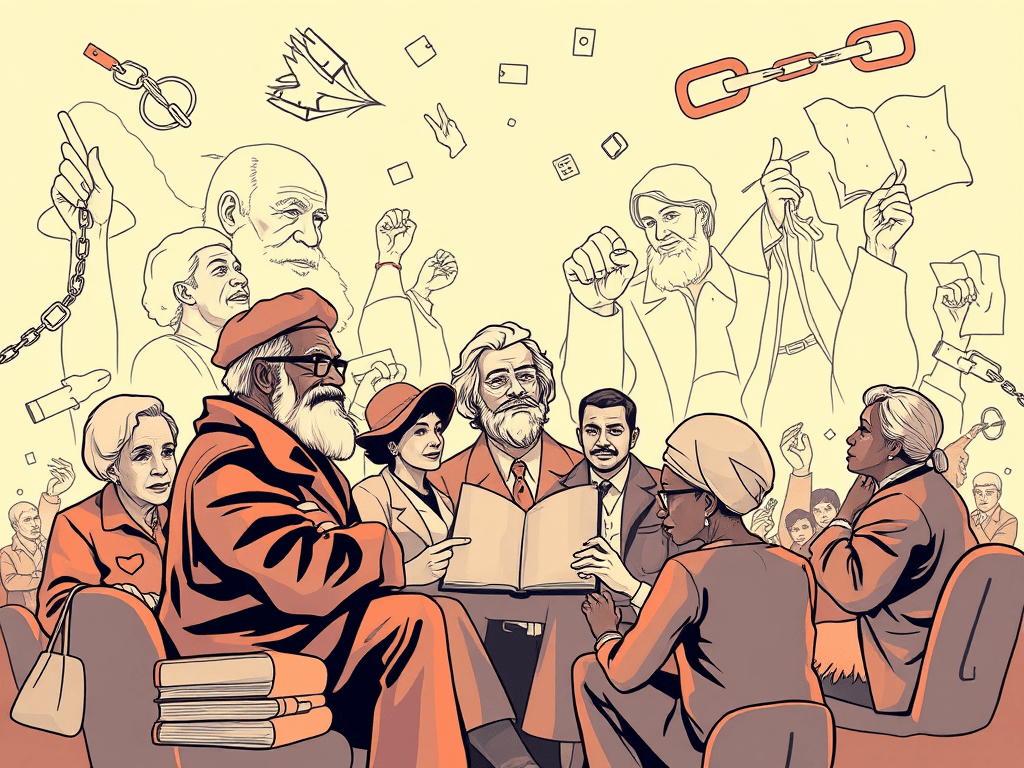
Marxist humanism emphasizes human freedom, drawing from early Marx’s ideas on alienation and emancipation. Emerging in the 1960s, it critiqued bureaucratic socialism, blending Marxism with Hegelian themes. The tradition addresses global issues like decolonization, ecology, and social justice, advocating for a socialism centered on human dignity and needs.
-

Fidel Castro, born on August 13, 1926, became a central figure in Cuba’s revolutionary movement against Batista’s regime. His rise to power began with the 1953 Moncada attack, leading to his governance and significant reforms. Castro’s leadership saw Cuba align with Soviet socialism amid Cold War tensions, facing criticism for human rights abuses while improving…
-

Ted Grant’s Marxist analysis of capitalist economic cycles in “Will There Be A Slump?” highlights that capitalism is subject to inherent contradictions leading to recurring crises. He examines post-World War II economic upswing, overproduction, and the temporary nature of state interventions and nationalizations, illustrating the persistent instability and inequality in global capitalism.
-

Félix Guattari (1930–1992) was a French psychoanalyst and philosopher renowned for co-authoring “Anti-Oedipus” with Gilles Deleuze, proposing schizoanalysis which critiqued capitalism’s effects on desire. His later works, like “The Three Ecologies,” promoted ecological and social justice, influencing contemporary philosophy, activism, and therapeutic practices until his death in 1992.
-

Council communism emerged in the early 20th century as a Marxist ideology advocating socialism through workers’ councils rather than centralized party rule. It critiques Leninism for its authoritarianism and argues for direct worker self-management. Although a mass movement subsided by the 1930s, its ideas continue to influence contemporary discussions on grassroots democracy and socialism.
-

Jean Jaurès, a pivotal figure in modern socialism, advocated for peace, workers’ rights, and social justice in France. An eloquent speaker and thinker, he supported universal suffrage and economic reform. Assassinated in 1914 before World War I, Jaurès’s legacy endures in socialist movements, promoting democracy, equality, and international cooperation.
-
Subscribe
Subscribed
Already have a WordPress.com account? Log in now.
 Letters from Tomis