Psychology
-

The evolution of psychotherapy began with Freud’s psychoanalysis, emphasizing the unconscious mind and inner conflicts. This tradition expanded through Jung’s collective unconscious and Lacan’s linguistic approach. Modern therapies, like CBT and humanistic methods, prioritize empirical evidence and structured techniques, focusing on present issues, symptom relief, and client empowerment.
-

The concept of the “Body Without Organs” (BwO), developed by Deleuze and Guattari, challenges traditional psychoanalysis and metaphysical thought. It represents a body stripped of structured organization, embodying unregulated potential. The BwO visualizes desire as a creative force, advocating freedom from imposed roles, encouraging new connections and identities beyond rigid frameworks.
-
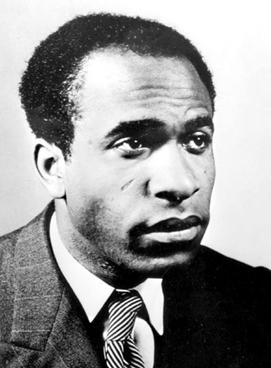
Frantz Fanon, born in 1925 in Martinique, was a significant figure influenced by French colonialism and his experiences as a psychiatrist during the Algerian War. His major works, including “Black Skin, White Masks” and “The Wretched of the Earth,” explored themes of racism, decolonization, and revolutionary thought, inspiring global anti-colonial movements. Fanon died in 1961.
-
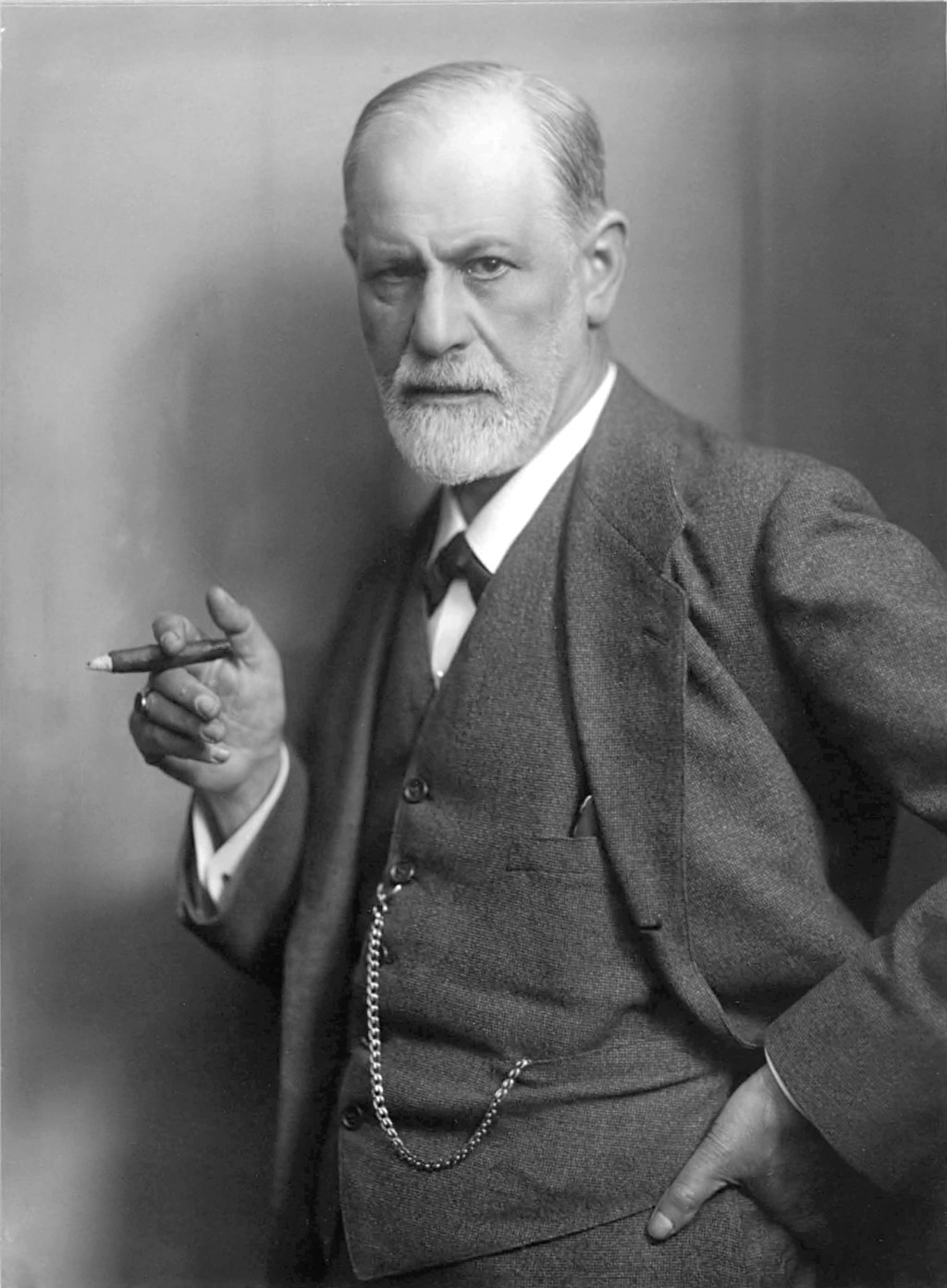
Sigmund Freud (1856-1939), an Austrian neurologist, founded psychoanalysis, revolutionizing psychology and psychiatry. His theories on the unconscious mind, including concepts like repression and the Oedipus complex, stemmed from his medical studies and hypnosis experiences. Despite facing Nazi persecution, he continued his influential work until his death in London.
-

Jacques Lacan, a French psychoanalyst, merged Freudian psychoanalysis with structural and post-structural ideas. His key concepts include the Imaginary, the Symbolic, and the Real, as well as the mirror stage and objet petit a. Lacan’s influence spans psychoanalysis, philosophy, and critical theory, continuing to inspire scholars and clinicians today.
-

Žižek’s How to Read Lacan provides an engaging introduction to Jacques Lacan’s psychoanalytic theory. Through witty and clear explanations, Žižek makes complex ideas accessible, using pop culture examples. He connects Lacan’s theories to broader philosophical contexts, challenging misconceptions and emphasizing their relevance. The book is recommended for both newcomers and those familiar with Lacanian thought.
-
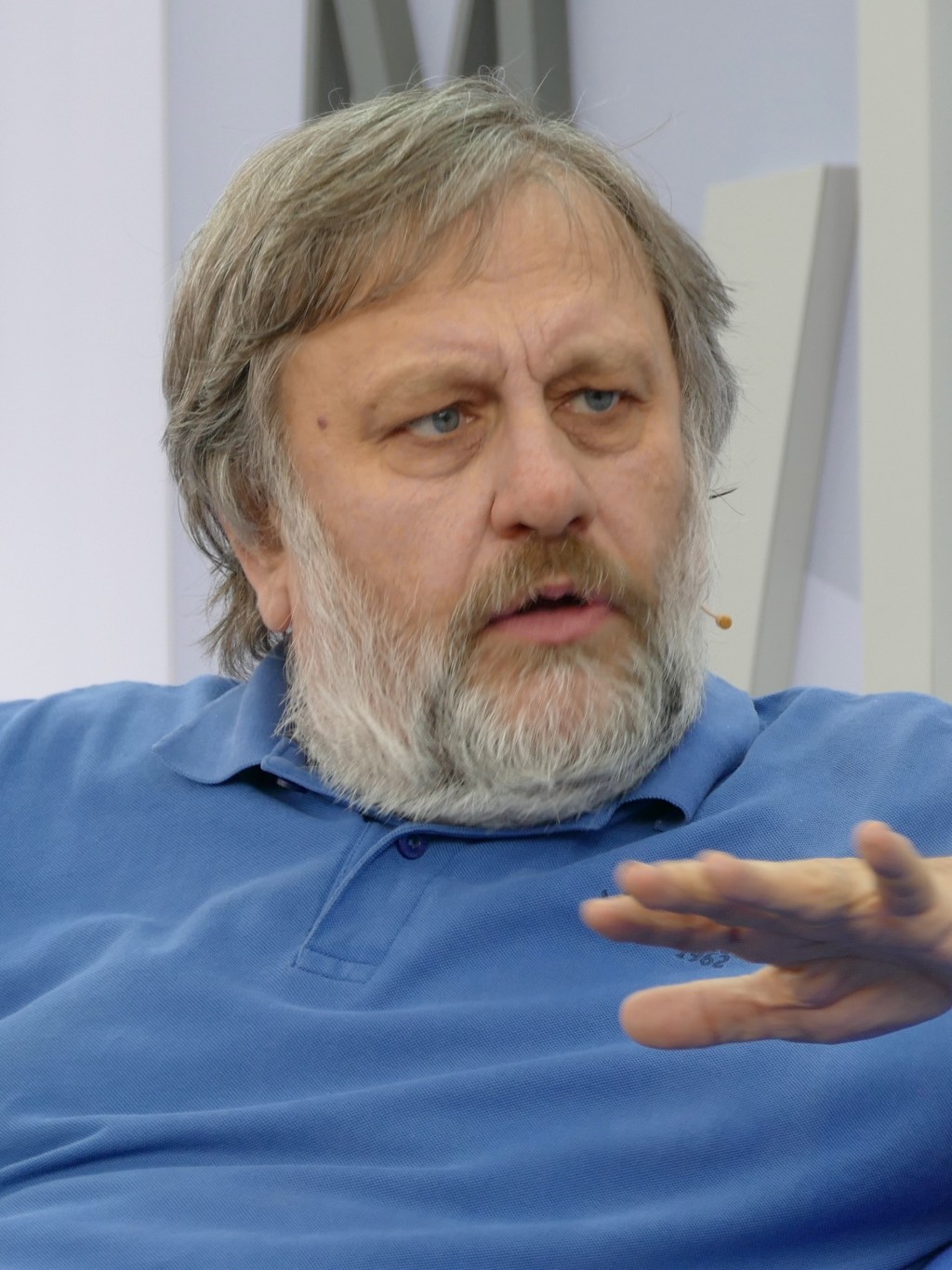
Slavoj Žižek, born in 1949, is a Slovenian philosopher and cultural critic known for his analyses of culture, politics, and psychoanalysis, merging Marxism with Lacanian theory. His works critique ideology and capitalism, with significant contributions to critical theory and political philosophy. He remains influential in academia and public discourse.
-
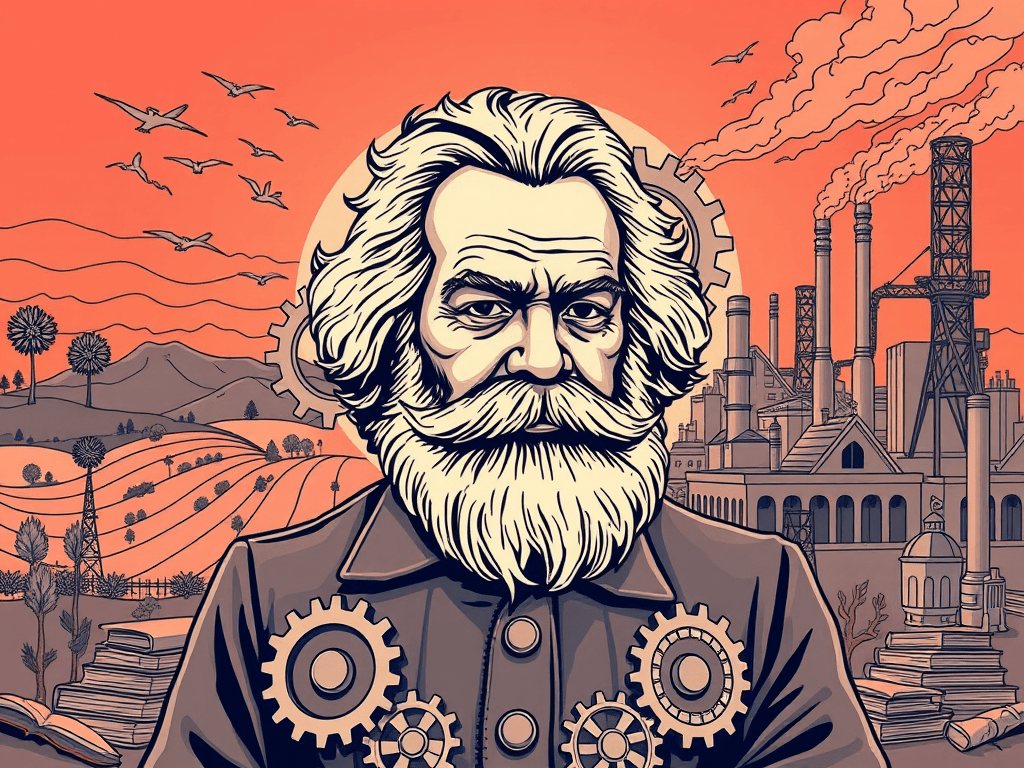
Karl Marx offers a historical materialist perspective on human consciousness, emphasizing that it is shaped by material conditions rather than existing independently. Consciousness evolves through class struggles, reflecting economic realities. As societies transform, so do ideologies, showcasing a dialectical process where contradictions propel social progress and change in consciousness.
-

Charles Duhigg’s “Supercommunicators” presents engaging stories and practical communication skills but often feels superficial and overgeneralized. While it offers relatable anecdotes and accessible advice, it lacks depth, particularly regarding cross-cultural dialogue. Ultimately, the book serves as a light introduction to communication, but may not satisfy readers seeking profound insights.
-

A reflection on the complex issue of free will through philosophical and theological lenses, questioning whether true agency exists or if all actions are determined by external factors. Despite the potential illusion of free will, the author emphasizes its importance for moral responsibility and societal functionality, advocating for mindful choices regardless of determinism.

