Psychology
-
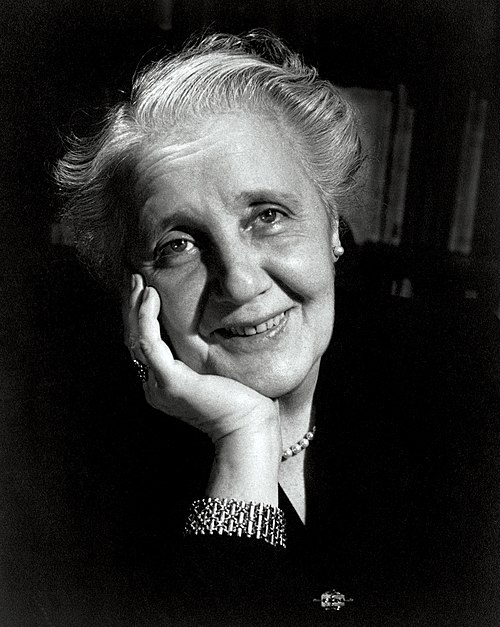
Melanie Klein was a pivotal psychoanalytic figure, known for developing object relations theory and transforming childhood development understanding. Her innovative approach emphasized the infant’s internal object relations, challenging Freudian ideas. Klein’s clinical methods and theories deeply influenced post-war psychoanalysis, leaving a lasting legacy across various fields, including feminist theory and cultural criticism.
-
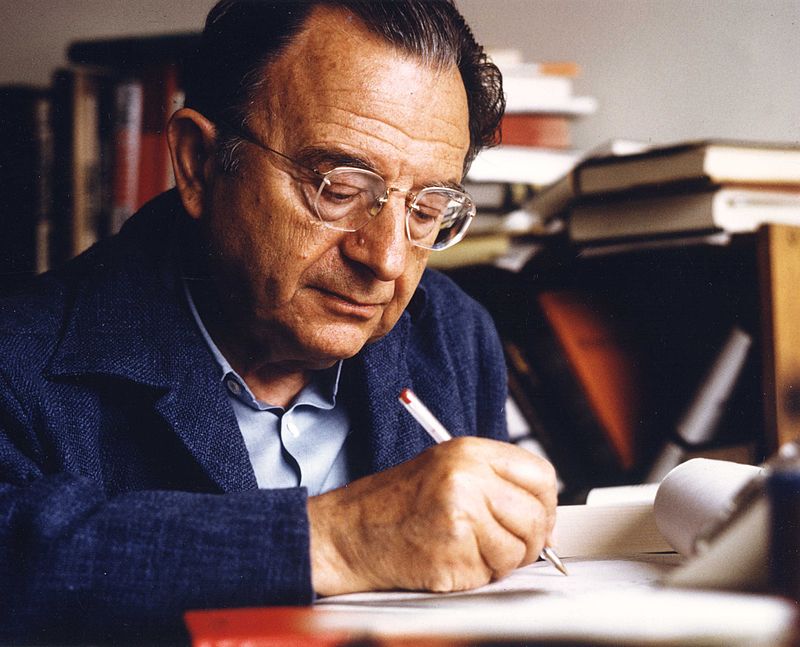
Book Review Fromm, Erich. The Sane Society. Holt Paperbacks, 1990. Erich Fromm’s The Sane Society (1955) remains one of the most incisive mid-century critiques of capitalist modernity, straddling psychoanalytic theory, social philosophy, and heterodox Marxism. Written at the height of America’s postwar boom, the book confronts what Fromm calls “the pathology of normalcy”—the fact that…
-
Erich Fromm’s Escape from Freedom explores the psychological impact of capitalism on individual autonomy, aligning with Marxist critiques of alienation. Fromm’s analysis reveals how modern freedom often leads to submission under capital’s demands. He emphasizes the necessity for collective transformation to achieve true freedom, marking a significant intersection of psychoanalysis and revolutionary thought.
-
Erich Fromm was a German social psychologist and philosopher who shaped 20th-century thought by integrating psychology and Marxism. His work highlighted individual alienation in capitalism and advocated for humanistic socialism and ethics of love. Fromm’s influential writings explored freedom, love, and the social character, leaving a lasting impact across multiple disciplines.
-
Erich Fromm’s The Art of Loving reframes love as an art requiring knowledge and practice rather than a mere emotion. It explores defining elements of love and critiques the commodification of relationships in capitalist societies. Despite its limitations regarding gender and contemporary forms of love, it remains a pivotal work linking personal and social transformation.
-

Slavoj Žižek’s The Sublime Object of Ideology (1989) integrates Lacanian psychoanalysis, Hegelian idealism, and Marxist theory, challenging conventional ideology critiques. It revitalizes Marxist thought by emphasizing structure over false consciousness and critiques postmodernism. Although dense, the work reshapes ideology understanding, influencing critical theory and political discourse post-Cold War.
-

Jacques Lacan’s psychoanalytic theory features three interdependent registers: the Imaginary, the Symbolic, and the Real, with the Real as the most complex. This summary explores Lacan’s evolving understanding of the Real throughout his career, examining its distinctions from the other orders, its role in human experience, and its implications for psychoanalysis.
-

Félix Guattari (1930–1992) was a French psychoanalyst and philosopher renowned for co-authoring “Anti-Oedipus” with Gilles Deleuze, proposing schizoanalysis which critiqued capitalism’s effects on desire. His later works, like “The Three Ecologies,” promoted ecological and social justice, influencing contemporary philosophy, activism, and therapeutic practices until his death in 1992.
-

Sigmund Freud’s The Psychopathology of Everyday Life (1901) explores how everyday errors reflect repressed thoughts and unconscious desires. The text challenges traditional views of consciousness, emphasizing the unconscious’s influence on behavior. Freud’s analysis remains relevant and accessible, inviting interdisciplinary engagement and providing a foundational framework for understanding human cognition and behavior.
-

The evolution of psychology and psychiatry in the Soviet Union from the 1920s to the 1980s showcased a complex interplay of Marxist ideology and scientific inquiry. The fields experienced creative innovation amid ideological constraints, producing significant theories like Pavlov’s reflex theory and Vygotsky’s cultural-historical approach, which influenced global psychology despite periods of enforced conformity.

