Politics
-

My Socialist Hall of Fame During this chaotic era of vile rhetoric and manipulative tactics from our so-called bourgeois leaders, I am invigorated by the opportunity to reflect on Socialists, Revolutionaries, Philosophers, Guerrilla Leaders, Partisans, and Critical Theory titans, champions, and martyrs who paved the way for us—my own audacious “Socialism’s Hall of Fame.” These…
-

Gerald Allan Cohen (1941–2009) was a key political philosopher, known for reconciling Marxism with analytic philosophy. His works addressed historical materialism, justice, and egalitarianism, challenging libertarian and liberal theories. Cohen’s legacy influences contemporary debates on socialist justice, sustainability of inequality, and moral philosophy, emphasizing ethical commitment to equality.
-

Rob Sewell’s “Germany: From Revolution to Counter-Revolution” offers a concise, politically engaged retelling of the German revolutionary period, emphasizing leadership and mass agency. While it lacks original archival research and simplifies complex narratives, it effectively serves as an accessible pedagogical tool for revolutionary students and activists, stimulating critical reflection on historical events.
-

Alan Woods’ Marxism and Anarchism is a provocative anthology analyzing the historical divide between Marxism and anarchism. It critiques anarchist strategies while advocating for a Marxist approach that emphasizes organization, class struggle, and the necessity of building workers’ power. Relevant and accessible, it serves educators and militants navigating revolutionary theory.
-
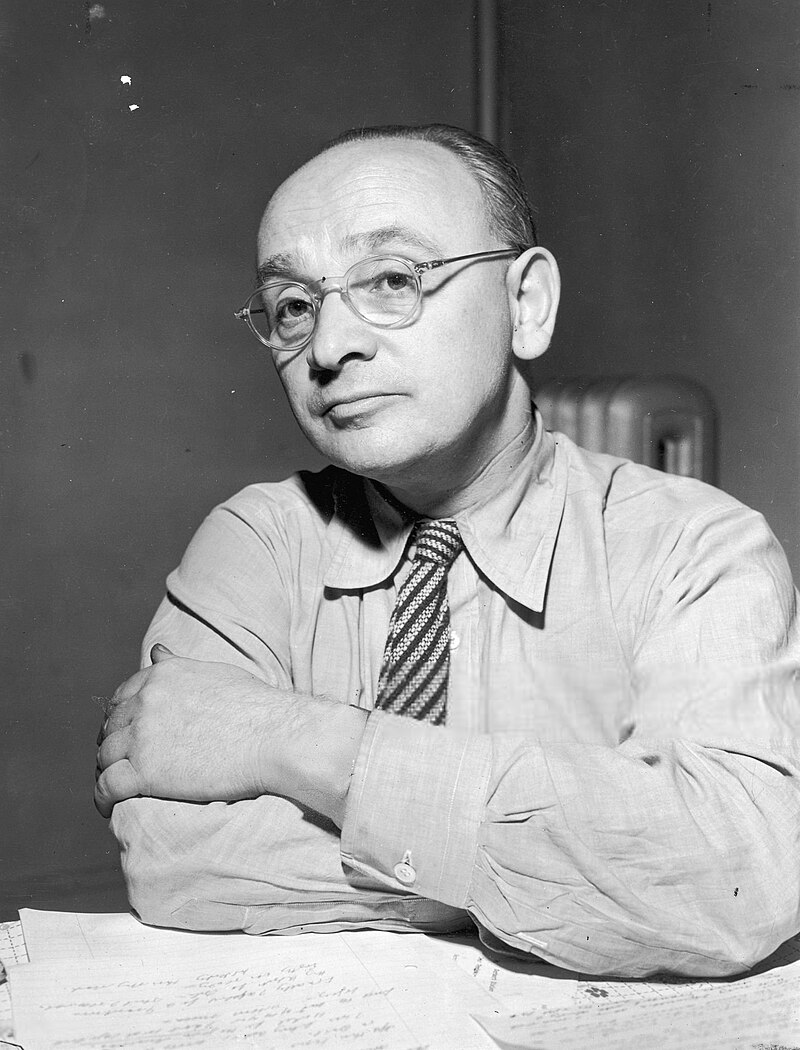
Gerhart Eisler (1897–1968), a German communist intellectual and operative, navigated the political landscape from Weimar Germany to the Cold War. Known for his influential role in the Comintern and later in East Germany, his life reflects the complexities of Marxism, illustrating the tensions between revolutionary ideals and bureaucratic realities.
-
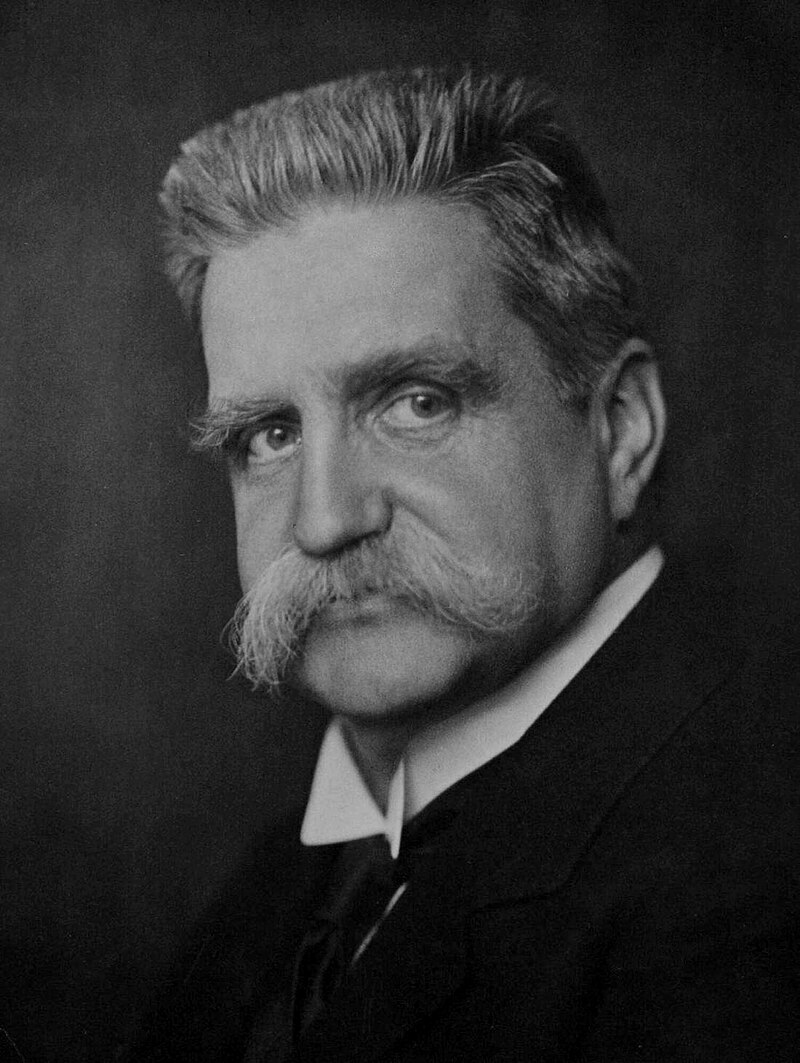
Karl Hjalmar Branting was a key figure in Swedish socialism, transforming Sweden into a social democracy as its first Social Democratic Prime Minister. Advocating for gradual reform instead of revolution, he implemented progressive policies and universal suffrage. His legacy as an architect of democratic socialism significantly influenced European political landscapes.
-

Erich Fromm’s Escape from Freedom explores the psychological impact of capitalism on individual autonomy, aligning with Marxist critiques of alienation. Fromm’s analysis reveals how modern freedom often leads to submission under capital’s demands. He emphasizes the necessity for collective transformation to achieve true freedom, marking a significant intersection of psychoanalysis and revolutionary thought.
-
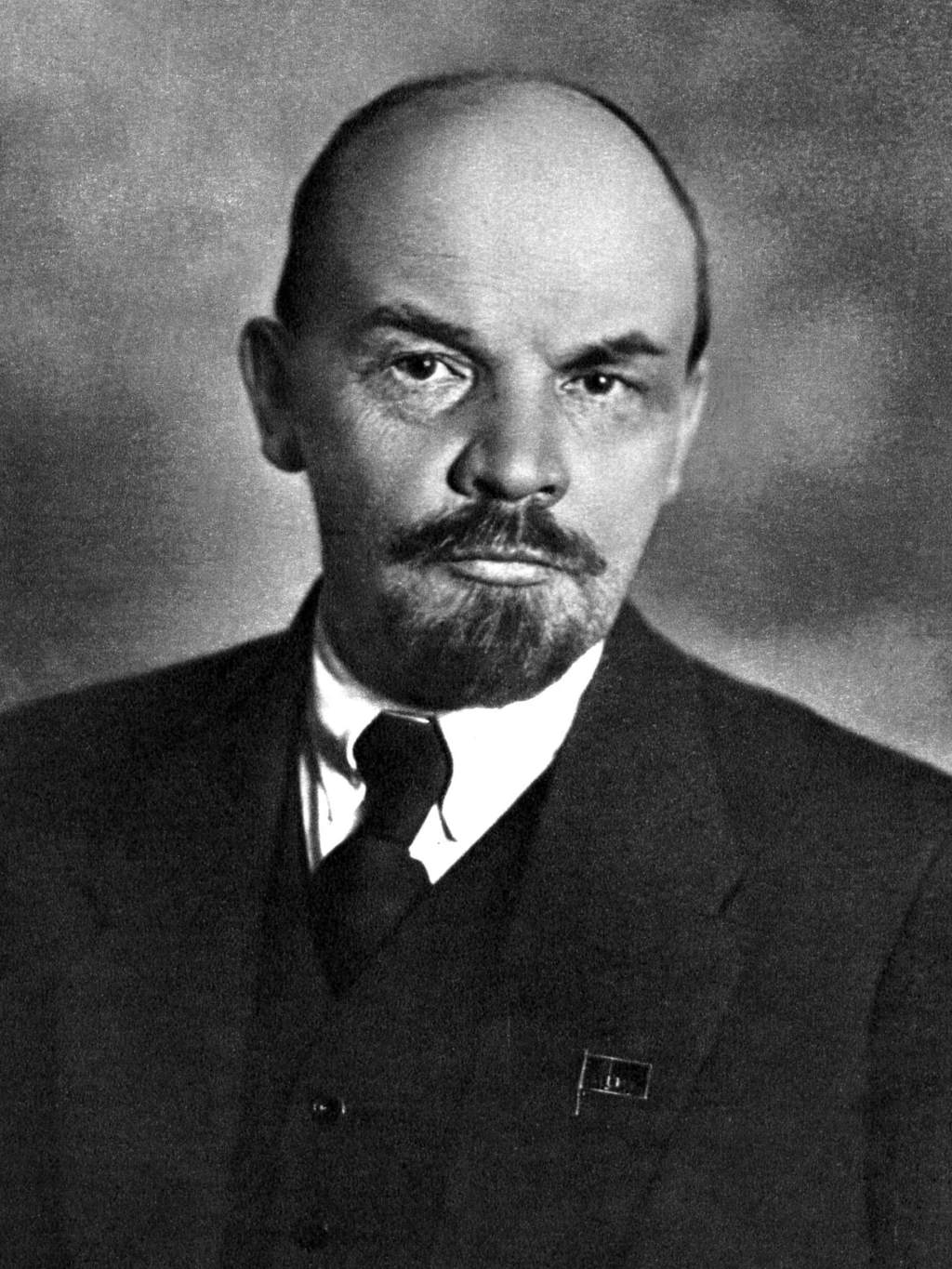
Vladimir Lenin’s “Left-Wing Communism: An Infantile Disorder” critiques sectarianism and ultraleftism within revolutionary movements post-October Revolution. It emphasizes the necessity for tactical flexibility, engagement with existing institutions, and a dialectical relationship between the party and the masses. The work remains relevant for contemporary revolutionary practice and promotes disciplined, organized engagement in the struggle against capitalism.
-
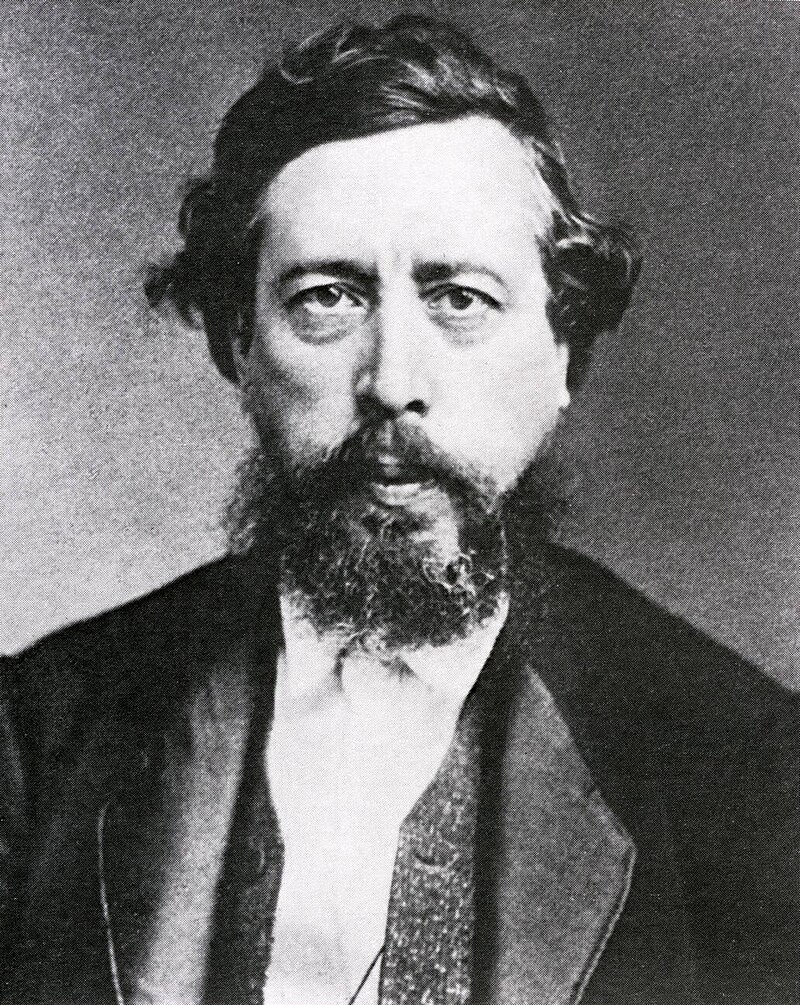
Wilhelm Liebknecht, born in 1826, faced early tragedies but pursued education and radical democratic thought. He became a key figure in the German labor movement and co-founded the Social Democratic Workers’ Party. He navigated political repression, advocating Marxist principles while opposing revisionism. Liebknecht’s legacy is pivotal in German social democracy.
-

James Davidson’s “Courtesans and Fishcakes” explores Athenian social life through a lens of consumption, emphasizing class relations and material production. By focusing on food, sex, and political discourse, Davidson reveals how pleasures are intertwined with labor exploitation in a slave-based economy, prompting a Marxist critique of cultural practices and underlying socio-economic frameworks.
 Letters from Tomis