Philosophy
-
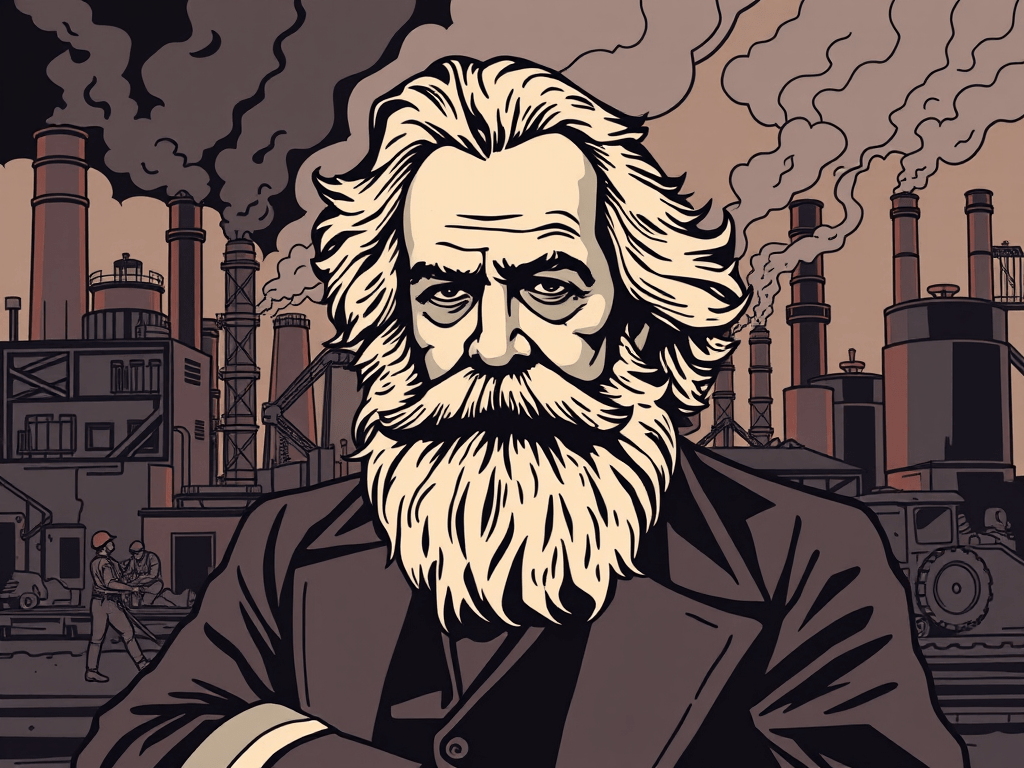
This reflection on historical materialism, inspired by What is Marxism by Sewell and Woods, explores class as a driving force in societal evolution. Marx’s view of class transcends economic status, focusing on relationships to production and the exploitation inherent in capitalism. It emphasizes the importance of class consciousness in revolutionary change and critiques contemporary misunderstandings…
-

This series of reflections on historical materialism explores the interplay between individual agency and societal structures in Marxist thought. It emphasizes that while individuals shape history, they operate within existing material conditions. This dialectical relationship underlines the complexities of historical development, challenging simplistic interpretations of history as solely driven by impersonal forces or individual will.
-

A reflection on the complex issue of free will through philosophical and theological lenses, questioning whether true agency exists or if all actions are determined by external factors. Despite the potential illusion of free will, the author emphasizes its importance for moral responsibility and societal functionality, advocating for mindful choices regardless of determinism.
-

The reflections explore humanity’s relationship with nature, emphasizing our similarities with other species while acknowledging our unique traits like language, art, and consciousness. The narrative critiques the arrogance of human superiority, illustrating how our capacity for creation and destruction defines us. Ultimately, it suggests that understanding our place within nature is crucial.
-

Slavoj Žižek’s Looking Awry presents Jacques Lacan’s theories through popular culture, making complex concepts accessible. With clarity and humor, Žižek analyzes films and media, enhancing understanding of psychoanalysis while engaging readers. The book celebrates the interplay of theory and culture, appealing to both scholars and newcomers. Highly recommended for its enriching insights.
-

The text explores the distinctions between determinism and fatalism. Determinism asserts that human actions are caused by preceding conditions, allowing for meaningful freedom, while fatalism posits that outcomes are preordained, rendering human efforts meaningless. Embracing determinism encourages responsibility and progress, while fatalism leads to passivity and despair.
-
The inquiry into whether the universe had a beginning captivates theologians, philosophers, and scientists. While religion offers a divine explanation, science presents the Big Bang theory. Both perspectives reveal our ignorance and underscore the limits of human understanding. Embracing doubt fosters wisdom and humility in exploring existence’s mysteries.
-

Dialectical materialism, rooted in Marxist philosophy, interprets societal change through material contradictions within economic systems. While acknowledging its limitations and critiques, this framework remains relevant in addressing modern challenges like climate change and digital monopolies. Embracing its insights, without rigid dogma, is essential for understanding and navigating our rapidly evolving world.
-

Nature exemplifies a dialectical reality where conflict drives progress and evolution. Rather than a static harmony, it embodies perpetual clashes that shape life systems. These contradictions create order from disorder and highlight humanity’s exploitation of nature, culminating in a precarious balance that demands new resolutions through inevitable struggle.
-
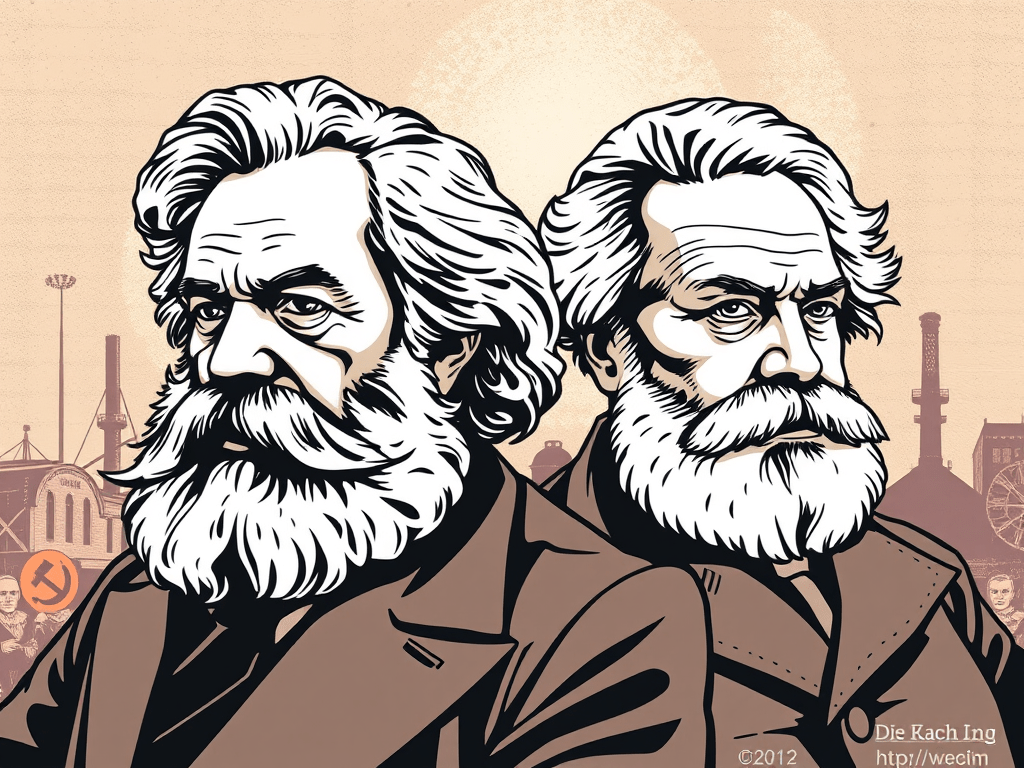
Karl Marx and Friedrich Engels revolutionized political thought by emphasizing materialism and the dynamics of history rooted in economic realities. They critiqued utopian socialism, arguing capitalism’s inherent contradictions would lead to its downfall. Their insights into ideology became foundational for later critique, challenging society’s structures and urging responsibility in transforming the world.
 Letters from Tomis