Marxism
-
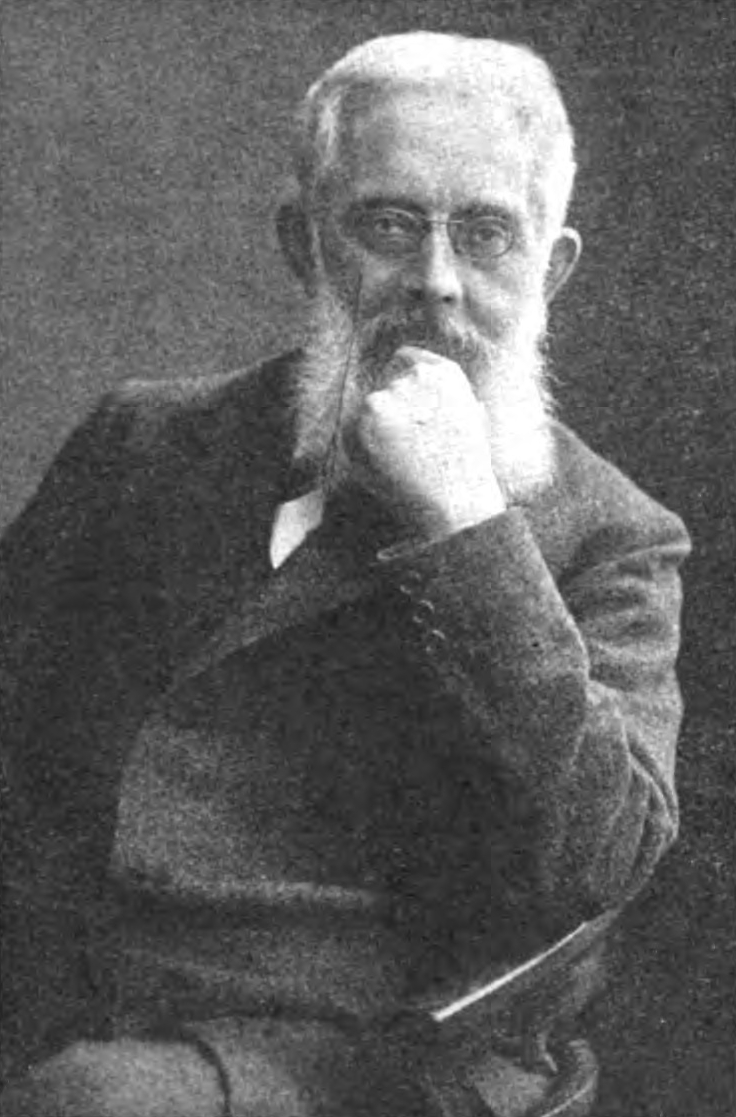
Franz Mehring (1846–1919) was a crucial figure in German Marxism, serving as historian, journalist, and political activist. His works, including a biography of Marx, highlight class struggle and critique bourgeois historiography. A founding member of the KPD, he embodied the tensions within socialism and left a lasting legacy in historical and literary criticism.
-

Stuart Hall (1932–2014) was a pivotal cultural theorist and founding figure in British Cultural Studies. His work explored media, race, identity, and political ideology, significantly shaping debates in cultural studies and critical race theory. Hall’s influence endures through his critical analyses of identity, power, and representation.
-
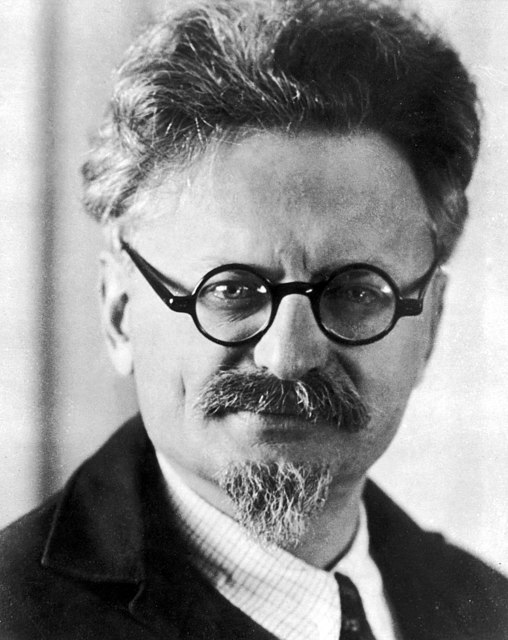
Leon Trotsky’s “In Defence of Marxism” is a critical examination of revolutionary methods amidst inner-party disputes within the Socialist Workers Party. Written in 1939-40, it emphasizes dialectical materialism, party strategy, and class analysis, providing a framework for defending the USSR while contesting Stalinism. The book’s insights on party democracy and polemic reinforce its relevance for…
-
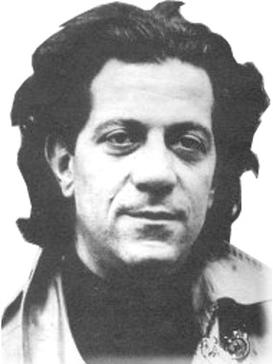
Nicos Poulantzas was a Greek Marxist theorist whose work focused on the state, political power, and class structure. Influenced by various intellectual traditions, he developed a structuralist theory of the capitalist state, later evolving to a strategic-relational approach. Poulantzas engaged with politics through Eurocommunism, leaving a lasting impact on Marxist political theory before his untimely…
-
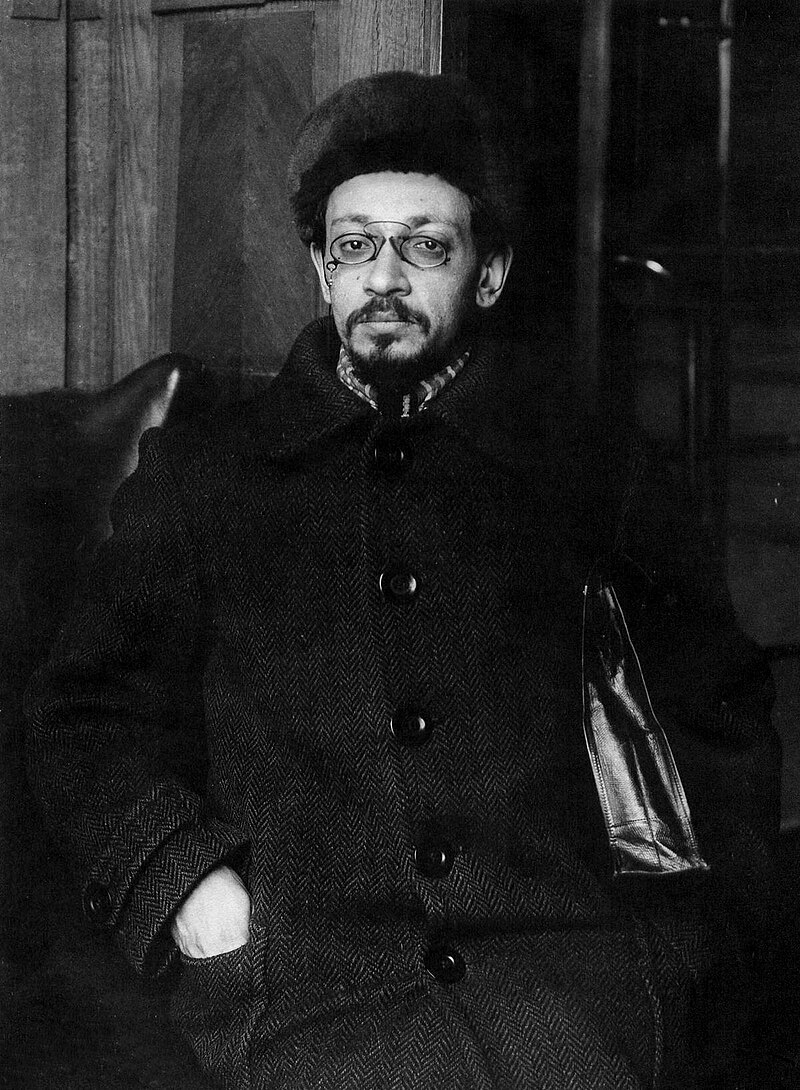
Yakov Sverdlov (1885–1919) was a key figure in the Russian Revolution, known for his organizational skills within the Bolshevik party. As the first head of the Soviet state, he played an essential role in consolidating power and developing the party-state structure. His early death curtailed a potentially significant political legacy.
-

Leon Trotsky’s “Leon Trotsky Presents the Living Thoughts of Karl Marx” provides a dynamic introduction to Marxist thought, emphasizing historical materialism and the labor theory of value. Written in exile, Trotsky combines pedagogical and polemical tones, urging readers to view Marxism as a living method for social transformation rather than a static doctrine.
-

Marxist economic theory provides insights into value production and inflation within capitalism. It emphasizes labor’s role in generating value, critiques capitalist exploitation, and interprets inflation as a reflection of class struggle and distributional conflicts. The evolution of capitalism, globalization, and technological change challenge traditional value concepts, prompting ongoing debates within Marxist circles.
-

My Socialist Hall of Fame During this chaotic era of vile rhetoric and manipulative tactics from our so-called bourgeois leaders, I am invigorated by the opportunity to reflect on Socialists, Revolutionaries, Philosophers, Guerrilla Leaders, Partisans, and Critical Theory titans, champions, and martyrs who paved the way for us—my own audacious “Socialism’s Hall of Fame.” These…
-
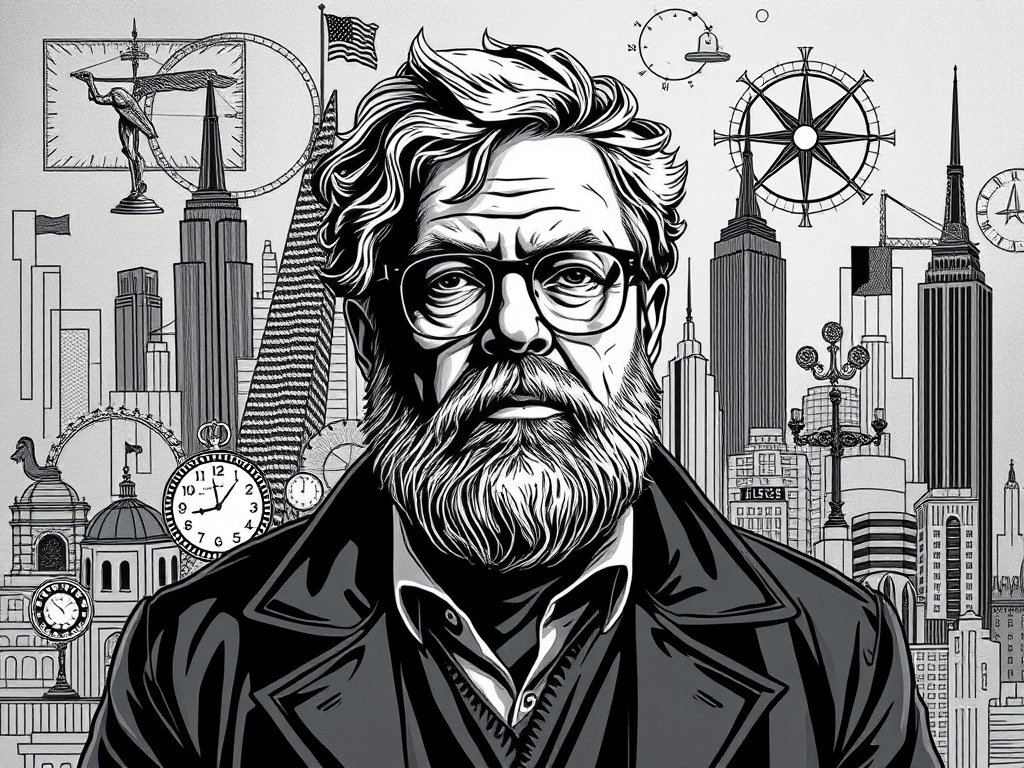
Frederic Jameson’s Postmodernism examines late capitalism’s cultural dynamics, identifying postmodernism as a critical ideological manifestation. While praised for its historical materialism, it lacks a revolutionary praxis, offering diagnostics instead of solutions. Jameson emphasizes the need for cognitive mapping but fails to connect these ideas with grassroots political action, ultimately serving as a theoretical lens rather…
-

Panitch and Gindin’s “The Making of Global Capitalism” reinterprets globalization, emphasizing the U.S. state’s crucial role over market forces. Through historical analysis, they argue that American political structures have actively shaped global capitalism. The book critiques mainstream narratives, offering a Marxist perspective on the interplay of finance, labor, and neoliberalism, while acknowledging its dense prose.
 Letters from Tomis