Marxism
-
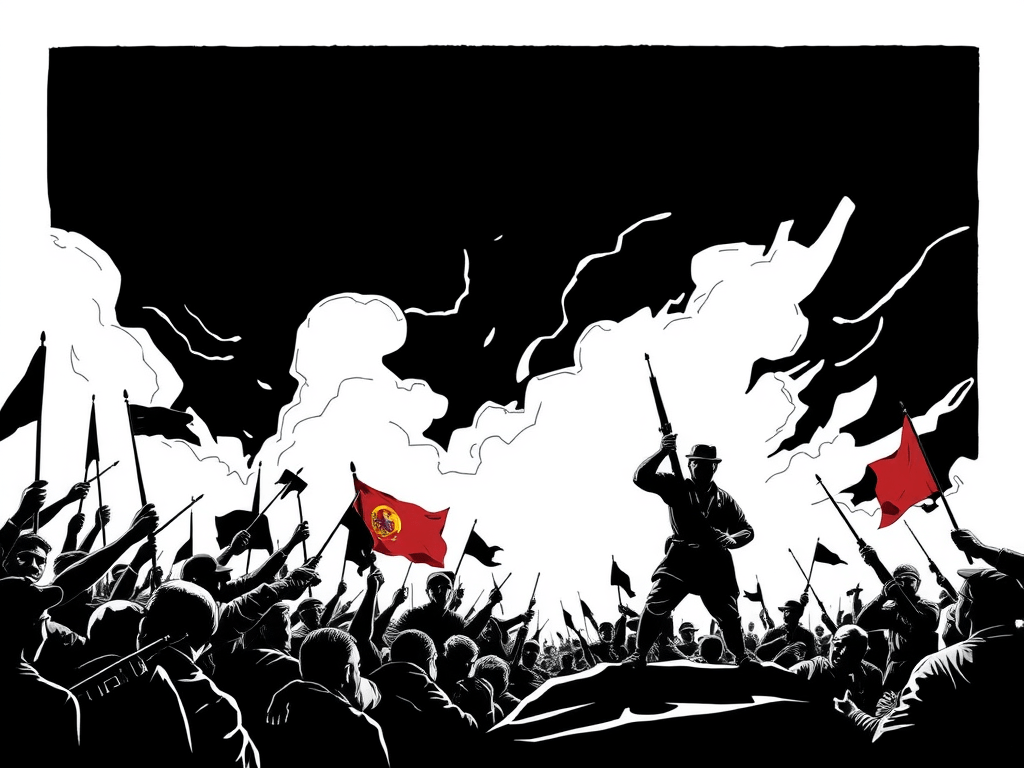
Felix Morrow’s “Revolution and Counter-Revolution in Spain” provides a critical Marxist analysis of the Spanish Civil War, arguing that the Spanish proletariat had potential power which was undermined by reformist leadership. Morrow’s work highlights the dangers of class collaboration and emphasizes the need for revolutionary mobilization to confront authoritarianism and capitalist democracy.
-
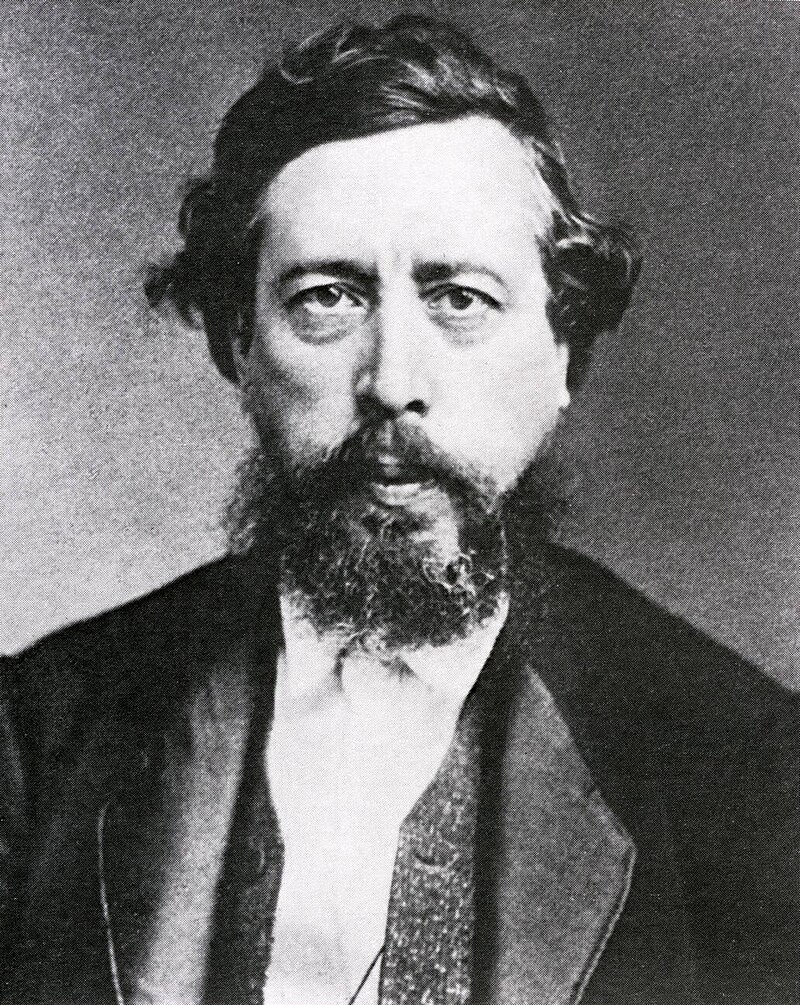
Wilhelm Liebknecht, born in 1826, faced early tragedies but pursued education and radical democratic thought. He became a key figure in the German labor movement and co-founded the Social Democratic Workers’ Party. He navigated political repression, advocating Marxist principles while opposing revisionism. Liebknecht’s legacy is pivotal in German social democracy.
-
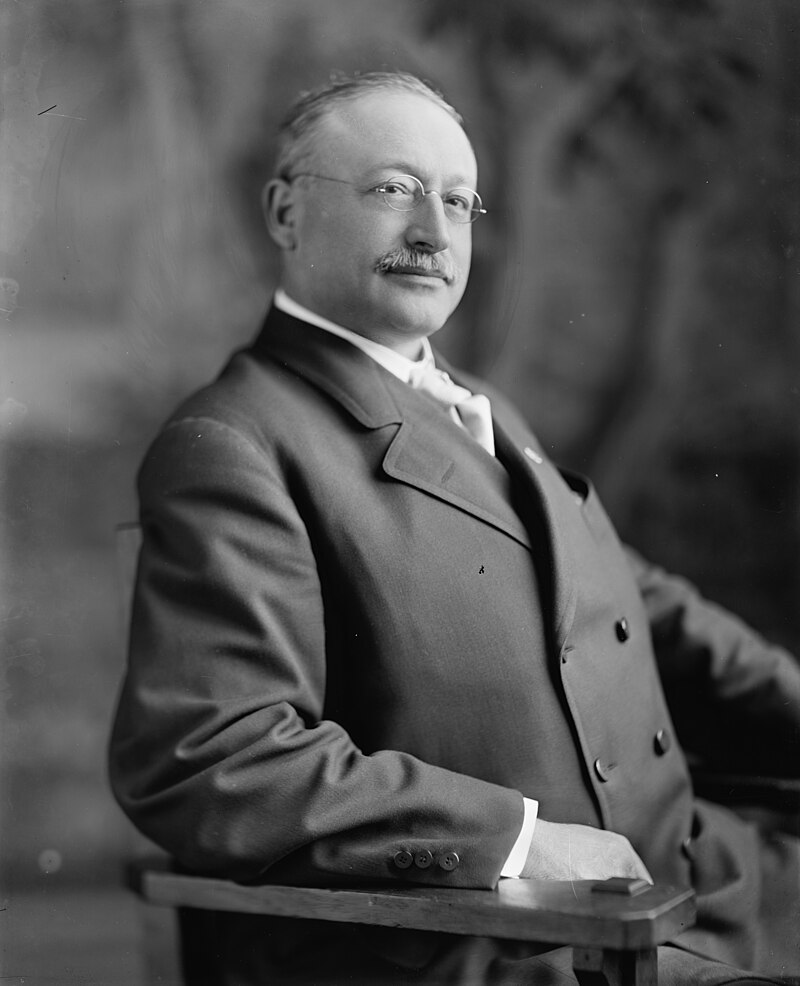
Victor Louis Berger (1860–1929) was a pivotal figure in American socialism, known for founding the Socialist Party of America in 1901 and being the first Socialist elected to Congress. His pragmatic approach to socialism emphasized reform over revolution. Berger’s legacy reflects debates between revolutionary and reformist socialism within American politics.
-
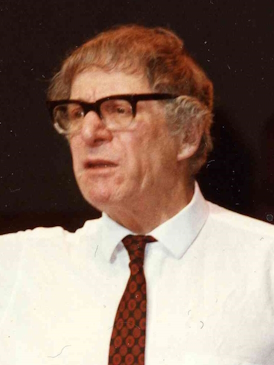
Ted Grant’s Selected Works, Vol. One presents his analyses of Stalinism and the Soviet Union’s class nature, emphasizing “proletarian Bonapartism.” Edited by Steve Iverson, this volume merges historical case studies with theoretical clarity, making it relevant for contemporary Marxist debates. However, it has limitations in empirical scope and cultural analysis.
-

John Bellamy Foster, born in 1953, is a prominent sociologist with a focus on Marxist theory and ecological sociology. He serves as a professor at the University of Oregon and editor of Monthly Review. His research explores monopoly capitalism, ecological crisis, and ecosocialism, earning him notable awards for his impactful scholarship.
-
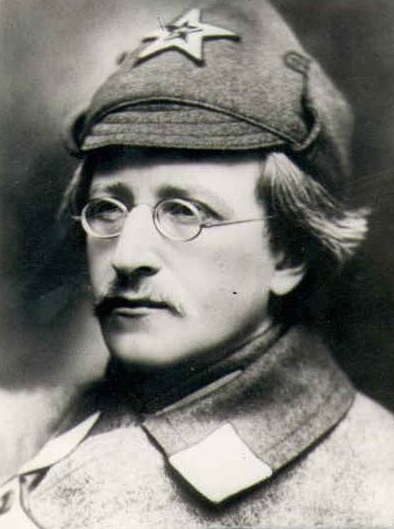
Vladimir Antonov-Ovseenko was a key figure in the early Soviet era, transitioning from soldier and Bolshevik organizer to diplomat and prosecutor. His roles included command in the Russian Civil War and serving as Consul General during the Spanish Civil War. He faced execution during Stalin’s purges but was posthumously rehabilitated.
-
Ted Grant’s “Russia: From Revolution to Counter-Revolution” provides a comprehensive analysis of the Soviet Revolution, Stalinism, and its aftermath. Through a Trotskyist lens, he critiques bureaucratic distortions while acknowledging the revolution’s social achievements. Despite its strengths in historical breadth and clarity, the book is limited by its focus on political over social dimensions and selective…
-
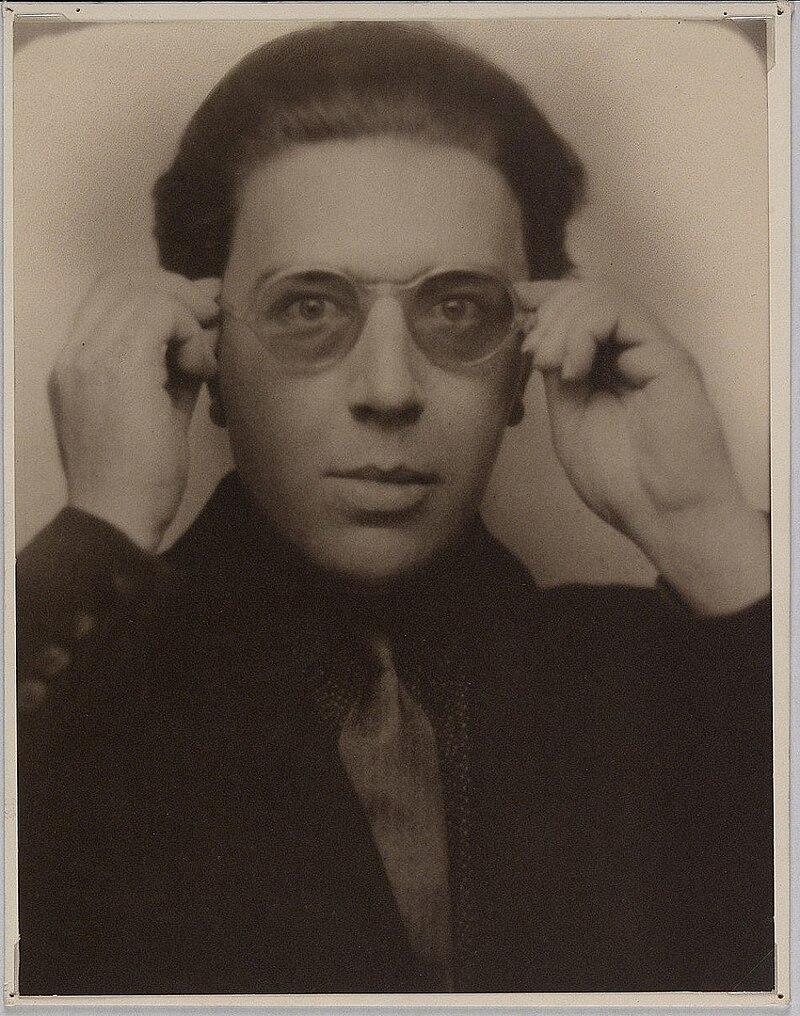
André Breton, born in 1896, was a key figure in Surrealism, blending literary and political pursuits. Initially influenced by Symbolist writers and psychiatry, Breton’s Dada involvement led to automatic writing, defining Surrealism in 1924. His complex relationship with Marxism aimed to connect art and revolution, impacting 20th-century cultural history significantly.
-
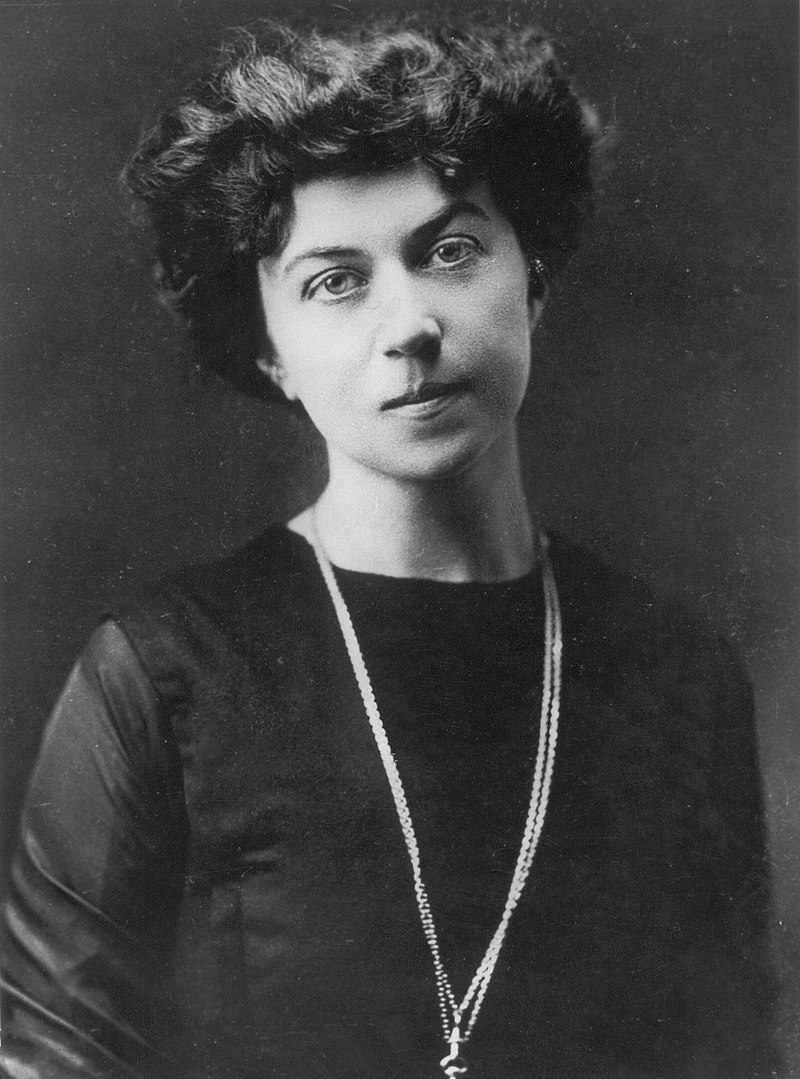
Alexandra Kollontai (1872–1952), a prominent socialist and the first female minister in history, challenged gender oppression under capitalism through Marxist ideology. A key figure in the Bolshevik Revolution, she advocated for women’s rights and social reforms, later criticizing bureaucratic centralization. Despite her marginalization, her feminist theories continue to influence contemporary thought.
-
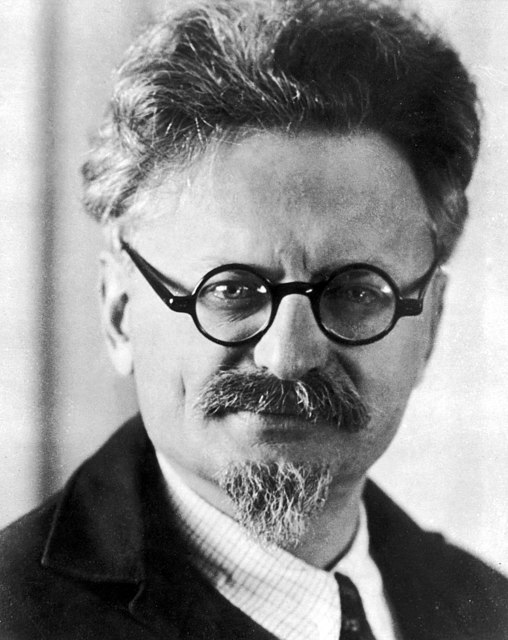
Leon Trotsky’s Marxism in Our Time (1939) reasserts the relevance of Marxist theory amidst global crises. Trotsky defends Marxism against claims of obsolescence, arguing it remains vital for understanding capitalist contradictions and fighting bureaucracy. His analysis underscores the necessity of revolutionary action and internationalism, making it crucial for contemporary struggles against oppression.
 Letters from Tomis