Marxism
-
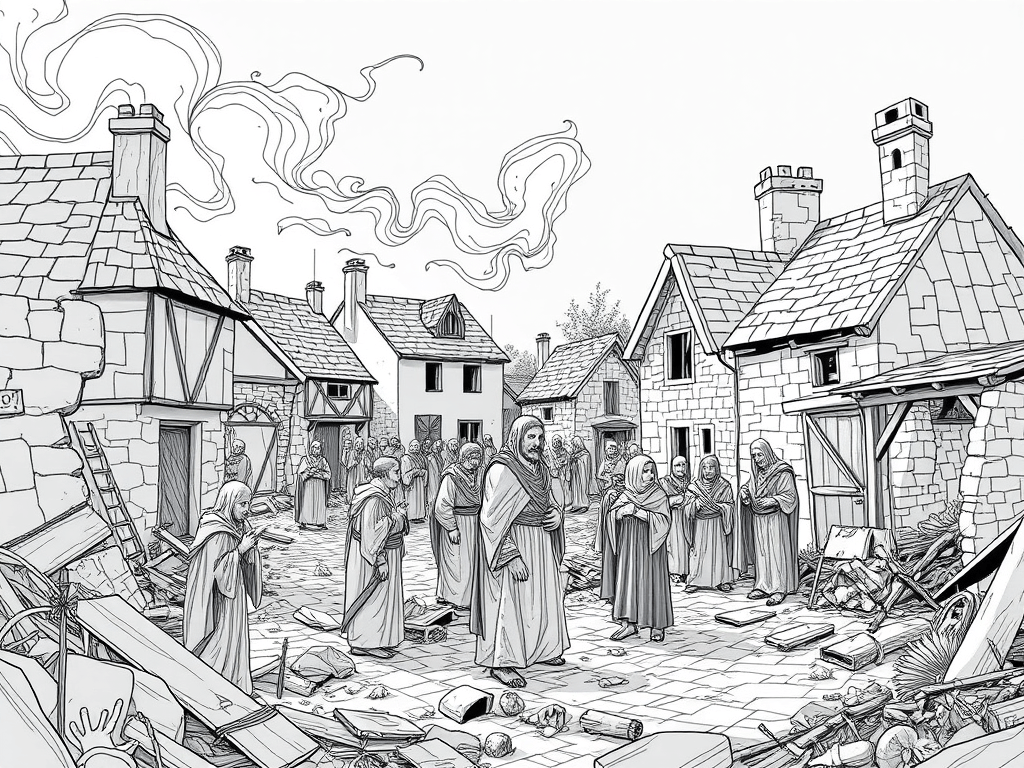
The Black Death of the 14th century exposed the weaknesses of feudal society, acting as a catalyst for its decline rather than a mere natural disaster. The plague caused significant labor shortages, prompting peasants to demand better conditions. This upheaval ultimately laid the groundwork for the emergence of capitalism, marking a pivotal historical transition.
-
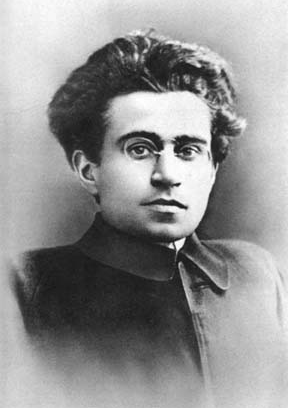
Antonio Gramsci (1891–1937) was an Italian Marxist philosopher known for his concept of cultural hegemony, significantly impacting political and cultural theory. Despite a challenging early life, he became a leading figure in the Italian Communist Party. His imprisonment led to influential writings, like the Prison Notebooks, shaping modern thought on power and resistance.
-

The peasantry’s struggle against feudal landlords was marked by toil, sacrifice, and a yearning for dignity, hindered by economic inertia, ideological conditioning, and fragmentation. Their isolation and dependence made sustained rebellion difficult, while shifting societal forces diminished their relevance, yet their legacy paved the way for future revolutions and continues to resonate with resilience.
-
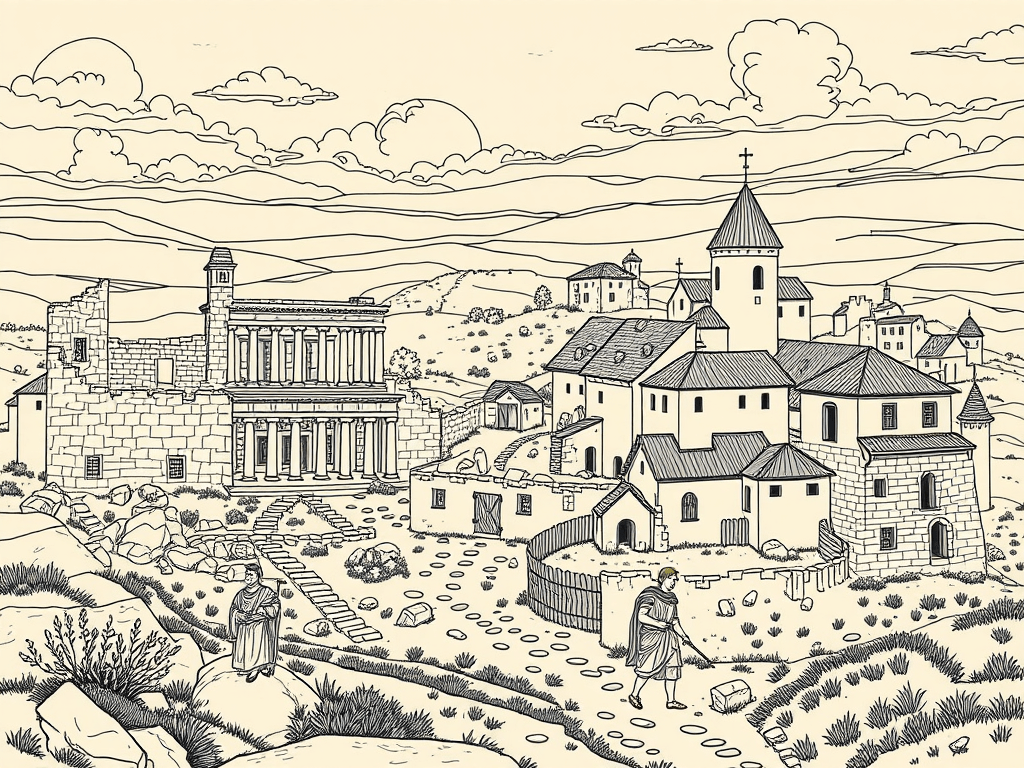
The “Dark Ages” is often viewed as a time of stagnation following the fall of Rome. However, this period involved significant transformations driven by economic and social restructuring, transitioning from slavery to feudalism. The Catholic Church played a key role in unifying fragmented Europe, highlighting the era’s complexity rather than mere darkness.
-

Louis Pierre Althusser, born in Algeria in 1918, was a prominent Marxist philosopher who reinterpreted Marxism through structuralism. His concepts of Ideological State Apparatuses and overdetermination reshaped Marxist thought amid Cold War disillusionment. Despite personal struggles and a controversial legacy, his theories continue to influence critical and cultural studies today.
-

The evolution of human civilization, intertwined with the institution of slavery, reflects a complex relationship between progress and exploitation. While slave societies contributed significantly to economic and cultural achievements, they did so at a severe human cost. Recognizing this paradox compels a moral obligation to strive for a future devoid of exploitation.
-

Palmiro Togliatti, born in 1893 in Italy, co-founded the Italian Communist Party in 1921 and became its leader while in exile after Mussolini’s rise. Returning in 1944, he influenced post-war Italy and promoted a democratic socialism approach. He passed away in 1964, leaving a significant political legacy in Europe.
-
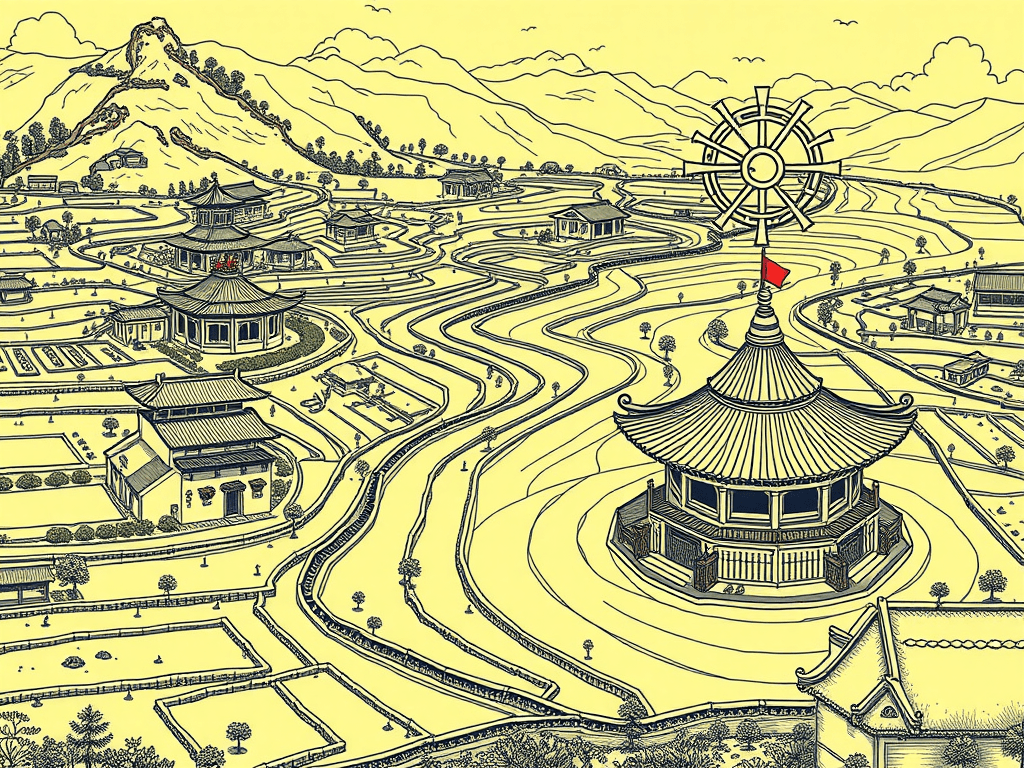
I reflect on Karl Marx’s concept of the Asiatic mode of production (AMP) after reading What is Marxism. Unlike feudal and capitalist systems, the AMP features centralized state control and lacks dynamic class struggles, rendering it a marginal idea in Marx’s work. The critique of contemporary authoritarianism, however, reinvigorates its relevance today.
-
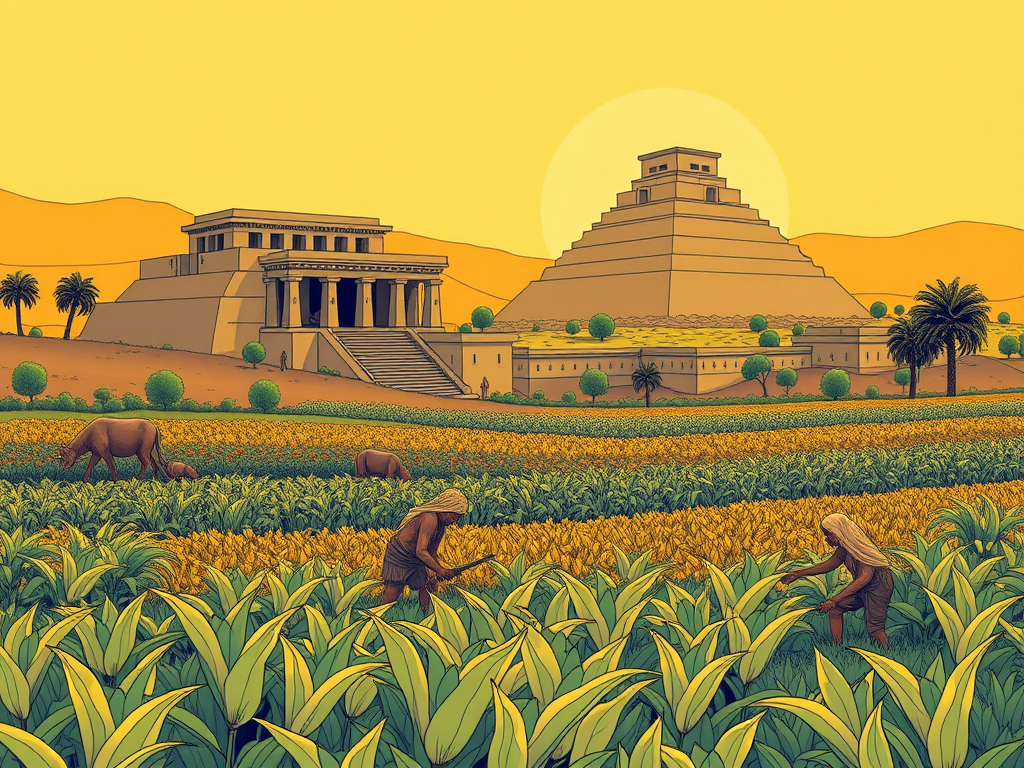
The Neolithic Revolution signifies a pivotal shift from hunter-gatherer societies to agriculture, reshaping human relations. Historical materialism emphasizes that this transformation created surplus production, leading to class divisions and exploitation. The ensuing economic base established power hierarchies and reinforced gender inequalities, illustrating that history is driven by material conditions rather than ideals.
-
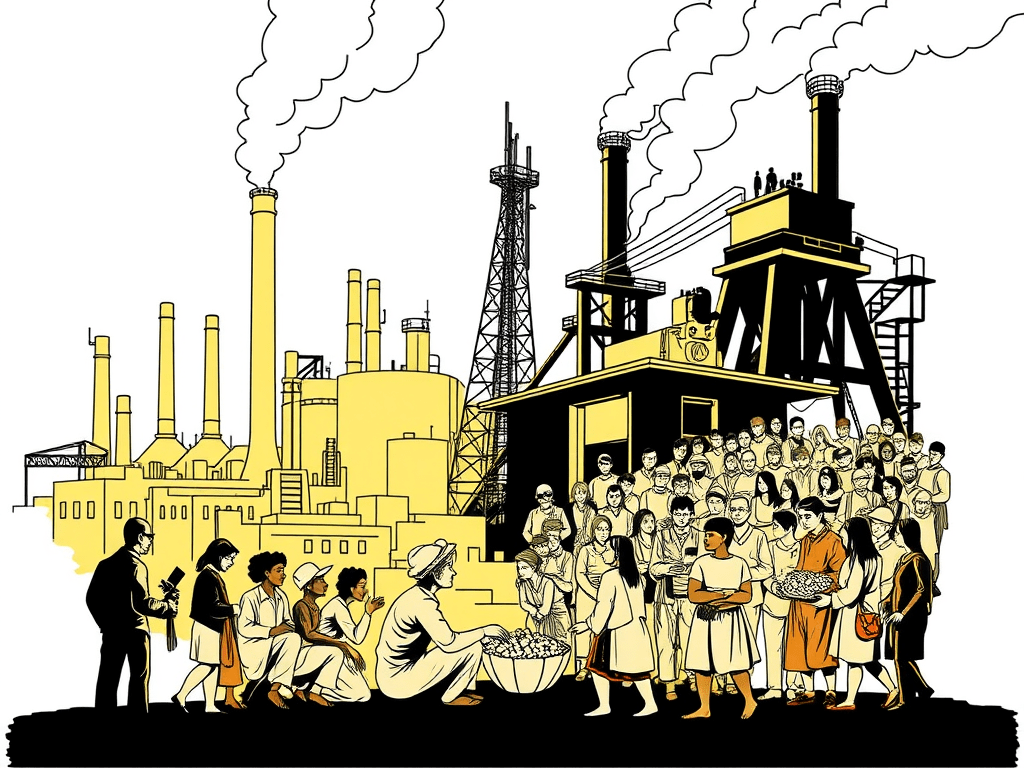
The debate about human selfishness is framed through a Marxist perspective, which argues that selfishness is a product of capitalism rather than inherent human nature. Historical materialism suggests that socio-economic conditions shape behavior, with cooperation prevalent in pre-capitalist societies. Socialism presents an opportunity to foster solidarity and reject selfishness, challenging the notion that it is…
 Letters from Tomis