Marxism
-
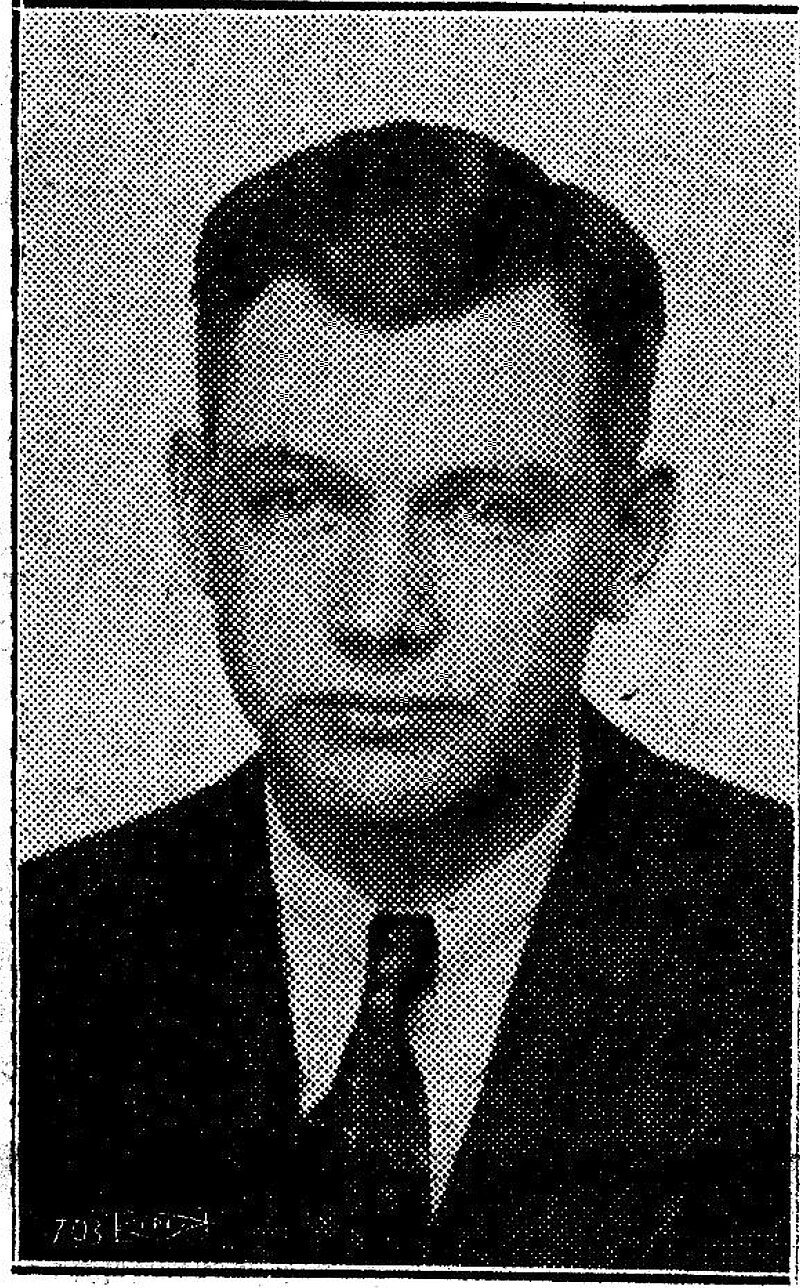
George Novack (1905–1992) was a significant American Marxist theorist who contributed to classical Marxism in an American context. His work, marked by clarity and dialectical method, connected Marxist theory to U.S. history and struggles. Novack’s legacy endures through his accessible writings and the synthesis of historical and political analysis within revolutionary movements.
-

In A Spectre, Haunting, China Miéville critically engages with The Communist Manifesto, viewing it as a vital text for contemporary radical thought. He employs rhetorical analysis and historical context, arguing for its relevance today. However, his work has limitations, such as superficial treatment of certain issues and a lack of clear post-capitalist proposals.
-
Gerald Allan Cohen (1941–2009) was a key political philosopher, known for reconciling Marxism with analytic philosophy. His works addressed historical materialism, justice, and egalitarianism, challenging libertarian and liberal theories. Cohen’s legacy influences contemporary debates on socialist justice, sustainability of inequality, and moral philosophy, emphasizing ethical commitment to equality.
-
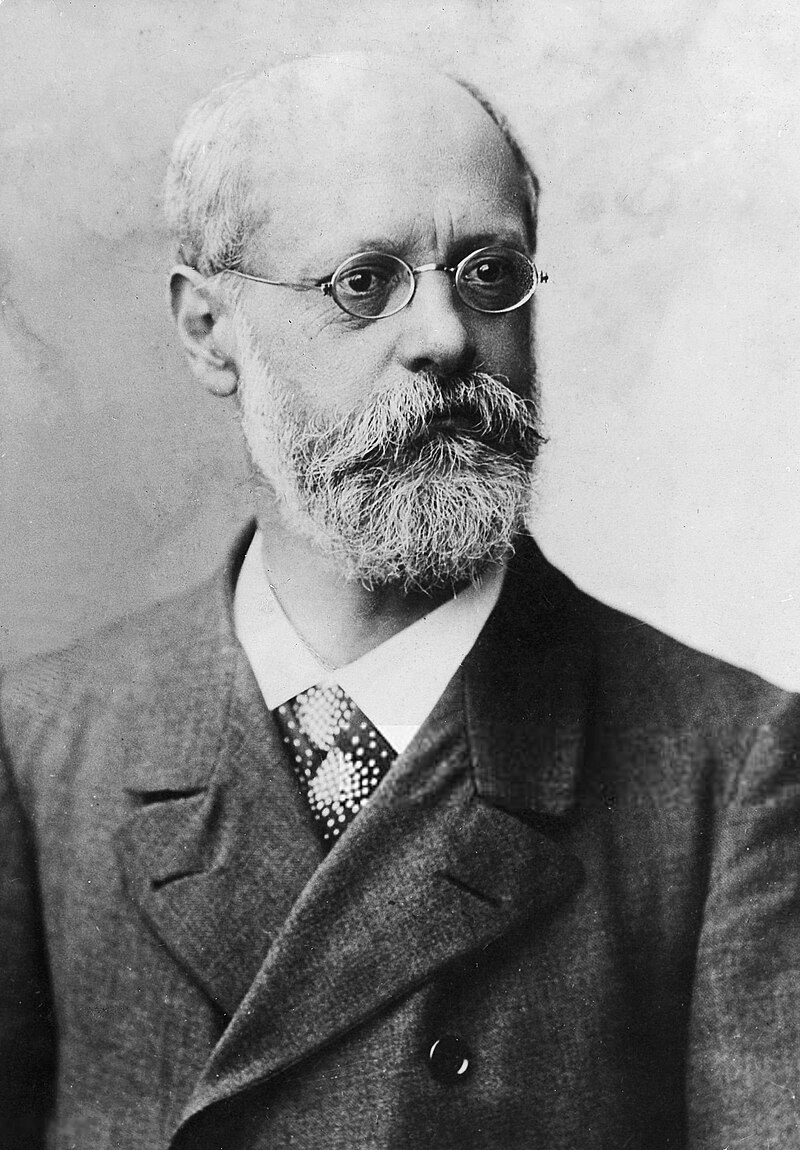
Karl Kautsky (1854–1938) was a pivotal figure in Second International Marxism, shaping orthodox Marxism during a transformative era. He engaged in debates about revolution and reform, criticized Bolshevik methods post-1917, and advocated for democratic socialism. His legacy reflects both the strengths and limitations of Marxist theory amid evolving socialist movements.
-
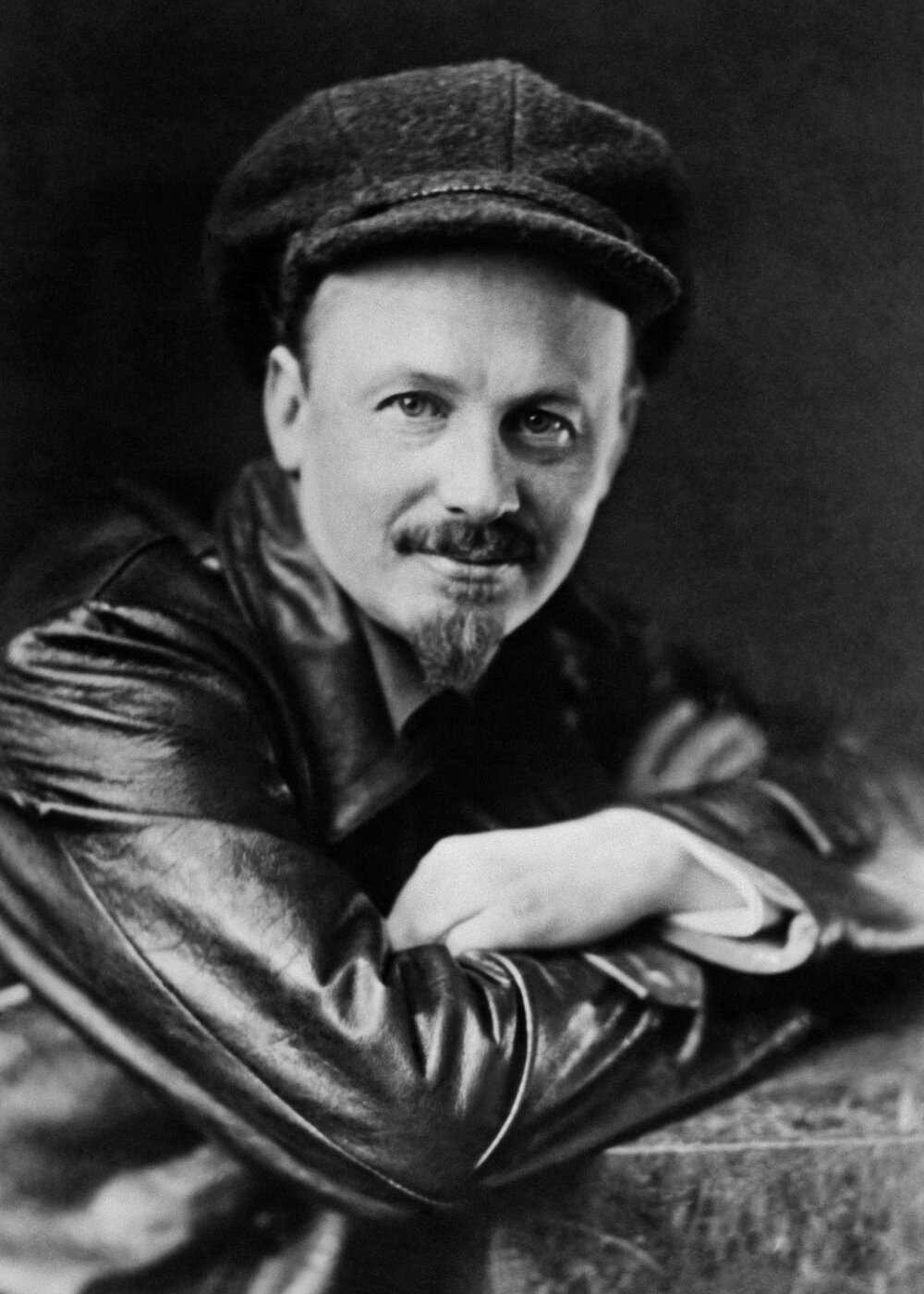
Stephen F. Cohen’s Bukharin and the Bolshevik Revolution offers a nuanced portrait of Nikolai Bukharin, portraying him as a significant Bolshevik strategist rather than merely a foil to Stalin. The book examines Bukharin’s theories and policy proposals amidst Soviet internal struggles, highlighting critiques of the NEP and the importance of peasant alliances, while acknowledging its…
-
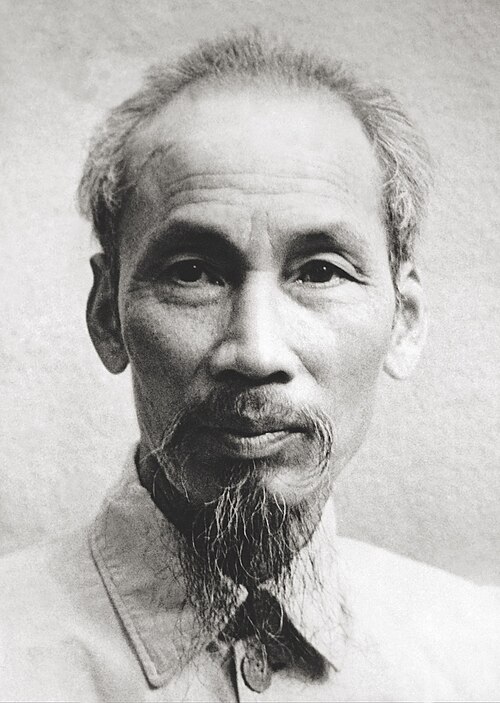
Ho Chi Minh, born Nguyễn Sinh Cung in 1890, was a Vietnamese revolutionary leader who combined nationalism with Marxism-Leninism. He led resistance against colonialism, proclaimed Vietnam’s independence in 1945, and became a pivotal figure in the Indochina and Vietnam Wars. His legacy is complex, blending achievements with significant internal repression.
-

Alan Woods’s The History of Philosophy: A Marxist Perspective offers a compelling synthesis of two millennia of philosophy, arguing it evolves through contradictions shaped by societal development. It effectively connects historical thinkers to Marxist principles, serving as both an educational tool and a critique of intellectual traditions, essential for anyone studying philosophy critically.
-
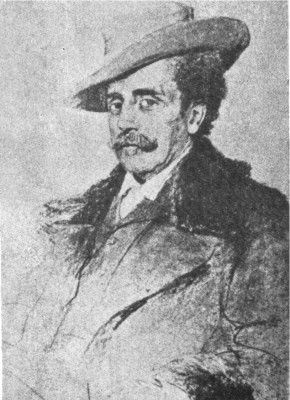
Antonio Labriola emerged as a pivotal figure in Italian Marxism, advocating for historical materialism as a critical method rather than a doctrine. His intellectual independence influenced both Benedetto Croce and Antonio Gramsci, emphasizing praxis and collective human activity. Labriola’s works reshaped socialism, linking theory with political education amid Italy’s socio-political turmoil.
-

Rob Sewell’s “Germany: From Revolution to Counter-Revolution” offers a concise, politically engaged retelling of the German revolutionary period, emphasizing leadership and mass agency. While it lacks original archival research and simplifies complex narratives, it effectively serves as an accessible pedagogical tool for revolutionary students and activists, stimulating critical reflection on historical events.
-
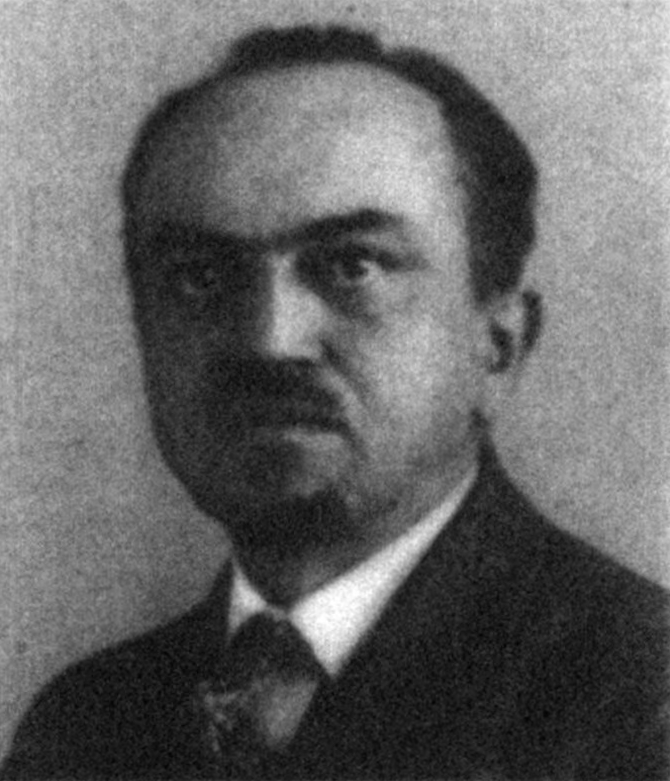
Paul Frölich, born in 1884, was a German Marxist journalist and theorist whose political journey reflects the revolutionary left’s challenges in the 20th century. A member of the Social Democratic Party and later the Communist Party, he critically analyzed class struggles, bureaucracy, and revolutionary democracy, leaving a significant scholarly legacy, especially with his biography of…
 Letters from Tomis