Literature
-
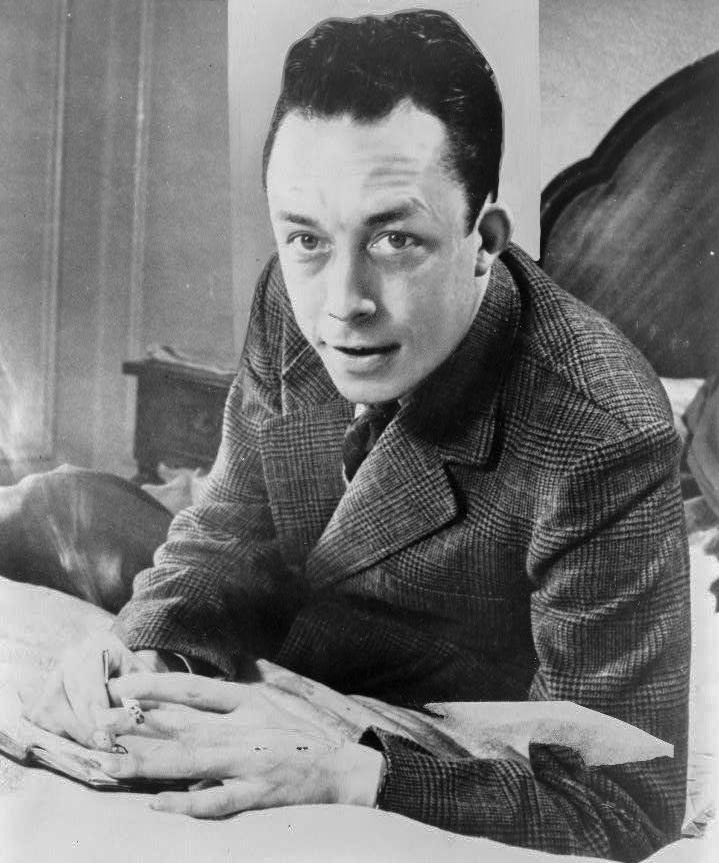
Albert Camus was born in Algeria in 1913 and faced poverty after his father’s death in WWI. He excelled in academics and became involved in politics and theater in the 1930s. Key works like “The Stranger” and “The Myth of Sisyphus” reflect his absurdist philosophy. A Nobel laureate, he remains influential for his ethical stance…
-

“Notes from an Island” by Tove Jansson and Tuulikki Pietilä is a minimalist blend of prose and illustrations capturing their life on Klovharun, Finland. The work reflects on solitude, artistry, and nature while maintaining emotional reserve. Its fragmentary style may challenge readers expecting narrative depth, particularly regarding intimacy and broader contexts.
-
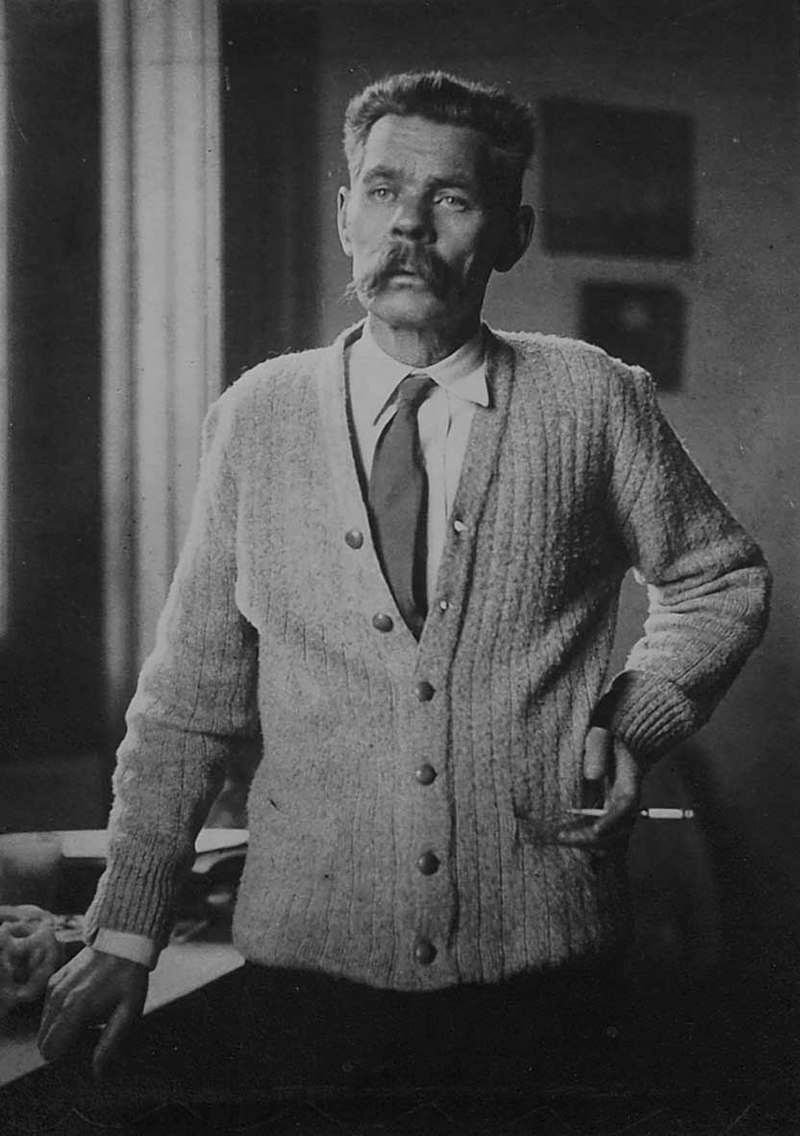
Maxim Gorky (1868–1936) was a pivotal Russian writer whose experiences of poverty shaped his literary themes focused on the working class. A supporter of the Bolshevik Revolution, he later criticized its authoritarianism, leading to self-imposed exile. His legacy endures through his works that explore revolutionary ideals and individual freedoms.
-

Samantha Harvey’s The Western Wind is a historical fiction novel set in 1491, unfolding in reverse over four days. It explores themes of memory, confession, and truth through the unreliable narration of parish priest John Reve. While praised for its lyricism and structure, some criticize its historical inaccuracies.
-

Publius Papinius Statius’s Achilleid, an unfinished first-century Latin epic, offers a unique portrayal of Achilles that blends humor, irony, and themes of gender fluidity. Through vivid episodes of his youth and complex maternal dynamics, the work challenges traditional heroism. Despite its incomplete status, it presents rich insights into identity and societal expectations.
-

Gilles Deleuze was a notable French philosopher (1925–1995) renowned for his work in philosophy, literary criticism, and film theory. His significant contributions included reinterpretations of historical thinkers and collaboration with Félix Guattari on texts about capitalism and schizophrenia. Deleuze’s ideas on difference and multiplicity reshaped post-structuralist philosophy.
-

Paul O’Flynn’s Them and Us in Literature examines how literature navigates identity, power, and otherness, utilizing diverse texts. Its interdisciplinary approach combines historical, sociological, and philosophical insights. O’Flynn critiques portrayals of “the other” while encouraging critical engagement, making it a vital resource for understanding literature’s impact on societal perceptions of inclusion and exclusion.
-

The concept of the “Body Without Organs” (BwO), developed by Deleuze and Guattari, challenges traditional psychoanalysis and metaphysical thought. It represents a body stripped of structured organization, embodying unregulated potential. The BwO visualizes desire as a creative force, advocating freedom from imposed roles, encouraging new connections and identities beyond rigid frameworks.
-

Bertolt Brecht, born in 1898, became a leading playwright known for his epic theatre and political critique. His major works include The Threepenny Opera and Mother Courage. After fleeing Nazi Germany, he founded the Berliner Ensemble in East Germany. Brecht’s innovative techniques profoundly impacted modern theatre and continue to influence artists today.
-
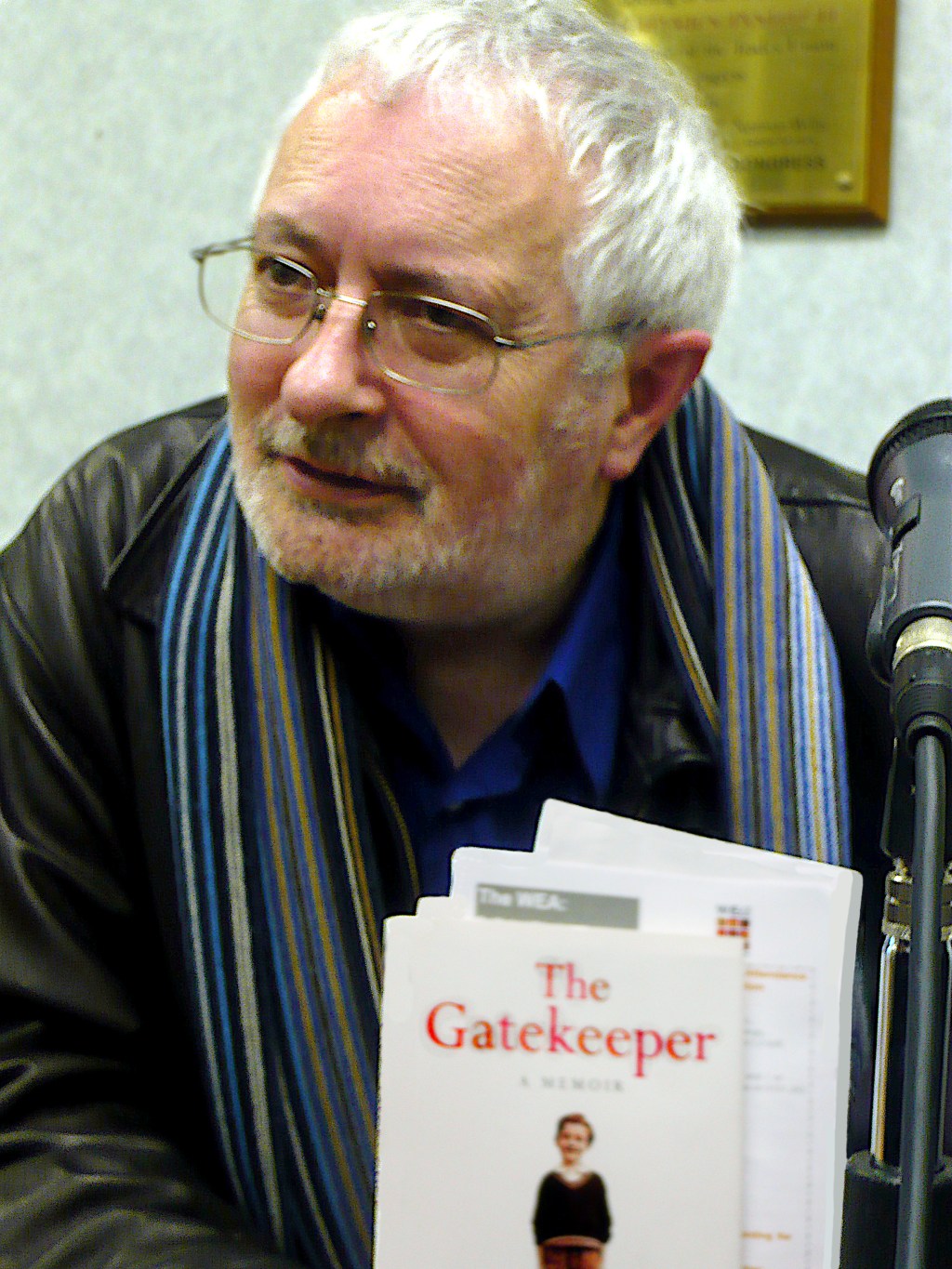
Terry Eagleton, born in 1943, is a leading British literary theorist recognized for his Marxist interpretations of literature. His academic career spans prestigious institutions, with works that blend accessibility and wit. Defending Marxist critique against postmodernism, Eagleton examines ideology and culture through extensive publications, remaining a vital contemporary intellectual figure.
 Letters from Tomis