Literature
-

Ben Shattuck’s The History of Sound: Stories is a collection of twelve interconnected tales set in New England, exploring themes of memory, loss, and identity across three centuries. Utilizing a unique couplet structure, the narratives intertwine personal and historical artifacts, creating a layered exploration of how the past shapes present realities.
-

Aristotle’s Poetics is a cornerstone of literary theory exploring tragedy and aesthetics, yet it reflects the ideological biases of ancient Athenian society. From a Marxist view, it reinforces class hierarchies and serves conservative functions in art, necessitating historical materialist reinterpretation to understand underlying socio-economic conditions influencing artistic production.
-
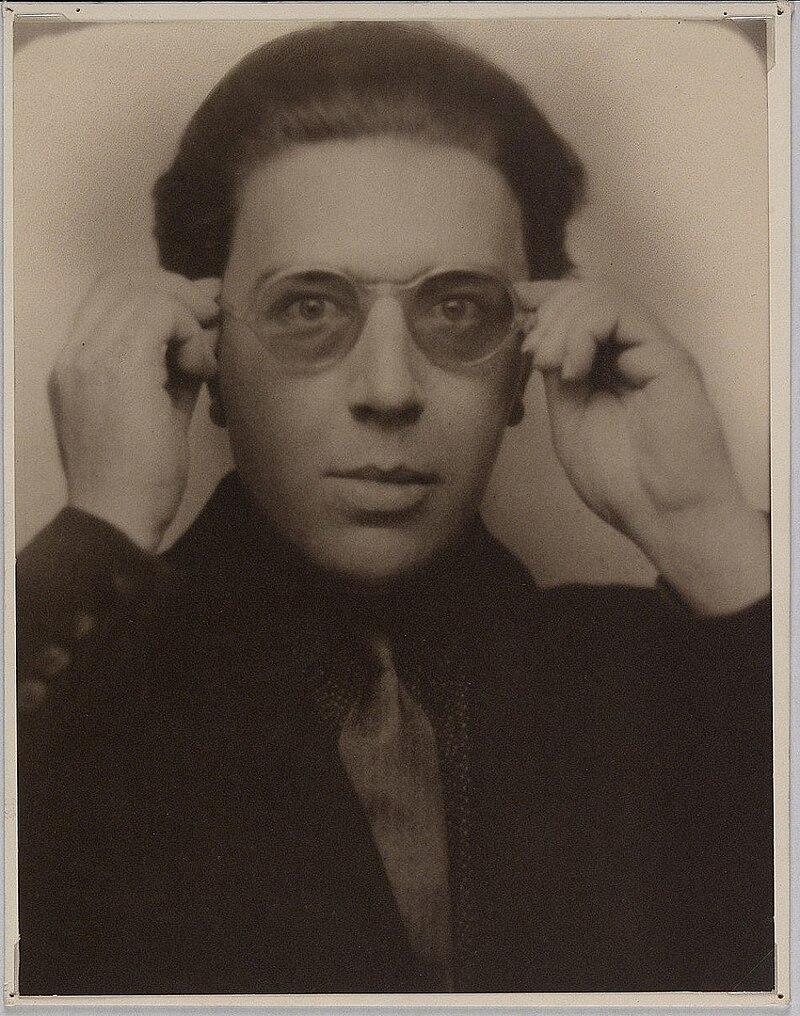
André Breton’s Nadja, a key Surrealist work, intertwines memoir and novel, exploring themes of alienation, desire, and bourgeois rationalism through the character of Nadja. Mark Polizzotti’s translation preserves the text’s complexity, highlighting its paradoxes. The narrative critiques capitalist culture while exposing gendered contradictions in artistic liberation, making it vital for Marxist discourse.
-
André Breton, born in 1896, was a key figure in Surrealism, blending literary and political pursuits. Initially influenced by Symbolist writers and psychiatry, Breton’s Dada involvement led to automatic writing, defining Surrealism in 1924. His complex relationship with Marxism aimed to connect art and revolution, impacting 20th-century cultural history significantly.
-

Samuel Beckett’s “Waiting for Godot,” published by Grove Press in 1954, exemplifies the “Theatre of the Absurd.” Its minimalist structure and circular dialogue challenge conventional interpretations, reflecting existential and political themes. The edition highlights Beckett’s linguistic precision and openness, rewarding deep study, yet its ambiguity can frustrate those seeking clearer meanings.
-

The Torrents of Spring by Turgenev explores themes of belatedness and self-betrayal through middle-aged Dmitry Sanin, who reflects on his ill-fated love life. The novella examines moral collapse under erotic influence, while addressing class and national identities, culminating in a poignant study of memory and the complexities of adult obligation.
-

Upton Sinclair (1878–1968) was a prominent American novelist and social activist known for his work, particularly The Jungle, which exposed industrial capitalism’s social injustices. His literary career, marked by nearly 100 books, demonstrated his commitment to socialism and social reform, profoundly influencing American public opinion on labor and class issues during the early 20th century.
-

Émile Zola’s Money explores finance capitalism and moral decay during the Second Empire through the character Aristide Saccard. While offering insights into 19th-century capitalism and financial mechanisms, the novel suffers from narrative redundancy and lack of psychological depth. It serves as a significant study of Zola’s naturalism but lacks enduring aesthetic power.
-

Dee Brown’s landmark work, Bury My Heart at Wounded Knee, details the dispossession and destruction of Native American nations during 19th-century U.S. expansion. Through Indigenous perspectives, it challenges traditional narratives of American history. Despite its limitations in addressing complex tribal dynamics, the book remains essential for understanding Indigenous resistance and U.S. colonial violence.
-
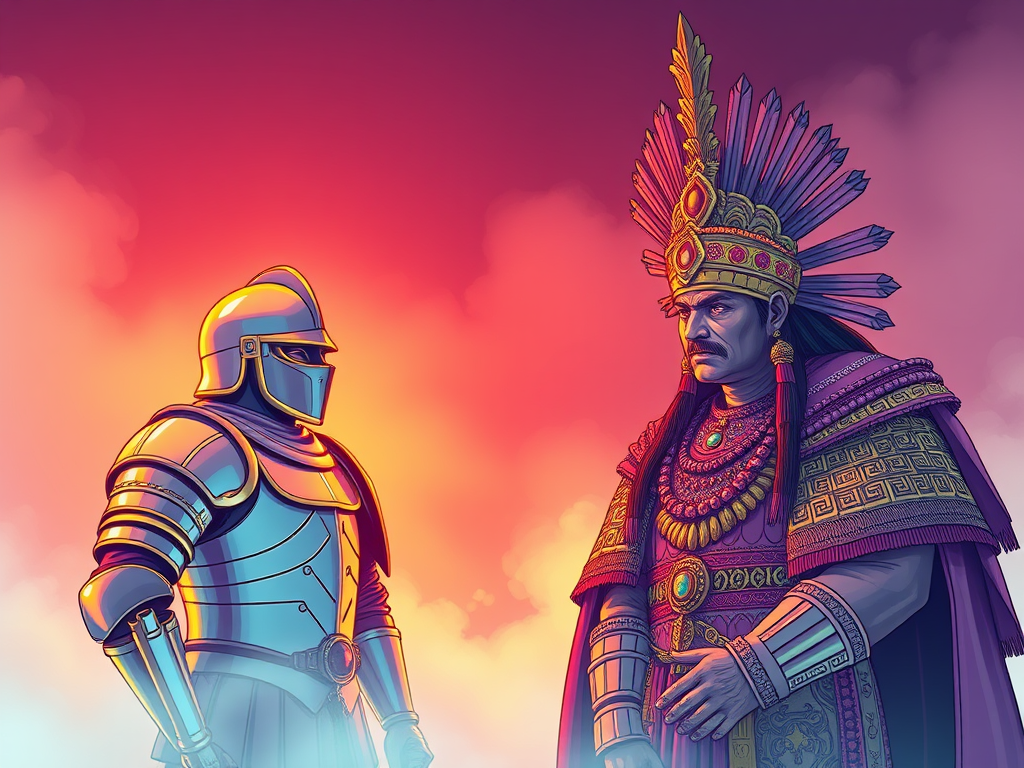
Book Review Enrigue, Álvaro. You Dream of Empires. Translated by Natasha Wimmer, Riverhead Books, 2024. Álvaro Enrigue’s You Dream of Empires ambitiously sets out to reconstruct the final days of the Aztec empire through a postmodern lens, merging surrealist humor with historical fiction. Yet for all its stylistic flair and intellectual posturing, the novel ultimately…
 Letters from Tomis