History
-
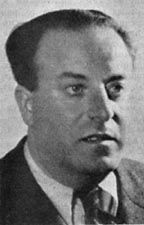
Ignace Reiss, born Nathan Poretsky in 1899, was a Bolshevik revolutionary and Soviet intelligence operative disillusioned by Stalin’s regime. Defecting in 1937, he denounced Stalinism as a betrayal of revolutionary ideals. His assassination shortly after exemplified the regime’s brutality against dissenters and marked him as a martyr for anti-Stalinists.
-
Felix Morrow’s “Revolution and Counter-Revolution in Spain” provides a critical Marxist analysis of the Spanish Civil War, arguing that the Spanish proletariat had potential power which was undermined by reformist leadership. Morrow’s work highlights the dangers of class collaboration and emphasizes the need for revolutionary mobilization to confront authoritarianism and capitalist democracy.
-
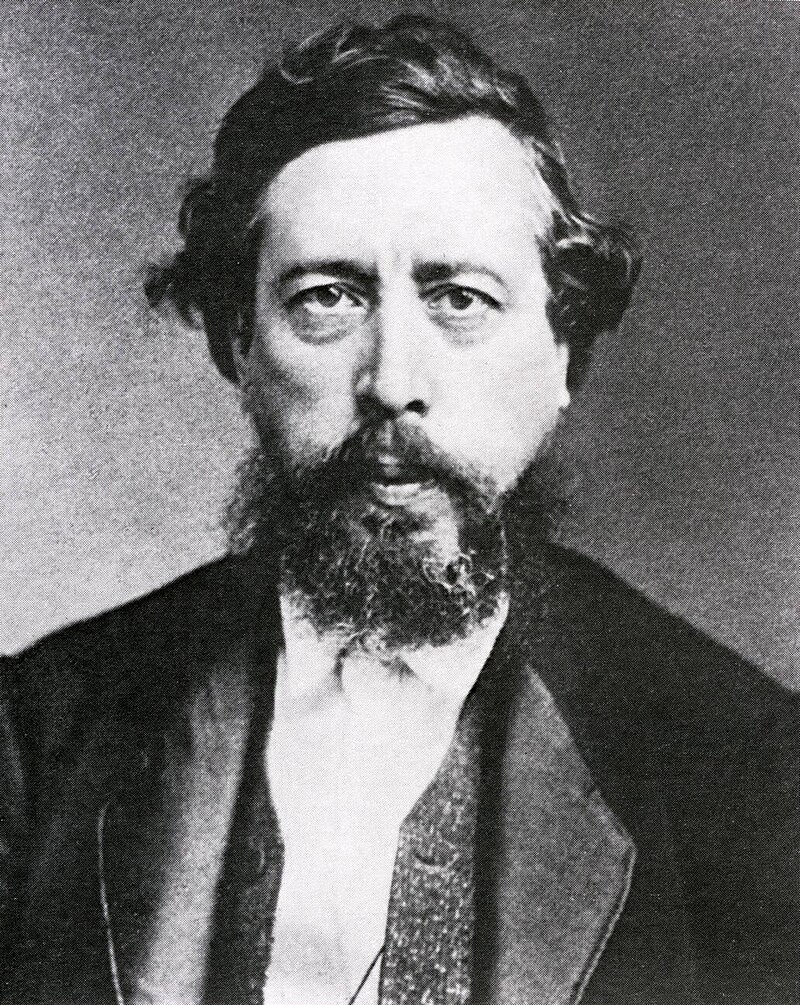
Wilhelm Liebknecht, born in 1826, faced early tragedies but pursued education and radical democratic thought. He became a key figure in the German labor movement and co-founded the Social Democratic Workers’ Party. He navigated political repression, advocating Marxist principles while opposing revisionism. Liebknecht’s legacy is pivotal in German social democracy.
-
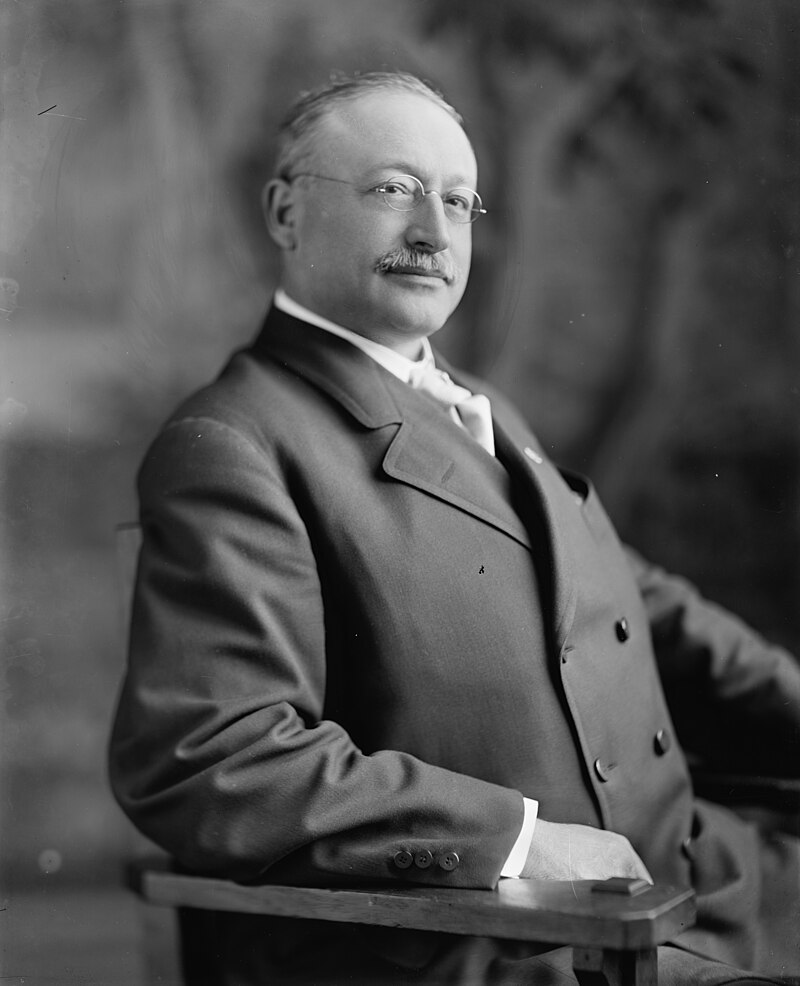
Victor Louis Berger (1860–1929) was a pivotal figure in American socialism, known for founding the Socialist Party of America in 1901 and being the first Socialist elected to Congress. His pragmatic approach to socialism emphasized reform over revolution. Berger’s legacy reflects debates between revolutionary and reformist socialism within American politics.
-
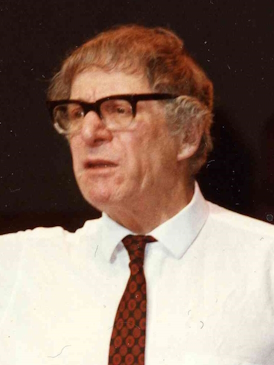
Ted Grant’s Selected Works, Vol. One presents his analyses of Stalinism and the Soviet Union’s class nature, emphasizing “proletarian Bonapartism.” Edited by Steve Iverson, this volume merges historical case studies with theoretical clarity, making it relevant for contemporary Marxist debates. However, it has limitations in empirical scope and cultural analysis.
-

Ben Shattuck’s The History of Sound: Stories is a collection of twelve interconnected tales set in New England, exploring themes of memory, loss, and identity across three centuries. Utilizing a unique couplet structure, the narratives intertwine personal and historical artifacts, creating a layered exploration of how the past shapes present realities.
-
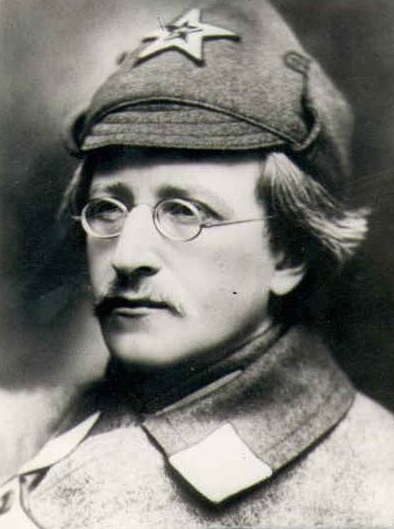
Vladimir Antonov-Ovseenko was a key figure in the early Soviet era, transitioning from soldier and Bolshevik organizer to diplomat and prosecutor. His roles included command in the Russian Civil War and serving as Consul General during the Spanish Civil War. He faced execution during Stalin’s purges but was posthumously rehabilitated.
-
Ted Grant’s “Russia: From Revolution to Counter-Revolution” provides a comprehensive analysis of the Soviet Revolution, Stalinism, and its aftermath. Through a Trotskyist lens, he critiques bureaucratic distortions while acknowledging the revolution’s social achievements. Despite its strengths in historical breadth and clarity, the book is limited by its focus on political over social dimensions and selective…
-
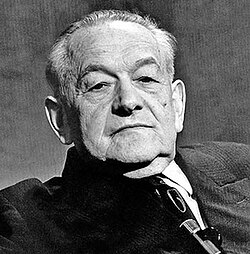
Leopold Trepper (1904–1982) was a key figure in 20th-century espionage and Soviet intelligence. As the leader of the “Red Orchestra,” he established a significant anti-Nazi network. After being captured by the Gestapo, he escaped and later faced suspicion in the USSR. His memoir, “The Great Game,” encapsulates his legacy.
-
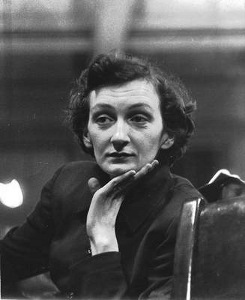
Anne McCarty Braden (1924–2006) evolved from a segregationist upbringing to become a prominent white ally in the civil rights movement. Her activism, sparked by the Turner case, emphasized the structural nature of racism and the necessity of anti-capitalist transformation, creating a lasting legacy of interracial solidarity and dissent against oppression.
 Letters from Tomis