Book Reviews
-
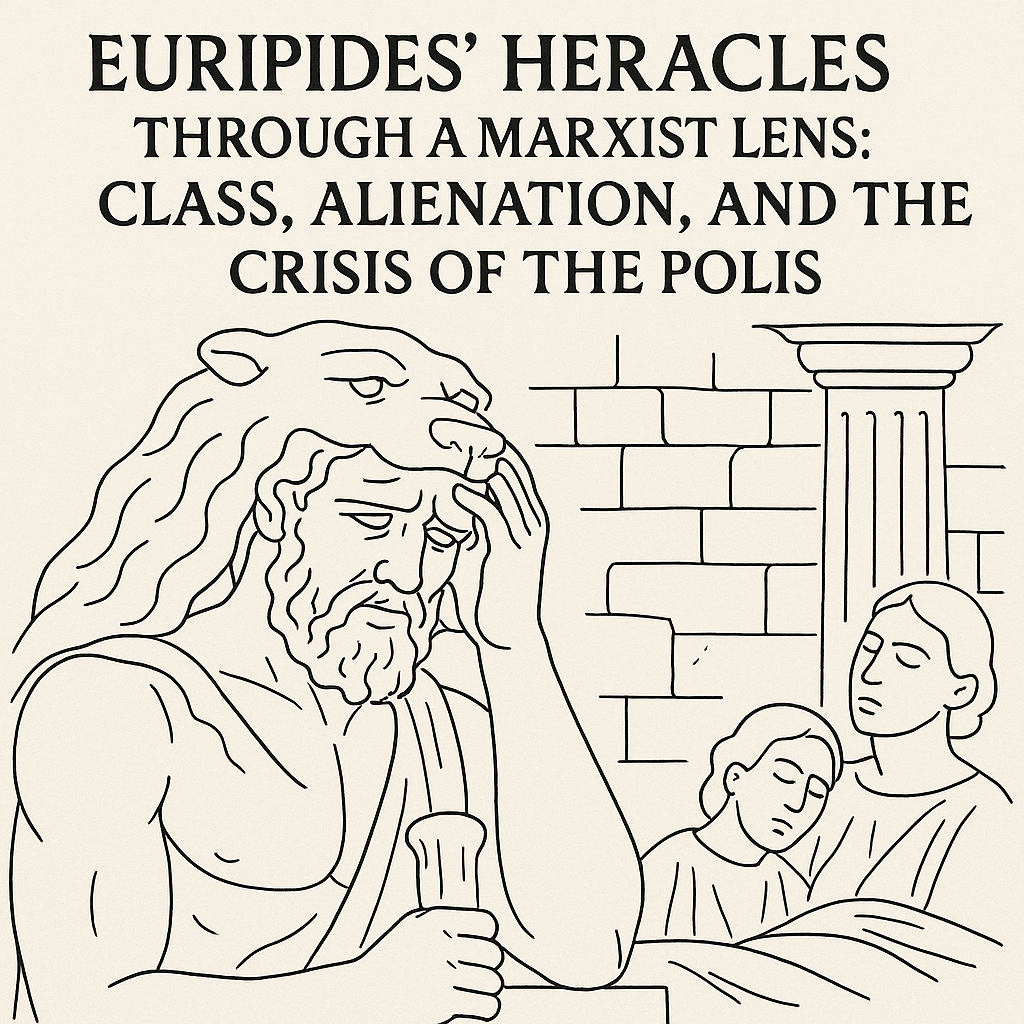
Euripides’ Heracles reveals the decay of a society sustained by conquest and patriarchy. Through a Marxist lens, the hero’s madness becomes the mirror of class alienation—his strength exploited, his humanity destroyed. The tragedy exposes not divine will, but the self-destruction of a world built upon labor, domination, and ideological illusion.
-

Erich Fromm’s Escape from Freedom explores the psychological impact of capitalism on individual autonomy, aligning with Marxist critiques of alienation. Fromm’s analysis reveals how modern freedom often leads to submission under capital’s demands. He emphasizes the necessity for collective transformation to achieve true freedom, marking a significant intersection of psychoanalysis and revolutionary thought.
-
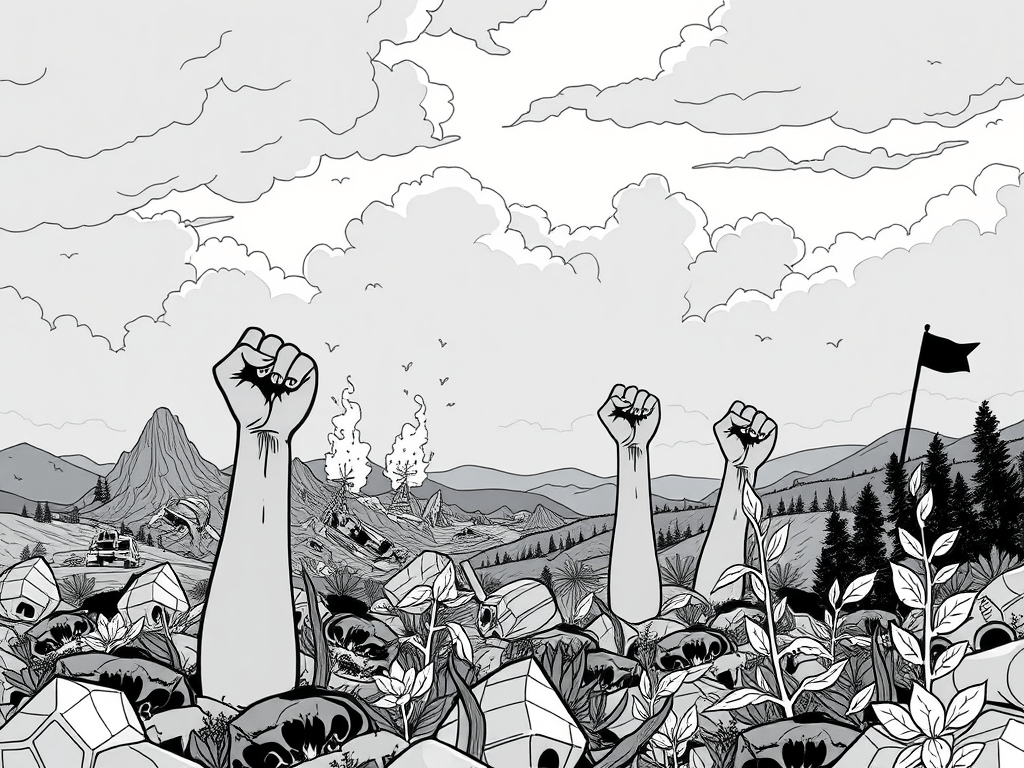
Wen Stephenson’s collection examines the intersection of ecological breakdown and revolutionary politics, rejecting optimism for a more robust “resolve.” The essays critique climate crises as outcomes of capitalism, emphasizing organization and solidarity. While addressing limits in organizational strategies and labor transitions, the work serves as a vital intervention in U.S. climate discourse.
-
In Women of Trachis, Sophocles exposes the intertwined oppressions of patriarchy and class. Deianeira’s doomed devotion, Herakles’ violent labors, and Iole’s enforced silence reveal a society sustained by domination. Through a Marxist lens, the tragedy becomes a mirror of alienated labor, gendered suffering, and the contradictions of a slaveholding order.
-
Erich Fromm’s The Art of Loving reframes love as an art requiring knowledge and practice rather than a mere emotion. It explores defining elements of love and critiques the commodification of relationships in capitalist societies. Despite its limitations regarding gender and contemporary forms of love, it remains a pivotal work linking personal and social transformation.
-

Sebastian Smee’s Paris in Ruins explores the cultural history of post-Franco-Prussian War Paris, highlighting the interplay of art, politics, and memory. While emphasizing aesthetic dimensions, it occasionally overlooks structural political factors and ordinary Parisians’ perspectives. The book illuminates how destruction informs cultural identity and collective memory, offering valuable insights for scholars and general readers alike.
-
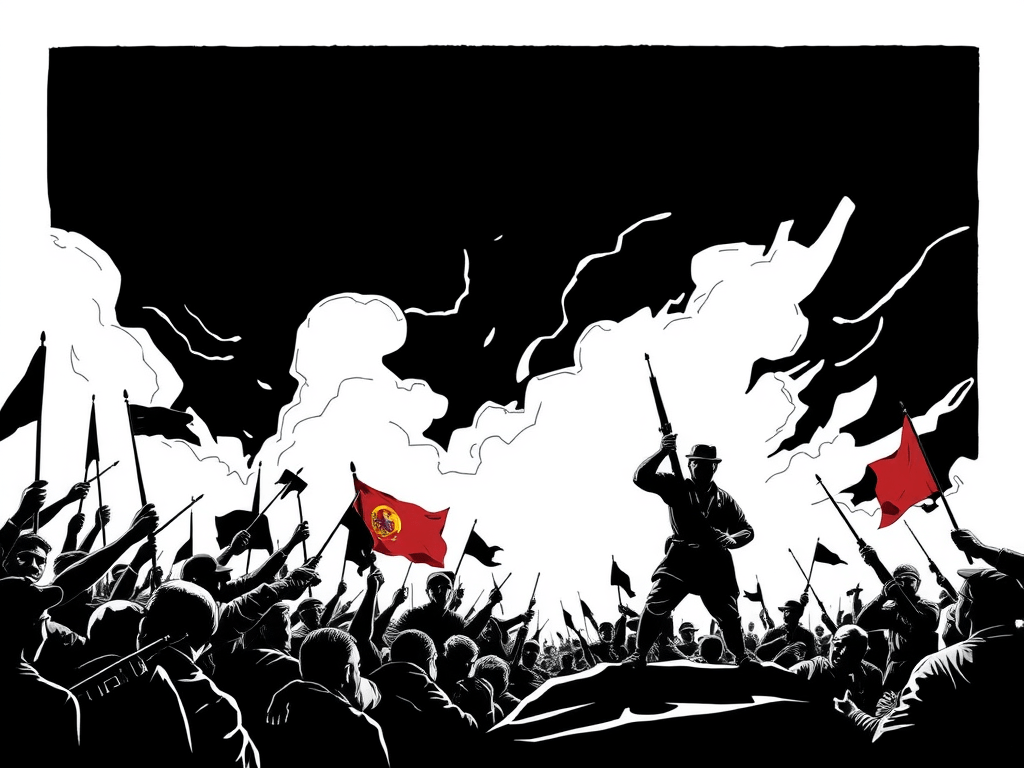
Felix Morrow’s “Revolution and Counter-Revolution in Spain” provides a critical Marxist analysis of the Spanish Civil War, arguing that the Spanish proletariat had potential power which was undermined by reformist leadership. Morrow’s work highlights the dangers of class collaboration and emphasizes the need for revolutionary mobilization to confront authoritarianism and capitalist democracy.
-

Bryan Magee’s The Philosophy of Schopenhauer is a comprehensive and clear study of Schopenhauer’s thought, emphasizing his influence on Western philosophy. Magee adeptly contextualizes Schopenhauer’s ideas while making complex concepts accessible. The work’s interdisciplinary relevance and critical engagement with Schopenhauer’s limitations make it an essential read for scholars and students alike.
-

Ted Grant’s Selected Works, Vol. One presents his analyses of Stalinism and the Soviet Union’s class nature, emphasizing “proletarian Bonapartism.” Edited by Steve Iverson, this volume merges historical case studies with theoretical clarity, making it relevant for contemporary Marxist debates. However, it has limitations in empirical scope and cultural analysis.
-

Ben Shattuck’s The History of Sound: Stories is a collection of twelve interconnected tales set in New England, exploring themes of memory, loss, and identity across three centuries. Utilizing a unique couplet structure, the narratives intertwine personal and historical artifacts, creating a layered exploration of how the past shapes present realities.
 Letters from Tomis