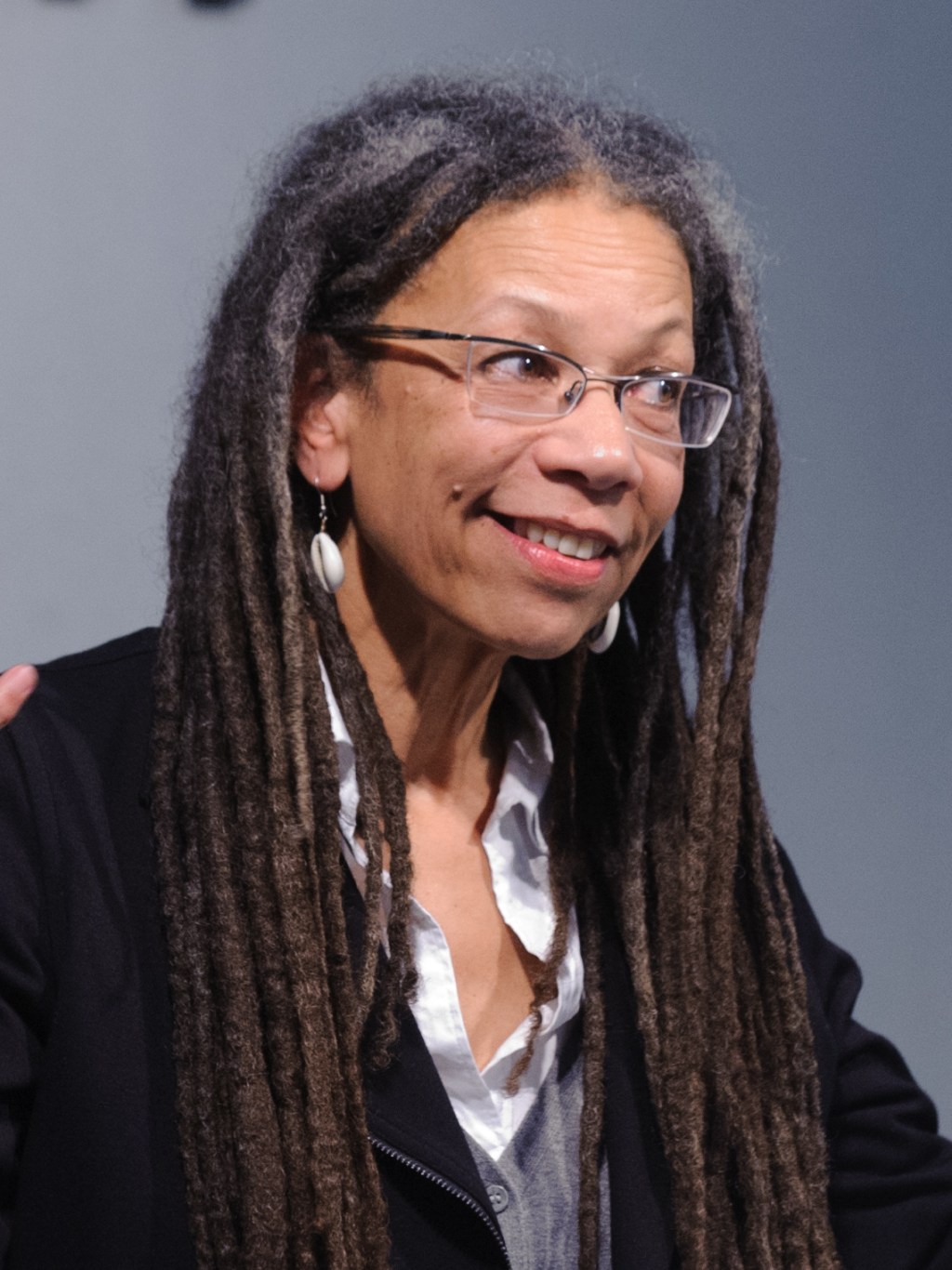
My Socialist Hall of Fame
During this chaotic era of vile rhetoric and manipulative tactics from our so-called bourgeois leaders, I am invigorated by the opportunity to reflect on Socialists, Revolutionaries, Philosophers, Guerrilla Leaders, Partisans, and Critical Theory titans, champions, and martyrs who paved the way for us—my own audacious “Socialism’s Hall of Fame.” These are my heroes and fore-bearers. Not all are perfect, or even fully admirable, but all contributed in some way to our future–either as icons to emulate, or as warnings to avoid in the future.
The incarceration plague in the US imperial metropole is a tragedy of epic proportions, impacting countless lives and communities across the nation. Ruth W. Gilmore’s groundbreaking work on the prison-industrial complex serves as a shining example of dedicated scholars who are tirelessly advocating for justice and reform. Through her research and activism, she illuminates the systemic issues that contribute to mass incarceration and emphasizes the need for comprehensive policy changes. By challenging the status quo and facilitating a deeper understanding of the intersectionality of race, class, and the penal system, Gilmore’s efforts are not only inspiring but also essential in the ongoing quest to build a better world for the next generation, where society prioritizes rehabilitation over punishment and invests in more equitable systems that support all individuals.
Early Life and Education
Ruth Wilson Gilmore was born on April 2, 1950, in New Haven, Connecticut. Her family had a strong tradition of labor activism; her grandfather organized the first blue-collar workers’ union at Yale University, and her father was active in the machinists’ union. In 1968, she enrolled at Swarthmore College in Pennsylvania, where she became involved in campus activism. Following a series of events, including the occupation of the admissions office to advocate for increased Black student admissions and the tragic death of her cousin, John Huggins, a member of the Black Panther Party, Gilmore left Swarthmore and returned to New Haven. She then enrolled at Yale University, where she obtained a bachelor’s degree in drama.
Gilmore later pursued graduate studies at Rutgers University, earning her Ph.D. in economic geography and social theory in 1998. Her doctoral dissertation, titled “From Military Keynesianism to Post-Keynesian Militarism: Finance Capital, Land, Labor, and Opposition in the Rising California Prison State,” laid the foundation for her future work on the prison-industrial complex.
Academic Career and Contributions
After completing her Ph.D., Gilmore began her academic career as an assistant professor at the University of California, Berkeley. She later joined the faculty at the University of Southern California and is currently a professor of Earth and Environmental Sciences and American Studies at the Graduate Center of the City University of New York (CUNY). At CUNY, she also serves as the director of the Center for Place, Culture, and Politics.
Gilmore is widely recognized for her pioneering work in carceral geography, a field that examines the spatial aspects of incarceration and the interrelationships across space, institutions, and political economy that shape modern incarceration. Her scholarship critically analyzes the growth of the prison-industrial complex, particularly in California, and its intersections with race, labor, and capital.
Activism and Advocacy
Beyond academia, Gilmore is a dedicated prison abolitionist and has co-founded several grassroots organizations aimed at challenging mass incarceration and promoting social justice. These organizations include the California Prison Moratorium Project, Critical Resistance, and the Central California Environmental Justice Network.
Awards and Honors
Throughout her career, Gilmore has received numerous accolades for her contributions to geography, social theory, and activism. In 2020, she was awarded the Lifetime Achievement Award from the American Association of Geographers. The same year, she received the Lannan Foundation Lifetime Cultural Freedom Prize, alongside Angela Y. Davis and Mike Davis, recognizing her lifelong commitment to cultural freedom and social justice.
Selected Bibliography
• Golden Gulag: Prisons, Surplus, Crisis, and Opposition in Globalizing California. University of California Press, 2007.
• Abolition Geography: Essays Towards Liberation. Verso Books, 2022.
• Development Arrested: The Blues and Plantation Power in the Mississippi Delta, co-authored with Clyde Adrian Woods. Verso, 1998.
Gilmore’s work continues to influence scholars, activists, and policymakers, offering critical insights into the complexities of incarceration, racial capitalism, and the pursuit of social justice.
 Letters from Tomis
Leave a comment