What is Marxism?
-

Nature exemplifies a dialectical reality where conflict drives progress and evolution. Rather than a static harmony, it embodies perpetual clashes that shape life systems. These contradictions create order from disorder and highlight humanity’s exploitation of nature, culminating in a precarious balance that demands new resolutions through inevitable struggle.
-
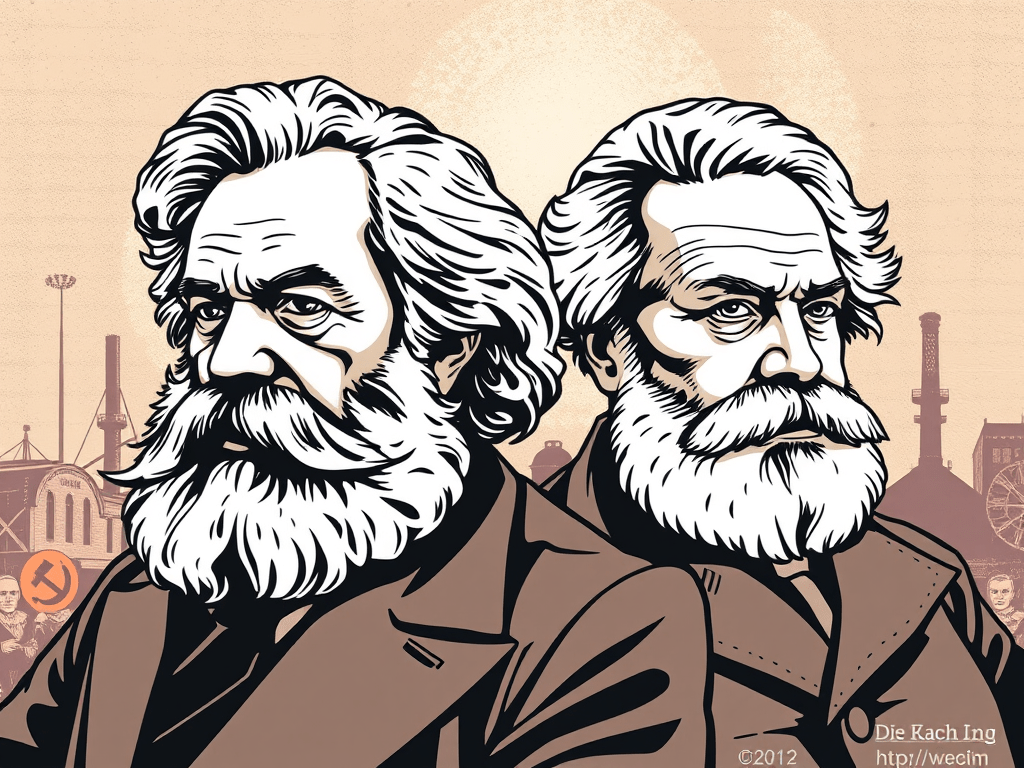
Karl Marx and Friedrich Engels revolutionized political thought by emphasizing materialism and the dynamics of history rooted in economic realities. They critiqued utopian socialism, arguing capitalism’s inherent contradictions would lead to its downfall. Their insights into ideology became foundational for later critique, challenging society’s structures and urging responsibility in transforming the world.
-

G.W.F. Hegel is a pivotal figure in philosophy, known for developing the dialectical method that emphasizes the dynamic interplay of contradictions as engines of progress. His ideas on history as a rational process and freedom tied to community shape modern thought. Hegel’s legacy influences various fields, demanding engagement with complexities rather than simplistic resolutions.
-

The content explores the philosophical concept of being in two places simultaneously through the lens of dialectical materialism. It argues this idea reflects humanity’s contradictions rather than a supernatural phenomenon. By examining labor, technology, and the nature of time, it emphasizes that existence is a dynamic interplay rather than fixed states, challenging metaphysical speculation.
-

The text explores how accidents shape history, challenging the notion that monumental events are solely the result of deliberate actions or ideologies. It argues that small, chance occurrences often alter the course of nations, emphasizing that history is not linear but a complex interplay of chaos and contingency, making our choices significant.
-

The belief that history repeats itself oversimplifies the complexities of human experience. While patterns exist, history should be viewed as a spiral rather than a circle, shaped by human choices. Learning from past mistakes allows for progress and change, empowering humanity to carve new paths instead of reliving old errors.
-
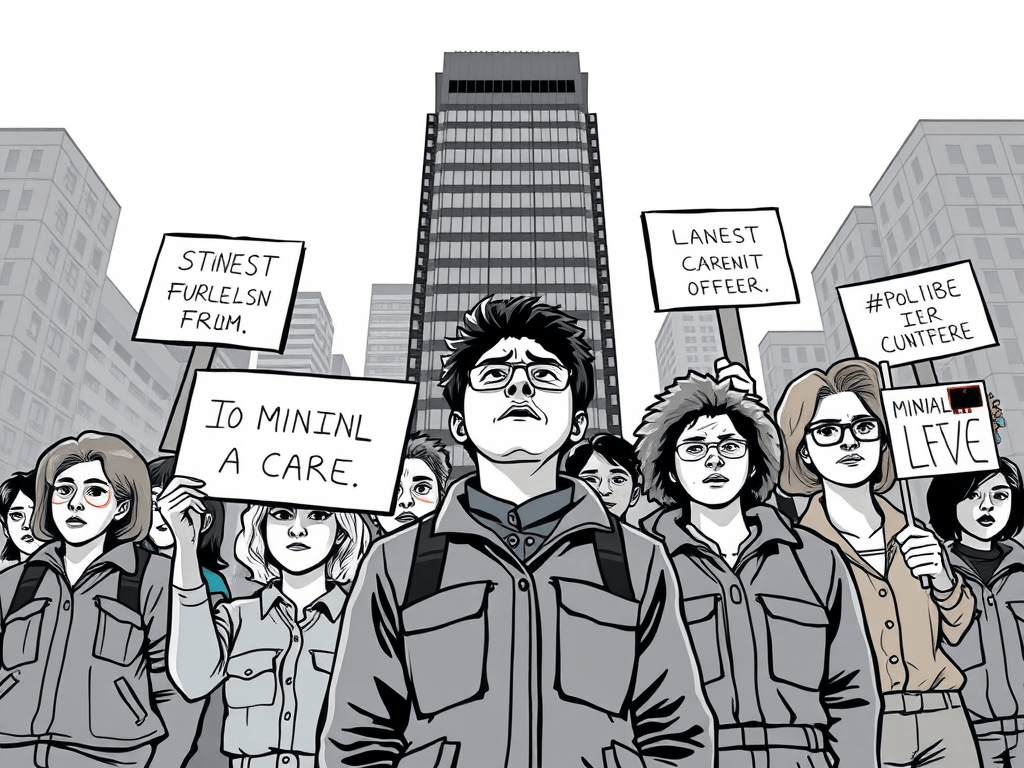
The human spirit endures injustices but may erupt against minor affronts that symbolize deeper frustrations. Workplace indignities often catalyze rebellion, revealing collective strength. Small incidents crystallize everyday humiliations, igniting strikes as workers reclaim their dignity. These actions affirm worth and humanity, highlighting a fundamental truth about resistance against oppression.
-

Formal logic, often overlooked, is essential for clear thinking and moral reasoning, providing rigorous principles for valid arguments. Originating from Aristotle, it serves both philosophy and society by exposing unexamined assumptions and fallacies. In an age of emotional discourse, its principles are vital for distinguishing truth from confusion and fostering intellectual clarity.
-

Mechanistic materialism, while intellectually appealing, offers a limited perspective on reality. It reduces complexities of existence, including creativity and morality, to mere physical processes. Although materialism has grounded our understanding of the universe, it fails to acknowledge essential dimensions of human experience and understanding, necessitating a broader approach to reality.
-

The reflections explore the complex concept of dialectics, emphasizing its historical evolution from ancient Greek argumentation to Marx’s material interpretation. Dialectics challenges simplifications, urging a nuanced understanding of contradictions in human thought and society. Embracing dialectics requires intellectual rigor and readiness to confront complexity in pursuit of truth and personal growth.
 Letters from Tomis