What is Marxism?
-
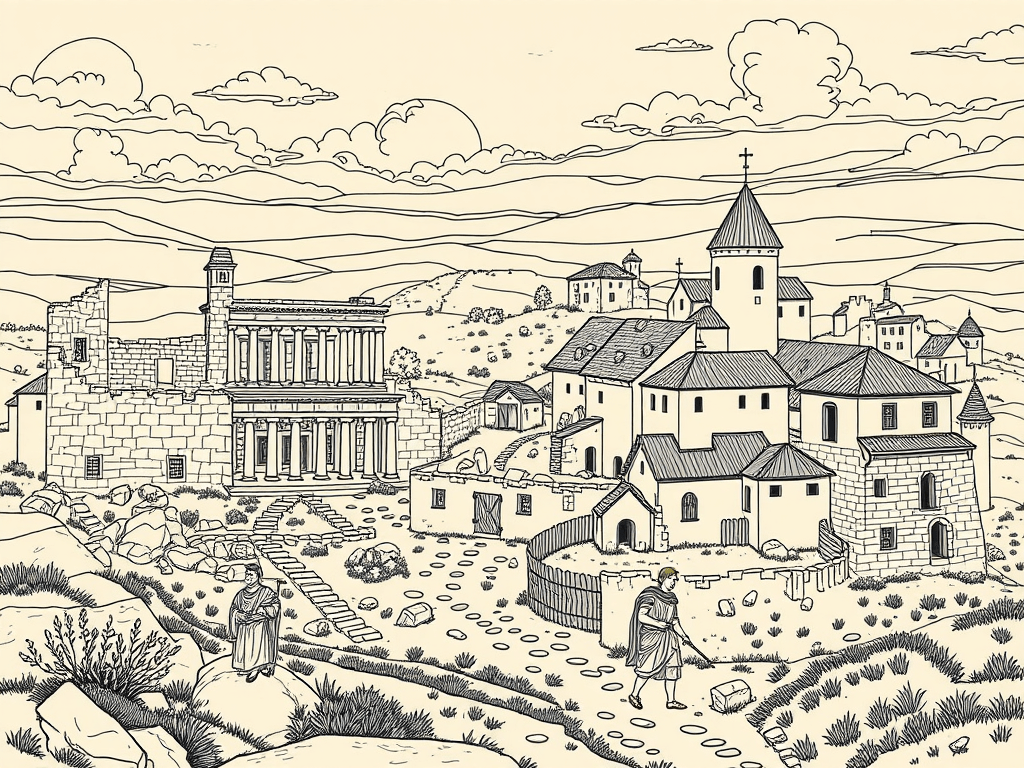
The “Dark Ages” is often viewed as a time of stagnation following the fall of Rome. However, this period involved significant transformations driven by economic and social restructuring, transitioning from slavery to feudalism. The Catholic Church played a key role in unifying fragmented Europe, highlighting the era’s complexity rather than mere darkness.
-
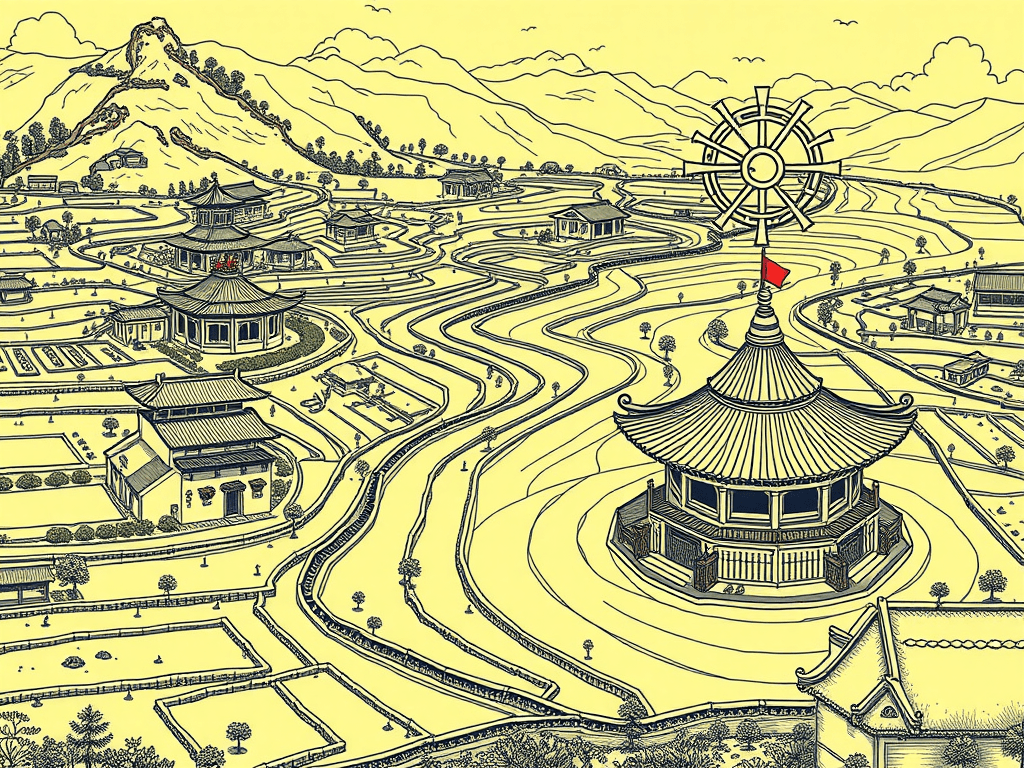
I reflect on Karl Marx’s concept of the Asiatic mode of production (AMP) after reading What is Marxism. Unlike feudal and capitalist systems, the AMP features centralized state control and lacks dynamic class struggles, rendering it a marginal idea in Marx’s work. The critique of contemporary authoritarianism, however, reinvigorates its relevance today.
-
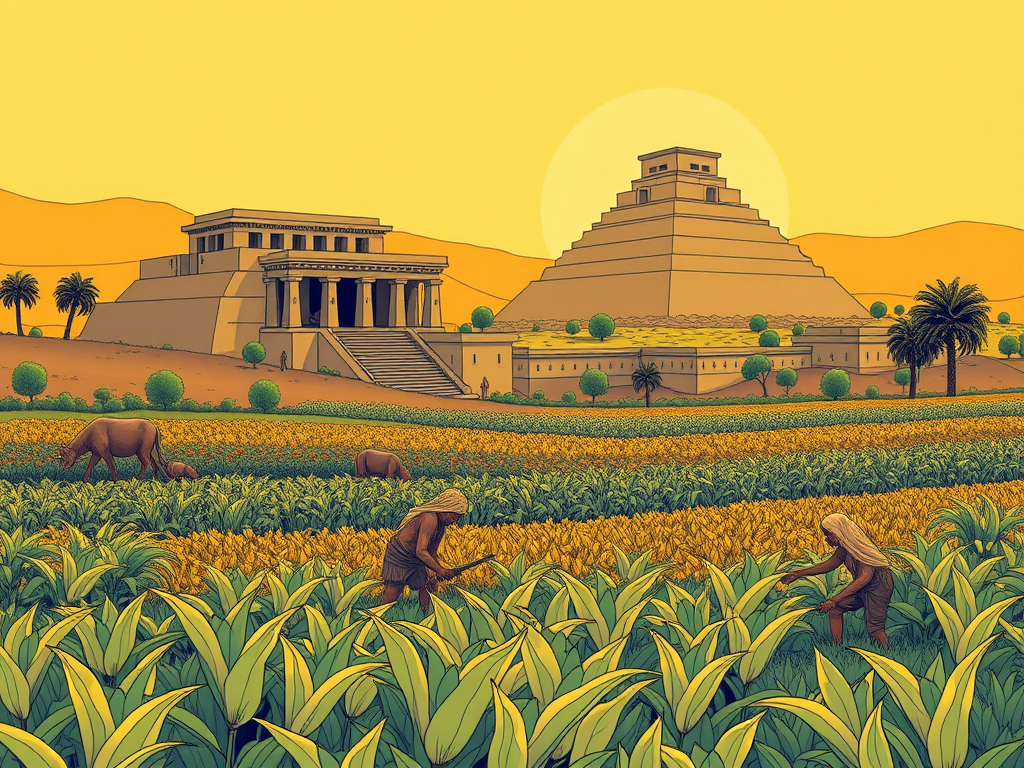
The Neolithic Revolution signifies a pivotal shift from hunter-gatherer societies to agriculture, reshaping human relations. Historical materialism emphasizes that this transformation created surplus production, leading to class divisions and exploitation. The ensuing economic base established power hierarchies and reinforced gender inequalities, illustrating that history is driven by material conditions rather than ideals.
-
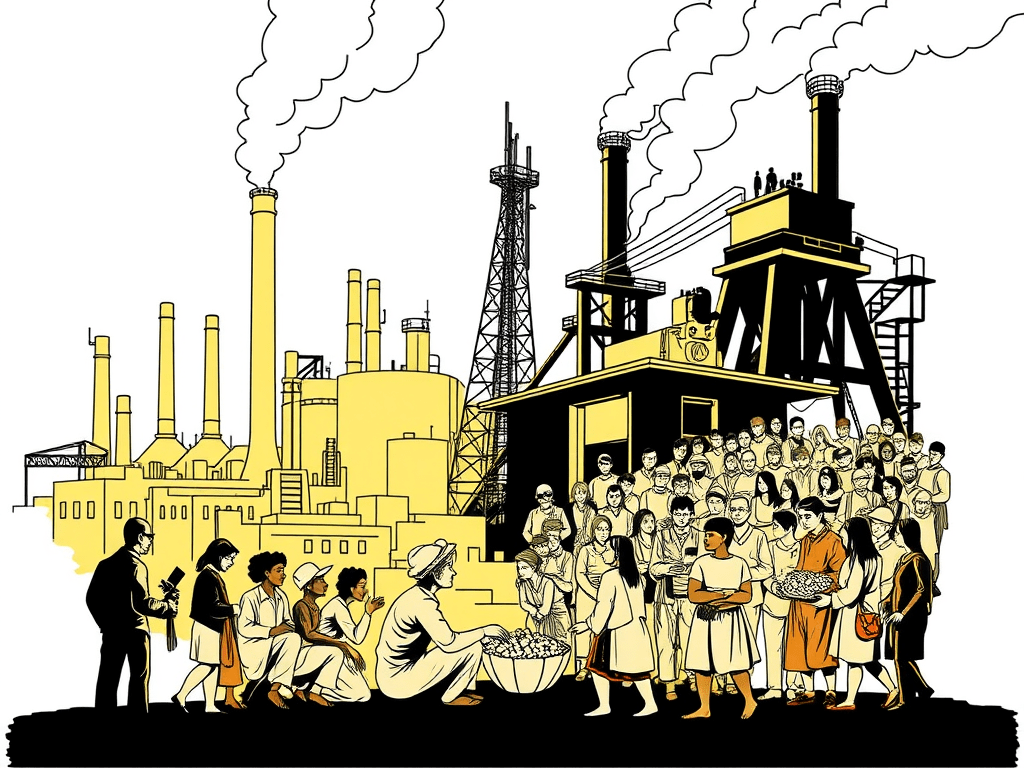
The debate about human selfishness is framed through a Marxist perspective, which argues that selfishness is a product of capitalism rather than inherent human nature. Historical materialism suggests that socio-economic conditions shape behavior, with cooperation prevalent in pre-capitalist societies. Socialism presents an opportunity to foster solidarity and reject selfishness, challenging the notion that it is…
-
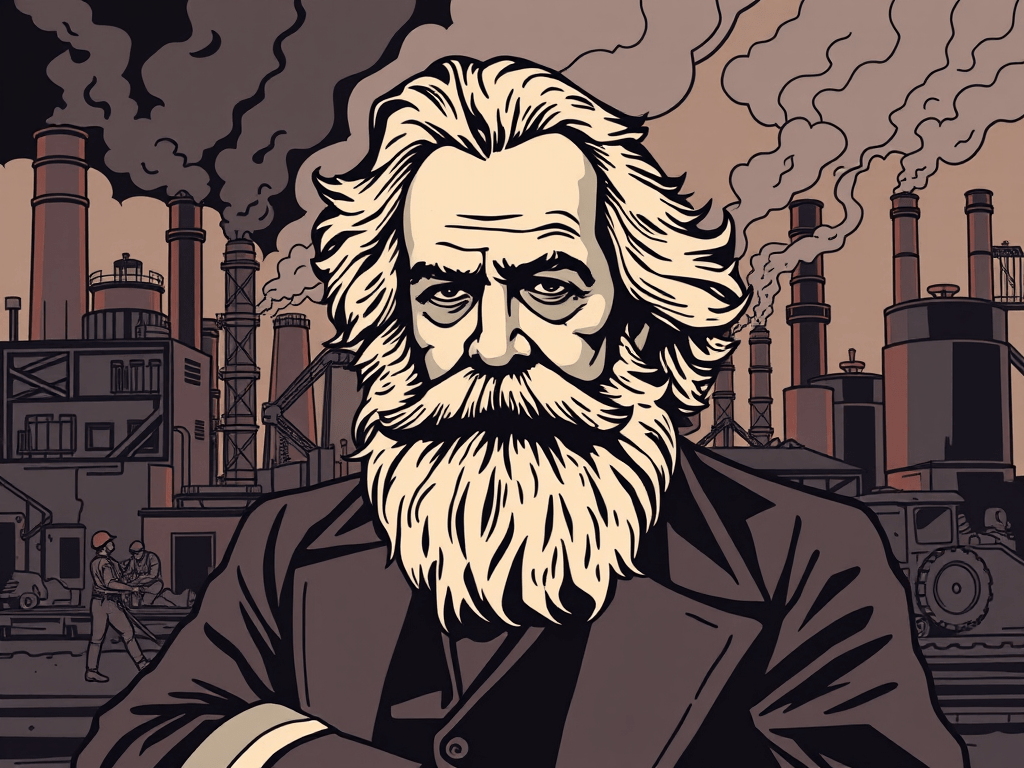
This reflection on historical materialism, inspired by What is Marxism by Sewell and Woods, explores class as a driving force in societal evolution. Marx’s view of class transcends economic status, focusing on relationships to production and the exploitation inherent in capitalism. It emphasizes the importance of class consciousness in revolutionary change and critiques contemporary misunderstandings…
-

This series of reflections on historical materialism explores the interplay between individual agency and societal structures in Marxist thought. It emphasizes that while individuals shape history, they operate within existing material conditions. This dialectical relationship underlines the complexities of historical development, challenging simplistic interpretations of history as solely driven by impersonal forces or individual will.
-

A reflection on the complex issue of free will through philosophical and theological lenses, questioning whether true agency exists or if all actions are determined by external factors. Despite the potential illusion of free will, the author emphasizes its importance for moral responsibility and societal functionality, advocating for mindful choices regardless of determinism.
-

The text explores the distinctions between determinism and fatalism. Determinism asserts that human actions are caused by preceding conditions, allowing for meaningful freedom, while fatalism posits that outcomes are preordained, rendering human efforts meaningless. Embracing determinism encourages responsibility and progress, while fatalism leads to passivity and despair.
-
The inquiry into whether the universe had a beginning captivates theologians, philosophers, and scientists. While religion offers a divine explanation, science presents the Big Bang theory. Both perspectives reveal our ignorance and underscore the limits of human understanding. Embracing doubt fosters wisdom and humility in exploring existence’s mysteries.
-

Dialectical materialism, rooted in Marxist philosophy, interprets societal change through material contradictions within economic systems. While acknowledging its limitations and critiques, this framework remains relevant in addressing modern challenges like climate change and digital monopolies. Embracing its insights, without rigid dogma, is essential for understanding and navigating our rapidly evolving world.
 Letters from Tomis