What is Marxism?
-

Human progress relies on adaptation and critical thinking regarding our economic and political systems. Currently, capitalism’s inequalities demand a shift toward socialism, which prioritizes communal needs over profit. Socialism seeks to democratize power and resources, promoting well-being and cooperation, while recognizing human value beyond mere economic contributions. Embrace this moral revolution for a sustainable future.
-
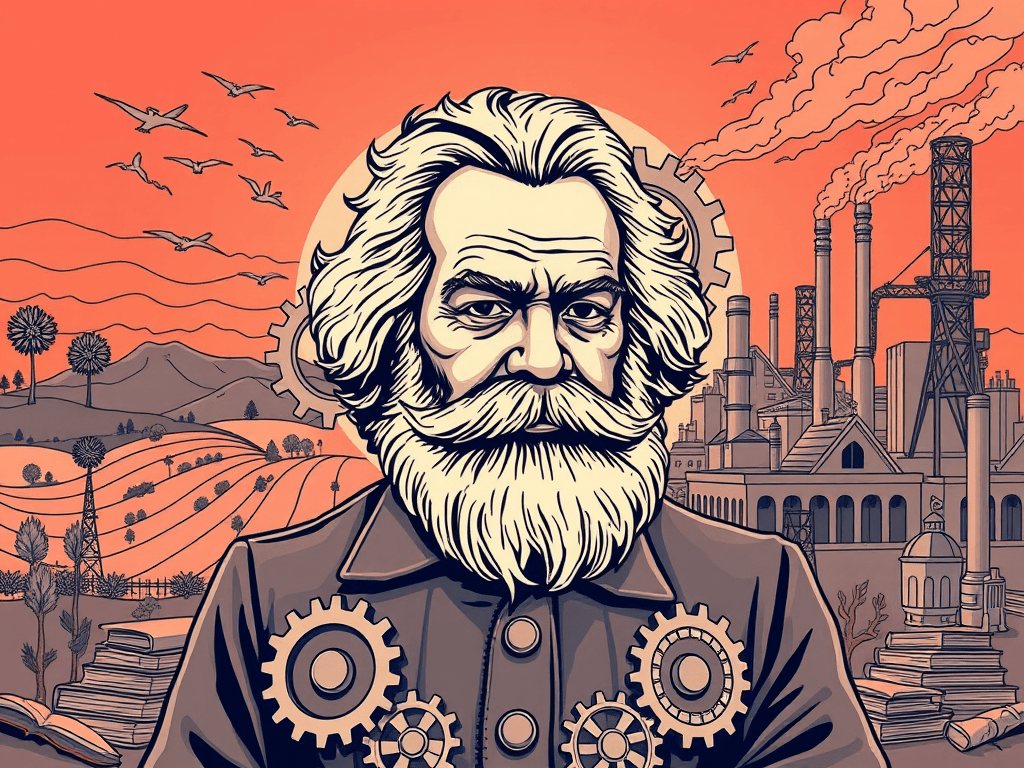
Karl Marx offers a historical materialist perspective on human consciousness, emphasizing that it is shaped by material conditions rather than existing independently. Consciousness evolves through class struggles, reflecting economic realities. As societies transform, so do ideologies, showcasing a dialectical process where contradictions propel social progress and change in consciousness.
-
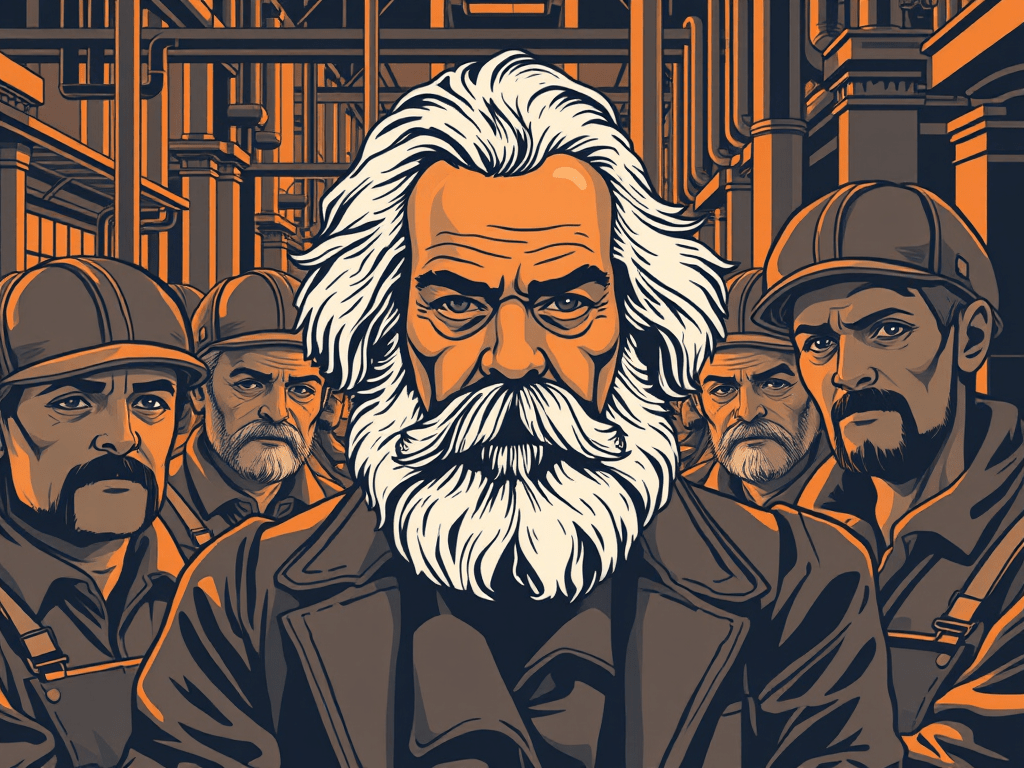
Karl Marx described the working class as the “gravediggers” of capitalism, emphasizing their role in challenging the system’s inherent contradictions and exploitative nature. While capitalism adapts and reshapes itself, the potential for collective action among workers emphasizes their capacity for revolutionary change, making the future of the system uncertain.
-
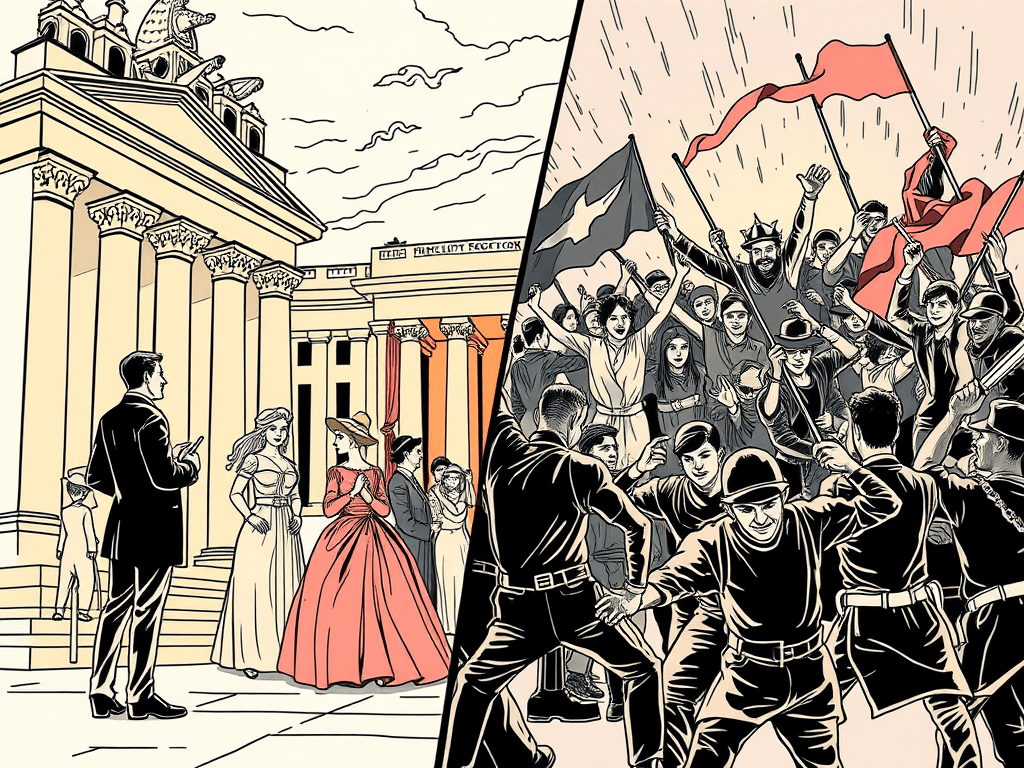
Revolutions have paradoxical traits, blending change with continuity. Bourgeois revolutions like the French and American prioritize reforming power structures without challenging property rights, benefiting the educated upper classes. In contrast, proletarian revolutions, exemplified by the Bolshevik Revolution, aim to dismantle capitalist systems entirely, seeking radical transformation for the dispossessed masses.
-
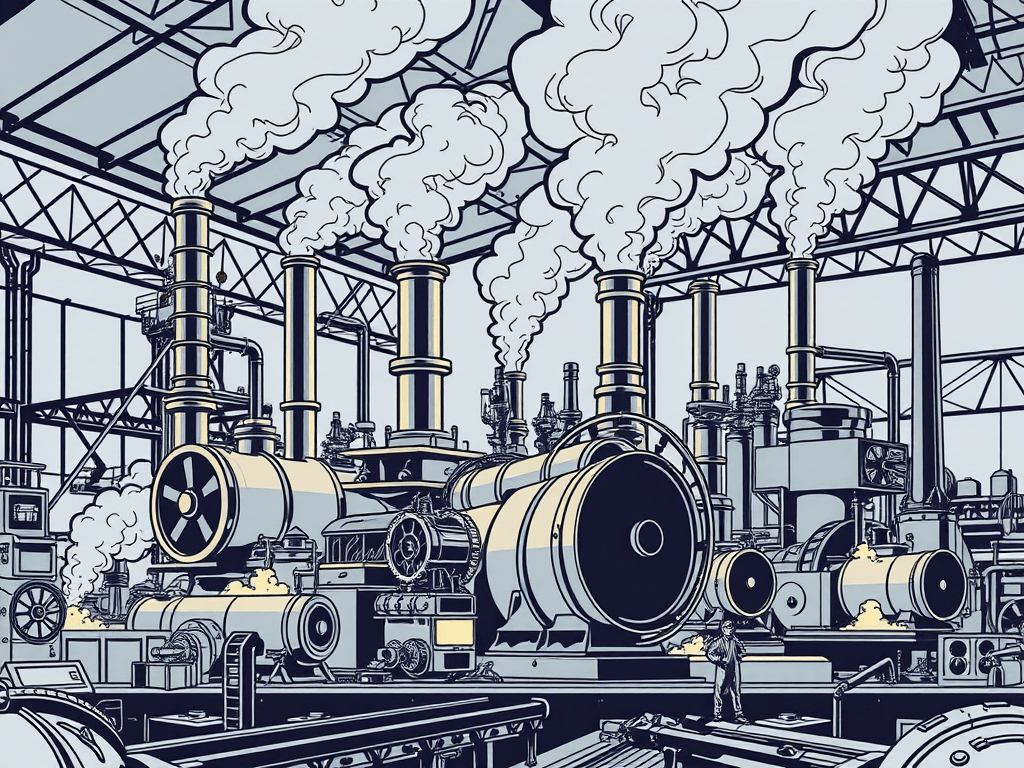
I discuss capitalism’s unique drive for constant innovation, contrasting it with the stagnation of feudal economies. The Industrial Revolution exemplifies how advancements transformed societies, often at a human cost. However, capitalism’s inherent contradictions, like wealth concentration and displacement of workers, raise questions about its sustainability and the potential need for a new economic system.
-

Marx’s analysis reveals the transition from feudalism to capitalism as a shift in exploitation rather than a move toward freedom. While serfs were directly bound to land, wage workers face economic necessity, masking their oppression as choice. This continuity of exploitation challenges the romanticized view of capitalist liberation, emphasizing the need for ongoing resistance.
-

The bourgeois revolutions marked significant shifts from feudalism to capitalism, driven by class struggle and economic liberation. They dismantled old hierarchies, established market economies, and fostered national identities, while also emphasizing secular authority. Despite achieving liberation, they introduced new forms of oppression, foreshadowing future class struggles for true emancipation.
-

The emergence of humankind is rooted in the interplay of biology, environment, and material culture, rather than divine intervention. Early tool-making marked a shift from mere adaptation to transformation, fostering social bonds, language, and culture. As accidental architects, humans must responsibly wield their creations, reflecting both ingenuity and caution in shaping existence.
-
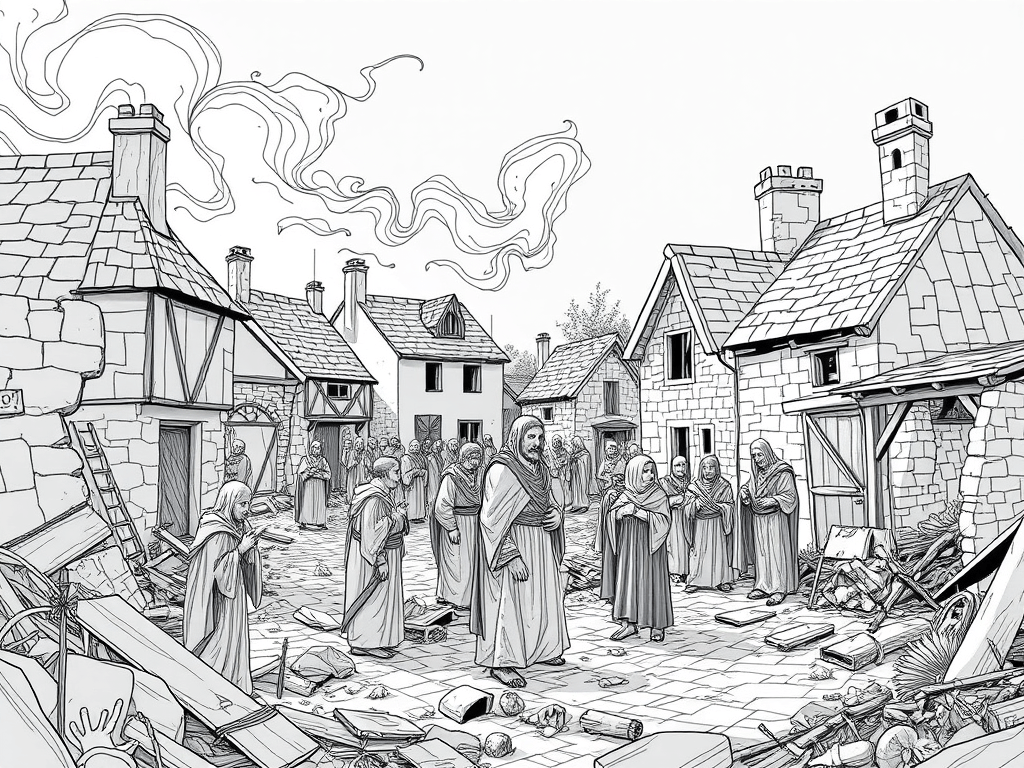
The Black Death of the 14th century exposed the weaknesses of feudal society, acting as a catalyst for its decline rather than a mere natural disaster. The plague caused significant labor shortages, prompting peasants to demand better conditions. This upheaval ultimately laid the groundwork for the emergence of capitalism, marking a pivotal historical transition.
-

The peasantry’s struggle against feudal landlords was marked by toil, sacrifice, and a yearning for dignity, hindered by economic inertia, ideological conditioning, and fragmentation. Their isolation and dependence made sustained rebellion difficult, while shifting societal forces diminished their relevance, yet their legacy paved the way for future revolutions and continues to resonate with resilience.
 Letters from Tomis