USA
-
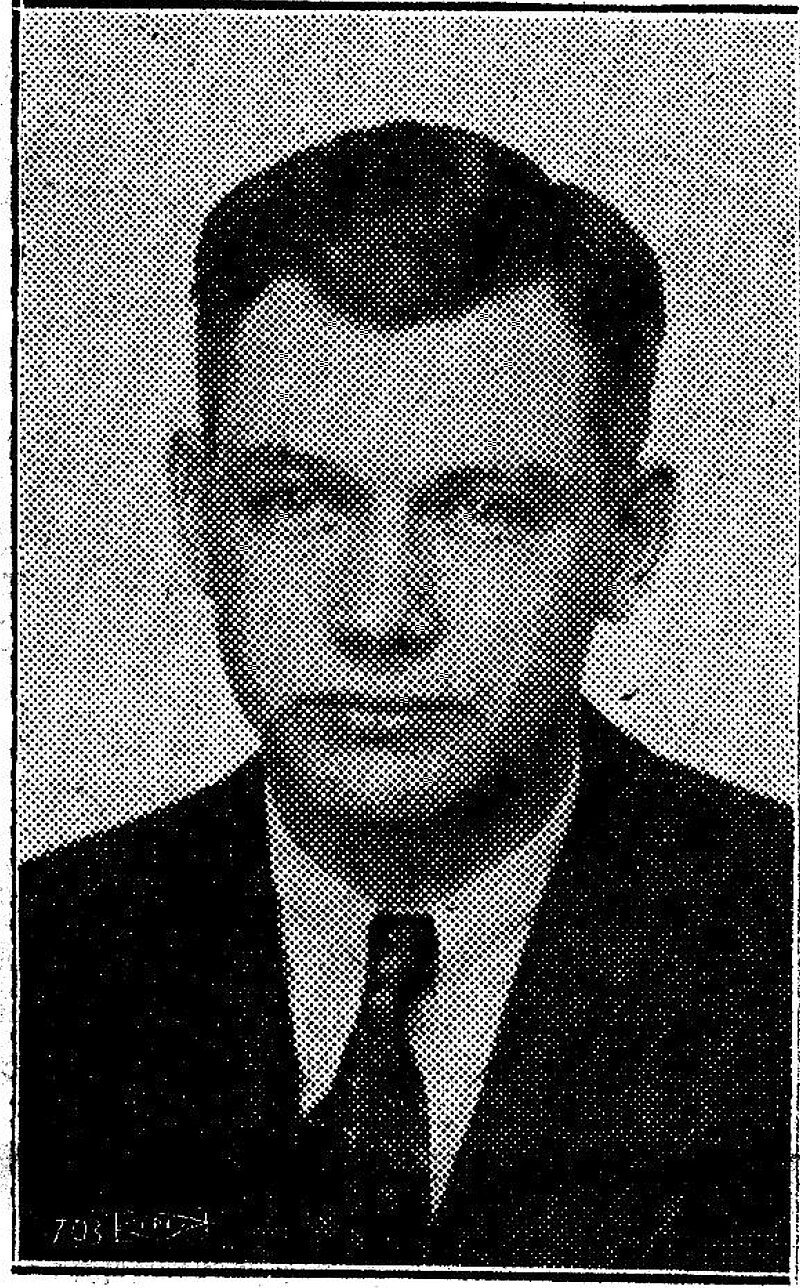
George Novack (1905–1992) was a significant American Marxist theorist who contributed to classical Marxism in an American context. His work, marked by clarity and dialectical method, connected Marxist theory to U.S. history and struggles. Novack’s legacy endures through his accessible writings and the synthesis of historical and political analysis within revolutionary movements.
-
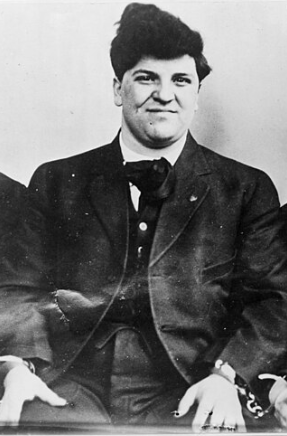
Joseph James Ettor (1885–1948) embodied the radical spirit of early twentieth-century labor. A gifted organizer for the Industrial Workers of the World, he unified immigrant mill workers in the 1912 Lawrence “Bread and Roses” strike, articulating a vision of industrial unionism that linked economic emancipation with human dignity and solidarity.
-
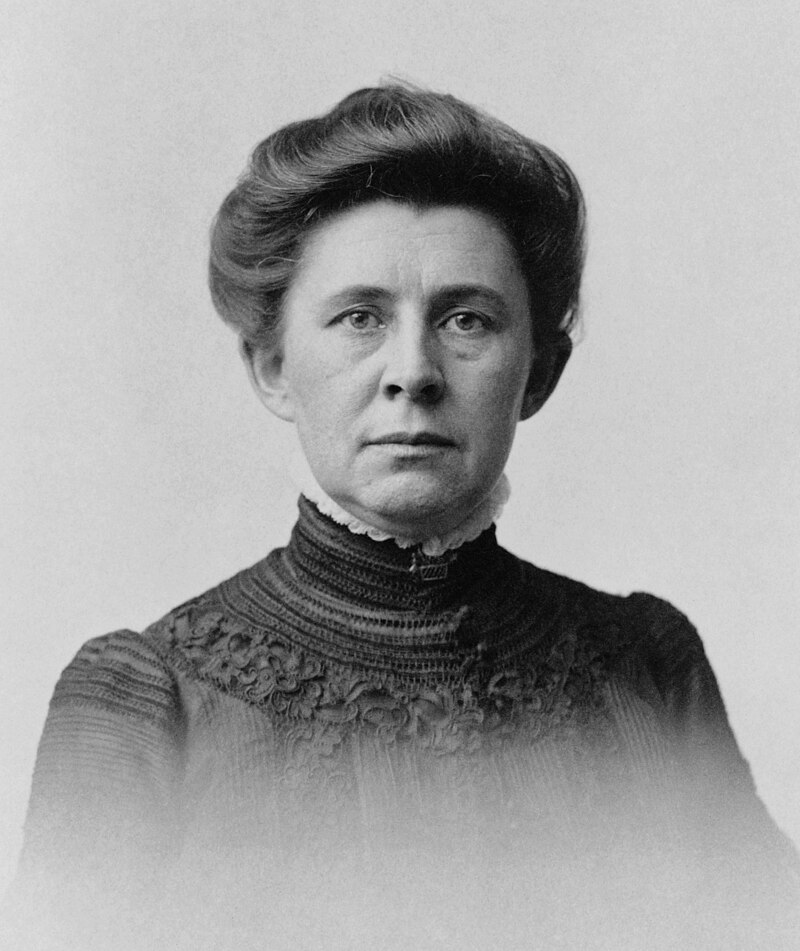
Ida Minerva Tarbell (1857–1944) was a crucial figure in American journalism, known for her investigative work during the Progressive Era. Her notable contributions include The History of the Standard Oil Company, which exposed corporate corruption. Tarbell’s legacy shaped reporting standards and influenced reform movements while reflecting the complexities of gender and political issues of her…
-
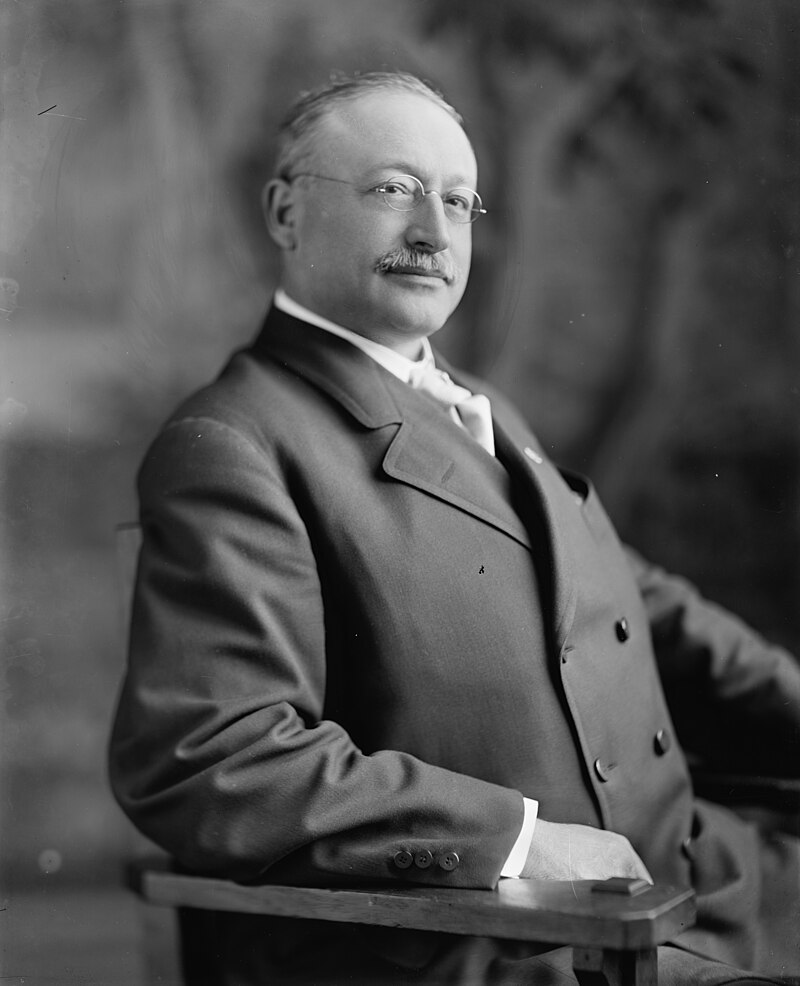
Victor Louis Berger (1860–1929) was a pivotal figure in American socialism, known for founding the Socialist Party of America in 1901 and being the first Socialist elected to Congress. His pragmatic approach to socialism emphasized reform over revolution. Berger’s legacy reflects debates between revolutionary and reformist socialism within American politics.
-
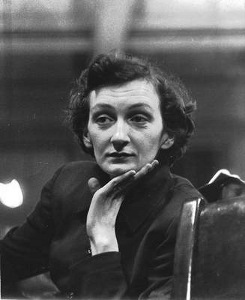
Anne McCarty Braden (1924–2006) evolved from a segregationist upbringing to become a prominent white ally in the civil rights movement. Her activism, sparked by the Turner case, emphasized the structural nature of racism and the necessity of anti-capitalist transformation, creating a lasting legacy of interracial solidarity and dissent against oppression.
-

Hosea Hudson (1898–1988) was a significant African American Communist leader and labor activist in the mid-20th century. His life highlights the intersection of race, class, and political radicalism. Despite facing repression, he organized Black workers and contributed to labor movements, leaving a legacy that connects Black struggle to broader socialist politics.
-

Upton Sinclair (1878–1968) was a prominent American novelist and social activist known for his work, particularly The Jungle, which exposed industrial capitalism’s social injustices. His literary career, marked by nearly 100 books, demonstrated his commitment to socialism and social reform, profoundly influencing American public opinion on labor and class issues during the early 20th century.
-

My Socialist Hall of Fame During this chaotic era of vile rhetoric and manipulative tactics from our so-called bourgeois leaders, I am invigorated by the opportunity to reflect on Socialists, Revolutionaries, Philosophers, Guerrilla Leaders, Partisans, and Critical Theory titans, champions, and martyrs who paved the way for us—my own audacious “Socialism’s Hall of Fame.” These…
-
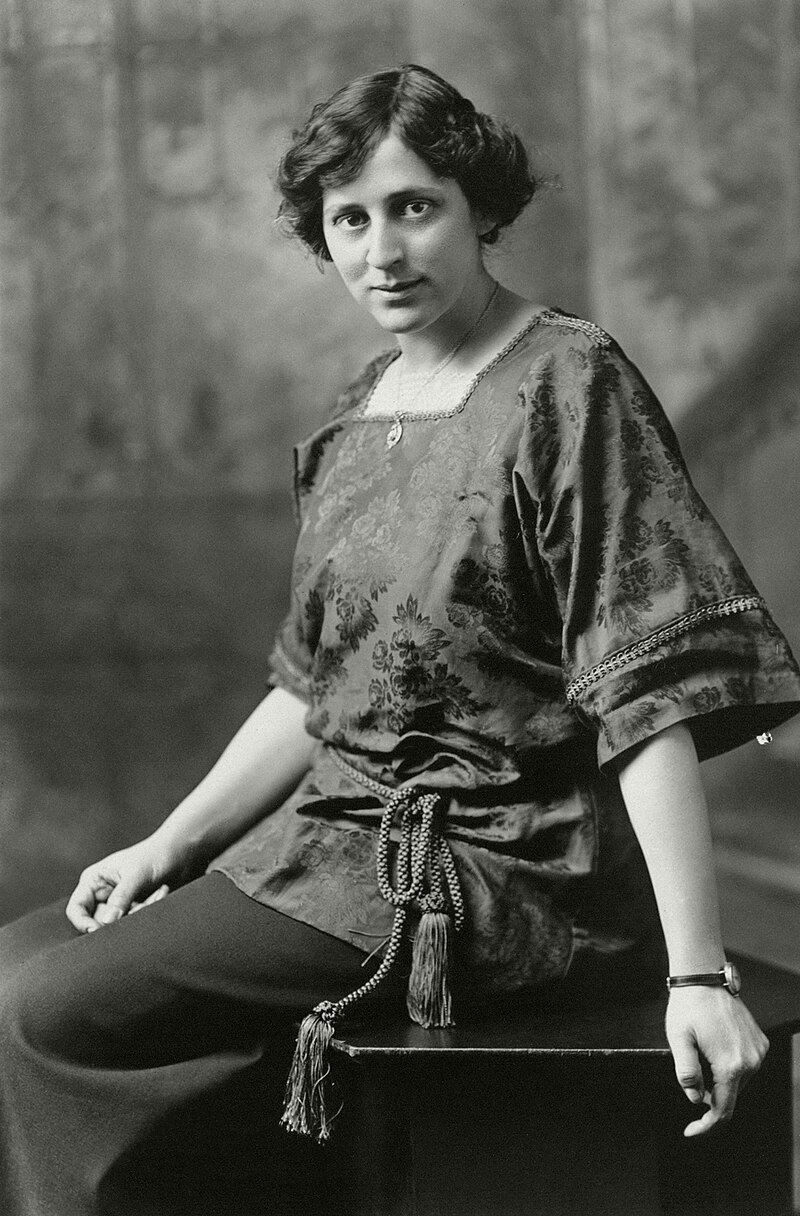
Crystal Eastman (1881–1928) was a pioneering radical intellectual, lawyer, journalist, and co-founder of the ACLU. Her advocacy combined socialism and feminism, focusing on workers’ rights, anti-militarism, and civil liberties. Despite her significant contributions, Eastman’s remarkable impact on feminist and socialist movements remains widely unrecognized today.
-
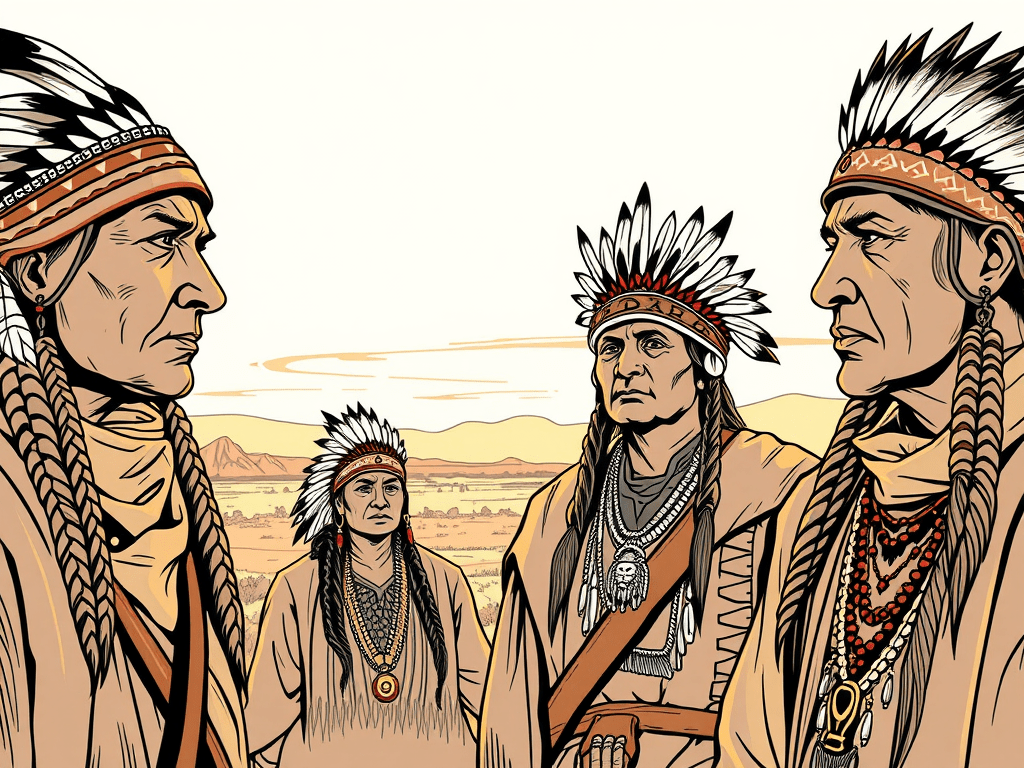
Dee Brown’s landmark work, Bury My Heart at Wounded Knee, details the dispossession and destruction of Native American nations during 19th-century U.S. expansion. Through Indigenous perspectives, it challenges traditional narratives of American history. Despite its limitations in addressing complex tribal dynamics, the book remains essential for understanding Indigenous resistance and U.S. colonial violence.
 Letters from Tomis