Trotsky
-

Alan Woods’ Marxism and Anarchism is a provocative anthology analyzing the historical divide between Marxism and anarchism. It critiques anarchist strategies while advocating for a Marxist approach that emphasizes organization, class struggle, and the necessity of building workers’ power. Relevant and accessible, it serves educators and militants navigating revolutionary theory.
-
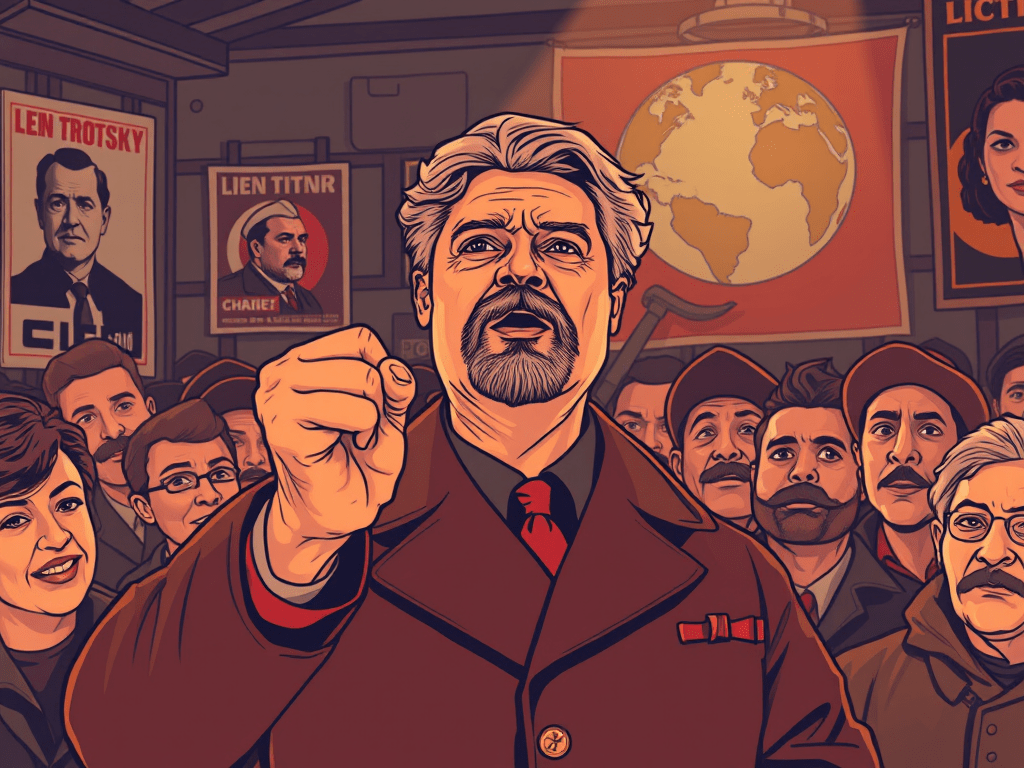
The essay analyzes the rise and fall of the Fourth International, founded by Trotsky in 1938. It argues that post-Trotsky leadership’s sectarianism and bureaucratic methods led to its degeneration. Ted Grant’s faction is highlighted as a true continuation of Trotskyism, advocating for adapting Marxist theory to current conditions and preserving revolutionary integrity.
-
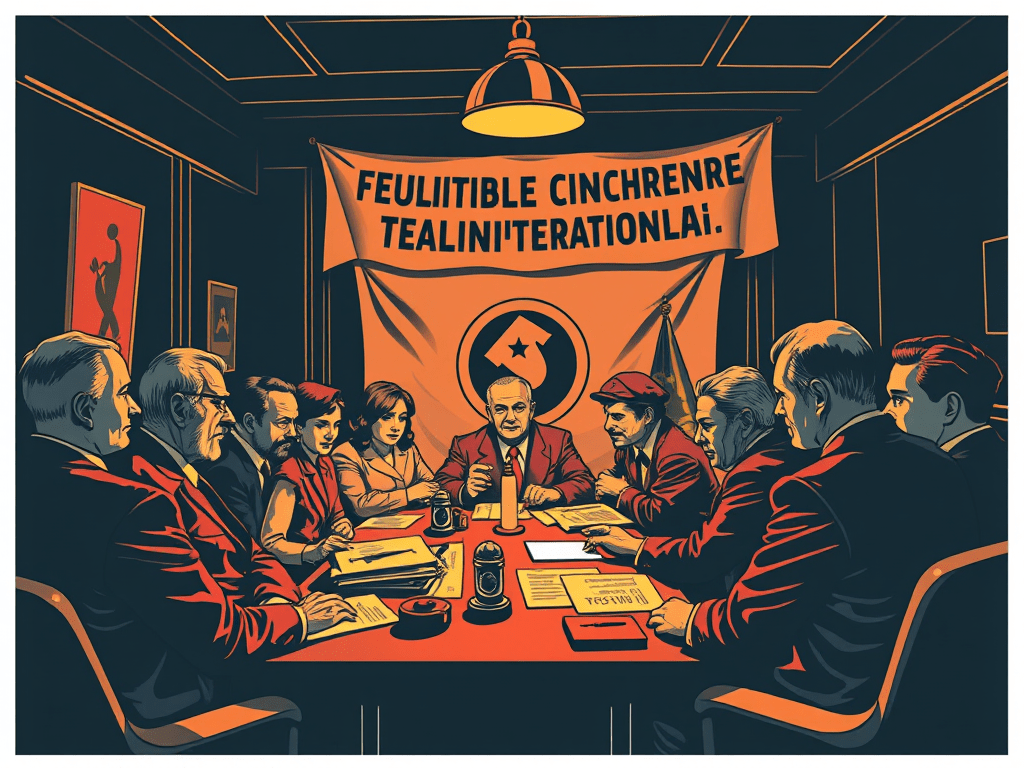
The Fourth International, founded in 1938 by Trotskyists, aimed to unite Marxists for global revolution against Stalin’s Comintern. Despite its revolutionary ambitions, it faltered due to adverse conditions post-World War II, internal divisions, and repression. Its legacy persists today in various Trotskyist groups, still advocating international socialism.
-

Leon Trotsky’s The Revolution Betrayed critiques the Soviet Union’s deviation from revolutionary ideals under Stalin. Published in 1937 and reissued in 2015, it analyzes the rise of bureaucracy and predicts the USSR’s collapse due to systemic issues. Trotsky’s insights on democracy and governance remain relevant for contemporary discourse in political and economic contexts.
-
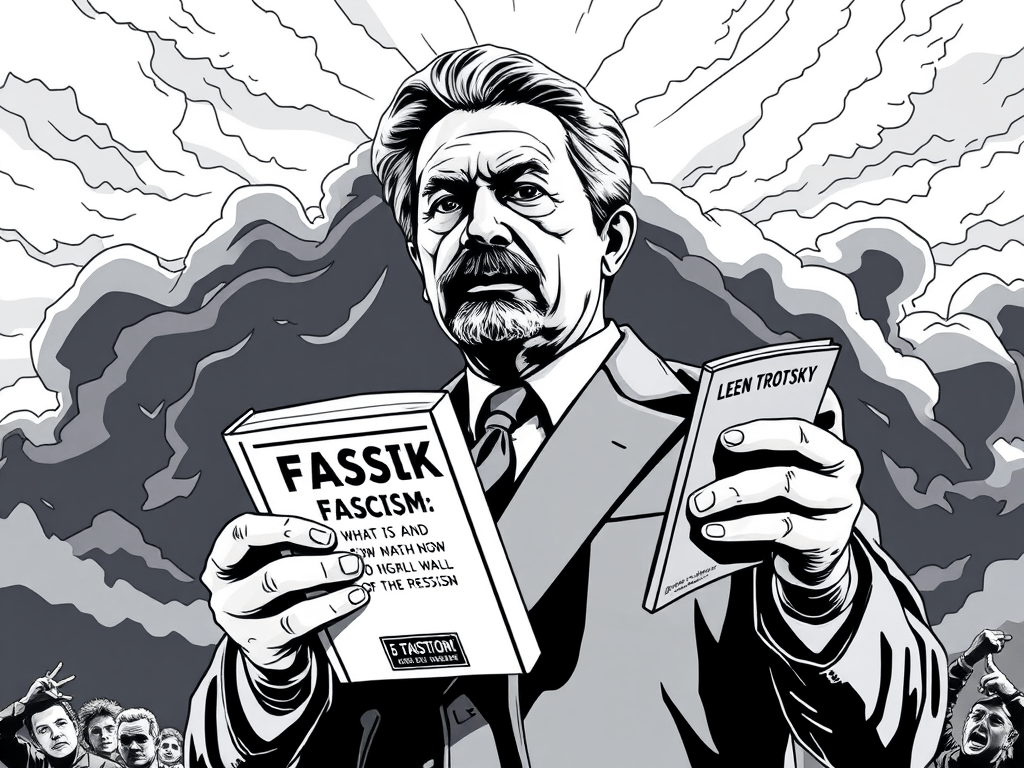
Leon Trotsky’s work, Fascism: What It Is and How to Fight It, analyzes the socio-economic factors leading to fascism’s rise, emphasizing the need for a united socialist response. Written in the 1930s, it offers insights relevant to contemporary political issues, advocating for class consciousness and proactive resistance against authoritarianism.
-
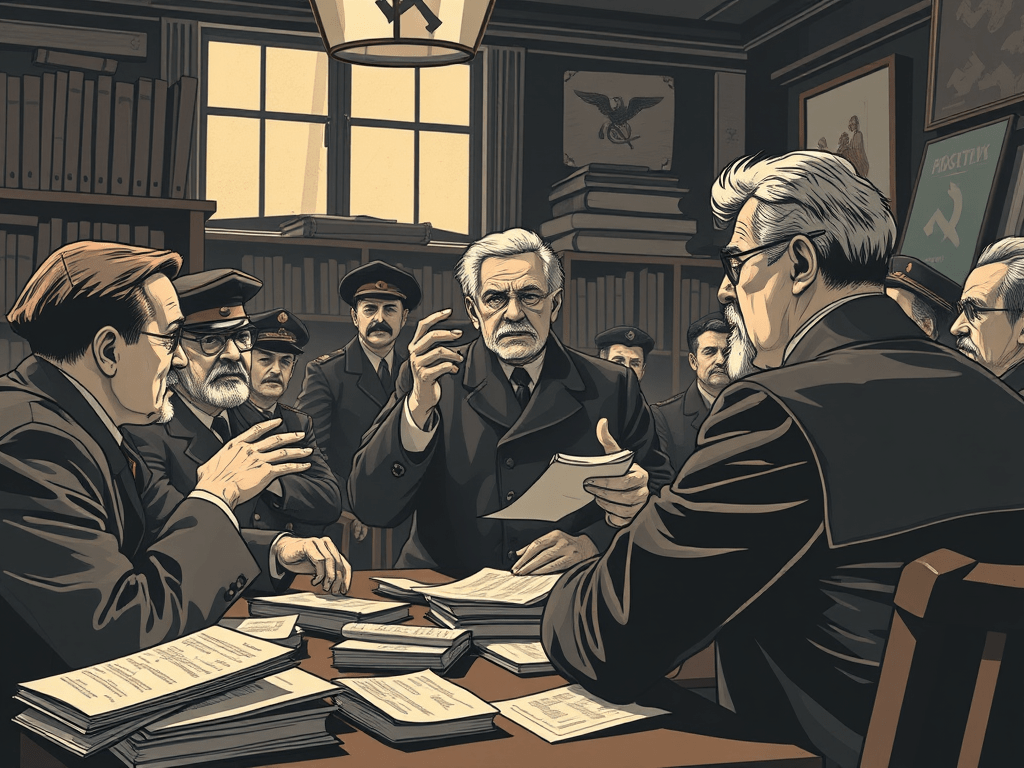
Leon Trotsky’s The Permanent Revolution critiques the necessity of mature capitalism for socialist revolutions, arguing that the proletariat can lead such movements. His analysis addresses differences within the Communist Party, particularly against Stalin’s policies. Despite editorial issues in the 2014 edition, the work remains essential for understanding Marxist theory and revolutionary dynamics.
-

Lenin’s “Testament” warned against Stalin, advocating his removal as General Secretary, yet it was suppressed by Stalin and allies like Zinoviev and Kamenev. Disunity among Lenin’s potential successors, internal divisions, and Stalin’s control over party machinery enabled him to consolidate power, ultimately silencing his rivals and becoming the Soviet leader.
-
Lenin’s “Testament” warned against Stalin, advocating his removal as General Secretary, yet it was suppressed by Stalin and allies like Zinoviev and Kamenev. Disunity among Lenin’s potential successors, internal divisions, and Stalin’s control over party machinery enabled him to consolidate power, ultimately silencing his rivals and becoming the Soviet leader.
 Letters from Tomis