Soviet Union
-
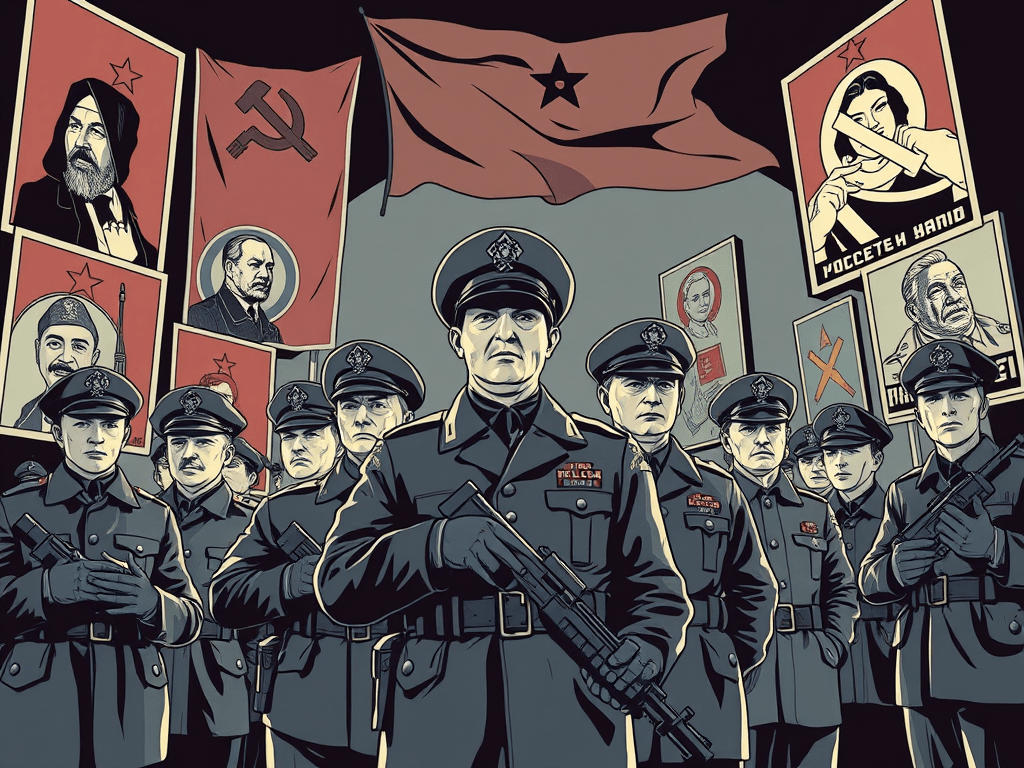
Between 1920 and 1940, Soviet law enforcement evolved significantly under Marxist-Leninist ideology, serving the Communist Party’s revolutionary goals. Institutions like the Cheka and NKVD enforced state security through extensive surveillance and brutal repression, targeting class enemies and dissenters. This ideological framework shaped a coercive policing system that instilled fear and compliance in society.
-

The evolution of psychology and psychiatry in the Soviet Union from the 1920s to the 1980s showcased a complex interplay of Marxist ideology and scientific inquiry. The fields experienced creative innovation amid ideological constraints, producing significant theories like Pavlov’s reflex theory and Vygotsky’s cultural-historical approach, which influenced global psychology despite periods of enforced conformity.
-
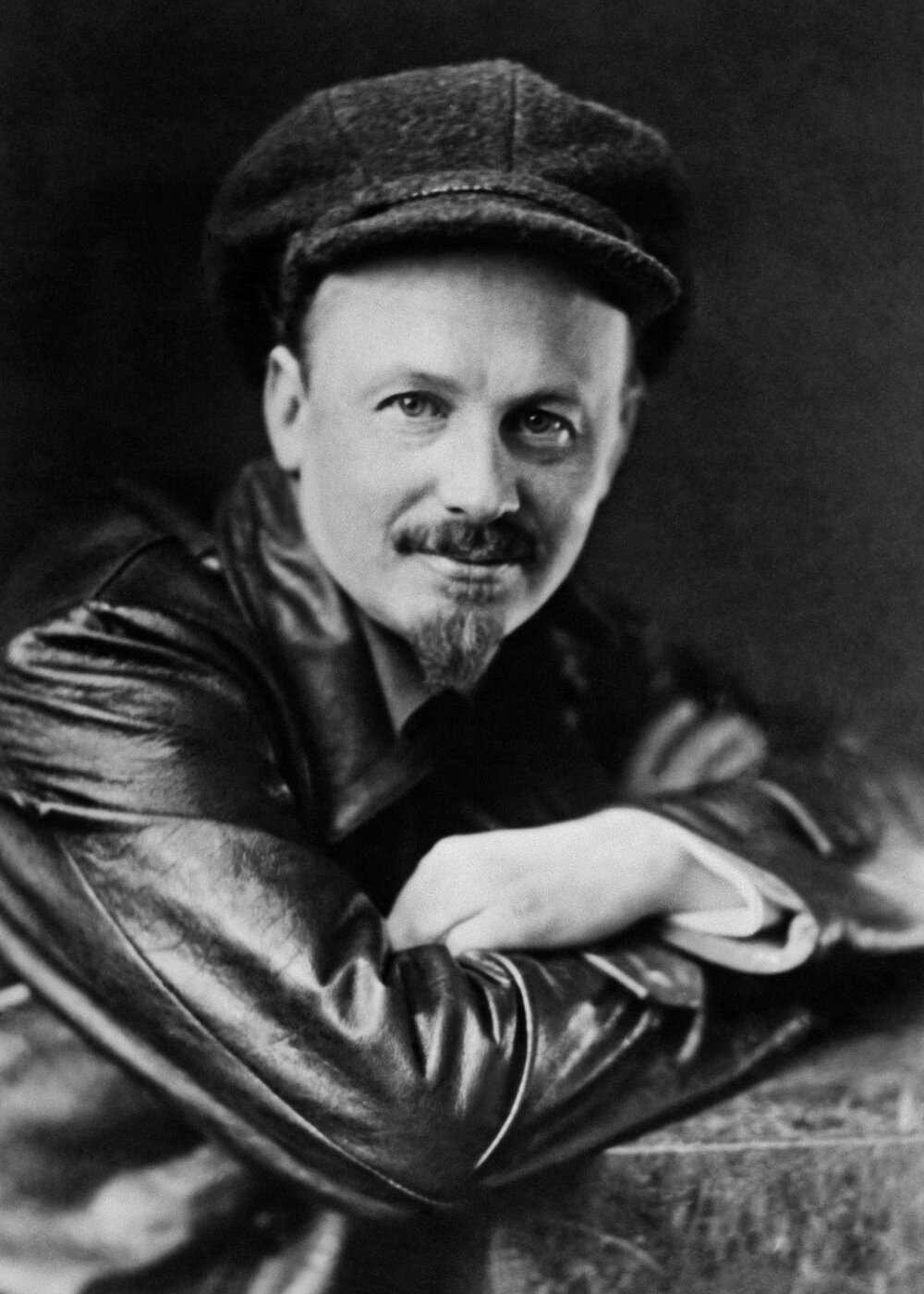
Nikolai Bukharin (1888–1938) was a leading Bolshevik revolutionary, Marxist theorist, and Soviet politician. Initially influential during the October Revolution and supporter of the New Economic Policy, he fell out of favor with Stalin, leading to his arrest and execution during the Great Purge. His legacy endures in Marxist studies.
-

The “History of the Communist Party of the Soviet Union (Bolsheviks): Short Course,” overseen by Stalin, offers a biased, simplified narrative of Bolshevik history. While it serves as a doctrinal tool that shaped Soviet ideology and political thought, it lacks academic rigor and distorts historical facts to reinforce Stalin’s regime.
-

Lenin’s “Testament” warned against Stalin, advocating his removal as General Secretary, yet it was suppressed by Stalin and allies like Zinoviev and Kamenev. Disunity among Lenin’s potential successors, internal divisions, and Stalin’s control over party machinery enabled him to consolidate power, ultimately silencing his rivals and becoming the Soviet leader.
-
Lenin’s “Testament” warned against Stalin, advocating his removal as General Secretary, yet it was suppressed by Stalin and allies like Zinoviev and Kamenev. Disunity among Lenin’s potential successors, internal divisions, and Stalin’s control over party machinery enabled him to consolidate power, ultimately silencing his rivals and becoming the Soviet leader.
 Letters from Tomis